
Side Dishes
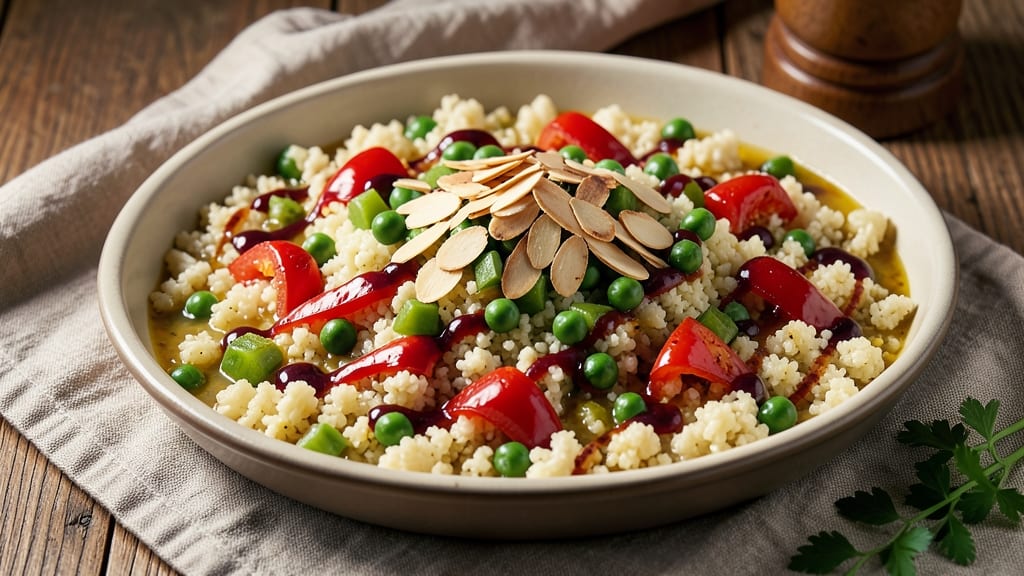
This cauliflower rice paella recipe transforms a classic Spanish dish into a lighter, vibrant vegetarian masterpiece while keeping all the authentic flavors. The secret lies in saffron-infused broth and perfectly balanced vegetables that create a fragrant, one-pan grain bowl with crispy edges and tender textures.
Traditional paella techniques—like slow simmering and socarrat development—are adapted to work beautifully with cauliflower rice, delivering the same satisfying results without the heavy carbs.
What makes this recipe special is its ability to deliver restaurant-quality depth with simple ingredients: saffron for aroma, garlic and smoked paprika for smoky richness, and a mix of bell peppers, peas, and artichokes for texture.
The cauliflower rice absorbs the flavorful broth while maintaining its natural bite, creating a dish that's both elegant and approachable. Ready in about 30 minutes, this paella is perfect for weeknight dinners or special occasions when you want to impress without the fuss.
Ingredients for cauliflower rice paella
Transform simple vegetables into a restaurant-worthy paella with these vibrant, flavorful ingredients.
| Ingredient | Amount | Notes |
|---|---|---|
| Fresh Cauliflower Rice 🥬 | 4 cups | Freshly grated or store-bought |
| Saffron Threads 🌼 | ¼ tsp | High-quality, crushed in warm broth |
| Vegetable Broth 💧 | 3 cups | Low-sodium, homemade preferred |
| Red Bell Pepper 🍆 | 1 whole | Diced into 0.5-inch pieces |
| Green Bell Pepper 🍆 | 1 whole | Diced into 0.5-inch pieces |
| Frozen Peas 🌱 | ¾ cup | Thawed for even cooking |
| Marinated Artichoke Hearts 🍃 | ½ cup | Drained and quartered |
| Yellow Onion 🧅 | 1 whole | Finely diced |
| Garlic Cloves 🧄 | 4 cloves | Minced finely |
| Smoked Paprika 🌶️ | 1 tbsp | High-quality, for depth |
| Ground Cumin 🌿 | ½ tsp | Toasted for aromatic richness |
| Extra-Virgin Olive Oil 🫒 | ½ cup | High-quality, fruity |
| Lemon Zest 🍋 | 1 tsp | Freshly grated |
| Lemon Juice 🍋 | 2 tbsp | Freshly squeezed |
| Diamond Crystal Kosher Salt 🧂 | 1 tsp | Fine grain preferred |
| Fresh Flat-Leaf Parsley 🌿 | ¼ cup | Chopped for garnish |
The saffron is non-negotiable here—Spanish saffron from La Mancha delivers the most authentic aroma. Whole Foods or specialty stores carry it, but if you can't find it, Penzeys sells it online. Toast the cumin seeds in a dry pan for 30 seconds before grinding to deepen their flavor—this makes a noticeable difference. For the cauliflower rice, freshly grating yields the best texture, but store-bought works in a pinch. The bell peppers should be vibrant, not wilted, and the artichokes should be packed in water, not oil, for the freshest taste.
No saffron? Turmeric at one-fourth the amount adds color but lacks the floral notes. Swap frozen peas for fresh if you prefer, but they'll release moisture faster. For the artichokes, canned hearts in water are fine, but avoid the marinated kind—they're too salty. The smoked paprika can be substituted with regular paprika, but you'll lose that smoky depth. If you're short on time, pre-chopped frozen vegetables work, though they won't have the same texture. The lemon zest and juice should be freshly prepared—bottled just doesn't cut it here.
Store the saffron in an airtight container in a cool, dark place for up to 12 months. The cauliflower rice loses texture quickly, so use it within 3 days of grating. This paella reheats beautifully—cover with foil and warm in a 350°F oven for 10 minutes. For meal prep, portion into containers with the broth to keep everything moist. The flavors actually improve the next day as the saffron infuses deeper.
Why You'll Love This Recipe
- One-Pan Magic: I swear by this—no chopping boards, no extra pots. Just toss the cauliflower rice, peppers, and broth in one skillet, let the saffron do its golden work, and boom. Cleanup’s over before the rice is done.
- Saffron’s Little Secret: That tiny pinch of saffron? It turns this into something ridiculously flavorful—earthy, fragrant, and just a little luxurious without breaking the bank. (Yes, even on a Tuesday night.)
- Weeknight or Weekend: Make it for yourself when you’re craving something hearty but don’t want to slave over it, or double the batch for a potluck. The peppers add color, the cauliflower keeps it light, and everyone thinks you spent hours.
- Budget-Friendly Luxury: Fresh cauliflower rice and veggies stretch this into three meals—no sad leftovers here. Reheat it, toss it into a wrap, or serve it cold the next day. My wallet (and my taste buds) thank me.
Step-by-step instructions for saffron-infused cauliflower rice paella
Master this vibrant one-pan dish with precise technique and aromatic saffron infusion.
Infuse the Broth with Saffron and Build the Flavor Base
In a small saucepan, warm the 3 cups vegetable broth over medium-low heat until steaming but not boiling. Remove from heat and add the 0.25 tsp saffron threads, stirring gently to distribute the threads evenly. Let steep for 5 minutes—this creates the signature floral aroma that defines paella. Meanwhile, heat 0.25 cup extra-virgin olive oil in a large, deep skillet over medium heat. Add the 1 whole yellow onion, finely diced, and cook for 5 minutes until translucent and slightly caramelized.
Add the 1 tbsp smoked paprika and 0.5 tsp ground cumin, stirring constantly for 30 seconds until fragrant. This spice blend forms the aromatic foundation of the dish. The onions should develop a deep, toasty color—this indicates proper development of their natural sugars. Keep the heat at medium to prevent burning while allowing the spices to bloom fully.
Develop the Vegetable Medley and Prepare the Cauliflower Rice
Add the 1 whole red bell pepper and 1 whole green bell pepper, both diced into 0.5-inch pieces, to the skillet. Cook for 6-8 minutes until the peppers soften and begin to release their juices. Add the 4 cloves garlic, minced finely, and cook for an additional 1 minute until fragrant—don't let the garlic burn, as this will create bitterness. Remove the skillet from heat and stir in the 0.5 cup marinated artichoke hearts, drained and quartered, and the 0.75 cup thawed frozen peas. Set aside.
In a medium bowl, combine the 4 cups fresh cauliflower rice with the 1 tsp lemon zest and 1 tsp diamond crystal kosher salt. Toss gently to distribute the lemon zest evenly—this brightens the earthy cauliflower flavor. The cauliflower should be dry to ensure proper searing later. Keep the cauliflower rice separate until the next step to maintain its texture.
Sear the Cauliflower Rice and Combine Ingredients
Return the skillet to medium-high heat and add the prepared cauliflower rice in a single layer. Let it sear undisturbed for 3-4 minutes until the edges begin to crisp and turn golden brown. This step is critical—it develops the nutty, toasted flavor that mimics traditional paella. Stir gently once or twice to promote even browning, but avoid over-mixing to prevent steaming instead of searing.
Pour the saffron-infused broth over the cauliflower rice, then add the vegetable medley from Step 2. Stir gently to combine, then reduce heat to medium-low. Simmer uncovered for 12-15 minutes, stirring occasionally, until the cauliflower rice is tender and the liquid has reduced slightly. You'll know it's ready when the cauliflower absorbs most of the liquid but remains slightly moist—this ensures a creamy yet distinct texture.
Finish with Acid and Fresh Herbs
Remove the skillet from heat and stir in the 2 tbsp lemon juice. This acid brightens the dish and balances the richness of the saffron and olive oil. Taste and adjust seasoning with additional diamond crystal kosher salt if needed—the saffron broth should be seasoned but not overly salty. Let the paella rest for 2-3 minutes off the heat to allow flavors to meld.
Garnish with the 0.25 cup chopped fresh flat-leaf parsley just before serving. The parsley adds a fresh contrast to the deep, smoky flavors of the paella. Serve immediately in shallow bowls or directly from the skillet, ensuring each serving captures the crispy edges and tender center of the cauliflower rice. The dish should be vibrant in color, aromatic, and perfectly balanced between the earthy cauliflower, sweet peppers, and bright lemon finish.
Pro Tips For Making Cauliflower Rice Paella
- SOAK THE SAFFRON: Toss the threads in a teaspoon of warm broth for 5 minutes first—this unlocks their color and aroma without bitterness. I used to just sprinkle it dry, and the dish always tasted flat until I tried this. Trust me, it’s worth the extra minute.
- SALT THE BROTH: Season the vegetable broth before adding it to the pan—cauliflower rice soaks up liquid fast, and you’ll end up with bland rice if you wait. Aim for at least ½ teaspoon per cup, especially if your broth is low-sodium.
- DON’T OVERSTIR THE RICE: Let the cauliflower rice sit undisturbed for 2–3 minutes after adding broth—this lets it absorb liquid evenly instead of turning mushy. I learned this the hard way when my first batch looked like cauliflower soup.
- CHAR THE PEPPERS FIRST: Sear the bell pepper strips in olive oil until blackened in spots—this adds depth that raw peppers can’t match. Work in batches if needed; crowding steams them instead of caramelizing. (Yes, even if it looks burnt, scrape those bits off—they’re flavor bombs.)
Storing and reheating this recipe
Refrigerator Storage
Store your cauliflower rice paella in an airtight container with a tight-fitting lid for up to 3 days in the refrigerator. The saffron-infused broth will continue developing its aromatic depth, making flavors even more complex.
I like using glass containers like Pyrex because they preserve the dish's vibrant colors and prevent any off-flavors from plastic. Let the paella cool completely before refrigerating to prevent condensation, which can make the cauliflower soggy. 🥫
Freezer-Friendly Tips
For longer storage, freeze portions in single-serving airtight containers for up to 2 months. Spread the paella in a single layer on a baking sheet first, then freeze until solid before transferring to containers. This prevents clumping and maintains texture.
When reheating, thaw overnight in the fridge before warming to preserve the crispy edges. I avoid freezing with added lemon juice, as it can make the cauliflower overly soft upon thawing. ❄️
Stovetop Reheating
My preferred method is reheating on the stovetop over medium-low heat with a splash of water or vegetable broth (about 2 tablespoons). Cover with a lid and heat for 5-7 minutes, stirring occasionally, until warmed through.
The gentle heat helps restore the crispy edges while keeping the cauliflower tender. Avoid high heat, which can dry out the paella or make the cauliflower rubbery. 🔥
Microwave Method
For quick reheating, transfer a portion to a microwave-safe dish, cover with a damp paper towel, and heat on 50% power in 1-minute intervals, stirring between each interval. This prevents drying while ensuring even heating.
The damp towel helps retain moisture, but avoid overcooking—the cauliflower can turn mushy if heated too long. This method works best for individual servings rather than the whole dish. 💫
Oven Refresh
To revive the crispy texture, transfer the refrigerated or thawed paella to an oven-safe skillet and warm in a 350°F oven for 10-12 minutes. Add 1 tablespoon olive oil and cover loosely with foil to trap steam.
The residual heat will crisp the edges while gently warming the center. This is my go-to method when serving to guests—it looks and tastes restaurant-quality. 🍽️
Flavor Boost After Storage
After reheating, brighten the dish with an extra squeeze of lemon juice or a sprinkle of fresh parsley to revive the flavors. A pinch of smoked paprika or a drizzle of olive oil can also enhance the aroma.
The saffron's floral notes deepen after storage, so don’t be afraid to taste and adjust seasoning—sometimes a little more salt or acid makes all the difference. 💛
Nutrition facts
Frequently asked questions
Can I use pre-riced cauliflower instead of freshly grating my own?
Yes, you can! Pre-riced cauliflower works in a pinch, but freshly grated gives the best texture. If using store-bought, pat it completely dry with a paper towel first—excess moisture prevents proper searing. For extra flavor, toss it with 1/2 teaspoon smoked paprika before cooking to mimic the toasted notes from fresh grating.
What if I don't have saffron? Can I make this without it?
You can substitute with 1/4 teaspoon turmeric for color, but the dish will lack saffron's signature floral aroma. For a more authentic flavor, try 1/2 teaspoon annatto powder (for color) plus 1/4 teaspoon ground ginger (for warmth). The lemon zest and smoked paprika will still provide depth, but the dish will taste different.
How do I get crispy edges with cauliflower rice like traditional paella?
The secret is searing! After adding the cauliflower rice to the skillet, let it cook undisturbed for 3-4 minutes on medium-high heat until golden brown. Stir only once or twice to promote browning. For extra crispiness, spread the cooked paella on a baking sheet and broil for 1-2 minutes at the end. Just watch it closely—it burns fast!
Can I make this paella without bell peppers?
Swap them for 1 cup roasted red peppers (jarred or fresh) or 1 cup diced zucchini for a different texture. For a Mediterranean twist, add 1/2 cup chopped kalamata olives or 1/2 cup artichoke hearts (if you want more). The key is maintaining the vegetable-to-cauliflower ratio—aim for about 1.5 cups total vegetables per 4 cups cauliflower rice.
Why did my cauliflower rice turn mushy instead of crispy?
Mushy cauliflower usually means one of two things: either the cauliflower wasn't dry enough before cooking (always pat it thoroughly), or the heat was too low during searing. For crispy results, use medium-high heat and avoid stirring too soon. If it's already mushy, try reheating in the oven at 375°F for 5 minutes with a drizzle of olive oil to restore some texture.