
Side Dishes
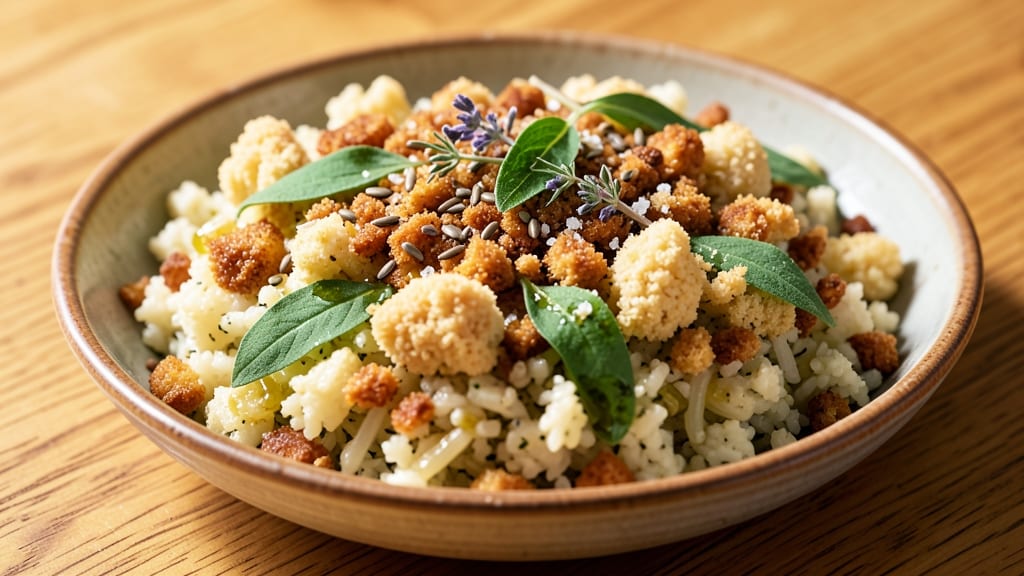
This cauliflower rice stuffing recipe delivers all the comforting texture of traditional stuffing—crispy edges and tender centers—while keeping it light and adaptable for any dietary need. The secret lies in properly prepping the cauliflower rice and balancing it with herbs, aromatics, and a binder that won’t weigh it down.
I’ve perfected this version over years of holiday cooking, ensuring it holds up whether served alongside roasted turkey or as a standalone side.
What sets this apart is its versatility: use breadcrumbs for classic texture, almond flour for gluten-free, or flaxseed for vegan binding—all while maintaining that signature crispy exterior. The herb blend (sage, thyme, rosemary) infuses warmth without overpowering, and a light toast in the oven locks in those golden edges.
Perfect for meal prep or last-minute gatherings, this stuffing proves low-carb can still be deeply satisfying.
Ingredients for cauliflower rice stuffing
These carefully chosen ingredients create a stuffing with crispy edges and herb-infused warmth—perfect for dietary flexibility.
| Ingredient | Amount | Notes |
|---|---|---|
| Fresh Cauliflower Rice 🥬 | 4 cups | Riced from head or pre-riced |
| Gluten-Free Breadcrumbs 🍞 | ¾ cup | Panko-style preferred for crispiness |
| Almond Flour 🌰 | ½ cup | Gluten-free, finely ground |
| Ground Flaxseed 🌾 | 2 tbsp | Mixed with 6 tbsp water for binder |
| Fresh Sage Leaves 🌿 | ½ cup | Chopped finely for maximum flavor |
| Fresh Thyme Leaves 🌿 | 1 tbsp | Or 1 tsp dried thyme |
| Yellow Onion 🧅 | ½ cup | Finely diced, small dice preferred |
| Garlic Cloves 🧄 | 4 cloves | Minced finely for even distribution |
| Celery Stalks 🥬 | 2 whole | Diced finely, classic mirepoix |
| Unsalted Butter 🧈 | 3 tbsp | Melted for moisture and richness |
| Vegetable Broth 💧 | 1 ½ cups | Low-sodium preferred for balance |
| Fresh Rosemary 🌿 | 1 tbsp | Chopped finely, stems removed |
| Kosher Salt 🧂 | 1 ½ tsp | Diamond Crystal preferred |
| Ground Black Pepper 🌶️ | ½ tsp | Freshly ground for best flavor |
The cauliflower rice forms the base, and its texture depends entirely on proper preparation. Freshly riced cauliflower yields the best results—pre-riced bags work but lack that fresh crunch. For the herbs, Whole Foods or local farmers markets offer the freshest sage, thyme, and rosemary, but even grocery store varieties will work if they're vibrant and free of wilting. The almond flour and gluten-free breadcrumbs provide that signature crispy texture without gluten, while the flaxseed binder ensures everything holds together without heaviness. If you can't find gluten-free breadcrumbs, regular panko toasted in the oven makes an excellent substitute.
No almond flour? Ground walnuts or cashews work beautifully, though the texture will be slightly denser. Short on fresh herbs? Dried herbs at one-third the amount suffice, but fresh delivers that aromatic punch. The vegetable broth can be swapped for white wine or chicken broth, though the latter isn't vegetarian. For extra richness, add 1 tbsp nutritional yeast—it mimics the umami of Parmesan without dairy. The onion, celery, and garlic form the aromatic base; if you're in a rush, pre-chopped mirepoix mixes from Trader Joe's save time without sacrificing flavor.
This stuffing reheats beautifully—350°F for 15-20 minutes until crispy again. Store leftovers in an airtight container for up to 5 days, though it's best enjoyed within 2 days for peak texture. For meal prep, portion into individual containers and reheat as needed. The flaxseed binder works best when mixed fresh, but you can prepare the dry ingredients ahead and combine just before baking. Freezing isn't recommended due to texture changes, but you can freeze the dry mix for up to 3 months if needed.
Why You'll Love This Recipe
- No Chopping Nightmare: I pulse cauliflower in my food processor—done. No knife skills required, no sad, uneven rice. The flaxseed mix binds it all together like magic, so it holds shape even when stuffed into turkey or baked solo.
- Sage & Crispy Magic: That first bite? Crispy edges from the almond flour and breadcrumbs, soft center, and sage so fresh it tastes like fall in a bowl. Honestly, it’s the kind of stuffing that makes vegetarians ask for seconds before the meal even starts.
- Stuffs Anything: Turkey? Roast chicken? Even a baked potato—this works. I’ve used it for holiday dinners, lazy weeknight suppers, and even as a side for grilled salmon. The flaxseed keeps it sturdy enough to stand up to anything.
- Leftovers That Don’t Suck: Most stuffing turns to mush the next day, but this? Still holds its shape, still tastes amazing reheated. I make a double batch, freeze half, and pull it out for sandwiches or a quick breakfast scramble. Zero waste, all flavor.
Step-by-step instructions for cauliflower rice stuffing
Here's how to achieve that perfect balance of crispy edges and herb-infused warmth in your gluten-free stuffing.
Prepare the Herb and Vegetable Base
Melt the 3 tablespoons unsalted butter in a large skillet over medium heat. Add the 0.5 cup finely diced yellow onion, 2 whole celery stalks diced, and 4 cloves minced garlic, cooking for 5-6 minutes until the vegetables soften and become translucent. This foundational step builds flavor through the Maillard reaction—don't rush it.
Stir in the 0.5 cup finely chopped fresh sage leaves and 1 tablespoon finely chopped fresh thyme leaves, cooking for another 2 minutes until fragrant. Remove from heat and set aside. The herbs should be just warm enough to release their essential oils but not browned. This aromatic base will infuse the entire stuffing with its signature herbal depth.
Create the Binding Mixture
In a small bowl, combine the 2 tablespoons ground flaxseed with 6 tablespoons water and let it sit for 5 minutes to form a gel-like binder. This flaxseed mixture replaces eggs while maintaining the stuffing's moist texture. Meanwhile, in a separate bowl, whisk together the 0.5 cup almond flour with the 1.5 teaspoons kosher salt and 0.5 teaspoon ground black pepper.
Add the flaxseed gel to the almond flour mixture and stir until fully incorporated. The texture should be slightly sticky but workable. This gluten-free binder system ensures your stuffing holds together without becoming gummy or dry. The almond flour also adds a subtle nutty complexity that complements the herbs beautifully.
Combine All Ingredients
In a large mixing bowl, gently combine the 4 cups fresh cauliflower rice with the herb-vegetable mixture from Step 1. Add the flaxseed-almond flour binder along with the 0.75 cup gluten-free breadcrumbs (preferably panko-style for maximum crispiness). The cauliflower rice should be evenly distributed throughout the mixture, absorbing all the flavors.
Pour in the 1.5 cups vegetable broth and the 1 tablespoon finely chopped fresh rosemary, then fold everything together with a spatula. You want to mix just until combined—overmixing will create a dense, compact stuffing. The texture should be moist but not soupy, with the cauliflower rice retaining its individual grains.
Bake to Crispy Perfection
Preheat your oven to 375°F. Transfer the stuffing mixture to a greased 9x13-inch baking dish and spread it evenly. For extra crispy edges, press down gently on the top surface with a spatula. Bake uncovered for 30-35 minutes until the edges are deep golden brown and the internal temperature reaches 165°F.
Here's the key: If the top begins to brown too quickly, tent loosely with foil to prevent burning while allowing the edges to crisp. The stuffing should be heated through but still retain a slight bite in the center. Remove from the oven and let it rest for 5 minutes before serving—this allows the flavors to meld and the texture to set properly.
Serve with Herb Garnish
Before serving, sprinkle an additional 1 tablespoon finely chopped fresh rosemary and 1 tablespoon fresh thyme leaves over the top for both visual appeal and extra herbal notes. The contrast of crispy edges with the tender, herb-infused center creates the perfect texture profile. Serve immediately while warm, as the stuffing continues to crisp slightly as it cools.
This method delivers that restaurant-quality stuffing you crave—crispy enough to satisfy but moist enough to hold together. The gluten-free adaptations work seamlessly, and the herb-forward flavor profile makes it a standout side dish for any occasion.
Pro Tips For Making Cauliflower Rice Stuffing
- Sauté Sage First: Toss the fresh sage leaves in a dry pan over medium heat for 20 seconds until they just start to curl—this releases their aroma before they turn bitter. I used to add them raw, and the flavor always felt muted; now it’s the first thing I notice when I take a bite.
- Toast Breadcrumbs Low: Spread gluten-free breadcrumbs in a single layer on a baking sheet and toast at 300°F (not higher) for 8–10 minutes until golden, stirring once. High heat burns them before they crisp; low and slow guarantees that nutty, toasty base without turning them to ash.
- Mix Flaxseed Wet: Combine ground flaxseed with water before adding it to the cauliflower rice—let it sit for 5 minutes to form a gel-like binder. I learned this the hard way when my stuffing crumbled like wet sand; now it holds together like a proper binding agent.
- Pre-Cook Cauliflower Rice: Sauté the cauliflower rice in a dry pan for 3–4 minutes until it releases moisture and just wilts—this prevents a soggy stuffing later. Skip this, and your texture will turn mushy no matter how much breadcrumb you add. (Yes, even if you’re impatient like me.)
Dietary considerations for this dish
Gluten-Free Adaptations
This stuffing uses gluten-free breadcrumbs and almond flour as the base, ensuring it’s safe for those avoiding gluten. The panko-style breadcrumbs provide that signature crispy texture, while almond flour adds a subtle nutty depth.
If you can’t find gluten-free breadcrumbs, toast regular panko in the oven for 5 minutes at 350°F—it works just as well. 🌰
Vegan Binding Solutions
The flaxseed binder (2 tbsp ground flaxseed + 6 tbsp water) replaces eggs perfectly, creating a moist yet sturdy texture. For extra richness, stir in 1 tbsp nutritional yeast—it mimics the umami of Parmesan without dairy.
If flaxseed isn’t available, mashed chickpeas (¼ cup) or aquafaba (3 tbsp, whipped) are great alternatives. These binders ensure the stuffing holds together without heaviness.
Low-Carb Swaps
To keep this stuffing low-carb, skip traditional breadcrumbs entirely and use crushed pork rinds (½ cup) for crispiness. They add a savory crunch while keeping carbs under 5g per serving. For extra flavor, toast the pork rinds in a dry skillet for 2 minutes until golden.
The almond flour and cauliflower rice already keep this dish keto-friendly, making it a perfect side for low-carb diets.
Allergen-Friendly Notes
This recipe is nut-free if you swap almond flour for sunflower seed flour or oat flour (certified gluten-free). For a soy-free version, avoid vegetable broth with soy additives—opt for homemade or low-sodium mushroom broth instead.
Always check labels on breadcrumbs and broth for hidden allergens like dairy or gluten. The flaxseed binder is also egg-free and dairy-free, making this stuffing versatile for multiple dietary needs.
Meal Prep Considerations
For meal prep, assemble the dry ingredients (cauliflower rice, herbs, breadcrumbs, and binder) in an airtight container and store for up to 3 months. When ready to cook, simply add the broth and bake.
If reheating, cover loosely with foil and bake at 350°F for 15-20 minutes until crispy again. The flaxseed binder works best fresh, but the dry mix stays stable for future use. 💡
Nutrition facts
Frequently asked questions
Why does my cauliflower rice stuffing turn out mushy instead of crispy?
Overmixing or insufficient baking time are the most common culprits. Mix just until combined—overworking breaks down the cauliflower rice's structure. Also, ensure your oven is fully preheated and bake uncovered for 30-35 minutes at 375°F, checking edges for deep golden browning. For extra crispiness, spread the stuffing in a thin layer in your baking dish.
Can I make this stuffing ahead of time?
Assemble the dry ingredients (cauliflower rice, herbs, breadcrumbs, and binder) in an airtight container and store for up to 3 months. When ready to cook, simply add the broth and bake. For reheating, cover loosely with foil and bake at 350°F for 15-20 minutes until crispy again. The flaxseed binder works best fresh, but the dry mix stays stable for future use.
What’s the best way to make cauliflower rice for stuffing?
Freshly riced cauliflower yields the best texture—use a box grater or food processor to create fine, even grains. For pre-riced bags, drain well and pat dry with a clean towel to remove excess moisture. Rinse the rice under cold water to remove any bitter residue, then drain thoroughly. Properly dried cauliflower rice absorbs flavors better and bakes up crispier.
Can I use this stuffing as a filling for baked potatoes or acorn squash?
Yes! This recipe works beautifully as a filling for baked potatoes or roasted acorn squash. Simply reduce the baking time to 20-25 minutes at 375°F when reheating, as the stuffing will be surrounded by other ingredients. For extra flavor, add a pinch of smoked paprika or garlic powder to the stuffing before baking. The herb-forward profile complements both sweet and savory dishes.
What’s the secret to keeping this stuffing moist?
The flaxseed binder and vegetable broth are key! The 2 tbsp ground flaxseed mixed with 6 tbsp water creates a gel-like consistency that mimics eggs, while the broth adds moisture without making the stuffing soggy. For extra insurance, don’t overbake—remove it when the internal temperature reaches 165°F and the edges are golden. The stuffing will continue to crisp slightly as it cools.