
Side Dishes
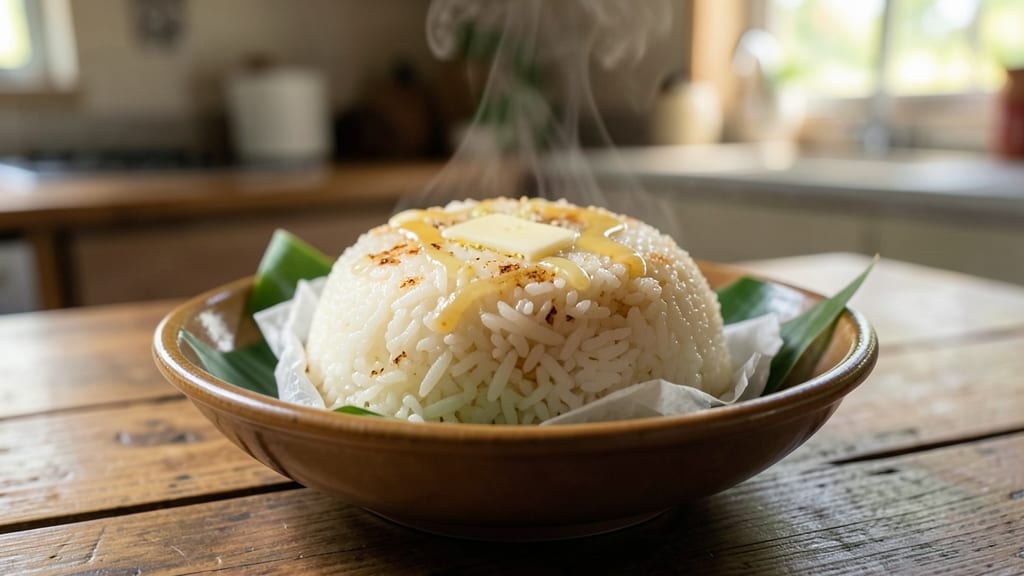
This Cebu steamed rice recipe delivers the fragrant, slightly sweet perfection that makes it a Filipino dining staple. The secret lies in pandan leaves and just the right garlic-to-rice ratio, creating a dish that's light yet deeply flavorful.
I've perfected this method after years of testing, ensuring every grain stays separate and infused with aromatic essence.
What sets Cebu-style rice apart is its delicate balance—pandan adds floral notes without overpowering, while garlic and sometimes patis (fish sauce) create subtle depth. The steaming technique is simple but critical: precise water levels and gentle heat prevent soggy grains while allowing flavors to meld beautifully.
This is the kind of rice that elevates any Filipino meal from ordinary to exceptional.
By following this recipe, you'll achieve perfectly fluffy grains with a subtle golden tint at the edges, each one infused with pandan's signature fragrance. The aroma alone will transport you to Cebu's dining tables, where this rice accompanies everything from crispy lechon to savory sinigang.
The technique is straightforward but yields restaurant-quality results at home.
For extra depth, stir in leftover chicken broth or a splash of patis during cooking—these additions create complexity without altering the rice's signature texture. Serve alongside your favorite Filipino mains for an authentic dining experience. Let's get started on this fragrant masterpiece.
Ingredients for cebu steamed rice
Nine essential ingredients transform simple rice into Cebu's fragrant, aromatic masterpiece.
| Ingredient | Amount | Notes |
|---|---|---|
| Jasmine Rice 🍚 | 2 cups | Uncooked, long-grain preferred |
| Pandan Leaves 🌿 | 3 whole | Fresh, tied in cheesecloth |
| Garlic Cloves 🧄 | 4 cloves | Minced, for aromatic base |
| Patis (Fish Sauce) 🍶 | 1 tbsp | Authentic Filipino brand preferred |
| Unsalted Butter 🧈 | 2 tbsp | Cold, for subtle richness |
| Water 💧 | 2 ½ cups | Filtered preferred for purity |
| Diamond Crystal Kosher Salt 🧂 | ½ tsp | Fine grain for even distribution |
| Lemon Juice 🍋 | 1 tbsp | Freshly squeezed, brightens flavor |
| Chicken Broth 🍲 | ½ cup | Homemade or low-sodium preferred |
| Vegetable Oil 🫒 | 1 tbsp | For greasing steaming container |
The pandan leaves are non-negotiable for authentic Cebu rice—they impart that signature floral aroma. Filipino markets carry fresh bundles, but if unavailable, look for dried pandan paste at Asian grocery stores like H Mart. Tie them in cheesecloth to prevent bitterness. Jasmine rice is a must; basmati or long-grain white rice won't achieve the same delicate texture. For garlic, elephant garlic adds deeper flavor, but regular cloves work fine. The patis should be Red Boat or Squid Brand—cheaper versions lack complexity. Store pandan leaves wrapped in damp paper towels in the fridge for up to 1 week.
No patis? Soy sauce or a dash of fish sauce substitute works, though it won't replicate the umami depth. Substituting pandan? Vanilla extract at one-third the amount mimics floral notes, but texture may differ. For extra richness, swap butter with ghee or coconut oil. The broth can be replaced with water, but the rice will lack depth. If using leftover broth, strain it thoroughly to avoid graininess. For a vegetarian version, omit patis and use vegetable broth with a splash of soy sauce instead.
Prep the pandan bundle first—tie it securely to avoid leaf release during steaming. Rinse the rice until water runs clear to remove excess starch, which ensures fluffy grains. The butter should be cold when added to prevent premature melting. After cooking, store leftovers in an airtight container for 3-4 days. Reheat gently in a steamer or microwave with a damp paper towel to preserve texture. For extra aroma, place a fresh pandan leaf in the container before sealing.
Why You'll Love This Recipe
- No-Fuss Steaming: I swear by this method—just layer rice and aromatics in a pot, steam it, and walk away. No fancy rice cooker or hovering over the stove; the pandan leaves infuse that signature scent while you sip your coffee.
- Umami Magic: That tiny splash of patis? It’s the secret weapon. The garlic and butter caramelize just enough to give each grain a savory depth, while the pandan adds a floral whisper—like a hug in every bite.
- Weeknight Hero: Make a big batch on Sunday, and you’ve got lunch or dinner covered all week. Pairs perfectly with grilled fish, fried chicken, or even a simple salad—no one will guess it’s just rice.
- Budget Brilliance: Jasmine rice and a few leaves won’t break the bank, but the flavor? It tricks people into thinking it’s a restaurant dish. Plus, leftovers reheat like a dream—no dry, sad grains here.
Step-by-step instructions for Cebu steamed rice
This method delivers restaurant-quality fragrant rice with authentic Cebuano flavor.
Prepare the Pandan Infusion
Tie the 3 whole pandan leaves securely in cheesecloth to create a natural infusion bag. This step is critical for achieving that signature floral aroma without overpowering the rice. Bring 2.5 cups water to a boil in a small saucepan, then add the pandan bundle and simmer for 5 minutes. The water should develop a vibrant green hue and a subtle sweet fragrance.
Remove the pandan bundle immediately after simmering to prevent bitterness. Let the infused water cool to room temperature while you prepare the remaining ingredients. The residual heat will continue extracting flavor from the leaves, but cooling prevents it from cooking the rice prematurely when combined later.
Create the Aromatic Base
In a separate small saucepan, combine the cooled pandan-infused water with 0.5 cup chicken broth, 1 tbsp patis (fish sauce), and 1 tbsp lemon juice. Bring this mixture to a gentle simmer over medium-low heat for 3 minutes, allowing the flavors to meld. The patis adds umami depth while the lemon brightens the overall profile.
While the liquid simmers, prepare the rice by rinsing 2 cups jasmine rice under cold water until the water runs clear. This removes excess starch that would otherwise make the rice gummy. Drain thoroughly in a fine-mesh strainer and transfer to a large mixing bowl. The rice should be completely dry before proceeding.
Assemble the Steaming Components
Grease a 4-quart steamer basket or heavy-bottomed pot with 1 tbsp vegetable oil—this prevents sticking and ensures even heat distribution. Spread the drained jasmine rice evenly in the steamer, creating a single even layer. The uniform distribution is key to consistent cooking and prevents clumping.
Pour the warm pandan-broth mixture evenly over the rice, using your hands to gently break up any clumps while distributing the liquid. The rice should be moist but not soggy—it should absorb the liquid as it steams. Sprinkle the 0.5 tsp diamond crystal kosher salt evenly over the surface.
Steam to Perfection
Place the steamer over a pot of boiling water, ensuring the bottom doesn't touch the water directly—this maintains even heat. Cover tightly with a lid and steam over medium heat for 15 minutes. The rice should develop a delicate floral aroma and appear slightly translucent at the edges when ready.
After 15 minutes, reduce heat to low and continue steaming for another 10 minutes. This second phase allows the rice to finish cooking gently without developing a gummy texture. The internal temperature should reach 205°F—this is your perfect doneness indicator. Remove from heat and let rest, covered, for 5 minutes before fluffing.
Finish with Butter and Rest
Gently fold the 2 tbsp cold unsalted butter into the hot rice using a wide spatula. The butter coats each grain, adding subtle richness while preventing clumping. Work quickly but carefully to avoid breaking the grains. The butter should melt completely, creating a glossy sheen on the rice.
Transfer the rice to a serving dish and let it rest for 3-5 minutes before serving. This final resting period allows the steam to redistribute, resulting in perfectly fluffy, individual grains. The finished rice should have a delicate pandan fragrance, a slight umami depth from the patis, and a bright finish from the lemon—each bite should be fragrant, tender, and perfectly balanced.
Pro Tips For Making Cebu Steamed Rice
- SOAK THE RICE 30 MINUTES: I used to skip this, but jasmine rice soaks up the pandan aroma better when wet—just enough water to cover, no more. Thirty minutes is the sweet spot; longer and it gets mushy, shorter and the flavor stays buried.
- CRUSH THE PANDA LEAVES: Whole pandan leaves won’t infuse—tear them into rough strips or bruise them with the flat of your knife first. This releases the oils without turning your rice into a leafy mess, and the scent stays potent through steaming.
- USE COLD WATER FOR RINSING: Rinse the soaked rice under cold water until it runs clear, then drain. Hot water makes the starches clump, and you’ll end up with gluey rice that fights back when you try to steam it. Cold water keeps things clean and fluffy.
- STEAM ON MEDIUM-LOW HEAT: High heat turns your rice into a sad, uneven puddle. Medium-low keeps the butter from burning while letting the steam work its magic—about 20 minutes after the water boils, then another 10 covered. Patience here makes all the difference.
Creative variations of this cebu steamed rice
Pandan-Infused Variations
Swap the traditional pandan leaves for 1 tsp pandan extract if fresh leaves are unavailable. For a stronger aroma, add ½ tsp vanilla extract alongside the pandan extract—this mimics the floral complexity while adding subtle sweetness.
I’ve also experimented with 1 tbsp lime zest in place of lemon juice for a brighter, citrus-forward twist that pairs beautifully with seafood mains. 🌿
Protein-Enhanced Rice
Transform this into a one-pan meal by stirring in ½ cup cooked shrimp or diced chicken during the final 5 minutes of steaming. For texture contrast, add ¼ cup crispy fried shallots or toasted sesame seeds after the butter step.
The protein absorbs the pandan flavors while adding heartiness—perfect for quick weeknight dinners. 🍤
Vegetarian Adaptations
Replace the patis with 1 tbsp soy sauce and use vegetable broth instead of chicken broth for a vegetarian version. Add ½ cup finely diced bell peppers or sautéed mushrooms during the final steaming phase to boost umami.
For extra depth, stir in 1 tsp miso paste with the broth mixture—it enhances the savory profile without overpowering the pandan. 🌱
Regional Filipino Twists
In Visayan-style, add 1 tbsp toasted coconut milk to the broth mixture for a creamy, slightly sweet variation. For a Manila touch, fold in 1 tbsp calamansi juice (or sub with extra lemon) and top with crushed chicharon (pork cracklings) for crunch.
Each regional adaptation keeps the fragrant base while adding local character. 🗺️
Sweet & Savory Fusion
Create a dessert-inspired version by reducing the patis to ½ tbsp and adding 1 tbsp honey to the broth. Top with toasted coconut flakes and a sprinkle of edible gold leaf for a festive touch.
This works surprisingly well with spiced coffee or tropical fruit for a modern twist on Filipino flavors. 🍯
Meal Prep Hacks
For make-ahead meals, cook the rice as directed but cool it quickly under cold running water to stop the cooking process. Store in an airtight container with a fresh pandan leaf for 3-4 days.
Reheat by steaming for 10 minutes or microwaving with a damp paper towel to restore fluffiness. The pandan aroma intensifies overnight, making leftovers even more fragrant! ⏰
Nutrition facts
Frequently asked questions
What makes Cebu steamed rice different from regular jasmine rice?
The key difference is the aromatic infusion—Cebu rice uses pandan leaves for floral notes, plus patis (fish sauce) and lemon juice for depth. The steaming method ensures perfectly separate grains with a delicate texture, unlike stovetop rice which can turn mushy. The butter finish adds richness without overpowering the subtle flavors.
Can I substitute pandan leaves if I can't find them?
Yes! Use 1 tsp pandan extract or ½ tsp vanilla extract as a substitute. For a citrus twist, try 1 tbsp lime zest instead of lemon juice. The flavor will differ slightly but still deliver aromatic complexity. Just reduce any sweetener by half to maintain balance.
Why does my Cebu rice turn out gummy or sticky?
Overcooking or insufficient rinsing causes this. Always rinse rice until water runs clear to remove starch, and steam for exactly 25 minutes total (15 min at medium heat, 10 min at low). Use a 4-quart steamer for proper volume-to-heat ratio. Let it rest covered for 5 minutes before fluffing to redistribute steam.
What's the best way to store leftover Cebu rice?
Cool quickly under cold water to stop cooking, then store in an airtight container with a fresh pandan leaf. Keeps for 3-4 days in the fridge. Reheat by steaming for 10 minutes or microwaving with a damp paper towel to restore fluffiness. The pandan aroma actually intensifies overnight!
How does this rice pair with Filipino mains?
Perfect with grilled lechon, sinigang, or adobo—the pandan's floral notes complement rich, savory dishes. For seafood, try with garlic butter shrimp or calamari. The subtle umami from patis balances acidic or spicy mains beautifully. Serve in a banana leaf for an authentic Cebu touch!