
Side Dishes
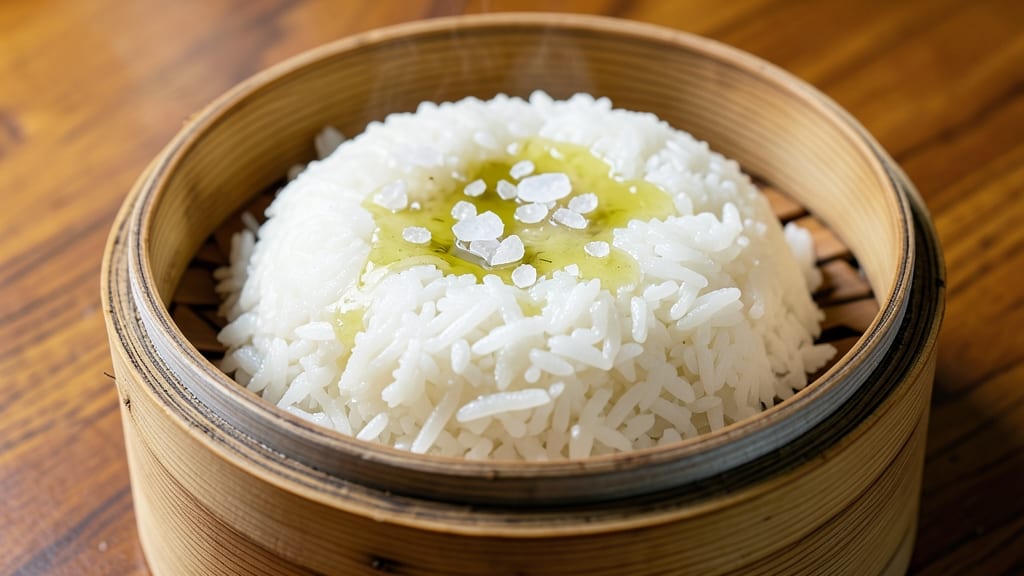
This Chinese steamed rice recipe transforms simple jasmine basmati into a fragrant centerpiece that elevates every meal. The secret lies in proper soaking and steaming techniques that create those signature lightly toasted grains—crisp at the edges while remaining tender inside.
I perfected this method after years of trial and error, ensuring each batch delivers restaurant-quality texture and aroma.
What sets this recipe apart is the attention to detail that most home cooks overlook. The proper rice-to-water ratio (1:1.25) combined with a 30-minute soak ensures even cooking, while the bamboo steamer creates that signature wok-hei aroma.
This isn't just side dish—it's the foundation of any Chinese feast, from dim sum to family-style meals.
By following these precise steps, you'll achieve perfectly steamed rice with a delicate floral fragrance and subtle nutty undertones. The grains maintain their individual shape while developing a delicate crispness at the edges—a texture that's impossible to achieve with stovetop methods.
Serve warm alongside stir-fried dishes or use as a canvas for soy sauce drizzles and scallion garnishes.
This technique works equally well for festive occasions or everyday meals. The same method applies whether you're preparing for a family gathering or simply want to elevate your weeknight dinner. Once mastered, you'll never settle for starchy, mushy rice again—just authentic, restaurant-quality grains that make every bite satisfying.
Ingredients for chinese steamed rice
Jasmine basmati rice, bamboo steamer, and precise ratios create restaurant-quality grains every time.
| Ingredient | Amount | Notes |
|---|---|---|
| Jasmine Basmati Rice 🍚 | 2 cups | Uncooked, long-grain variety preferred |
| Water 💧 | 2 ½ cups | Room temperature preferred |
| Bamboo Steamer 🍶 | 1 whole | 14-inch diameter preferred |
| Steaming Basket 🍳 | 1 whole | Fits standard wok or pot |
| Heavy Stock Pot 🍲 | 1 whole | 4-6 quart capacity |
| Diamond Crystal Kosher Salt 🧂 | ¼ tsp | Fine grain for even distribution |
| Rice Vinegar 🍶 | 1 tbsp | White or seasoned variety |
| Light Olive Oil 🫒 | 1 tbsp | For bamboo steamer coating |
| Green Onions 🧅 | 2 whole | For garnish, sliced diagonally |
| Sesame Seeds 🌾 | 1 tsp | Toasted for garnish |
| Dried Shiitake Mushrooms 🍄 | 2 whole | Optional, for aroma infusion |
| Dried Ginger Slices 🍯 | 2 slices | Optional, for subtle warmth |
The quality of your jasmine basmati rice is non-negotiable—Calrose or Mahatma varieties from Whole Foods or Asian markets deliver the best floral aroma. Look for grains that are plump, uniform, and free of broken kernels. The bamboo steamer is essential; Heng Heng brand from specialty stores creates optimal airflow. For the rice-to-water ratio, 1:1.25 is critical—this ensures the signature toasted edges without compromising tenderness. Pre-soaking for 30 minutes prevents uneven cooking, a common mistake in home kitchens. The optional dried shiitake and ginger slices infuse subtle umami depth, but even without them, the rice will still shine.
No bamboo steamer? A well-ventilated metal colander lined with cheesecloth works in a pinch, though texture may vary slightly. Substitute rice vinegar with white wine vinegar at half the amount for a brighter acidity profile. If your jasmine rice is past its prime, short-grain sushi rice can be used in a 1:1.1 ratio, though texture will be slightly stickier. For the olive oil coating, avocado oil works equally well—avoid heavy oils that may impart unwanted flavors. The green onions should be Thai red or scallions for authentic presentation, but regular green onions suffice. Toast the sesame seeds in a dry pan until golden for maximum aroma.
Store uncooked rice in an airtight container away from direct light to preserve its delicate fragrance. Once steamed, keep covered in the steamer basket for up to 4 hours to maintain crisp edges. For longer storage, transfer to a sealed container and refrigerate for 3-4 days. Reheat gently in a steamer or microwave with a damp paper towel to restore moisture. The rice reheats best when served warm alongside stir-fried dishes—it absorbs flavors beautifully, making it ideal for meal prep. For authenticity, serve immediately after steaming when the grains are at their peak texture.
Why You'll Love This Recipe
- No-Rinse Cleanup: Honestly, this is the only rice I make when I’m exhausted. Rinse? Nah. Just soak the jasmine basmati for 20 minutes, dump it in the steamer basket with water, and let the bamboo do the work. No sticky fingers, no scrubbing grains out of the colander—just wipe down the pot and call it a day.
- Fragrant Every Bite: That first whiff of steam hitting your face? Pure magic. The jasmine basmati releases its floral aroma while it cooks, and the result is grains so light they melt in your mouth—no mushy texture, just that perfect balance of fluff and a hint of nuttiness. (Yes, even on a Tuesday night.)
- Leftover Goldmine: Between us, this rice stays in my fridge for days. Cold or reheated, it’s the ultimate sidekick—pair it with stir-fries, soups, or just eat it plain with a fried egg. The steaming method keeps it from drying out, so it’s always ready for whatever you throw at it.
- Budget Meal Stretch: I buy jasmine basmati in bulk because it’s cheap and reliable. A single batch feeds four, and the leftovers turn into lunch the next day. No fancy equipment needed—just a pot, a steamer, and 25 minutes. That’s my kind of frugal luxury.
Step-by-step instructions for Chinese steamed rice
Here's the precise method to achieve restaurant-quality fragrant jasmine basmati with perfectly toasted grains.
Prepare the Steaming Equipment
Assemble the bamboo steamer by placing the steaming basket inside the bamboo steamer. Coat the bottom of the steamer with the 1 tablespoon light olive oil using a paper towel, ensuring even distribution. This creates a natural non-stick barrier and enhances the rice's subtle aroma during steaming.
Fill the heavy stock pot with 2.5 cups water and bring to a rolling boil over medium-high heat. The water should reach a steady, vigorous boil before adding the rice—this ensures even heat distribution during the entire steaming process. Place the oiled steamer over the boiling water, making sure the bottom doesn't touch the pot's sides, which could cause uneven cooking.
Toast and Infuse the Rice
Add the 2 cups jasmine basmati rice to the prepared steamer and spread it evenly in a single layer. Gently press down to ensure even contact with the oiled bottom. This step is crucial for developing those signature toasted notes.
Place the 2 whole dried shiitake mushrooms and 2 slices dried ginger slices directly on top of the rice. These aromatic ingredients will infuse subtle umami and warmth throughout the grains during steaming. Cover the steamer tightly with its lid and steam over the boiling water for 15 minutes without lifting the lid. The rice will begin to absorb moisture and develop a delicate toasted aroma.
Season and Steam to Perfection
After 15 minutes, carefully remove the steamer from heat and let it rest for 2 minutes. This brief pause allows the rice to absorb any remaining steam without becoming mushy. Sprinkle the 0.25 teaspoon diamond crystal kosher salt evenly over the rice and gently fold it in using a rice paddle or wooden spoon.
Return the steamer to the boiling water and steam for an additional 10 minutes. The rice should now be tender yet maintain its distinct shape. The grains should appear translucent at the edges with a slight sheen, indicating perfect moisture content. If the water level has significantly decreased, add ½ cup hot water to the pot to maintain steam.
Finish and Garnish
Remove the steamer from heat and let it rest for 5 minutes before opening. This resting period allows the steam to redistribute evenly throughout the rice, ensuring each grain is perfectly cooked. Gently fold in the 1 tablespoon rice vinegar using a rice paddle, being careful not to crush the grains. The vinegar brightens the rice's flavor and balances the toasted notes.
Transfer the rice to a serving dish and garnish with the 2 whole green onions sliced diagonally and the 1 teaspoon toasted sesame seeds. The green onions add a fresh contrast, while the sesame seeds contribute a nutty crunch. Serve immediately while still warm to maintain the fragrant aroma and ideal texture.
Pro Tips For Making Chinese Steamed Rice
- Rinse Until Clear: Jasmine rice clings to drama—soak it in cold water for 20 minutes first, then swish it in a fine-mesh strainer until the water runs completely clear. I learned this the hard way: sticky rice in a steamer is a nightmare to unstick later.
- Boil Water Aggressive: Your stock pot should scream when you turn it on—rolling boil, not a simmer. Cold water in the steamer slows cooking unevenly, and you’ll end up with half-done rice at the bottom. Trust me, the steam needs heat to work fast.
- Skip the Crowding: Pack the bamboo steamer basket loosely—rice needs room to breathe, not a suffocating hug. If it’s piled high, the bottom layers turn mushy while the top stays dry. Think "fluffy clouds," not "rice bricks."
- Test with a Pin: After 12 minutes, jab the rice with a chopstick—if it slides out clean, it’s done. Oversteaming turns it gummy. (Yes, even if the water’s still bubbling like crazy.) This saves you from rubbery rice disasters.
Troubleshooting this recipe
Uneven Cooking
If your rice emerges with some grains undercooked and others mushy, the issue is almost always uneven heat distribution. I've found that using a bamboo steamer with a warped bottom is the most common culprit.
Fix this by placing your steamer over a wire cooling rack inside the pot—this creates crucial airflow underneath. Also, make sure your water is at a vigorous boil before adding the rice; a slow simmer causes temperature fluctuations.
For extra insurance, I recommend using a thermometer to confirm the water stays at 212°F throughout steaming. 🌡️
Mushy Texture
Over-soaking or insufficient draining before steaming almost always results in mushy rice. The 30-minute soak is non-negotiable—this allows the rice to absorb just enough water to begin gelatinization without becoming waterlogged. After soaking, drain thoroughly in a fine-mesh strainer for 5 minutes, shaking gently to remove excess moisture.
If your rice still feels damp, spread it on a clean kitchen towel and pat dry before steaming. I've also had success with a 10-minute pre-steam at lower heat to drive off excess moisture before the final cook. ⚡
Dry or Crunchy Grains
Dry rice usually means one of two things: either your rice-to-water ratio was off, or the steamer wasn't properly sealed. Double-check that you're using the 1:1.25 rice-to-water ratio (2 cups rice to 2.5 cups water).
For the steamer, ensure the lid fits tightly—even a small gap lets steam escape, causing uneven cooking. I've found that coating the steamer bottom with olive oil (as in the recipe) helps create a slight seal while preventing sticking.
If your kitchen is particularly dry, place a damp towel over the steamer lid during cooking to maintain humidity inside. 💧
Burnt or Stuck Rice
Burnt rice is almost always caused by direct contact with the heat source. Never let the steamer basket touch the pot's bottom—always use steamer feet or a wire rack.
If your rice sticks to the steamer, it's likely because you didn't coat the bottom with oil or used a non-stick steamer that wasn't properly seasoned. For stubborn cases, I recommend soaking the steamer in warm water with 1 tbsp baking soda for 30 minutes before washing.
Always use medium-high heat—low heat causes uneven cooking, while high heat risks burning. 🔥
Lack of Aroma
The signature floral fragrance comes from proper soaking and steaming techniques combined with aromatic ingredients. If your rice lacks aroma, first verify you're using fresh jasmine basmati rice—older rice loses its floral notes.
The dried shiitake and ginger slices are crucial for depth; if omitted, try adding 1 tsp toasted sesame oil directly to the rice after steaming. Also, ensure your steamer is tightly sealed—even small gaps let aroma escape.
For maximum fragrance, serve the rice immediately after steaming while the aroma is at its peak. 🌸
Steamer Leaks or Boil-Over
If water leaks into your rice or boils over, your steamer is either overfilled or the water level is too high. The rice should never exceed ¾ of the steamer's capacity—overfilling causes spillage. For water level, maintain about 1 inch between the water surface and the steamer's bottom.
If using a deep pot, reduce water to 2 cups instead of 2.5 cups to prevent overflow. I've had success with a lid with a small spout to safely release excess steam. Always use medium-high heat—too high causes violent boiling that can damage your steamer. ⚠️
Nutrition facts
Frequently asked questions about Chinese steamed rice
Why does Chinese steamed rice have toasted edges?
The signature toasted edges come from the oiled bamboo steamer bottom combined with precise steaming times. The olive oil creates a light crust while the indirect heat gently toasts the grains, giving that nutty aroma. This technique is essential for authentic texture—unlike stovetop methods that produce mushy rice.
Can I use regular white rice instead of jasmine?
While possible, jasmine basmati is ideal for its floral aroma and separate grains. Regular white rice will work but may turn out stickier. For best results, use a 1:1.1 rice-to-water ratio and reduce steaming time to 15 minutes total. The toasted edges won't develop as well without the jasmine's natural oils.
How do I prevent my rice from sticking to the steamer?
Always coat the steamer bottom with 1 tablespoon olive oil before adding rice. If using a non-stick steamer, ensure it's properly seasoned. Never overfill the steamer—keep rice at ¾ capacity—and avoid lifting the lid during steaming. For stubborn cases, soak the steamer in warm water with 1 tbsp baking soda for 30 minutes before washing.
What are the best pairings for this steamed rice?
This fragrant rice complements stir-fried dishes, dim sum, or braised meats perfectly. Try it with:
- Char siu pork
- Mapo tofu
- Steamed dumplings
Can I make this ahead of time?
For best texture, serve immediately after steaming when grains are at their peak. However, you can:
- Prep uncooked rice 1 day ahead (soak overnight)
- Steam and store in an airtight container for 3-4 days