
Side Dishes
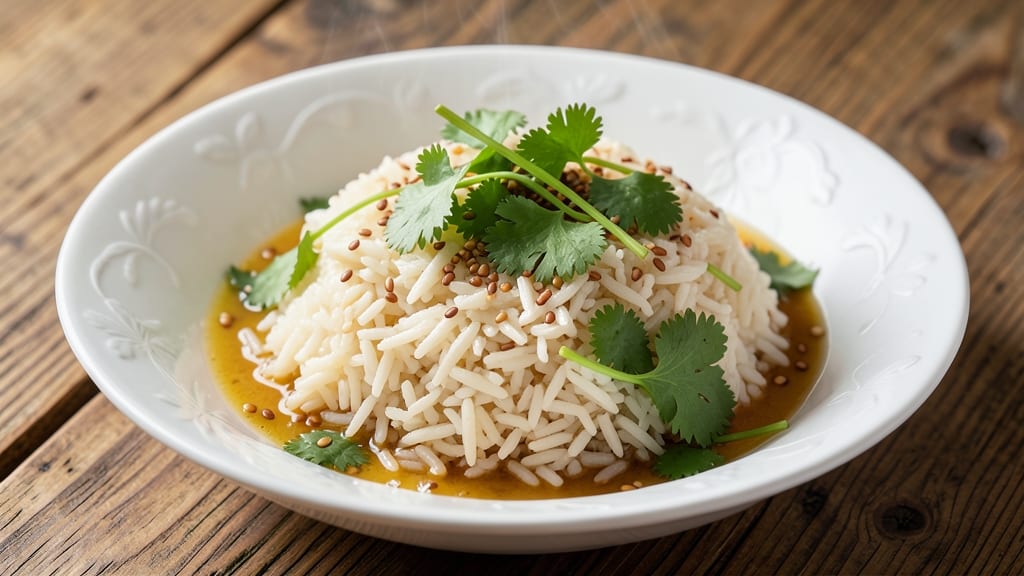
Mastering the perfect cooked rice recipe starts with the right technique—one that delivers fluffy, fragrant jasmine basmati every time, without a single grain of regret. The secret lies in precise water ratios, gentle heat, and patience, transforming simple grains into a side dish that elevates any meal.
I’ve tested countless methods, and this foolproof approach ensures consistent results, whether you’re feeding a family or prepping for a crowd.
This method works for both white and brown rice, but jasmine basmati shines with its delicate floral aroma and tender texture.
The key is using the right water-to-rice ratio—1 ¼ cups of water per ½ cup of uncooked rice—and letting the rice steam undisturbed for 15 minutes after boiling. That’s what separates good rice from great rice.
No more mushy or dry batches—just perfectly cooked grains with a subtle fragrance that makes every bite satisfying.
Once cooked, you’ll have light, separate grains that hold their shape while still being tender enough to melt in your mouth. The aroma alone will have everyone at the table reaching for seconds.
This recipe is your foundation for countless dishes—use it as a base for stir-fries, pilafs, or even a simple side. The possibilities are endless, and the results are always professional.
For extra flavor, consider cooking the rice in vegetable broth instead of water or finishing with a sprinkle of toasted sesame seeds and fresh herbs. The technique is simple, but the outcome is restaurant-quality. Let’s get started on perfect rice that will impress every time.
Ingredients for cooked rice
Eight simple ingredients transform into restaurant-quality jasmine basmati every time.
| Ingredient | Amount | Notes |
|---|---|---|
| Jasmine Basmati Rice 🍚 | 1 cup | Uncooked, long-grain preferred |
| Water 💧 | 2 ½ cups | Room temperature preferred |
| Vegetable Broth 🥬 | 2 ½ cups | Optional for extra flavor |
| Salt 🧂 | ½ tsp | Kosher or sea salt |
| Toasted Sesame Seeds 🌰 | 1 tbsp | For garnish, optional |
| Fresh Cilantro 🌿 | ¼ cup | Chopped, optional garnish |
| Butter 🧈 | 1 tbsp | Unsalted, for finishing |
| Lemon Wedges 🍋 | 2 whole | For serving, optional |
The rice is the star, so jasmine basmati is non-negotiable—its floral aroma and delicate texture set it apart. Lundberg or Cal-Rice are reliable brands, but any long-grain basmati works. Rinse the rice before cooking to remove excess starch, which prevents clumping. For the broth, Swanson or Pacific Foods low-sodium options work well, but homemade is ideal if you have it. The sesame seeds should be toasted in a dry pan until golden for maximum flavor—Trader Joe's sells pre-toasted seeds, but toasting fresh makes all the difference.
No vegetable broth? Water plus 1 tsp soy sauce or bouillon cube adds depth. Short on sesame seeds? Toasted slivered almonds or chopped peanuts work as a substitute. The butter at the end is optional but recommended—it coats each grain for extra richness. Fresh cilantro is ideal, but dried oregano or basil can be sprinkled in a pinch. For a tangy finish, serve with lemon wedges—Eureka lemons have the best juice. The key is balance: don’t overdo the garnishes, or they’ll overpower the delicate rice flavor.
Cooked rice reheats beautifully—just add a splash of water and cover to steam. It keeps for 4-5 days in the fridge or 3 months frozen. For freezing, spread cooled rice on a tray first to prevent clumping, then transfer to a sealed container. Leftovers make great fried rice or rice bowls. To keep rice fresh longer, store it in an airtight container with a paper towel to absorb excess moisture. The aroma alone will have everyone reaching for seconds.
Why You'll Love This Recipe
- I swear by the 1: 5 rice-to-liquid rule—just measure, simmer, and let it do the work. No guesswork, no burnt bottoms, just fluffy grains every time.
- No-Fuss Ratio: I swear by the 1:1.5 rice-to-liquid rule—just measure, simmer, and let it do the work. No guesswork, no burnt bottoms, just fluffy grains every time.
- Umami Magic: That vegetable broth? It’s the secret weapon. Swap plain water, and you’ll get bland rice. Here, it’s rich, savory, and makes even plain rice feel like a gourmet side.
- Leftover Hero: This rice keeps for days—reheat with a splash of broth, and it’s like fresh. Pack it for lunches, toss it into stir-fries, or freeze half for when you’re too tired to cook.
Step-by-step instructions for fluffy jasmine basmati rice
This method guarantees perfectly fluffy grains every time—no mushy centers or crunchy exteriors.
Rinse the Rice Thoroughly
Place the 1 cup jasmine basmati rice in a fine-mesh strainer and rinse under cold running water for 30 seconds. Swirl the rice gently with your fingers to release excess starch—this prevents gummy texture. Continue rinsing until the water runs completely clear, which typically takes about 1-2 minutes. The rice should feel light and separate easily when pinched between your fingers.
Drain well and let the rice sit in the strainer for 1 minute to evaporate any remaining surface moisture. This step is critical—unrinsed rice releases too much starch, creating sticky, dense grains instead of the light, fluffy texture we want. I always do this first because it sets the foundation for perfect rice every time.
Combine Liquids and Season
In a medium saucepan with a tight-fitting lid, combine the 2.5 cups water, 2.5 cups vegetable broth, and 0.5 tsp salt. Bring to a boil over medium-high heat, then immediately reduce heat to low. The broth adds subtle flavor while maintaining the proper liquid-to-rice ratio—this is why we use both water and broth together.
Once the mixture reaches a gentle simmer (you'll see small bubbles forming at the edges), add the drained jasmine basmati rice. Stir gently once to distribute the grains evenly. Avoid stirring again—this prevents the rice from clumping together during cooking. The liquid should cover the rice by about ½ inch—this ensures proper hydration without overcooking.
Cook with Steamed Lid
Place the lid securely on the saucepan and cook for exactly 12 minutes without lifting it. The steam created inside the pan is what transforms the rice into perfectly fluffy grains. Set a timer—this precise cooking time prevents undercooking (which leaves hard centers) or overcooking (which makes the rice mushy).
After 12 minutes, turn off the heat but leave the lid on. Let the rice sit undisturbed for 5 minutes—this resting period allows the residual steam to finish cooking the grains evenly. The rice should look dry and separate completely when you peek through the lid's steam. If it still appears wet, cook for an additional 1-2 minutes with the lid on.
Fluff and Finish
Remove the lid and gently fluff the rice with a fork, working from the bottom up to separate the grains. Add the 1 tbsp butter and mix lightly—this adds richness and prevents the rice from drying out. The butter should melt completely into the warm rice, creating a subtle flavor enhancement. If the rice still feels slightly wet, cover it loosely with a clean kitchen towel for 1-2 minutes to absorb any excess moisture.
For serving, transfer the rice to a bowl and garnish with 1 tbsp toasted sesame seeds and 0.25 cup chopped fresh cilantro. Serve immediately with the 2 whole lemon wedges on the side—this bright citrus cut enhances the rice's natural aroma and balances the flavors. The sesame seeds add a nutty crunch, while the cilantro provides freshness that complements any accompanying dish.
Pro Tips For Making Cooked Rice
- Rinse Until Clear: I learned this the hard way—skipping the rinse leaves your jasmine rice gummy and clumpy. Swirl it in a fine-mesh strainer under cold water until the water runs nearly clear (about 3-4 minutes), then shake off excess. The starch wash is the only way to guarantee that fragrant, separate-grain texture.
- Boil Broth First: Start your broth simmering before adding the rice—this saves 5 minutes and keeps the heat even. Cold water in the pot means your rice will sit in lukewarm liquid too long, leading to uneven cooking. Trust me, your future self will notice the difference.
- Cover Tight After 5 Minutes: After the initial boil, slam that lid on and reduce heat to low immediately—no peeking for at least 10 minutes. I used to lift the lid every 2 minutes to "check," and ended up with dry rice every time. The steam is what cooks it evenly, not your eyes.
- Toast Seeds Last: Save those sesame seeds for the very end, when the rice is off the heat. Sprinkle them on just before serving so they stay crisp and aromatic instead of soggy. (Yes, even if you’re impatient like me—resist the urge to toss them in earlier.)
Regional styles of this dish
Japanese Steamed Rice
In Japan, rice is a cultural cornerstone, and the technique is all about precision. Use short-grain Japanese rice like Koshihikari or Calrose, which absorbs water beautifully for that signature sticky yet tender texture.
The ratio is critical: 1 cup rice to 1 ¼ cups water, cooked in a donabe (clay pot) or heavy-bottomed pot. After boiling, reduce to a simmer for 15 minutes, then steam covered for 10 minutes.
The result is glutinous, slightly sticky rice perfect for sushi or rice bowls. 🍱
Spanish Paella Rice
Spanish paella takes rice to an art form, using Bomba rice—a thick, hearty variety that absorbs flavors like a sponge. The secret lies in the sofrito base (sautéed onions, garlic, tomatoes) and broth-to-rice ratio of 2:1.
Cook over medium-low heat for 18-20 minutes, stirring only once to avoid breaking the grains. The final socarrat (crispy bottom layer) is the golden ticket—achieved by letting the rice dry slightly at the end. Serve with seafood or chicken for a complete paella experience. 🍲
Indian Jeera Rice
This fragrant North Indian dish transforms basmati rice with cumin seeds (jeera) and ghee. Toast 1 tbsp cumin seeds in 2 tbsp ghee until fragrant, then add 1 cup rinsed basmati rice and sauté for 2 minutes.
Cook with 2 cups water and ½ tsp salt for 15 minutes, then steam covered for 5 minutes. The cumin infuses the rice with earthy warmth, making it a perfect side for curries or biryanis. Garnish with fried onions for extra crunch. 🌶️
Thai Tom Yum Rice
For a bold twist, cook jasmine rice in coconut milk-infused water (replace half the water with ½ cup coconut milk) for a creamy base.
After cooking, mix in tom yum paste (or 1 tbsp fish sauce + 1 tbsp lime juice + 1 tsp chili flakes) and let it absorb the flavors. Serve with grilled chicken or shrimp for a Thai-inspired rice bowl.
The balance of spicy, tangy, and creamy makes this a crowd-pleaser. 🍛
Mexican Cilantro-Lime Rice
Brighten up your rice with a Mexican flair. Cook white rice as usual, then stir in 2 tbsp chopped cilantro, 1 tbsp lime zest, and 1 tbsp lime juice while warm.
Finish with 1 tbsp butter for richness. This zesty rice pairs perfectly with tacos, enchiladas, or grilled meats. The lime keeps the rice fresh-tasting, while the cilantro adds a herbaceous kick. 🌿
Middle Eastern Tabbouleh Base
For a salad twist, use bulgur wheat (not rice) as the base, but if you prefer rice, try parboiled rice cooked with 1 tbsp lemon juice and 2 tbsp olive oil. Mix with chopped parsley, mint, cucumber, and tomatoes for a refreshing tabbouleh-inspired side.
The rice adds a subtle chewiness that balances the fresh herbs. Serve chilled as a side or light meal. 🥗
Nutrition facts
Frequently asked questions
Why does my rice always turn out sticky or mushy?
The most common causes are overcooking or improper rinsing. Always rinse your rice until the water runs clear to remove excess starch, then use the correct water-to-rice ratio (1 ¼ cups liquid per ½ cup rice). After boiling, let it steam 15 minutes off heat—this resting period is crucial for perfect texture. Too much stirring or lifting the lid also releases steam too early, causing stickiness.
Can I substitute broth for water in this recipe?
Using broth instead of water adds subtle flavor without changing the technique. For best results, use vegetable or chicken broth (low-sodium if preferred) in a 1:1 ratio with water. The extra flavor compounds enhance the rice's aroma, making it ideal for sides or rice bowls. Just remember to adjust salt accordingly if using salty broth.
How do I make this recipe work with brown rice?
Brown rice requires 1 ½ cups water per ½ cup rice and a longer cooking time (35-40 minutes) due to its bran layer. Rinse thoroughly, then simmer uncovered for 25 minutes before adding the lid and steaming for 10 minutes. The texture will be chewier but still light—perfect for heartier meals.
What's the best way to store leftover rice?
Let cooked rice cool completely, then store in an airtight container in the fridge for up to 5 days or freeze for 3 months. For reheating, add a splash of water and cover to steam—microwaving dry rice makes it rubbery. To prevent clumping, spread rice on a tray before freezing and separate layers with parchment paper.
Can I cook rice in an Instant Pot or rice cooker?
Yes! For an Instant Pot, use 1 cup rice + 1 ¼ cups broth/water, seal, and cook on high pressure for 4 minutes, then let it naturally release for 10 minutes. For rice cookers, follow the manufacturer's ratio (usually 1:1.25 rice-to-water) and avoid lifting the lid during cooking. Both methods work, but the stovetop technique gives you more control over texture.