
Side Dishes
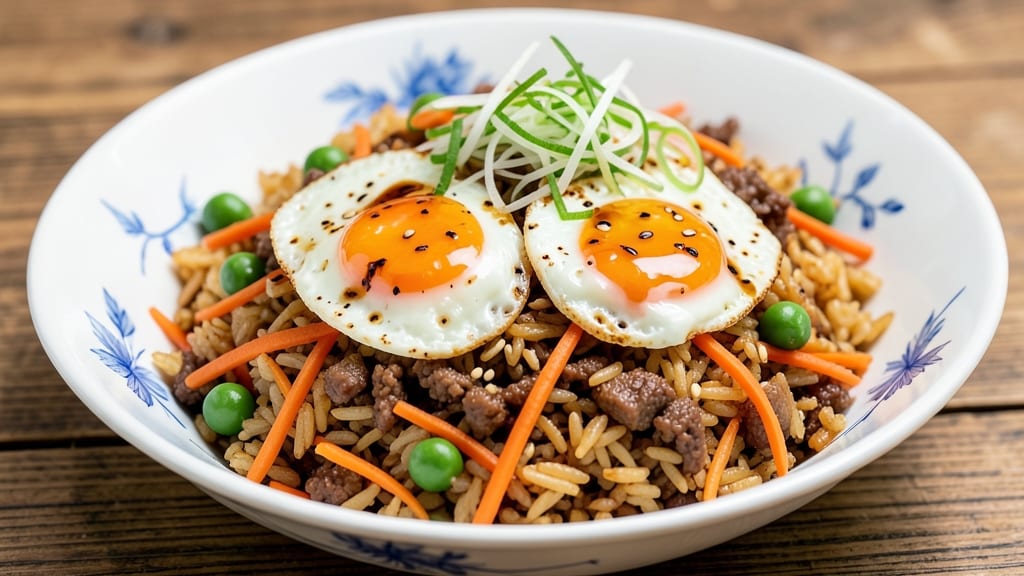
This copycat Chinese fried rice recipe delivers the same bold, wok-tossed flavor you crave from your favorite takeout spot—right in your own kitchen. The secret lies in day-old rice, high-heat searing, and precise timing to achieve that signature smoky aroma and perfectly tender texture.
After years of refining my technique, I’ve cracked the code for restaurant-quality results at home, using simple ingredients and a few pro-level tricks.
What sets this recipe apart is the balance of technique and adaptability—whether you’re using pre-cooked proteins or fresh vegetables, the method stays true to traditional Chinese cooking while fitting seamlessly into a home kitchen.
The key steps—stir-frying at high heat, seasoning with soy sauce and sesame oil, and finishing with a quick toss—ensure every bite is packed with flavor and texture. Ready to transform leftover rice into a restaurant-worthy dish?
Ingredients for copycat chinese fried rice
Day-old rice, fresh proteins, and bold sauces—this is the core of authentic takeout flavor.
| Ingredient | Amount | Notes |
|---|---|---|
| Day-Old Cooked White Rice 🍚 | 4 cups | Cold, preferably refrigerated overnight |
| Large Eggs 🥚 | 3 whole | Room temperature for even cooking |
| Ground Pork 🐖 | ¾ lb | 80% lean, finely chopped |
| Frozen Peas 🌱 | ½ cup | Thawed, or fresh peas |
| Carrots 🥕 | 1 whole | Julienned, medium size |
| Green Onions 🧅 | ½ cup | Sliced, white and green parts |
| Light Soy Sauce 🥄 | ¼ cup | High-quality, low-sodium preferred |
| Dark Soy Sauce 🥄 | 1 tbsp | For color and depth |
| Sesame Oil 🫒 | 1 tbsp | Toasted, for aroma |
| Oyster Sauce 🍜 | 1 tbsp | High-quality, like Lee Kum Kee |
| Garlic Cloves 🧄 | 4 cloves | Minced, fresh preferred |
| Ginger Root 🌿 | 1 tbsp | Fresh, grated |
| Vegetable Oil 🫒 | ¼ cup | High smoke point |
| White Pepper 🌶️ | ¼ tsp | Freshly ground |
| Sesame Seeds 🌰 | 1 tbsp | Toasted for garnish |
The rice is non-negotiable—day-old, cold rice achieves that signature wok-tossed texture. Cook extra rice the night before and refrigerate it uncovered to dry out slightly. For the pork, 80% lean ground pork ensures juiciness without excess fat. If you prefer chicken, use thigh meat for better moisture retention. Costco or local Asian markets often carry the best quality pork for stir-fries. The frozen peas should be thawed and drained well to avoid excess moisture in your dish. For the carrots, julienne them into thin, even strips—they should cook quickly in the wok.
No light soy sauce? Regular soy sauce at half the quantity works in a pinch, but the flavor won't be as refined. Dark soy sauce is essential for that rich, caramelized color—Lee Kum Kee is the gold standard. Substitute oyster sauce with hoisin sauce plus a pinch of salt, though the depth of flavor won't be identical. Fresh ginger and garlic are crucial; pre-minced jarred ginger loses potency. If you're using pre-cooked proteins like shrimp or chicken, pat them thoroughly dry before adding to the wok to prevent splattering. The sesame oil should be toasted—Kadoya or La Tourangelle brands are excellent choices for that authentic aroma.
Store any leftovers in an airtight container for up to 3 days in the refrigerator, though this dish reheats best when fresh. For freezing, portion into single servings and store for up to 3 months. Reheat gently in a skillet with a splash of water to restore moisture. The sesame seeds should be toasted fresh before serving—heat them in a dry pan for 30 seconds until fragrant. This dish is best enjoyed immediately after cooking, when the textures are at their peak and the aromas are most vibrant.
Why You'll Love This Recipe
- No Chopping Chaos: I use pre-cut frozen peas and shredded carrots—no knife skills required. Honestly, the only thing I dice is the pork, and that’s just a quick mince with my knife or even my fingers if I’m lazy.
- Crispy Eggs, Creamy Rice: That perfect scramble of eggs right into the rice? The edges stay crisp while the center melts—just like takeout. The pork adds a savory depth, and the peas? They’re the little flavor bombs that make it unforgettable.
- Lunchbox Hero: Pack it cold or reheat it hot—this rice holds up perfectly. I make a big batch on Sundays, and by Wednesday, I’m still grabbing it for work lunches. My kids even sneak it from their school lunches.
- Pantry Magic: Ground pork, eggs, and rice? That’s it. No fancy ingredients, just solid flavors. Between us, I’ve made this for $3 a serving, and it’s still the dish my picky eaters beg for. (Yes, even on a Tuesday night.)
Step-by-step instructions for copycat Chinese fried rice
Master this restaurant-style technique with precise timing and wok hei.
Prepare the Base Ingredients
Begin by julienning the 1 whole carrot into matchstick-sized strips—this size ensures even cooking and maximum texture contrast. Thin slices will soften too quickly while larger pieces may remain undercooked. Set aside the julienned carrots and thaw the 0.5 cup frozen peas by placing them in a colander under warm running water for 1 minute. This quick thaw preserves their shape better than microwave methods.
Slice the 0.5 cup green onions into 1-inch pieces, separating the white and green parts. The whites will cook faster, while the greens add freshness at the end. Minced the 4 cloves garlic cloves and grate the 1 tablespoon ginger root using a fine grater or microplane. Fresh ginger adds depth that powdered can't replicate—its bright, citrusy notes cut through the richness of the pork.
Cook the Pork and Aromatics
Heat a 14-inch wok or large skillet over high heat until it's smoking hot. Add 0.25 cup vegetable oil and swirl to coat the surface. Immediately add the 0.75 lb ground pork, breaking it up with a spatula as it hits the pan. Cook undisturbed for 1 minute until the pork begins to brown—this creates a flavorful crust that forms the foundation of the dish.
Add the minced garlic cloves and grated ginger root, stirring constantly for 30 seconds until fragrant. The garlic should sizzle audibly and turn golden without burning. If the pork releases too much fat, drain all but 1 tablespoon to maintain proper searing. This step develops the Maillard reaction, which transforms simple ingredients into complex, savory flavors.
Scramble the Eggs
Push the cooked pork mixture to one side of the wok, creating space for the eggs. Crack the 3 whole large eggs into a small bowl, then pour them into the empty section of the wok. Let them sit undisturbed for 5 seconds to set slightly before gently pushing them toward the pork with a spatula. Continue stirring in small circles until the eggs are soft curds—about 20 seconds total.
Remove the egg mixture from the wok and set aside temporarily. Here's the thing—overcooking the eggs turns them rubbery, while undercooked eggs create a pasty texture. You want them just set but still slightly moist, with visible curds throughout. This texture ensures each bite delivers that signature eggy richness without overwhelming the dish.
Combine All Ingredients
Return the pork-egg mixture to the wok and add the 4 cups day-old cooked white rice, breaking up any large clumps with your spatula. The rice should be cold from the refrigerator—this prevents mushiness as it rehydrates during cooking. Stir-fry for 1 minute to distribute the flavors evenly and begin drying out the rice slightly.
Add the julienned carrots, thawed frozen peas, and sliced green onions. Pour in the 0.25 cup light soy sauce, 1 tablespoon dark soy sauce, 1 tablespoon oyster sauce, and 0.25 teaspoon white pepper. Stir-fry vigorously for 2 minutes on high heat, using a wide spatula to toss the rice continuously. The dark soy sauce will give the rice its signature glossy appearance while adding depth of flavor.
Finish and Garnish
Drizzle in the 1 tablespoon sesame oil and toss everything together for 30 seconds until the rice is heated through and the aromatics are evenly distributed. The sesame oil should perfume the entire dish with its nutty aroma—this is the moment that matters. Taste and adjust seasoning if needed, adding a splash of water if the rice appears too dry.
Transfer the fried rice to a serving platter and garnish with the reserved 1 tablespoon sesame seeds. For presentation, arrange the green onion whites on top while keeping the greens separate for garnishing individual servings. Serve immediately while hot, as the texture and flavors continue to develop even after cooking. The rice should be slightly sticky but not mushy, with distinct pieces of pork, egg, and vegetables in every bite.
Pro Tips For Making Copycat Chinese Fried Rice
- STIR-FRY THE PEAS FIRST: I learned this the hard way—adding frozen peas straight to the pan with everything else means they’ll just thaw and get soggy. Toss them in a dry pan for 30 seconds with a pinch of salt before mixing in, so they’re hot and slightly softened by the time they hit the rice.
- USE COLD RICE: Day-old rice isn’t just a suggestion—it’s non-negotiable. Fresh rice turns to mush, no matter how hard you stir. If you’re short on time, spread freshly cooked rice on a tray and microwave it for 30 seconds to dry it out before using.
- SCRAMBLE EGGS SEPARATELY: I was skeptical until I tried it: cooking the eggs in a separate pan until just set (not overdone) and then breaking them into the rice at the end keeps them creamy and prevents them from turning rubbery. Plus, it’s easier to control the texture.
- CUT CARROTS SMALLER THAN YOU THINK: I used to slice them into ¼-inch strips, but they’d sit there like little bricks. Dice them into ⅛-inch cubes—they’ll cook faster, blend into the rice better, and actually soften instead of staying crunchy. (Yes, even if it looks weird.)
Health benefits of this copycat chinese fried rice
Balanced Protein Power
This fried rice packs a protein punch with 25-30 grams per serving from the eggs and pork combination. The eggs provide complete protein with all nine essential amino acids, while the pork offers iron and zinc.
I find using 80% lean ground pork gives the best texture and flavor without making the dish too greasy. For a vegetarian option, swap the pork for extra-firm tofu (pressed and cubed) or chickpeas for plant-based protein. 💪
Complex Carbs for Energy
The 4 cups of day-old rice in this recipe provides complex carbohydrates that fuel your body with sustained energy. Cold rice is ideal because it's firmer and absorbs flavors better than freshly cooked rice.
I recommend using jasmine or long-grain white rice for the best texture. The rice also contains small amounts of B vitamins and magnesium, which support metabolism and muscle function.
Rich in Vegetables
This dish sneaks in nutrients from the carrots, peas, and green onions, providing vitamins A, C, and K. The carrots contribute beta-carotene for eye health, while peas add fiber and folate.
I always use fresh or thawed frozen peas rather than canned—frozen peas retain more nutrients and have a better texture. The green onions add a fresh crunch and provide a good dose of vitamin K. 🥕
Healthy Fats for Flavor
The sesame oil and vegetable oil used in this recipe provide healthy fats that enhance flavor and aid nutrient absorption. Sesame oil contains heart-healthy monounsaturated fats and is rich in antioxidants. I recommend using toasted sesame oil for the best aroma—it's worth the extra $5-$7 for the authentic flavor.
The vegetable oil is just for cooking and shouldn't be consumed in large amounts.
Low-Calorie with Flavor
At about 350-400 calories per serving, this fried rice is surprisingly light considering its rich flavors. The secret is using high-quality sauces like light soy sauce and oyster sauce in moderation.
I measure my sauces precisely to avoid excess sodium—using low-sodium soy sauce can help if you're watching your salt intake. The dish is naturally gluten-free if you use tamari instead of soy sauce. 💡
Digestive Benefits
The combination of ginger and white pepper in this recipe aids digestion and reduces inflammation. Fresh ginger contains gingerol, which helps soothe the stomach, while white pepper adds warmth without the digestive irritation of black pepper.
I always grate my ginger fresh—pre-minced ginger loses its potency and effectiveness. The high heat cooking method also helps break down proteins, making them easier to digest. 🌿
Nutrition facts
Frequently asked questions
Why is day-old rice essential for authentic fried rice?
Day-old rice is crucial because it's firmer and absorbs flavors better than freshly cooked rice. Cold rice also prevents mushiness during stir-frying, giving you that signature wok-tossed texture. For best results, refrigerate cooked rice uncovered overnight to dry it out slightly.
Can I use freshly cooked rice instead of day-old?
While you can use freshly cooked rice, it will be softer and may turn mushy during cooking. To adapt, spread freshly cooked rice on a tray and refrigerate for 1-2 hours to firm it up. This mimics the texture of day-old rice better than using it straight from the pot.
What's the secret to getting that smoky wok hei flavor at home?
Wok hei (breath of the wok) comes from high heat and proper oil usage. Use a 14-inch wok or cast-iron skillet on maximum heat until smoking, then add just enough oil to coat the pan (1/4 cup). Stir-fry ingredients in batches to maintain heat and create those signature smoky aromas.
How do I prevent my fried rice from turning out dry or pasty?
Dry rice happens from overcooking, while pasty texture comes from undercooked eggs or too much moisture. Keep your wok at high heat and stir-fry for no more than 3-4 minutes total. For extra moisture, add 1-2 tablespoons water at the end if needed. The eggs should be soft curds, not fully scrambled.
What are good protein substitutes for pork?
Great alternatives include chicken thighs (for juiciness), shrimp (cook quickly), or extra-firm tofu (press and cube). For vegetarian options, use chickpeas or mushrooms for texture. Always pat proteins dry before cooking to prevent splattering and maintain crisp edges.