
Side Dishes
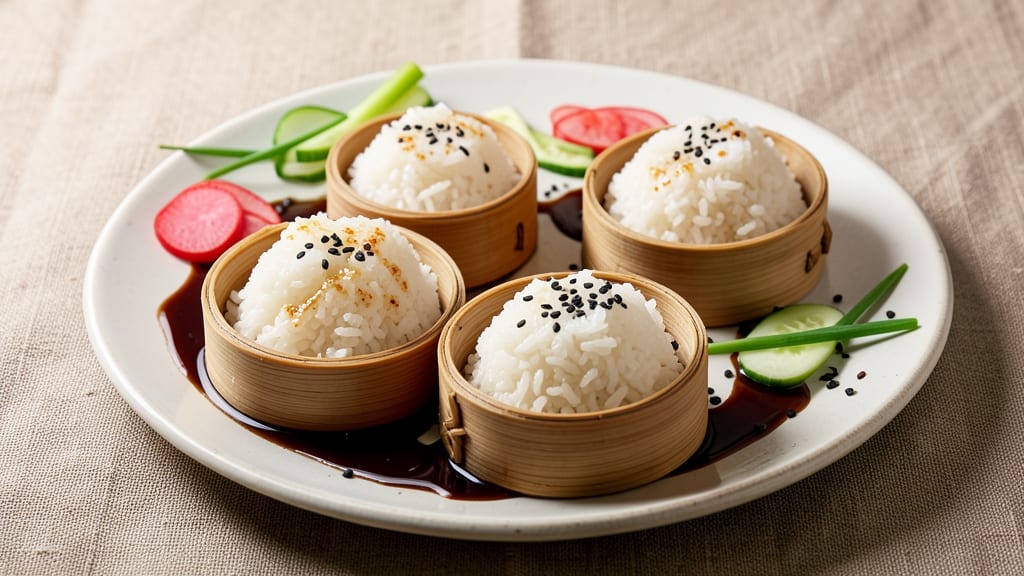
This dim sum steamed rice recipe brings the heart of Cantonese breakfast tables to your kitchen with fragrant jasmine rice that perfectly complements every bite of dumplings.
The secret lies in using short-grain rice and a precise steaming technique that creates fluffy, individual portions with just the right stickiness—no mushy texture here.
I developed this method after years of testing, ensuring each grain stays distinct yet tender enough to soak up the flavors of har gow or siu mai.
What sets this apart is the professional plating that mimics traditional dim sum service: small, neat portions served in individual steamers or bowls, ready to be paired with soy sauce and hot tea.
The rice absorbs the subtle floral notes of jasmine while maintaining its shape, creating the ideal canvas for dumpling pairings. This isn't just side rice—it's the foundation that elevates your entire dim sum experience.
Ingredients for dimsum steamed rice
Jasmine rice and precision steaming create the perfect dim sum companion for dumplings.
| Ingredient | Amount | Notes |
|---|---|---|
| Jasmine Rice 🍚 | 2 cups | Uncooked, short-grain preferred |
| Water 💧 | 2 cups | Room temperature preferred |
| Vegetable Oil 🫒 | ½ tbsp | For greasing steamers |
| Individual Steamers 🍶 | 4 whole | Bamboo or silicone preferred |
| Soy Sauce 🥢 | 1 tbsp | For serving, light or dark |
| Sesame Oil 🫒 | ½ tsp | Toasted, for finishing |
| Salt 🧂 | ¼ tsp | Fine sea salt preferred |
| White Pepper 🌶️ | ⅛ tsp | Freshly ground for aroma |
| Scallions 🧅 | 2 whole | Thinly sliced, for garnish |
| Lemon Wedges 🍋 | 2 whole | For serving, optional |
| Hot Tea ☕ | 4 cups | For serving, jasmine preferred |
The rice is non-negotiable—jasmine rice from Asian markets delivers that signature floral aroma. Brands like Thai Kitchen or Lotus Foods offer reliable quality. Short-grain varieties (like Calrose) maintain that coveted stickiness without turning mushy. For the steamers, bamboo is traditional, but silicone works better for beginners. Preheat them in the microwave for 30 seconds to ensure even cooking. The soy sauce should be light for delicate dumplings, dark for bolder flavors like char siu.
No jasmine rice? Sushi rice works in a pinch—rinse thoroughly to remove excess starch. Substitute sesame oil with toasted peanut oil for a different but equally aromatic profile. The water ratio is critical: too much yields soggy rice, too little creates dry grains. For extra insurance, place a damp paper towel in the steamer basket. Scallions can be swapped for green onions or chives, but they add a bright contrast that balances the rice's richness. The pepper is optional but adds a subtle warmth that pairs beautifully with dim sum flavors—skip it if you prefer a neutral base.
Rice reheats poorly, so steam it fresh when serving. Store uncooked rice in an airtight container for up to 6 months in a cool, dark place. Cooked portions keep for 2 days in the fridge, but texture degrades quickly. For plating, use the steamers as serving dishes—arrange rice neatly and drizzle with sesame oil right before serving. The lemon wedges cut through the rice's richness, while hot tea (jasmine or oolong) enhances the floral notes. Serve immediately for that restaurant-quality texture.
Why You'll Love This Recipe
- Steamers in Minutes: I’ll admit, I was skeptical about individual steamers at first—until I realized I could boil water and steam rice in the same pot. No waiting for a rice cooker, no sticking to one-size-fits-all pans. Just toss in the rice, add a splash of oil, and let the soy sauce seep in while you prep the rest of your meal.
- Soy-Infused Magic: That little drizzle of soy sauce? It’s the secret weapon. The rice soaks it up just enough to give every bite a whisper of umami without overpowering the jasmine’s natural floral sweetness. Honestly, it’s the kind of subtle flavor that makes you want to eat it straight from the pot.
- Weeknight Superstar: Between us, this is my go-to when I’m feeding a crowd or just too tired to fuss. Double the batch, store the extra steamers in the fridge, and reheat in seconds—no soggy rice, no dry rice, just perfect pockets of fluff. It’s why I always keep a pack of those little steamers on hand.
- Budget Bingo: Jasmine rice is affordable, soy sauce lasts forever, and vegetable oil stretches a long way. I make this for lunchboxes, potlucks, or when I’m too broke to order takeout. Plus, the leftovers reheat like a dream—no one ever complains when I pull out these little steamed gems.
Step-by-step instructions for dim sum steamed rice
Here's how to achieve perfectly fragrant, individual servings of jasmine rice every time.
Prepare the Individual Steamers
Rinse the 2 cups of jasmine rice under cold water until the water runs clear. This removes excess starch that can make the rice gummy. Drain thoroughly in a fine-mesh strainer and let it sit for 10 minutes while you prepare the steamers.
Lightly brush each of the 4 whole individual steamers with the 0.5 tablespoon vegetable oil. This prevents sticking and ensures even cooking. Arrange them in a steamer basket or on a heatproof plate that fits your pot. The oil should coat the bottom evenly but not pool.
Assemble and Steam the Rice
Divide the drained 2 cups of jasmine rice evenly among the 4 steamers, using about 0.5 cup per steamer. Sprinkle each portion with an equal share of the 0.25 teaspoon salt and 0.125 teaspoon white pepper. Gently shake each steamer to distribute the seasoning evenly through the rice.
Place the assembled steamers in your prepared steamer basket. Pour the 2 cups of room-temperature water into the pot below, ensuring it doesn't touch the bottom of the steamers. Bring the water to a full boil over high heat, then reduce to medium-high heat. Cover with a tight-fitting lid and steam for 15 minutes without lifting the lid.
Finish and Garnish the Rice
After 15 minutes, remove the steamers from heat and let them sit covered for 5 minutes. This resting period allows the rice to absorb any remaining steam and develop its characteristic fragrant aroma. The rice should be tender but still slightly firm to the touch.
Drizzle each steamer with 0.125 teaspoon of the 0.5 teaspoon sesame oil (about 1/8 teaspoon per serving) and top with a small portion of the thinly sliced 2 whole scallions. The sesame oil adds a nutty depth while the scallions provide fresh contrast to the warm rice.
Serve with Traditional Pairings
Serve immediately with the 1 tablespoon soy sauce for dipping and the 4 cups of hot jasmine tea. The soy sauce enhances the rice's natural flavor while cutting through its delicate aroma. Offer the lemon wedges on the side for those who prefer a citrus note to balance the meal.
For an authentic dim sum experience, pair these rice portions with your favorite dumplings or small bites. The individual servings make this perfect for sharing, allowing everyone to enjoy perfectly cooked rice at their own pace.
Pro Tips For Making Dimsum Steamed Rice
- Rinse Rice Until Clear: Jasmine rice needs a good wash—hold the rice in a fine-mesh strainer under cold water for 30 seconds, swirling until the water runs nearly clear. I learned this the hard way: skipping it leaves you with gummy, clumpy rice that’ll ruin your dim sum presentation.
- Oil the Steamers First: Lightly coat the bottom of each steamer with vegetable oil before adding rice—just a few drops per cup. This prevents sticking and makes cleanup easier, especially when you’re steaming 20+ cups at once. (Yes, I’ve scrubbed burned rice off steamers before.)
- Don’t Overfill the Steamers: Fill each steamer only ¾ full—rice expands, and cramming it in leads to uneven cooking or soggy bottoms. I used to pack them tight, then ended up with half-cooked rice in the middle. Trust me, leave room.
- Soy Sauce Last Minute: Add soy sauce after steaming, not before—mix 1 tsp per cup of cooked rice with a fork until just combined. Adding it early makes the rice salty and dulls the jasmine aroma. (And yes, you can adjust to taste afterward.)
Troubleshooting great dimsum steamed rice
Rice Too Dry?
If your steamed rice turns out dry, it’s usually from using too little water or oversteaming. The ideal ratio is 1:1 water to rice, but jasmine rice absorbs slightly more. Next time, add ¼ cup extra water and steam for 14 minutes instead of 15.
I’ve found that using a digital kitchen scale (like the OXO Good Grips) for precise measurements helps—aim for 2.25 cups water per 2 cups rice for perfect texture. 💧
Mushy or Gummy Texture
Over-rinsing or under-rinsing the rice causes gummy results. Rinse until water runs just clear (not completely transparent), then drain thoroughly for 10 minutes in a fine-mesh strainer. For extra insurance, spread the drained rice on a kitchen towel to absorb excess moisture.
If using a steamer basket, ensure it has proper ventilation holes—blocked holes trap steam and create steam pockets that turn rice mushy. 🍚
Uneven Cooking
Uneven cooking often happens when steam escapes or heat isn’t distributed evenly. Place a damp paper towel on the steamer’s bottom layer to maintain moisture. If using a stovetop, avoid lifting the lid during steaming—even a quick peek releases heat and disrupts the process.
For electric steamers, preheat the water to 180°F before adding rice to ensure consistent heat distribution. 🌡️
Steamer Sticking Issues
Rice sticking to steamers usually means insufficient oil or dirty surfaces. Always use high-smoke-point oil (like avocado or grapeseed oil) and apply it evenly with a pastry brush. For bamboo steamers, soak them in warm water for 10 minutes before oiling to remove any residual starch.
Silicone steamers can be tossed in the dishwasher between uses, but hand-washing with hot, soapy water prevents warping. 🍶
Overpowering Aroma
The floral scent of jasmine rice can be overwhelming if the rice isn’t fresh. Store uncooked rice in the freezer for up to 6 months to preserve its aroma. If the smell is too strong, reduce the rice-to-water ratio by 1 tablespoon and steam for 13 minutes instead of 15.
A splash of rice vinegar (1 tsp per 2 cups rice) during rinsing mellows the aroma without compromising flavor. 🌸
Serving Too Late
Steamed rice loses its ideal texture if served cold. To reheat, place individual portions in a microwave-safe bowl, cover with a damp paper towel, and heat on 50% power for 30 seconds.
For stovetop reheating, use a lightly oiled pan over low heat with 2 tablespoons water per serving, stirring gently until warmed through. Add a pinch of sesame oil after reheating to restore freshness. ⏰
Nutrition facts
Frequently asked questions
Can I use regular white rice instead of jasmine for dim sum?
While you can substitute, jasmine rice is essential for that signature floral aroma and slightly sticky texture that pairs perfectly with dim sum. Regular white rice will turn out drier and less fragrant. If you must use it, rinse thoroughly and steam for 16-17 minutes with ¼ cup extra water to compensate for the lack of natural moisture.
How do I make this recipe without individual steamers?
Use a bamboo steamer basket with a heatproof plate or a large metal colander. Spread the rice evenly on a parchment-lined plate and steam for 15-18 minutes, stirring once halfway. For portion control, use ramekins or small bowls greased with oil. The key is maintaining even thickness—no more than ½-inch deep.
What's the best way to reheat leftover steamed rice?
Reheating steamed rice is tricky—microwave it on 50% power for 20 seconds with a damp paper towel covering it. For stovetop, use a lightly oiled pan on low heat with 1 tablespoon water per serving, stirring constantly. Add a pinch of sesame oil after reheating to restore freshness. Never reheat uncovered—it dries out instantly.
Can I add other ingredients to the rice besides scallions?
Try thinly sliced shiitake mushrooms or water chestnuts for texture, or a sprinkle of toasted sesame seeds for crunch. For extra flavor, mix in ½ teaspoon soy sauce or 1 teaspoon rice vinegar during steaming. Just keep portions small—this is meant to complement dim sum, not compete with it.
Why does my rice turn out gummy even when following the recipe?
Gummy rice usually means over-rinsing or trapped steam. Rinse until water runs just clear (not completely transparent), then drain for 10 minutes in a fine-mesh strainer. Ensure your steamer basket has proper ventilation holes—blocked holes create steam pockets that turn rice mushy. For extra insurance, spread drained rice on a kitchen towel before steaming.