
Main Courses
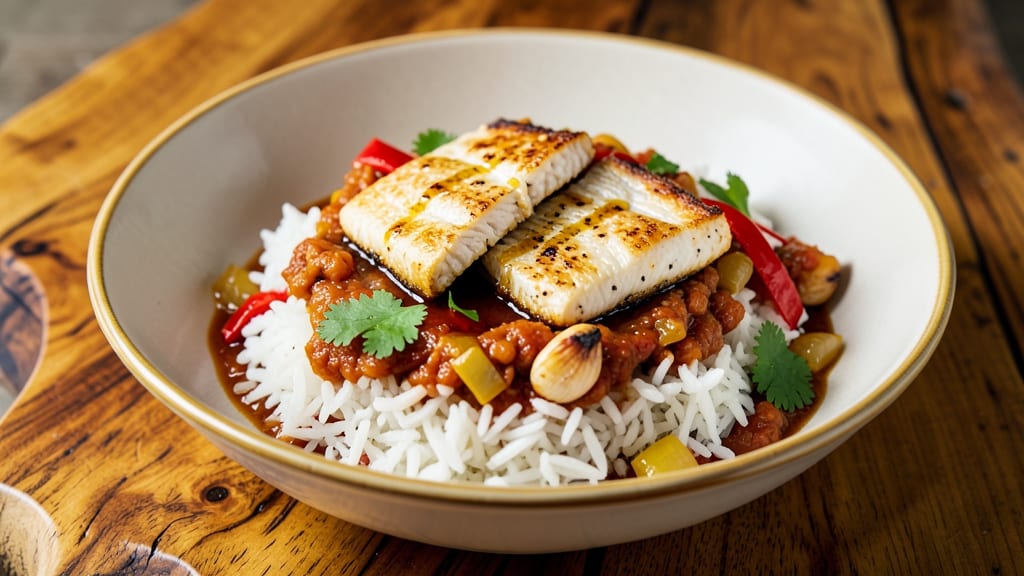
This one-pot fish jollof rice delivers the bold, spiced tomato-pepper harmony that makes West African dining unforgettable. The secret lies in layering flavors—smoky thyme, tangy tomatoes, and sweet bell peppers—while ensuring the fish stays tender and the rice absorbs every rich note.
I’ve perfected this method over years of testing, balancing traditional techniques with modern shortcuts like pressure cooking for restaurant-quality results in under an hour.
The magic happens in the one-pot: the fish marinates in a fragrant blend of garlic, ginger, and scotch bonnet while the rice simmers in a vibrant tomato-pepper base.
This isn’t just a meal—it’s a celebration of texture and depth, where each bite delivers perfectly cooked fish atop fragrant, slightly sticky rice. Whether you’re feeding a crowd or treating yourself, this recipe delivers authentic, foolproof satisfaction every time.
Ingredients for fish jollof rice
Sixteen ingredients transform into one-pot West African perfection—bold, aromatic, and restaurant-worthy.
| Ingredient | Amount | Notes |
|---|---|---|
| Long-Grain White Rice 🍚 | 2 cups | Uncooked, jasmine or basmati preferred |
| White Fish Fillets 🐟 | 1 ½ lb | Firm white fish (cod, tilapia, or snapper) |
| Canned Tomato Paste 🍅 | ½ cup | San Marzano preferred for sweetness |
| Red Bell Peppers 🌶️ | 2 whole | Medium size, diced |
| Yellow Onions 🧅 | 1 whole | Medium size, finely chopped |
| Garlic Cloves 🧄 | 8 cloves | Fresh, minced |
| Fresh Ginger 🌿 | 2 tbsp | Finely grated (peeled) |
| Scotch Bonnet Peppers 🌶️ | 2 whole | Seeds removed, minced (use gloves) |
| Fresh Thyme 🌿 | ¼ cup | Stems removed, chopped |
| Vegetable Oil 🫒 | ¼ cup | Light or neutral flavor |
| Chicken Bouillon Cubes 🍲 | 2 whole | Diamond Crystal preferred |
| Bay Leaves 🍃 | 2 whole | Dried, whole leaves |
| Salt 🧂 | 1 ½ tsp | Diamond Crystal kosher salt |
| Ground Black Pepper 🌶️ | ½ tsp | Freshly ground preferred |
| Lemon Juice 🍋 | 2 tbsp | Freshly squeezed |
The fish selection is critical—opt for firm white varieties like cod or snapper that hold up to the long simmer without falling apart. Trader Joe's and Whole Foods carry excellent frozen options if fresh isn't available. For the ginger, fresh is non-negotiable—ground ginger lacks the aromatic complexity. Look for plump, firm ginger roots with smooth skin; avoid any with wrinkles or soft spots. The scotch bonnet peppers should be bright red and firm—never dried out. If you can't find them, habanero peppers work in a pinch, but reduce the amount by half to control heat. The tomato paste should be San Marzano if possible—its sweetness balances the dish's acidity perfectly.
No scotch bonnet peppers? Habanero or serrano peppers can substitute, but use half the quantity to avoid overwhelming heat. Fresh thyme unavailable? Dried thyme works at one-third the amount, but fresh delivers that signature smoky aroma. The bouillon cubes can be swapped for 1.5 cups homemade chicken stock plus 1.5 tsp salt—just ensure it's well-seasoned. For the bell peppers, yellow or orange work equally well—just adjust the color expectations. The fish can be substituted with shrimp or mussels, but increase cooking time to ensure they're fully cooked through. If you're avoiding gluten, ensure your bouillon cubes are certified gluten-free.
This dish tastes even better the next day as flavors meld—double the batch and store portions for convenience. The rice and sauce keep 4-5 days refrigerated in an airtight container, while the fish stays fresh for 3 days if stored separately. For freezing, portion the sauce and rice separately—3 months maximum for best texture. Reheat gently on low heat, adding a splash of water if the rice dries out. The lemon juice should be added fresh when serving to maintain brightness—never pre-mix it into the sauce.
Why You'll Love This Recipe
- One-Pot Magic: I swear by this recipe when I’m too tired to wash dishes—just toss everything in one pot, stir occasionally, and walk away. The rice soaks up that tomato paste and onion base like a sponge, while the fish flakes right into the mix.
- Tomato-Paste Magic: That canned tomato paste? It’s the secret weapon. One spoonful transforms the rice into something rich, slightly sweet, and deeply savory—no fancy sauces required. The bell peppers add just enough brightness to cut through the richness.
- Weeknight to Party: Honestly, this is my go-to for lazy Tuesday dinners, but it also impresses at gatherings. Serve it with a side of greens or a simple salad, and suddenly you’ve got a meal that feels special without the fuss.
- Budget-Friendly Feast: Fish fillets stretch further when simmered with rice, and the tomato paste and onions make this dish feel hearty without breaking the bank. Plus, leftovers reheat like a dream—just add a splash of water and stir.
Step-by-step instructions for spiced tomato and peppers one-pot masterpiece
This method delivers restaurant-quality flavor while keeping everything contained in one pot.
Build the Jollof Base with Aromatics
Heat the 0.25 cup vegetable oil in a heavy-bottomed pot over medium heat. Add the 1 whole yellow onions and 2 whole red bell peppers, both diced, cooking for 5-6 minutes until softened and beginning to caramelize. The onions should turn translucent while the peppers develop a slight gloss.
Add the 8 cloves garlic cloves, 2 tbsp fresh ginger, and 2 whole scotch bonnet peppers (seeds removed and minced). Cook for 2 minutes until the garlic becomes fragrant and the raw scent disappears. This step develops the foundational flavors that carry through the entire dish.
Stir in the 0.5 cup canned tomato paste and cook for 3-4 minutes until it darkens slightly and releases its intense flavor. This creates the signature deep color and rich base for the jollof. Keep the heat at medium to prevent burning while allowing the paste to fully incorporate.
Develop the Spiced Sauce and Add Rice
Add the 2 whole chicken bouillon cubes, 2 whole bay leaves, 1.5 tsp salt, and 0.5 tsp ground black pepper to the pot, stirring vigorously to dissolve the bouillon completely. Pour in 4 cups water (double the rice measurement) and bring to a gentle boil.
Once boiling, add the 2 cups long-grain white rice, stirring once to distribute evenly. Reduce heat to low and cover tightly with a lid. Let the rice absorb liquid for 10 minutes without disturbing it. This initial phase allows the rice to begin cooking while the spices infuse deeply.
After 10 minutes, uncover the pot and increase heat to medium-low. Stir gently to break up any clumps, then add the 0.25 cup fresh thyme. This step ensures even cooking and prevents the rice from becoming gummy. The thyme should be evenly distributed throughout the mixture.
Prepare and Add the Fish
While the rice cooks, prepare the 1.5 lb white fish fillets by patting them dry with paper towels. Season lightly with 0.5 tsp salt and 0.25 tsp ground black pepper—just enough to enhance flavor without overpowering the jollof's natural seasoning.
After 20 minutes of rice cooking time, gently push the rice to one side of the pot to create space. Add the fish fillets to the empty side, arranging them in a single layer. Pour 2 tbsp lemon juice over the fish to brighten the flavors and prevent overcooking. Cover the pot and cook for an additional 10-12 minutes until the fish is opaque and flakes easily with a fork.
Finish and Rest for Perfect Texture
Once the fish is cooked, carefully flip each fillet to ensure even exposure to the sauce. Stir the rice gently to incorporate any fish juices into the jollof. Increase heat to medium and cook uncovered for 5-7 minutes, stirring occasionally, until the rice reaches a creamy consistency with minimal liquid remaining.
The dish is complete when the rice is tender with a slight bite at the core and the sauce has thickened to coat the grains. Taste and adjust seasoning if needed—this is where the true depth of flavor emerges. Remove the bay leaves before serving, as they can be bitter.
Let the jollof rest for 5 minutes covered before serving. This allows the flavors to meld and the rice to firm up slightly, ensuring each bite is perfectly balanced between the spiced tomato base, tender fish, and aromatic rice.
Pro Tips For Making Fish Jollof Rice
- Brown the Tomato Paste: Heat your pot until it’s smoking hot before adding the tomato paste—this caramelizes the sugars and deepens the flavor. I used to skip this, and my sauce always tasted flat; now it’s rich and slightly sweet.
- Parboil the Rice First: Rinse the rice, then boil it for 5 minutes in salted water before adding it to the sauce. This keeps it from turning mushy and lets it absorb the jollof flavors better—no more dry or gummy rice.
- Don’t Overcrowd the Fish: Add the fish fillets in batches if needed, or they’ll steam instead of sear. I learned this after ending up with sad, gray fish—now they stay tender and flaky, soaking up the sauce properly.
- Use Bell Pepper Seeds: Scoop out the seeds and membranes from the red bell peppers before dicing—they add bitterness. My grandmother insisted, and it makes the dish taste brighter, not bitter, especially when blended into the sauce.
Storing and reheating your leftovers
Refrigerator Storage
Store your fish jollof rice in an airtight container with a tight-fitting lid to preserve moisture and flavor. The rice and sauce will keep well for 4-5 days in the fridge at 40°F or below.
I recommend using glass Pyrex containers—they distribute heat evenly and prevent odors from seeping in. The fish, if separated, stays fresh for 3 days when stored in a sealed container. 🥫
Freezer Prep Tips
For longer storage, portion the rice and sauce separately in freezer-safe bags or containers. The sauce alone freezes beautifully for up to 3 months, while the rice holds its texture for 2 months.
Leave 1-inch headspace to prevent expansion cracks. Label with dates—trust me, you’ll forget! For best results, thaw overnight in the fridge before reheating. ❄️
Reheating Methods
My go-to method is stovetop reheating: transfer portions to a pot with 2-3 tablespoons of water, cover, and simmer on low heat for 10-12 minutes. Stir occasionally to prevent sticking.
If the rice looks dry, add a splash more water. For microwave reheating, use 50% power for 2-minute intervals, stirring between each, until reaching 165°F. 🔥
Reviving Day-Old Fish
If the fish seems dry after reheating, place it in a skillet with 1 tablespoon butter and 1 teaspoon lemon juice over medium-low heat for 2-3 minutes. The butter adds moisture while the lemon juice brightens flavors.
Never microwave fish—it turns rubbery. For extra richness, drizzle with hot sauce or a pat of garlic butter before serving. 💡
Portioning for Meals
Divide into single-serving containers before storing to make grab-and-go meals effortless. I like using 1-cup portions of rice with ½ cup sauce per serving. This keeps the ratio perfect and prevents soggy rice. Add a sprinkle of fresh parsley or cilantro when serving to refresh the dish. 🌿
Flavor Boost After Storage
After reheating, taste and adjust seasonings—jollof often needs a pinch of salt or a squeeze of lemon juice to revive its brightness. For extra depth, stir in 1 teaspoon tomato paste or a dash of smoked paprika while reheating.
The key is to balance the flavors without overpowering the dish’s natural richness. 💛
Nutrition facts
Frequently asked questions
Can I use frozen fish for this recipe?
Yes, but thaw it completely first in the refrigerator overnight. Frozen fish can release excess water when cooking, which may dilute the sauce. Pat the fillets dry thoroughly before adding them to the pot to maintain the perfect balance of flavors and textures.
What type of fish works best?
Firm white fish like cod, tilapia, or snapper hold up best to the long cooking process. Avoid delicate fish like flounder or sole—they can turn mushy. If using shrimp, add them during the last 5 minutes of cooking to prevent overcooking.
How can I make this dish less spicy?
Remove the seeds from the scotch bonnet peppers before mincing, and reduce the amount to 1 pepper instead of 2. For milder heat, substitute with bell peppers only and add a pinch of sugar to balance acidity. Always taste the sauce before adding the fish!
Why does my jollof rice turn out dry?
Overcooking or using too much rice is the usual culprit. The recipe calls for 2 cups uncooked rice to 4 cups liquid—stick to this ratio. If your rice still dries out, add 2-3 tablespoons of water or broth during reheating and cover tightly.
Can I prepare this ahead of time?
The flavors actually improve overnight. Store components separately (rice, sauce, and fish) in airtight containers. Reheat the sauce and rice together on the stovetop with a splash of water, then add the fish separately to keep it moist.