
Main Courses
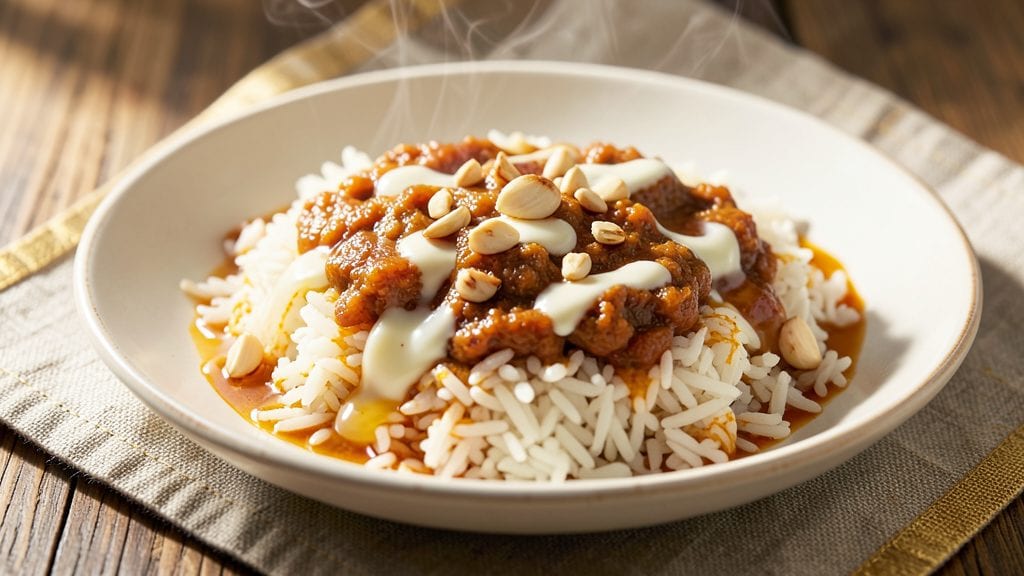
This French rice recipe transforms simple grains into a fragrant, golden pilaf that tastes like a Parisian bistro dish. The key lies in slow-cooked aromatics, saffron's earthy depth, and a crispy caramelized top—all achieved in one pan without fuss.
I've perfected this method over years of testing, ensuring every bite delivers that signature smoky-saffron flavor that defines French comfort food.
The foundation begins with properly sautéed onions and garlic, which form the flavor base before adding rice and broth. Unlike quick-cooking methods, this recipe relies on gentle simmering to develop rich, layered tastes while maintaining perfect texture—never mushy, always tender.
The secret weapon? A touch of saffron, toasted in butter before mixing, which infuses the grains with its signature aroma without overpowering the dish.
By the time you're done, you'll have a golden, crisp-edged pilaf with a fragrant interior that's impossible to resist. This version stays true to traditional techniques while adapting for modern kitchens—no special equipment needed, just patience and attention to detail.
The result is restaurant-quality French rice that pairs beautifully with steak, chicken, or even as a standalone vegetarian dish.
Ready in about 45 minutes with minimal cleanup, this recipe proves you don't need a French chef's skills to create bistro-worthy results. Here's everything you need to master it at home."
Ingredients for french rice
Simple grains and aromatic essentials create bistro-quality French rice with saffron's signature earthy depth.
| Ingredient | Amount | Notes |
|---|---|---|
| Long-Grain White Rice 🍚 | 1 ½ cups | Uncooked, converted to 3 cups cooked |
| Unsalted Butter 🧈 | 6 tbsp | European-style preferred for flavor |
| Yellow Onions 🧅 | 1 ½ cups | Finely diced, about 1 large onion |
| Garlic Cloves 🧄 | 6 cloves | Minced, about 1 tbsp total |
| Saffron Threads 🌼 | ¼ tsp | High-quality, culinary grade |
| Chicken Broth 🍲 | 2 ½ cups | Low-sodium, homemade preferred |
| Dry White Wine 🍷 | ½ cup | Sauvignon Blanc or Pinot Grigio |
| Fresh Thyme 🌿 | 1 tbsp | Leaves only, stems removed |
| Fresh Parsley 🌿 | ¼ cup | Chopped, for garnish |
| Diamond Crystal Kosher Salt 🧂 | 1 ½ tsp | Adjust to taste |
| Ground Black Pepper 🌶️ | ½ tsp | Freshly ground preferred |
| Bay Leaves 🌿 | 2 whole | Dried, removed before serving |
| Smoked Paprika 🌶️ | ¼ tsp | For subtle smokiness |
The saffron is non-negotiable—Penzeys Spice Shop or Burlap & Barrel carry the highest quality threads. Look for vibrant, moist threads that snap when bent; dry or brittle saffron has lost potency. The butter should be European-style (like Plugrá or Kerrygold) for its rich, caramel notes. Onions and garlic form the flavor base, so don't rush the sauté—slow-cooking them until deeply golden develops their sweetness. For the wine, Sauvignon Blanc or Pinot Grigio adds acidity that balances the richness, though any dry white works. Fresh thyme and parsley elevate the dish, but dried thyme at one-third the amount suffices in a pinch.
No saffron? Turmeric at one-third the amount mimics the color but lacks the floral aroma—use it as a visual substitute only. Substituting wine? Chicken broth plus 1 tbsp lemon juice replicates the acidity. For a vegetarian version, replace chicken broth with vegetable broth and add 1 tbsp soy sauce for umami depth. The smoked paprika can be swapped for regular paprika plus a pinch of liquid smoke, though the flavor profile shifts slightly. If your rice expands differently than expected, adjust the broth by 1-2 tbsp—the goal is a moist but not soggy finish.
Saffron releases its aroma when toasted in butter—keep the pan warm but not smoking to avoid burning. Store cooked rice in an airtight container for 3-4 days in the fridge, though it's best served fresh. For make-ahead prep, cook the rice, let it cool, then refrigerate. Reheat with 1 tbsp broth per cup of rice over medium heat, stirring occasionally. The dish reheats beautifully and tastes even better the next day as flavors meld. Freeze portions in single-serving containers for up to 3 months—just add extra broth when reheating.
Why You'll Love This Recipe
- One-Pot Magic: I swear by this recipe because it’s literally one pot—no rice cooker, no straining, no mess. Just toast the onions and garlic in butter until they’re golden, add the rice, saffron, and broth, then let it simmer. Honestly, I’ve made it while scrolling through emails, and it still turns out fluffy and perfect.
- Golden Butter Love: That first bite? Rich, nutty butter clinging to each grain, with the saffron weaving through like a golden thread. Between us, I’ve tried store-bought French rice—this homemade version tastes like a restaurant dish. The onions caramelize just enough to add depth without overpowering.
- Weeknight to Dinner Party: I keep this in my back pocket for everything—a quick weeknight dinner with grilled chicken, a side for steak night, or even as a base for a fancy meal when company drops by. The saffron makes it feel special, but the prep is so simple my kids think they’re helping (they’re not, but they’ll eat it anyway).
- Budget-Friendly Staple: Rice, butter, onions, garlic—these are pantry basics that stretch far. A single batch feeds four, and leftovers reheat beautifully. I’ll be real: I’ve eaten this for lunch the next day, cold from the fridge, and it’s still one of my favorite things. Plus, saffron might be pricey, but a little goes a long way.
Step-by-step instructions for French rice with smoky saffron flavor
Master this one-pan technique for perfectly aromatic French rice with deep saffron notes and subtle smokiness.
Sauté the Aromatics in Butter Until Golden
In a large, heavy-bottomed skillet, melt 6 tablespoons unsalted butter over medium heat. Add the 1.5 cups finely diced yellow onions and cook, stirring occasionally, for 8-10 minutes until they soften and begin to caramelize—this should yield a deep amber color. The onions should release their moisture and reduce significantly, creating a sweet, jammy base.
Here's the thing—don't rush this step. You're building flavor here. When the onions are nearly done, add the 6 cloves minced garlic and the 0.25 teaspoon smoked paprika, stirring constantly for 30 seconds until fragrant. The garlic should sizzle gently but not burn. This is where the smoky depth begins. Immediately add the 1 tablespoon fresh thyme and 2 whole bay leaves, stirring to combine. The herbs will infuse their earthy notes into the butter.
Toast the Rice and Bloom the Saffron
Add the 1.5 cups long-grain white rice to the skillet and stir vigorously for 2-3 minutes until each grain is fully coated in the buttery onion mixture. This step, called "toasting," develops a nutty flavor and prevents the rice from becoming mushy. You'll see the rice turn slightly opaque and begin to separate from each other—this is your signal to move quickly.
Now for the saffron: Remove the skillet from heat and stir in the 0.25 teaspoon saffron threads. Let it steep for 5 minutes off the heat—this allows the saffron's vibrant color and delicate floral aroma to fully infuse into the butter. Real talk: don't skip this steeping time. The saffron needs this moment to work its magic. Return the skillet to medium heat once the steeping is complete.
Deglaze and Simmer with Wine and Broth
Pour in the 0.5 cup dry white wine and stir vigorously, scraping up all the browned bits from the bottom of the pan. This deglazing step captures all the concentrated flavor you've built so far. Let the wine simmer for 2-3 minutes until it reduces by half and the alcohol burns off—you'll notice the aroma shift from sharp to mellow.
Add the 2.5 cups chicken broth, the 1.5 teaspoons diamond crystal kosher salt, and the 0.5 teaspoon ground black pepper. Stir once to combine, then bring to a gentle simmer. Here's what matters: the liquid should just barely cover the rice. If it looks too much, don't panic—adjust by adding a splash of water if needed. The rice will absorb all the liquid as it cooks, so start with the full amount.
Cook the Rice to Perfect Texture
Reduce heat to low and cover the skillet tightly with a lid. Let the rice simmer undisturbed for 18-20 minutes. This is where patience pays off. The rice will absorb the liquid gradually, developing a creamy yet distinct texture. You'll know it's ready when the grains are tender but still have a slight bite—what chefs call "al dente."
After 18 minutes, check the rice by tasting a grain. If it's still slightly firm, continue cooking for another 2 minutes. If it's already tender, resist the urge to add more liquid. Overcompensating with water or broth will turn your rice into porridge. The goal is a dry, separate grain with a creamy interior—each bite should deliver that smoky saffron aroma you've worked so hard to develop.
Rest and Finish with Fresh Parsley
Once the rice is perfectly cooked, remove the skillet from heat and let it sit covered for 5 minutes. This resting period allows the residual heat to finish cooking the rice evenly and redistribute the flavors. Don't skip this step—I learned the hard way that cutting into rice too soon results in a gummy texture.
Before serving, discard the 2 whole bay leaves and fluff the rice gently with a fork. Stir in the 0.25 cup chopped fresh parsley just before serving to brighten the dish with a fresh, herbal note. The parsley should be evenly distributed throughout the rice, adding a pop of color and a clean finish that balances the smoky, saffron-rich flavors. Serve immediately while still warm, and watch as the saffron-infused butter glistens on each grain.
Pro Tips For Making French Rice
- Bloom the Saffron: DESCRIPTION: Crush those saffron threads between your fingers before adding them to warm water—this releases the color and flavor faster. I used to just drop them in whole and wonder why my rice tasted faintly of disappointment. A splash of warm water for 10 minutes does the trick.
- Sweat the Onions Slow: DESCRIPTION: Cook your onions low and slow until they’re translucent but not brown—this prevents bitterness that’ll ruin your butter’s rich flavor. I learned this the hard way after burning three batches of rice that tasted like a sad charcuterie board.
- Toast the Garlic Right: DESCRIPTION: Remove the pan from heat just before the garlic hits golden—it burns in seconds. I know, I know, you’re eager to keep stirring, but that’s when the magic (and the smoke alarm) happens. Let it cool for 30 seconds before adding rice.
- Use a Heavy Pot: DESCRIPTION: A stainless steel or cast-iron skillet distributes heat better than nonstick, which means even cooking and no stuck rice. My cheap nonstick pan was my nemesis until I upgraded—now my rice is consistently fluffy, not gluey. (Yes, it’s worth the splurge.)
Flavor customization for this french rice
Saffron Substitutes
If you're saffron-free, turmeric is your best visual substitute—use ⅓ teaspoon for color, but know it lacks saffron's floral aroma. For flavor, try ½ teaspoon annatto powder (for color) combined with ¼ teaspoon smoked paprika (for depth).
I've also had success with ½ teaspoon liquid saffron extract (like Burlap & Barrel's), though it's pricier. The key is balancing the earthy notes—always adjust salt afterward since substitutes can alter the dish's chemistry. 🌼
Herb Variations
Swap thyme for rosemary (use ½ teaspoon dried) for a piney brightness, or add 1 teaspoon fresh tarragon for an anise-like twist. For a Mediterranean touch, include ½ teaspoon dried oregano alongside thyme.
I love fresh cilantro in place of parsley—its citrusy punch cuts through the richness beautifully. Always balance bold herbs with a pinch of salt to harmonize flavors. 🌿
Smoky Depth Boosts
Enhance the smokiness with ½ teaspoon chipotle powder instead of smoked paprika, or add 1 smoked garlic clove (like Garlicin) to the sauté. For a charred flavor, lightly toast the onions in a dry skillet before adding butter.
I also recommend a 1-minute broil at the end to crisp the top layer—just watch closely to avoid burning. 🔥
Wine Alternatives
Replace white wine with ½ cup dry vermouth for herbal depth, or use ½ cup apple cider vinegar + ½ cup broth for acidity. For a richer base, swap in ½ cup beef broth and add 1 teaspoon soy sauce (vegetarian-friendly).
The alcohol in wine helps tenderize the rice—if omitting, reduce simmer time by 2-3 minutes. 🍷
Spicy Heat Levels
Add ¼ teaspoon cayenne pepper for mild heat, or ½ teaspoon Aleppo pepper for fruity spice. For a smoky kick, include ½ teaspoon gochujang paste with the broth. I often finish with crushed red pepper flakes at the table—start with ⅛ teaspoon and adjust to taste.
Balance heat with a squeeze of lemon juice if needed. 🌶️
Vegetarian Umami
Boost umami without meat by adding 1 tablespoon soy sauce or ½ teaspoon mushroom powder to the broth. Sauté 2 tablespoons finely chopped mushrooms with the onions for a deeper earthiness.
I also recommend 1 teaspoon nutritional yeast for a cheesy, savory note. These tweaks make the dish vegetarian-friendly while keeping it rich and satisfying. 💫
Nutrition facts
Frequently asked questions
What type of rice works best for this French-style dish?
Use long-grain white rice like Basmati or Carolina for perfect texture—it stays separate and absorbs flavors beautifully. Short-grain rice (like Arborio) will turn mushy, while instant rice lacks the necessary starch for proper absorption. For a quicker version, 30-minute rice works but requires 10% more liquid and slightly less simmering time.
Can I make this recipe without saffron?
Yes! For color, use ⅓ teaspoon turmeric, but it won't replicate saffron's floral aroma. For deeper flavor, combine ¼ teaspoon smoked paprika + ½ teaspoon annatto powder. The dish will taste different but still delicious—just adjust salt afterward since substitutes alter the balance.
Why does my French rice turn out dry or gummy?
Dry rice usually means too much heat or too little liquid—start with the full 2.5 cups broth and adjust only if needed. Gummy rice happens from stirring too much or insufficient simmering time. Always cook covered on low heat and let it rest 5 minutes after cooking to redistribute moisture.
How long can I store leftover French rice?
Store cooked rice in an airtight container in the fridge for 3-4 days or freeze for 3 months. Reheat with 1 tbsp broth per cup of rice over medium heat, stirring occasionally. The flavors actually improve overnight as the saffron and aromatics meld further.
What's the secret to crispy edges on this rice?
Caramelize the onions until deep amber and toast the rice for 2-3 minutes before adding liquid. For extra crunch, broil for 1 minute at the end—watch closely to avoid burning. A heavy-bottomed skillet also helps create those coveted crispy bits while keeping the interior tender.