
Main Courses
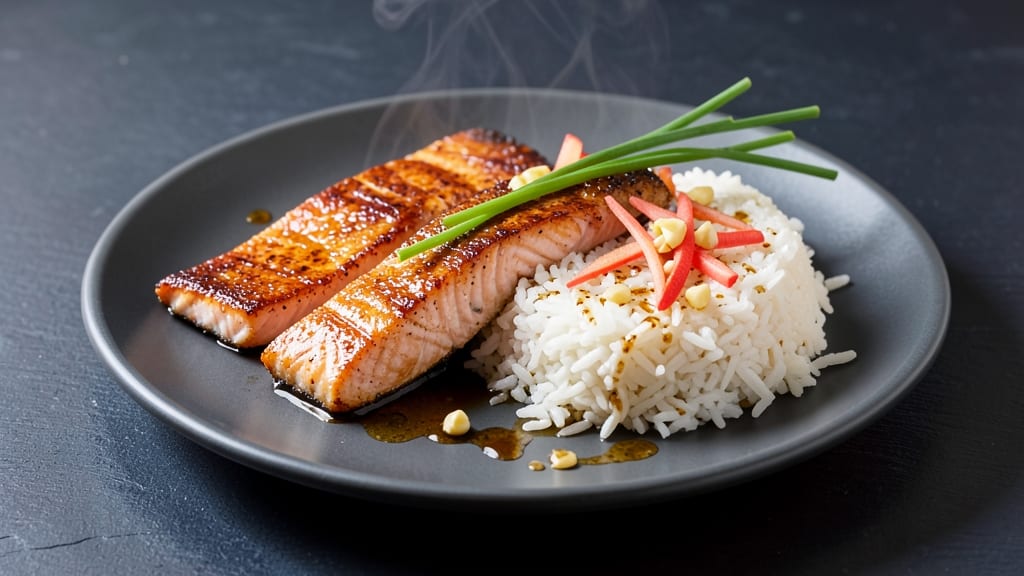
Cooking frozen salmon in a rice cooker saves time without sacrificing flavor—this hands-off method delivers perfectly flaky fish and fragrant grains in one pot.
I developed this recipe during a particularly busy week when I needed dinner on the table fast, and it’s become my go-to for weeknight meals that feel special without the effort.
The rice cooker does all the work while you prep simple sides, making it ideal for anyone who wants restaurant-quality results with minimal cleanup.
The secret to success lies in proper layering and liquid ratios. Frozen salmon thaws and cooks directly in the rice cooker while the rice simmers below, absorbing natural flavors. A simple soy-ginger marinade adds depth, and optional vegetables like carrots or broccoli can be added to round out the meal.
This method ensures tender, flaky salmon every time—no overcooking or dry fish here.
By the time your rice cooker finishes its cycle, you’ll have a complete meal ready to serve: golden, fragrant rice, perfectly cooked salmon with crisp edges, and steamed vegetables if you choose.
The salmon stays moist and flaky, while the rice develops a subtle toasted aroma from the rice cooker’s natural caramelization. It’s the kind of dinner that feels indulgent but requires almost no active cooking.
Serve with a drizzle of sesame oil or a quick soy-ginger sauce for extra flavor, and you’ve got a balanced, protein-rich meal that’s perfect for busy nights. The best part? Leftovers reheat beautifully, making this an excellent option for meal prep too. Let’s get cooking!
Ingredients for frozen salmon rice cooker
Pantry staples plus a few fresh flavors—this hands-off dinner delivers flaky salmon and fragrant rice with zero fuss.
| Ingredient | Amount | Notes |
|---|---|---|
| Frozen Salmon Fillets 🐟 | 2 whole | Skin-on preferred, 6 oz each |
| Long-Grain White Rice 🍚 | 1 ½ cups | Uncooked, jasmine or basmati |
| Water 💧 | 3 cups | Filtered preferred for taste |
| Soy Sauce 🍶 | 2 tbsp | Low-sodium preferred |
| Fresh Ginger 🌿 | 1 tbsp | Finely grated, fresh only |
| Garlic Cloves 🧄 | 3 cloves | Minced, fresh preferred |
| Sesame Oil 🫒 | 1 tbsp | Toasted, for finishing |
| Vegetable Oil 🫒 | 1 tbsp | Light, for salmon coating |
| Carrots 🥕 | 1 whole | Medium, sliced into sticks |
| Broccoli Florets 🥦 | 1 ½ cups | Fresh or frozen, chopped |
| Salt 🧂 | 1 ½ tsp | Kosher or sea salt |
| Black Pepper 🌶️ | ½ tsp | Freshly ground preferred |
| Green Onions 🧅 | 2 whole | Thinly sliced, for garnish |
| Lemon Wedges 🍋 | 2 whole | For serving, optional |
The salmon makes this recipe shine, so don’t skimp on quality. Look for skin-on fillets—the skin crisps beautifully during cooking. Frozen works perfectly here, but if you’ve got fresh, pat it dry before adding to the rice cooker. For the rice, jasmine or basmati stays fluffy and absorbs flavors well. I always grab my rice from Trader Joe’s—their basmati is consistently good, and the bag lasts for months. The ginger and garlic? Fresh is non-negotiable—dried just won’t cut it for this dish. If you’re short on time, use a microplane for the ginger (it’s faster than grating) and a garlic press for the cloves.
No soy sauce? Coconut aminos work in a pinch, though the flavor won’t be identical. Short on ginger? Substitute with ½ tsp ground ginger plus ½ tsp extra sugar—it’s not the same, but it’ll get you through. Frozen broccoli is totally fine here, and it thaws right in the rice cooker. The carrots can be baby carrots if that’s what’s in the fridge—just slice them evenly so they cook at the same rate. For extra flavor, add a pinch of red pepper flakes to the marinade if you like a little heat. And if you’re feeling fancy, swap the vegetable oil for avocado oil—it’s got a higher smoke point.
This dish reheats like a dream—honestly, it tastes even better the next day once everything melds together. Store leftovers in an airtight container in the fridge for up to 3 days, or freeze for 2 months. I like to portion mine into single servings right away so lunches are sorted for the week. The rice cooker does all the work, but if you’re worried about overcooking the salmon, check it at 12 minutes—it’s done when it flakes easily with a fork. Serve with those lemon wedges and a drizzle of sesame oil for a restaurant-worthy finish.
Why You'll Love This Recipe
- Zero-Thaw Hassle: I swear by this trick—just pop those frozen salmon fillets straight into the rice cooker with the rice. No waiting, no fuss, and the salmon cooks right alongside the rice, flaking apart like it’s been thawed for days. Honestly, it’s the only way I’ll make salmon now.
- Umami Bomb: That soy sauce and ginger combo? It’s where the magic happens. The salmon soaks up the flavor while it steams, giving you tender, savory bites with a bright zing from the ginger. Not too heavy, not too bland—just perfectly balanced.
- Lunchbox Ready: Between us, this is my go-to for meal prep. Divide the rice and salmon into containers, and you’ve got a protein-packed lunch that holds up for days. My kids actually eat it cold—no complaints, just empty lunchboxes.
- Budget-Friendly Catch: Frozen salmon is a game-changer for my grocery budget. It’s cheaper than fresh, lasts forever, and still tastes incredible. Plus, the rice stretches it into a full meal, so I’m feeding my family well without breaking the bank. (Yes, even on a Tuesday night.)
Step-by-step instructions for cooking frozen salmon in a rice cooker
This method delivers perfectly flaky salmon and fragrant rice with minimal effort.
Thaw and Season the Frozen Salmon Fillets
Remove the 2 whole frozen salmon fillets from their packaging and place them in a shallow dish. Run them under cold water for 30 seconds to start the thawing process, then pat them completely dry with paper towels. This step is crucial for achieving crispy skin later.
In a small bowl, mix together the 2 tablespoons soy sauce, 1 tablespoon finely grated fresh ginger, and 3 minced garlic cloves. Generously brush this mixture over both sides of each salmon fillet, pressing gently to help the marinade adhere. Let the salmon sit at room temperature for 15 minutes while you prepare the rice cooker.
Prepare the Rice and Vegetables for Layered Cooking
Rinse the 1.5 cups uncooked long-grain white rice under cold water until the water runs clear. Drain well in a fine-mesh strainer. This removes excess starch that can make the rice gummy. Transfer the rice to your rice cooker insert.
While the rice rinses, prepare the vegetables. Peel and slice the 1 whole carrot into ¼-inch thick sticks, and cut the 1.5 cups broccoli florets into even-sized bite-sized pieces. These will cook alongside the salmon and rice, absorbing all the delicious flavors.
Arrange Everything in the Rice Cooker for Perfect Cooking
Lightly brush a small skillet with 1 tablespoon vegetable oil and heat over medium heat. Place the seasoned salmon fillets in the skillet skin-side down and cook for 2 minutes until the skin is lightly golden. Flip carefully and cook for another 30 seconds, then transfer to a plate.
Arrange the cooked salmon fillets on top of the rinsed rice in the rice cooker insert. Distribute the sliced carrots and broccoli florets around the salmon, creating a single layer. Pour the 3 cups water evenly over everything, being careful not to disturb the salmon's position.
Cook Until Perfectly Flaky and Fragrant
Close the rice cooker lid and select the "white rice" setting. The salmon will cook through as the rice absorbs the liquid, typically taking about 25-30 minutes. You'll know it's done when the rice cooker switches to "keep warm" mode and the salmon flakes easily with a fork.
Once cooking is complete, let everything rest for 5 minutes before serving. This resting period allows the juices to redistribute, ensuring each bite of salmon remains moist and flaky. The rice should be tender with a slight bite, and the vegetables perfectly cooked but still crisp-tender.
Finish and Serve with Fresh Accents
Carefully transfer the salmon to serving plates, arranging the rice and vegetables around it. Drizzle each serving with ½ teaspoon sesame oil and sprinkle with sliced green onions. The aroma of toasted sesame oil will elevate the dish instantly.
Serve immediately with the 2 lemon wedges on the side. The bright citrus cuts through the richness of the salmon and rice, balancing all the flavors perfectly. Each bite should deliver flaky salmon, fragrant rice, and tender vegetables in perfect harmony.
Pro Tips For Making Frozen Salmon Rice Cooker
- THAW SALMON IN WATER: Don’t just toss frozen salmon in warm water and forget it—use the ice water swap trick. Submerge the fillets in cold water, bring to a simmer (not boil), then turn off the heat and let them sit for 10-15 minutes. This keeps the texture tight and prevents that sad, mushy center.
- USE GINGER PASTE FOR SPEED: Fresh ginger is great, but grating it mid-recipe slows things down. Buy a small jar of ginger paste (the kind in Asian grocery stores) and add 1-2 teaspoons directly to the rice cooker with the soy sauce. Same zing, zero prep—just stir it in when you dump everything in.
- DON’T OVERLOAD THE RICE COOKER: I’ve seen people cram in too much rice and salmon, thinking it’ll cook faster. It won’t. Stick to the 1:1.25 rice-to-water ratio (e.g., 1 cup rice to 1¼ cups water) and add salmon after the rice starts cooking. Overcrowding steams the salmon instead of searing it, and that’s when it turns bland.
- SAVE THE SOY SAUCE WATER: After draining the salmon (if you’re using canned or pre-marinated fillets), don’t pour that salty liquid down the sink. Add 1-2 tablespoons of it to the rice cooker during the last 5 minutes of cooking. It boosts umami without extra effort—just let the rice soak it up.
Perfect pairings for this frozen salmon rice cooker
Soy-Ginger Sauce
This simple sauce is the backbone of the dish, and you can easily make extra for dipping or drizzling.
I like to double the marinade recipe—just mix 4 tbsp soy sauce, 2 tbsp grated ginger, 6 minced garlic cloves, and 1 tbsp honey—then simmer it for 5 minutes on low heat.
Strain out the solids and store the sauce in a small jar in the fridge for up to 2 weeks. It’s perfect for drizzling over the rice cooker meal or serving as a dipping sauce for extra salmon. 🍶
Sesame Oil Drizzle
A final drizzle of toasted sesame oil transforms this dish from good to restaurant-quality. I keep a small bottle of Kadoya toasted sesame oil in my pantry—it’s worth the splurge. Just ½ teaspoon per serving adds nutty depth and a fragrant aroma.
For extra flair, mix it with a pinch of red pepper flakes and a squeeze of lemon juice before drizzling. The heat cuts through the richness while the citrus brightens everything up. ✨
Miso Butter
If you love umami flavors, a pat of miso butter on top of the salmon is a game-changer. Mix 2 tbsp softened butter with 1 tbsp white miso paste and a pinch of salt, then spread it over the salmon before it goes into the rice cooker.
The miso melts into the fish, creating a savory glaze that pairs beautifully with the soy-ginger notes. I’ve even used Trader Joe’s white miso butter for convenience—it’s pre-mixed and ready to go. 💛
Quick Pickled Vegetables
For a refreshing contrast, add a side of quick-pickled vegetables. Thinly slice ½ cup radishes and ½ cup cucumber, then toss with 2 tbsp rice vinegar, 1 tsp sugar, and a pinch of salt.
Let it sit for 10 minutes while the rice cooker does its thing. The tangy crunch cuts through the richness of the salmon and rice, balancing the meal perfectly. It’s a trick I picked up from my Nonna’s Italian antipasto—simple but always impressive. 🥕
Cucumber Salad
A light cucumber salad adds freshness and texture to the meal. Thinly slice 1 English cucumber and toss with 1 tbsp rice vinegar, ½ tsp sugar, and a sprinkle of toasted sesame seeds. For extra flavor, add 1 minced garlic clove and a pinch of salt.
This salad stays crisp and refreshing, making it a perfect palate cleanser between bites of rich salmon. It’s a go-to side for me when I want something light but still flavorful. 🥒
Herb Oil Infusion
For a final touch, infuse olive oil with fresh herbs to drizzle over the dish. Heat ¼ cup olive oil with 1 tbsp chopped parsley, 1 tbsp chopped dill, and 1 clove smashed garlic in a small saucepan over low heat for 5 minutes.
Strain and drizzle over the finished meal. The herbal notes complement the soy-ginger flavors beautifully, adding another layer of complexity. I like to make a big batch and store it in the fridge for up to 1 week. 🌿
Nutrition facts
Frequently asked questions
Can I use frozen salmon directly from the freezer in my rice cooker?
No, always thaw the salmon first to ensure even cooking. Start by running the fillets under cold water for 30 seconds to jumpstart thawing, then pat dry completely. This prevents excess moisture that can make the rice cooker's rice mushy. The 15-minute room temp rest after marinating helps the seasoning penetrate evenly.
What if my rice cooker doesn't have a "white rice" setting?
Use the "steam" or "porridge" setting for 25-30 minutes instead. The salmon will cook through while the rice steams gently. Check the rice cooker's manual for alternative settings—most have a "cook" function that works. If in doubt, set a timer for 20 minutes after the rice cooker beeps.
How do I prevent the salmon from sticking to the rice cooker?
Lightly brush the rice cooker insert with 1 teaspoon vegetable oil before adding rice. The salmon's skin should be crispy from the initial pan-searing, but this extra step ensures nothing sticks. If using a nonstick insert, you can skip the oil—but still pat the salmon dry thoroughly to avoid moisture buildup.
Can I substitute frozen broccoli for fresh in this recipe?
Frozen broccoli works perfectly and thaws right in the rice cooker. Just ensure it's chopped into even-sized florets so everything cooks uniformly. No need to thaw it beforehand—it'll steam alongside the rice and salmon. For extra flavor, add a pinch of salt to the frozen broccoli before adding it to the rice cooker.
What if my salmon is overcooked and dry?
Overcooked salmon happens when left too long in the rice cooker. The trick is to check the salmon at 20 minutes—it's done when it flakes easily with a fork. If it's dry, try brushing it with a mix of 1 tbsp melted butter and 1 tsp soy sauce before serving. For next time, reduce the rice cooker time by 2-3 minutes.