
Side Dishes
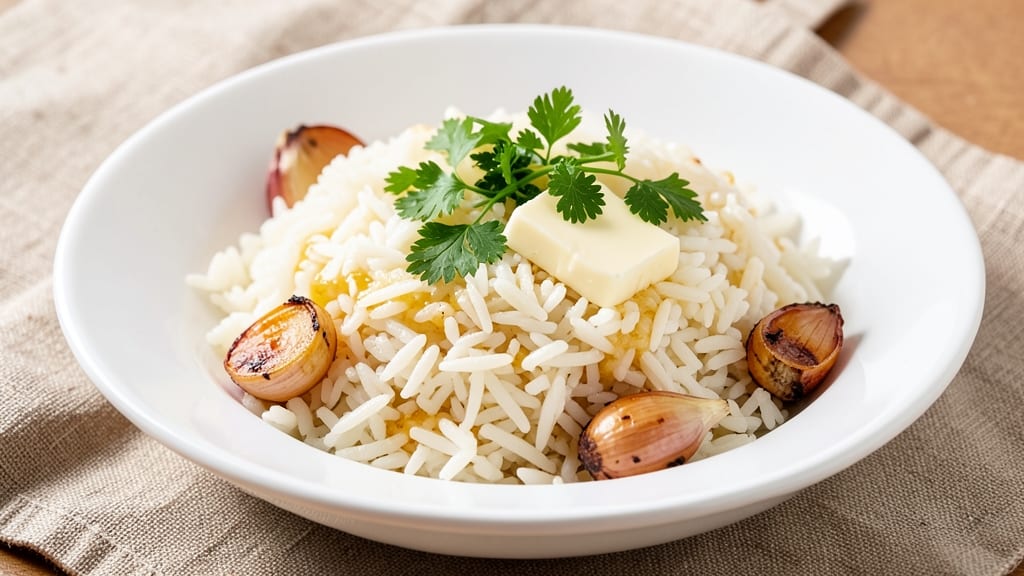
Mastering Instant Pot steamed rice transforms a basic side dish into a foolproof foundation for any meal. This method guarantees fluffy, fragrant grains every time—no more mushy or undercooked rice. The secret lies in precise water ratios and controlled pressure cooking, which work together to create restaurant-quality results at home.
What sets this recipe apart is its adaptability. Whether you're making white rice, brown rice, or a mix of grains, the same core technique delivers perfect texture.
The Instant Pot handles the work for you, releasing steam just enough to keep the grains tender and separate. No need for constant stirring or timing guesswork.
By the end, you'll have perfectly steamed rice with a subtle aroma that enhances any dish it accompanies. The grains stay light and fluffy, never sticky or gummy. This is the kind of rice that makes even simple meals feel elevated—ideal for pairing with stir-fries, curries, or grilled proteins.
Ready to elevate your rice game? This recipe works for any variety and requires just a few minutes of hands-off time. Let's get started with the foolproof method that will change how you cook rice forever.
Ingredients for instant pot steamed rice
Seven simple ingredients transform into perfectly steamed rice every time—fluffy and fragrant.
| Ingredient | Amount | Notes |
|---|---|---|
| Long-Grain White Rice 🍚 | 1 cup | Uncooked, rinsed thoroughly |
| Water 💧 | 1 ½ cups | Room temperature preferred |
| Butter 🧈 | 1 tbsp | Unsalted, for flavor infusion |
| Salt 🧂 | ¼ tsp | Fine sea salt preferred |
| Garlic Cloves 🧄 | 1 whole | Minced, optional for aroma |
| Fresh Parsley 🌿 | 1 tbsp | Chopped, for garnish |
| Instant Pot Steamer Basket 🍳 | 1 whole | Optional for perfect texture |
The rice variety matters. Long-grain white rice is ideal for this method, but jasmine or basmati work beautifully too. Trader Joe's or Whole Foods carry high-quality options with consistent grain size. Look for labels indicating 'unparfumed' if you want a neutral flavor base. The steamer basket is optional but recommended—it elevates the rice by creating even steam circulation. Without one, use a trivet or folded towel to prevent direct contact with the bottom of the pot. For brown rice, increase cooking time by 20 minutes and use 1.75 cups water per cup of rice.
Short on butter? Olive oil or coconut oil works in a pinch, though butter adds that signature richness. No fresh parsley? Dried parsley at one-fifth the amount suffices, though fresh is always better. The garlic is truly optional—skip it if you prefer neutral flavor, but it adds depth that pairs well with curries and stir-fries. For extra fragrance, add a bay leaf during cooking and remove before serving. The water should be room temperature to avoid shocking the rice grains during cooking. If using tap water, let it sit out for 10 minutes to release chlorine, which can affect texture.
This rice reheats beautifully—just add a splash of water and steam for 3-5 minutes. Store in an airtight container for up to 5 days in the fridge, though it's best within 2 days for peak texture. For freezing, portion into single servings and freeze for up to 3 months. Thaw overnight in the fridge before reheating. The steamer basket can be washed separately, but the Instant Pot itself should be cleaned immediately after cooking to prevent rice from sticking. A quick wipe with a damp cloth keeps it in great shape for future batches.
Why You'll Love This Recipe
- Buttery Garlic Magic: That little pat of butter and crushed garlic cloves? Transforms plain rice into something ridiculously good. Crispy edges, fragrant steam—it’s my secret weapon for boring meals.
- Meal Prep MVP: I make a big batch on Sundays, and it lasts all week. Cold or reheated, it’s perfect for lunches, fried rice, or even a quick stir-fry base. Zero waste, zero stress.
- Budget-Friendly Luxury: White rice is cheap, and this method makes it taste like you spent hours cooking. Honestly, it’s the kind of simple dish that makes fancier meals feel unnecessary.
Step-by-step instructions for perfect instant pot steamed rice
Here's the method I use to achieve restaurant-quality rice every time—light, fluffy, and infused with subtle flavor.
Prepare the Rice and Instant Pot
Start by rinsing the 1 cup long-grain white rice thoroughly under cold water until the water runs clear. This removes excess starch that would otherwise make the rice gummy. I like to use my hands to gently swirl the rice in the pot while rinsing—this ensures every grain gets cleaned properly.
Place the instant pot steamer basket inside the Instant Pot if you're using it. This creates space between the rice and the bottom of the pot, allowing steam to circulate evenly and preventing soggy bottom layers. If you don't have a steamer basket, simply add the rice directly to the pot.
Combine Ingredients and Set the Timer
Add the rinsed rice, 1.5 cups water, 1 tbsp butter, and 0.25 tsp salt to the pot. Stir gently just once to distribute the butter and salt evenly. I like to press down lightly on the rice with a spoon to help it settle—this ensures even cooking and prevents uneven pockets.
If you're using the 1 whole garlic cloves, add the minced garlic now and stir it in. The garlic will infuse subtle flavor without overpowering the rice. Seal the Instant Pot lid securely and set the valve to "Sealing." Then select the "White Rice" setting, which typically cooks for 15 minutes on high pressure.
Release Pressure and Fluff the Rice
Once the cooking cycle completes, allow the pressure to release naturally for 10 minutes before using the quick-release method. This gradual release prevents the rice from becoming mushy. You'll know it's ready when the pressure indicator drops to zero.
Carefully remove the lid and let the rice sit covered for 5 minutes to allow any remaining steam to redistribute. Then, using a fork, gently fluff the rice from the bottom up. This creates those signature air pockets that make the rice light and fluffy. Don't stir vigorously—just break up any large clumps while preserving the individual grains.
Garnish and Serve Immediately
Transfer the rice to a serving bowl and sprinkle with 1 tbsp chopped fresh parsley for a pop of color and freshness. The parsley adds a subtle herbal note that complements the buttery rice beautifully. I like to serve it immediately while still hot, as the texture begins to degrade after about 15 minutes of sitting.
For best results, serve the rice alongside your favorite proteins or stir-fried vegetables. The subtle garlic and butter infusion makes this simple rice dish the perfect foundation for any meal. If you're making it ahead, cover the bowl tightly with plastic wrap pressed directly on the surface to prevent drying.
Pro Tips For Making Instant Pot Steamed Rice
- Use a 1:1.5 Ratio: After burning rice in my first three attempts, I learned: 1 cup rice to 1.5 cups water is the goldilocks zone for Instant Pot white rice—never guess. The steam needs room to work, and that extra 0.5 cups prevents gummy clumps while keeping it fluffy. (Yes, even if you’re impatient like me.)
- Rinse Rice Until Clear: Skipping this step is how you end up with chalky, starchy rice that sticks together like glue. Rinse long-grain rice under cold water in a fine-mesh strainer until the water runs nearly clear—about 30 seconds. This removes surface starch, which is the real enemy of light, separate grains in your Instant Pot.
- Sauté Garlic in Butter First: Don’t just toss in garlic cloves with the rice—sauté them in the butter for 30 seconds until fragrant. This builds flavor before the pressure cook even starts. I used to add it raw, and the rice just tasted bland no matter how much salt I added later.
- Let It Naturally Release: Resist the urge to quick-release the pressure—just let the Instant Pot do its thing for 10 minutes after cooking. This lets steam redistribute, giving you perfectly even texture. I know, I know, you want your rice faster, but cutting that step turns your fluffy rice into sad, dense mush. (Your future self will notice.)
Regional styles of these flavors
Japanese Koshihikari
For a luxurious texture, swap in Japanese Koshihikari rice—it's prized for its short, plump grains and delicate sweetness. Use the same 1:1.5 rice-to-water ratio, but reduce cooking time to 12 minutes on high pressure.
The natural stickiness of Koshihikari makes it perfect for sushi rolls or bento boxes. I buy mine from Weee! or Nishiki Market for authentic quality. 🌸
Thai Jasmine Rice
Thai jasmine rice adds a fragrant floral note that pairs beautifully with coconut milk-based curries. Stick to the 1:1.5 ratio but increase cooking time to 18 minutes for optimal texture. For extra aroma, add 1 cinnamon stick during cooking and remove before serving.
I like to serve this with green curry or grilled lemongrass chicken. The rice's natural fragrance elevates Southeast Asian dishes effortlessly.
Mexican-Style Cilantro-Lime
Transform your rice into a zesty side by adding 1 tbsp lime zest and 2 tbsp chopped cilantro during the final fluffing step. For heat, mix in ½ tsp chili powder with the butter before cooking. This variation works perfectly with tacos or enchiladas.
I also add ½ cup black beans to the pot during the last 5 minutes of cooking for a complete one-pot meal. The lime brightens the dish while the chili adds warmth.
Indian Basmati with Garam Masala
For an Indian-inspired twist, use basmati rice with 1 tsp garam masala mixed into the butter before cooking. The garam masala's warm spices complement curries beautifully. Increase water to 1.75 cups per cup of rice to prevent sticking.
I serve this with butter chicken or lamb curries. The basmati's long grains stay separate even after reheating, making it ideal for meal prep.
Spanish Paella-Inspired
Create a paella-style rice by adding ½ cup diced bell peppers, ½ cup frozen peas, and 1 tsp smoked paprika to the pot after the initial pressure release. Stir gently and cook for an additional 3 minutes on high heat.
This version pairs perfectly with grilled shrimp or chorizo. The paprika adds depth while the vegetables keep the dish vibrant. I like to finish with lemon wedges for serving. 🍋
Korean Short-Grain
For Korean-style short-grain rice, use sushi rice with ½ cup water less than the standard ratio (1:1 cup rice to 1 cup water). Add 1 tbsp rice vinegar and 1 tsp sugar during the final fluffing step.
This rice is slightly sticky and perfect for bibimbap or rice bowls. I buy mine from H Mart or Asian grocery stores for the best texture. The vinegar adds a subtle tang that balances rich dishes like bulgogi.
Nutrition facts
Frequently asked questions
Why does my Instant Pot rice turn out mushy?
Mushy rice usually happens from releasing pressure too quickly or using too much water. Always let the pressure release naturally for 10 minutes before quick-releasing. For white rice, stick to the 1:1.5 rice-to-water ratio—any more water creates steam that overcooks the grains. Also, avoid stirring the rice after cooking, which breaks down the structure.
Can I make brown rice in the Instant Pot using this method?
Yes, but you'll need to adjust the water and time. Use 1.75 cups water per cup of brown rice and cook for 25 minutes on high pressure. Brown rice requires more moisture and longer cooking. For extra flavor, add 1 bay leaf during cooking and remove before serving. The texture will be chewier than white rice but still perfectly steamed.
How do I keep the rice from sticking to the Instant Pot?
Always use the steamer basket or a trivet to create space between the rice and the pot bottom. After cooking, remove the rice immediately and transfer it to a serving bowl. If any grains stick, gently scrape them with a wooden spoon while the pot is still warm. Never let rice sit in the pot for more than 5 minutes—this is when sticking occurs. A quick wipe with a damp cloth after each use prevents buildup.
What's the best way to reheat leftover Instant Pot rice?
Add 2 tablespoons water per cup of rice to the pot, seal, and steam on high pressure for 3 minutes with a quick release. For microwave reheating, sprinkle 1 teaspoon water over the rice, cover with a damp paper towel, and heat for 1 minute. The moisture prevents drying while restoring fluffiness. Never reheat dry rice—it turns rubbery.
Can I substitute butter with another fat?
Use 1 tablespoon olive oil, coconut oil, or even ghee in place of butter. Each adds a unique flavor—olive oil brings fruity notes, coconut oil adds tropical warmth, and ghee enhances richness. For a dairy-free option, coconut oil works best. Just remember to use the same amount (1 tablespoon) to maintain proper texture.