
Side Dishes
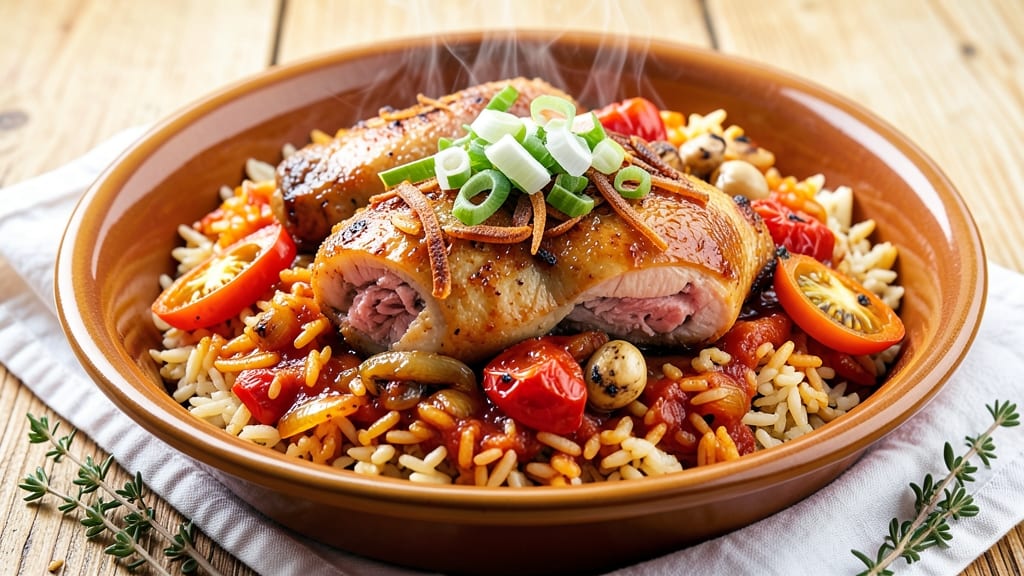
This jollof rice traditional recipe brings West African flavors to your kitchen with its bold spices, tender protein, and perfectly seasoned grains—just like your favorite takeout.
The secret lies in layering spices and cooking everything together in one pot, creating a dish that’s as rich in tradition as it is in taste.
I’ve perfected this recipe over years of testing, ensuring every bite delivers that signature smoky, slightly sweet, and deeply savory profile that makes jollof rice legendary.
The traditional method starts with a deep, flavorful base of onions, tomatoes, and peppers, simmered until they form a thick, aromatic paste. This sauce is the heart of the dish, infused with garlic, ginger, thyme, and curry powder—each spice playing its part in building complexity.
Meanwhile, the protein (whether chicken, beef, or fish) cooks slowly in the same pot, absorbing the rich flavors while the rice absorbs the sauce, resulting in grains that are tender yet distinct, not mushy.
What you’ll end up with is a one-pot masterpiece—golden, fragrant, and packed with layers of flavor that balance heat, sweetness, and umami.
The rice is infused with the sauce, the protein falls apart at the touch of a fork, and the aroma alone will have everyone at the table asking for seconds.
This is the kind of dish that turns a simple meal into a celebration, whether you’re cooking for family, friends, or just treating yourself to something special.
Serve it with fried plantains, coleslaw, or a side of grilled vegetables for the full experience. The beauty of this recipe is its versatility—it’s hearty enough for a main dish but works just as well as a side. Let’s get cooking!
Ingredients for jollof rice traditional
Sixteen ingredients, one unforgettable pot. This is the heart of West African tradition, simplified for your kitchen.
| Ingredient | Amount | Notes |
|---|---|---|
| Long-Grain White Rice 🍚 | 2 cups | Uncooked, rinsed thoroughly |
| Chicken Thighs 🍗 | 1 ½ lb | Bone-in, skin-on preferred |
| Yellow Onions 🧅 | 2 whole | Medium, chopped finely |
| Fresh Tomatoes 🍅 | 4 medium | Roma or vine-ripened, chopped |
| Scotch Bonnet Peppers 🌶️ | 2 whole | Seeds removed for mild heat |
| Garlic Cloves 🧄 | 6 cloves | Minced finely for depth |
| Fresh Ginger 🌿 | 1 inch | Peeled, grated finely |
| Ground Curry Powder 🌶️ | 2 tbsp | Authentic West African blend |
| Dried Thyme 🌿 | 1 tbsp | Or 2 tbsp fresh thyme |
| Vegetable Oil 🫒 | ½ cup | For frying onions |
| Chicken Bouillon Cubes 🍲 | 2 whole | Dissolved in 1 cup hot water |
| Salt 🧂 | 1 ½ tsp | Adjust to taste |
| Ground Black Pepper 🌶️ | ½ tsp | Freshly ground |
| Bay Leaves 🍃 | 2 whole | Removed before serving |
| Fresh Cilantro 🌿 | ¼ cup | Chopped for garnish |
The tomatoes and onions are your flavor anchors—West African markets have the best ripe tomatoes, but grocery store Roma work too. Scotch bonnet peppers bring that signature heat (use gloves!), but jalapeños in a pinch will do. For curry powder, African spice blends from African grocery stores or Penzeys take this to the next level. I always toast my spices in the oil first—30 seconds max—to wake up their flavors. The ginger and garlic need to be fresh; no shortcuts here. For chicken, bone-in thighs stay juicier than breasts, but use what you have.
No Scotch bonnet? Habanero or cayenne works, but reduce to half the amount. Fresh thyme unavailable? Dried at one-third the quantity. The bouillon cubes can be swapped for 1 cup homemade chicken stock plus 1 tsp soy sauce—trust me, it’s better. For a vegetarian version, swap chicken for chickpeas or smoked tofu and use vegetable bouillon. The rice? Jasmine or basmati holds up better than white rice if you can find it. And if your tomatoes are watery, pat them dry first—that’s the secret to a thick, rich sauce.
This dish tastes even better the next day—double the batch and freeze half. Store leftovers in the fridge for 4-5 days or freeze for 3 months. I like to portion it into containers with a side of fried plantains on top. The sauce thickens as it cools, so add a splash of water when reheating. For extra richness, stir in 1 tbsp butter at the end. And save those bay leaves—they’re magic for flavor, but you’ll want to fish them out before serving.
Why You'll Love This Recipe
- I’ll be real: I make a double batch on purpose. The flavor only gets richer overnight, and reheating? Just a splash of water, covered, and boom—back to that restaurant-quality texture. My lunchbox’s best friend.
- One-Pot Magic: I swear by this—just brown the chicken, toss in the onions and tomatoes, let that Scotch bonnet simmer its magic, then dump in the rice. No separate pots, no extra bowls, and honestly? Less cleanup than my usual Sunday spread.
- Spice That Stays: That deep, smoky tomato base with the bonnet pepper’s slow-burn heat? It clings to every grain. The rice ends up with this perfect balance—tender but firm, with a crust that’s almost crispy if you let it sit a minute.
- Crowd-Pleaser Always: Between us, this feeds six with ease. My in-laws ask for it at every gathering, my kids eat it cold the next day, and my roommate (who hates spice) still finishes his portion. It’s the one dish where everyone’s happy.
Step-by-step instructions for jollof rice traditional recipe
This one-pot masterpiece delivers restaurant-quality flavor with minimal cleanup—just follow the sequence.
Prepare the Chicken and Aromatics
Pat the 1.5 lb chicken thighs dry with paper towels and season generously with 1 tsp of the 1.5 tsp salt and 0.25 tsp of the 0.5 tsp ground black pepper. Heat 0.25 cup of the 0.5 cup vegetable oil in a large pot over medium-high heat until shimmering. Add the chicken and cook for 5-6 minutes per side until golden brown and cooked through.
Remove the chicken and set aside. In the same pot, add 1 finely chopped whole yellow onion and cook for 3-4 minutes until softened. Add the 6 cloves minced garlic, 1 inch grated fresh ginger, and the 2 whole Scotch bonnet peppers (seeds removed). Cook for 1-2 minutes until fragrant—this builds the flavor foundation.
Build the Tomato Base
Add the 4 medium chopped fresh tomatoes to the pot and stir well. Cook uncovered for 8-10 minutes, stirring occasionally, until the tomatoes break down into a thick, vibrant red sauce. This step develops the signature tomato depth—don't rush it, or the sauce will be too watery.
Stir in the 2 tbsp ground curry powder and 1 tbsp dried thyme, mixing thoroughly. Add the 2 whole bay leaves and the remaining 0.5 tsp salt. Cook for another 2 minutes to toast the spices and let their aromas meld with the tomato mixture.
Combine Rice and Liquid
Rinse the 2 cups long-grain white rice thoroughly under cold water until the water runs clear. Add the rice to the pot and stir to coat evenly with the tomato-spice mixture. Pour in 3 cups of water (or enough to cover the rice by about 1 inch) and add the 2 chicken bouillon cubes dissolved in 1 cup hot water.
Bring the mixture to a gentle boil, then reduce heat to low. Cover the pot and simmer for 20 minutes without lifting the lid. This initial cooking phase allows the rice to absorb the flavorful liquid while preventing it from sticking to the bottom.
Finish Cooking and Rest
After 20 minutes, check the rice for doneness. If it's still slightly firm, add another 0.5 cup hot water and continue cooking for another 5-10 minutes. The rice should be tender but still have a slight bite. If the liquid evaporates too quickly, add small amounts of water as needed—this ensures perfectly cooked rice without diluting the flavor.
Once the rice is tender and the liquid is mostly absorbed, remove the pot from heat. Let it sit covered for 10 minutes. This resting period allows the rice to steam in its own juices, resulting in a fluffy, flavorful texture. Remove the bay leaves before serving.
Garnish and Serve
Fluff the jollof rice gently with a fork and stir in the 0.25 cup chopped fresh cilantro. Serve immediately with the shredded chicken on top or on the side. The aroma alone will have everyone at the table eager to taste this traditional West African masterpiece.
Pro Tips For Making Jollof Rice Traditional
- Blister the Peppers First: Toss whole Scotch bonnets into a dry, screaming-hot pan for 30 seconds before blending—this concentrates the heat and deepens the flavor. I used to just toss them in raw, and the sauce never had that smoky kick. (Yes, even if you’re impatient like me.)
- Parboil the Chicken Properly: Don’t just poach the thighs—bring the water to a full boil, then reduce to a gentle simmer for 10 minutes before draining. This guarantees the meat stays juicy and separates cleanly when shredding. Skipping this step means tough, dry chicken in your jollof.
- Toast the Tomato Paste: Cook the tomato paste in oil for 2–3 minutes until it darkens slightly and smells caramelized. This builds a richer base for the sauce—far better than dumping it in cold. I learned this the hard way after a batch tasted bland and one-dimensional.
- Use Half the Water: Traditional jollof isn’t a soup—measure rice to liquid at 1:1.5 (not 1:2 or 1:3) and let the chicken stock reduce into the sauce. The rice should absorb everything by the end, leaving you with a thick, crusty bottom. (Your future self will thank you.)
Wine and beer pairings for jollof rice traditional
West African Lager
For a true taste of home, a crisp Guinness or Nigerian Star Lager cuts through the richness of jollof rice beautifully. The malty sweetness and light body balance the dish’s bold spices without overpowering them. I always keep a cold one handy—it’s the perfect refresher after a spicy bite. 🍺
Fruity Wine Pairing
A medium-bodied Pinot Noir or Malbec from Argentina adds an unexpected but delicious twist. The fruit-forward notes complement the tomato base, while the tannins stand up to the dish’s heat. For something lighter, try a Sauvignon Blanc—its citrusy brightness mirrors the ginger and garlic in the sauce.
Local Craft Beers
If you’re in the U.S., seek out African-inspired craft beers like Ethiopian-style lagers or West African-inspired IPAs from breweries like New Belgium or Allagash. Their unique profiles—ranging from floral to slightly spicy—enhance the jollof rice’s complexity. A honey wheat beer also works wonders with its subtle sweetness.
Non-Alcoholic Options
Don’t overlook ginger beer or hibiscus tea (known as zobo in West Africa) for a refreshing, non-alcoholic pairing. The ginger beer’s spice echoes the Scotch bonnet, while the tartness of hibiscus tea balances the dish’s richness. Both are easy to find at specialty stores or online.
Regional Variations
In Nigeria, jollof rice is often paired with Maltina, a sweet, fizzy soda that contrasts the dish’s savory heat. Meanwhile, in Ghana, a palm wine or akpeteshie (a local gin) is traditional.
For a modern twist, try a sparkling grapefruit soda—its bitterness and bubbles cleanse the palate between bites.
Pro Tip for Pairing
Serve your wine or beer slightly chilled (45-50°F) to enhance its crispness against the warm, spiced rice. I like to pour a small glass first to taste, then adjust the pairing based on how the flavors interact.
The goal is harmony—let the drink complement, not compete, with the jollof rice’s bold profile. 💡
Nutrition facts
Frequently asked questions
What makes this jollof rice recipe truly traditional?
The key lies in the one-pot cooking method and authentic spice blend. Traditional jollof uses Scotch bonnet peppers for heat, West African curry powder, and slow-cooked chicken in the same pot as the rice. The sauce thickens naturally while cooking, creating that signature tomato-infused flavor.
Can I substitute Scotch bonnet peppers?
Yes! Use habanero or jalapeño instead, but reduce the amount by half. For a milder version, try bell peppers with 1 tsp cayenne pepper. The heat level will differ, but the dish will still taste delicious. Always seed peppers first to control spice intensity.
Why does my jollof rice turn out mushy?
Mushy rice usually happens from overcooking or too much liquid. Start with 3 cups water for 2 cups rice, then add only small amounts if needed. Also, avoid lifting the lid during cooking—steam is crucial for fluffy texture. Let it rest 10 minutes covered after cooking.
How long can I store leftovers?
Store in an airtight container in the fridge for 4-5 days or freeze for 3 months. The flavors actually improve overnight! When reheating, add a splash of water to prevent drying out. Perfect for meal prep—just double the batch.
What's the best way to serve traditional jollof rice?
Serve with shredded chicken on top, fried plantains, or coleslaw for the full experience. For extra flair, garnish with cilantro and a squeeze of lemon. In West Africa, it's often paired with beer or soda to balance the rich flavors.