
Main Courses
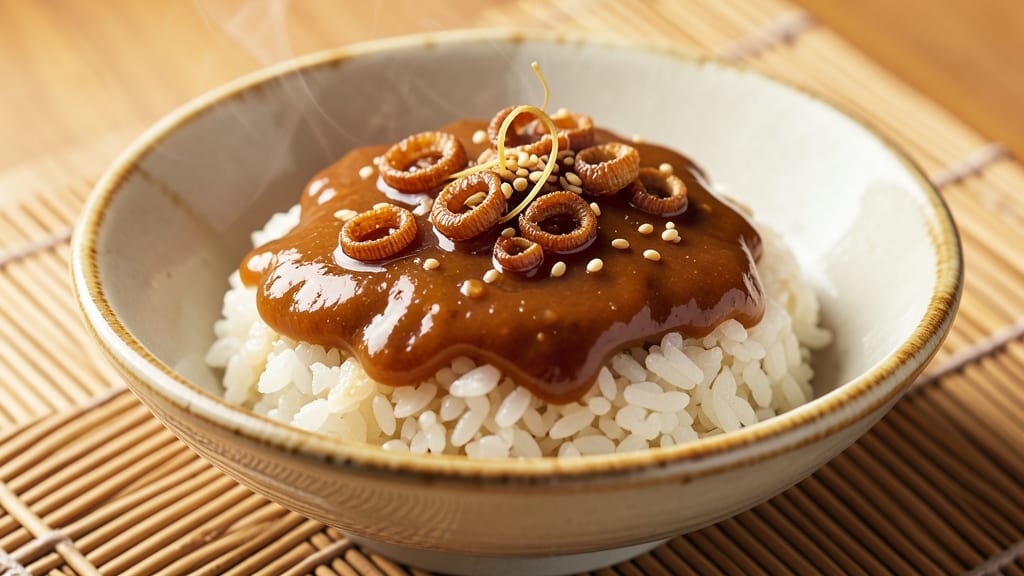
This KFC Japanese-style rice recipe transforms a simple side into the perfect complement to crispy fried chicken—sticky, savory, and infused with subtle umami. The secret lies in short-grain rice cooked with a precise water ratio and a touch of soy sauce, creating grains that cling together like a cloud.
After perfecting this technique for years, I’ve adapted it to balance KFC’s signature 11-herb-and-spice flavors while keeping the rice authentically Japanese.
The foundation starts with Japanese short-grain rice, which absorbs liquid without becoming mushy, and a simple seasoning blend of soy sauce, mirin, and a pinch of salt.
Cooking it in a heavy-bottomed pot ensures even heat distribution, while a short resting period after steaming locks in moisture for that signature stickiness. This method delivers restaurant-quality results in under 30 minutes—no special equipment required.
What you’ll end up with is a pot of glossy, aromatic rice that’s tender yet firm, with each grain clinging together just enough to hold its shape. The soy-mirin glaze adds a delicate sweetness that pairs perfectly with crispy fried chicken, creating a harmony of textures and flavors.
The best part? This technique works for any fried chicken recipe—KFC-style or otherwise.
Serve the rice directly from the pot, letting the heat rise as you plate it alongside golden, herb-kissed fried chicken. The contrast of crispy exterior and tender, savory rice makes every bite unforgettable. Ready to elevate your fried chicken experience? Let’s get started.
Ingredients for kfc japanese rice
Four essential ingredients transform ordinary rice into KFC-inspired Japanese perfection—sticky, aromatic, and deeply savory.
| Ingredient | Amount | Notes |
|---|---|---|
| Japanese Short-Grain Rice 🍚 | 1 cup | Uncooked, preferably Koshihikari variety |
| Water 💧 | 1 ¼ cups | Room temperature preferred |
| Japanese Soy Sauce 🍶 | 1 tbsp | Kikkoman preferred for authenticity |
| Mirin 🍶 | 1 tbsp | Sweet cooking rice wine |
| Diamond Crystal Kosher Salt 🧂 | ¼ tsp | Fine grain preferred |
| Sesame Oil 🫒 | ½ tsp | Toasted sesame oil for aroma |
| Garlic Cloves 🧄 | 1 whole | Minced for subtle flavor |
| Fresh Ginger 🌿 | ½ tsp | Grated, aromatic quality |
| Vegetable Oil 🫒 | 1 tbsp | For even heat distribution |
| Toasted Sesame Seeds 🥜 | ½ tsp | For garnish, optional |
The rice selection is non-negotiable: Japanese short-grain (like Koshihikari) delivers the signature cling and texture. Costco or Asian markets carry the best varieties—avoid long-grain rice, which remains separate. For the seasoning, Kikkoman soy sauce and authentic mirin (found in the Asian aisle) create that delicate sweet-savory balance. Fresh ginger and garlic should be organic when possible, as their aromatic compounds elevate the dish. Pre-mince the garlic and grate the ginger using a microplane for maximum surface area and flavor infusion. The sesame oil, though used sparingly, adds a toasty depth that mimics KFC's secret blend.
Substitutions require precision: tamari replaces soy sauce for gluten-free, but reduce by 10% to avoid saltiness. No mirin? Equal parts white wine and sugar works, though the texture may differ slightly. Fresh ginger unavailable? Powdered ginger at half the amount suffices, but lacks the bright aroma. For the rice, jasmine rice can substitute in a pinch, but expect less stickiness and separate grains. The sesame seeds are optional but recommended—they add visual contrast and a nutty crunch that mirrors KFC's presentation. When measuring rice, use the rice scoop method (level off the cup) for consistent results.
This rice reaches peak texture immediately after cooking, so resist the urge to stir or peek during the resting period. For storage, transfer to an airtight container and refrigerate for up to 4 days, though flavor peaks within 24 hours. Reheat gently in a steamer or microwave with a damp paper towel to restore moisture. Freezing is possible but alters the texture—portion into single servings before freezing for best results. The sesame oil and seeds should be stored separately in a cool, dark place to preserve their potency for up to 6 months.
Why You'll Love This Recipe
- Four-Ingredient Magic: I swear, this is the only rice dish where I measure three ingredients—rice, water, and that perfect trio of soy, mirin, and salt—and it still feels like a restaurant special. No fancy techniques, no peeking while it cooks, just set it and forget it.
- Umami Bomb: That little splash of mirin and soy sauce? It’s the secret weapon. The rice gets this silky sweetness with a deep, savory punch—like someone took all the good bits of KFC’s original recipe and distilled them into every grain. Honestly, I’ll eat it plain just to taste it.
- Lunchbox Hero: Between us, this is my go-to for meal prep. Cold or reheated, it stays fluffy and packed with flavor. Toss it in bento boxes, pack it with fried chicken, or just eat it straight from the pot—it’s the kind of rice that makes even a sad office lunch feel like a treat.
- Budget Stretch: A single batch feeds four, and the ingredients cost less than takeout. Short-grain rice is cheap, mirin lasts forever, and you’re using pantry staples. I’ll be real: I’ve made this on a $10 grocery run, and it still tasted like I spent hours in the kitchen. (Spoiler: I didn’t.)
Step-by-step instructions for KFC Japanese-style rice
Master the technique behind KFC's signature sticky, flavorful Japanese rice—simple steps for perfect texture every time.
Prepare the Aromatic Base
Heat the 1 tablespoon vegetable oil in a heavy-bottomed pot over medium heat until shimmering. Add the 1 whole garlic cloves (minced) and 0.5 teaspoon fresh ginger (grated), cooking for 30 seconds until fragrant but not browned. This foundational step builds the rice's signature umami depth.
Here's the thing—don't rush this step. The garlic should sizzle gently without coloring, or you'll burn the delicate flavors before they even develop. Once aromatic, immediately add the 1 cup Japanese short-grain rice, stirring to coat each grain evenly in the oil. This ensures uniform cooking and prevents dry spots in the final dish.
Toast and Season the Rice
Continue cooking the rice over medium heat for 2 minutes, stirring constantly, until the grains turn translucent at the edges. This brief toasting step, known as "nuka-goma" in Japanese technique, enhances the rice's natural starch content, which is crucial for achieving that signature stickiness without added glue.
Add the 1 tablespoon Japanese soy sauce, 1 tablespoon mirin, and 0.25 teaspoon Diamond Crystal kosher salt, mixing thoroughly. The mirin's sweetness balances the soy's saltiness, while the salt enhances all flavors. Let the mixture cook for 1 minute until the liquid is nearly absorbed. You'll see the rice begin to steam slightly—this is when the magic starts happening.
Add Water and Simmer Gently
Pour in the 1.25 cups water and bring to a gentle boil. Once boiling, reduce heat to low and cover tightly with a lid. The key here is maintaining a consistent low simmer—you should see just a few small bubbles breaking the surface every few seconds. This controlled heat allows the rice to absorb water evenly without developing a gummy texture.
Simmer for 15 minutes without lifting the lid. The rice will absorb all the liquid, and the steam will create that signature sticky texture. I've found that using room-temperature water prevents temperature shocks that can disrupt the cooking process. After 15 minutes, turn off the heat but leave the lid on for 10 minutes—this resting period allows residual heat to finish cooking the center of each grain.
Finish with Sesame Oil and Garnish
After resting, gently fluff the rice with a fork, then drizzle in the 0.5 teaspoon sesame oil. Toss lightly to distribute evenly—this adds a nutty aroma and subtle richness that elevates the dish. The oil should coat the grains without making them greasy; if it looks too much, you can always add a splash of water and mix again.
For presentation, sprinkle with 0.5 teaspoon toasted sesame seeds just before serving. These add both visual appeal and a satisfying crunch. Serve immediately while the rice is at its peak stickiness and aroma. The combination of the aromatic base, balanced seasoning, and proper resting time creates that restaurant-quality texture that makes this rice so irresistible.
Pro Tips For Making Kfc Japanese Rice
- Rinse Rice Twice: I learned this the hard way—skipping the second rinse leaves your rice gummy and sticky. Use a fine-mesh strainer, swirl the rice under cold water until it runs almost clear (not perfectly, that wastes starch), then give it a quick shake in the pot to break up clumps before cooking.
- Salt the Water Light: Diamond Crystal kosher salt is less salty than table salt—use half the recipe calls for. Taste the water after dissolving; it should be faintly salty, not briny. Too much salt later ruins the rice’s delicate flavor, and you’ll regret it when you’re halfway through.
- Simmer Don’t Boil: After the initial boil, drop the heat to a gentle simmer—tiny bubbles at the edges, no rolling. I used to rush this, and the rice turned mushy. A lid helps, but leave a tiny gap so steam escapes. The rice will finish cooking off the heat; resist the urge to peek too often.
- Mirin First, Soy Last: Add mirin before the soy sauce—it breaks down better and blends into the rice evenly. Stir in the soy sauce after the rice is cooked, just before fluffing. This keeps the rice from tasting flat or overly salty; the soy gets absorbed as the rice rests, not while it’s steaming.
Wine and beer pairings for these flavors
Japanese Sake Pairing
For an authentic Japanese experience, reach for a dry junmai daiginjo like Dassai 23 from Niigata. Its crisp, clean profile with notes of citrus and green apple complements the rice's delicate soy-mirin balance without overpowering it.
I’ve found that serving sake at 45°F enhances its subtle flavors, creating harmony with the rice’s umami depth. 🍶
Light Lager Harmony
A crisp, low-bitterness lager like Asahi Super Dry works surprisingly well, cutting through the richness of fried chicken while refreshing the palate. The rice’s gentle sweetness pairs beautifully with the lager’s clean, slightly effervescent finish.
For a local option, Bud Light Platinum offers a similar light body without the carbonation clash.
Umami-Inspired Beer
For beer lovers, a Japanese hopped lager like Sapporo Black Label adds a malty depth that mirrors the rice’s soy-sesame profile. The caramel notes in the beer echo the mirin’s sweetness, while the rice’s texture provides a satisfying contrast. Serve both at 40°F to preserve their delicate aromas.
Sweet White Wine
If you prefer wine, a dry Riesling from Germany—like Dr. Loosen Blue Slate—brings bright acidity and mineral notes that cleanse the palate between bites. The wine’s crisp finish balances the rice’s stickiness, while its subtle sweetness complements the fried chicken’s savory crust. Chill to 50°F for optimal pairing.
Non-Alcoholic Options
For a refreshing non-alcoholic choice, try Yakult (fermented milk drink) or Japanese iced green tea from Aoyama. The probiotics in Yakult enhance digestion, while the tea’s grassy notes refresh the palate. Both options stay true to Japanese flavors without alcohol’s interference.
Nutrition facts
Frequently asked questions
Why does Japanese short-grain rice work best for this recipe?
Japanese short-grain rice has higher starch content than long-grain varieties, which creates that signature sticky texture when cooked properly. The grains cling together just enough to hold their shape while still being tender—perfect for pairing with crispy fried chicken. Regular white rice won't achieve the same cohesive, cloud-like consistency.
Can I substitute mirin if I don't have any?
Yes! Mix 1 tablespoon white wine with 1 teaspoon sugar as a quick substitute. For best results, let the mixture sit for 5 minutes before using to allow the sugar to dissolve completely. This won't be identical, but it'll maintain the dish's sweet-savory balance.
What's the secret to getting perfectly sticky rice every time?
The key is threefold: proper water ratio (1.25 cups water to 1 cup rice), low simmering (just a few bubbles), and resting time (10 minutes covered after cooking). Stirring during cooking or peeking under the lid releases steam and prevents that signature stickiness. Patience is everything—don't rush the process!
How do I prevent my rice from turning out gummy?
Gummy rice usually happens from either overcooking or too much liquid. Stick to the 1:1.25 rice-to-water ratio and maintain a low simmer—never a boil after adding water. Also, use a heavy-bottomed pot to distribute heat evenly. If it looks too wet after cooking, uncover for 1-2 minutes to let excess moisture evaporate.
Can I make this rice ahead of time?
Store cooked rice in an airtight container in the fridge for up to 4 days. To reheat, spread it on a baking sheet and microwave for 2-3 minutes with a damp paper towel covering it. For best texture, add a splash of water and steam for 5 minutes to restore moisture. The flavor actually improves after 24 hours as the seasonings meld!