
Main Courses
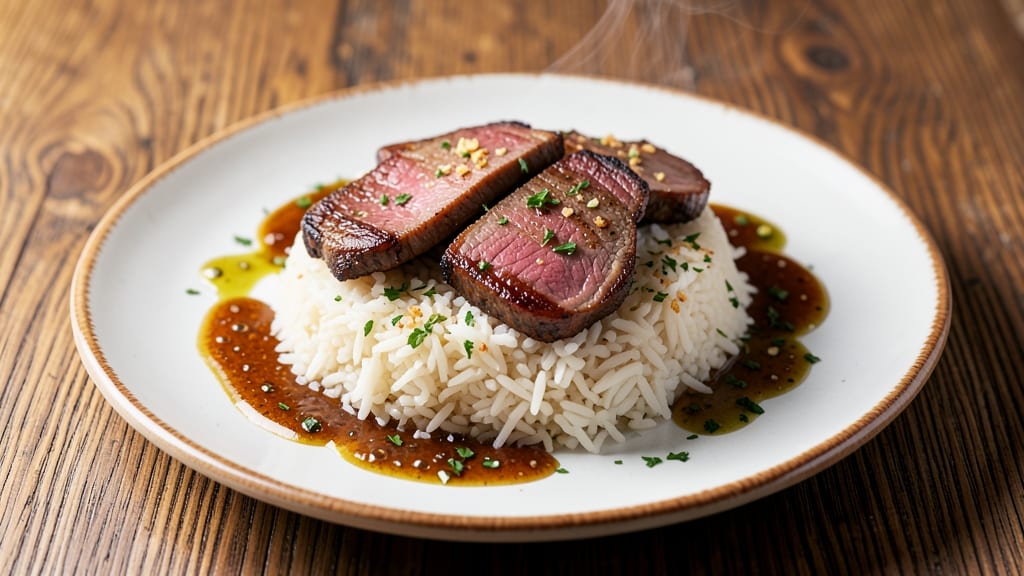
This liver and rice recipe transforms a classic comfort dish into a restaurant-worthy meal with pan-seared richness and perfectly herbed grains. The secret lies in quick, high-heat cooking to achieve tender yet firm liver, paired with aromatic rice that soaks up every savory note.
I developed this method after years of perfecting the balance between bold flavors and approachable technique—no intimidating steps, just professional results.
What sets this dish apart is the dual approach to texture and flavor: crispy edges on the liver from a hot cast-iron skillet, paired with fluffy rice infused with herbs and garlic.
Traditional methods like Spanish hígado con habas or Caribbean liver and onions inspired the technique, but I've streamlined it for home cooks. The liver cooks in just 8-10 minutes, while the rice simmers for 15 minutes—total active time under 30 minutes for a complete meal.
The result is a plate that delivers deep umami richness from the liver, balanced by the bright, herby notes of the rice. The liver stays juicy and tender while developing a caramelized crust, while the rice absorbs the pan's fond for extra depth.
This isn't just another liver dish—it's a complete, satisfying meal that feels special without requiring hours in the kitchen.
Serve with a squeeze of lemon to brighten the plate and a sprinkle of fresh parsley for color. The dish scales beautifully for weeknight dinners or weekend gatherings, proving that liver can be both nutritious and indulgent when prepared with care.
Let's get started with the recipe—it's simpler than you think.
Ingredients for liver and rice
Pan-seared beef liver meets aromatic herbed rice—just twelve ingredients for restaurant-quality results.
| Ingredient | Amount | Notes |
|---|---|---|
| Beef Liver 🍖 | 1 ½ lb | Freshly sourced, cut into 1/2-inch thick slices |
| Long-Grain White Rice 🍚 | 1 ½ cups | Jasmine or basmati preferred for aroma |
| Unsalted Butter 🧈 | 4 tbsp | European-style for higher smoke point |
| Extra-Virgin Olive Oil 🫒 | 2 tbsp | Light variety for high-heat searing |
| Shallots 🧅 | 3 whole | Finely minced for delicate flavor |
| Garlic Cloves 🧄 | 6 cloves | Peeled and smashed for aromatic release |
| Fresh Thyme Leaves 🌿 | ¼ cup | From stems for concentrated flavor |
| Fresh Parsley Leaves 🌿 | ¼ cup | Chopped for bright finishing touch |
| Diamond Crystal Kosher Salt 🧂 | 1 ½ tsp | For precise seasoning control |
| Freshly Ground Black Pepper 🌶️ | 1 tsp | Cracked peppercorns preferred |
| Lemon Juice 🍋 | 2 tbsp | Freshly squeezed for acidity balance |
| Chicken Stock 💧 | 1 ½ cups | Homemade or high-quality store-bought |
| Bay Leaves 🌿 | 1 whole | For subtle earthy depth |
The liver selection is critical. Opt for grass-fed beef liver from a trusted butcher—look for vibrant red coloration and firm texture, avoiding any with yellowing edges. Whole Foods Market or local specialty grocers typically carry the highest quality. For the rice, jasmine or basmati varieties provide the ideal balance of texture and aroma. If using pre-minced shallots or garlic, freshly minced delivers superior flavor, though the convenience of jarred minced shallots works in a pinch. The thyme should be dried if fresh isn't available, but reduce to one-third the amount—fresh thyme's potency is unmatched. For the butter, European-style (like Plugrá or Kerrygold) has a higher smoke point, crucial for achieving that perfect caramelized crust on the liver.
No beef liver? Chicken liver works as a substitute, though the texture will differ slightly—reduce cooking time by 20%. Short on thyme? Fresh rosemary at half the amount provides a similar aromatic profile. The chicken stock can be swapped for vegetable stock for a vegetarian adaptation, though the umami depth will be noticeably different. For the olive oil, light varieties like California Extra Light are ideal for high-heat searing, while robust varieties can overpower the delicate flavors. The lemon juice is non-negotiable—bottled juice lacks the bright acidity needed to balance the richness. If you're using pre-minced garlic, toast it in the pan first to deepen its flavor. The bay leaves can be omitted entirely if unavailable, but they add that subtle earthy complexity that elevates the dish.
Store the liver in an airtight container with a paper towel to absorb moisture, using within 2 days for optimal freshness. The rice can be prepped ahead and held at room temperature for up to 2 hours before serving, though it's best served fresh off the stove. The herbed rice keeps well in the refrigerator for 3 days and freezes beautifully for up to 3 months—portion into single servings before freezing for easy reheating. The pan-seared liver should be served immediately after cooking to maintain its crisp edges. For meal prep, consider cooking the rice in bulk and reheating separately from the liver, which is best enjoyed fresh. The lemon juice can be pre-measured and stored in an airtight container in the fridge for up to 1 week.
Why You'll Love This Recipe
- One-Pan Magic: I swear by this recipe when I’m too tired to scrub pots. Sear the liver in butter, toss in rice and shallots, then let it simmer—no flipping, no fuss. The shallots caramelize right in the pan, and by the time the rice is tender, everything’s ready.
- Rich & Earthy: That beef liver? It’s not just protein—it’s flavor. Sautéed in olive oil until just tender, then finished with a pat of butter, it melts into the rice with a deep, savory richness. Honestly, it’s the kind of dish that makes mealtime feel like a reward.
- Budget Powerhouse: A pound of liver and a bag of rice stretch across three meals without breaking the bank. I’ll be real: it’s cheaper than takeout, but way more satisfying. Plus, the leftovers reheat beautifully—just add a splash of water and a little butter.
- Weeknight Workhorse: Between us, this is my go-to when I’m juggling kids and a million things. Cook once, eat twice: serve it with a simple salad for lunch, or pile it high with toast for dinner. No fancy plating, just honest, hearty food that doesn’t skimp on taste.
Step-by-step instructions for liver and rice with herbed grain beds
Here's the method for balancing rich liver with fragrant, herbed rice—technique matters more than timing.
Prepare the Liver for Perfect Searing
Pat the 1.5 lb beef liver slices dry with paper towels—moisture is the enemy of a good sear. Season both sides generously with 1 tsp freshly ground black pepper and 1 tsp of the 1.5 tsp diamond crystal kosher salt. Let them sit at room temperature for 10 minutes while you prepare the pan.
Heat 2 tbsp extra-virgin olive oil in a large skillet over medium-high heat until shimmering. The oil should be hot enough to sizzle when a drop of water hits it—this ensures a deep, caramelized crust. Place liver slices in the pan and cook undisturbed for 2-3 minutes per side until the edges are deeply browned and the center remains slightly pink (overcooking turns liver tough). Transfer to a warm plate and tent loosely with foil to keep warm.
Sauté Aromatics for the Rice Base
In the same skillet (no need to clean it—the fond adds flavor), melt 2 tbsp unsalted butter over medium heat. Add the 3 whole shallots and 6 cloves garlic cloves, cooking for 3-4 minutes until the shallots soften and the garlic releases its aroma. Stir in the 0.25 cup fresh thyme leaves and 1 whole bay leaves, letting the spices infuse the butter for 30 seconds.
Add the 1.5 cups long-grain white rice, stirring to coat each grain evenly with the butter and aromatics. This step ensures the rice absorbs the deep flavors from the seared liver. Pour in the 1.5 cups chicken stock and bring to a gentle simmer, then reduce heat to low and cover the skillet. Cook for 15 minutes without lifting the lid—this allows the rice to steam evenly and develop a delicate texture.
Finish the Rice with Bright Herbs and Acid
After 15 minutes, remove the skillet from heat and let it sit covered for 5 minutes. Stir in the remaining 0.5 tsp diamond crystal kosher salt and the 0.25 cup fresh parsley leaves. Add the 2 tbsp lemon juice and toss gently to distribute the bright acidity throughout the rice. The lemon juice balances the richness of the liver while keeping the grains tender.
Fluff the rice with a fork, then return it to low heat for 1-2 minutes to warm through. The rice should be tender with a slight bite—if it's still firm, cover and steam for another 5 minutes. Remove the bay leaves before serving, as their texture becomes bitter when overcooked.
Plate with Precision for Visual Appeal
Slice the liver into ½-inch strips and arrange them fanned over the herbed rice. The contrast of the golden-brown sear against the pale grains creates a striking presentation. Drizzle any pan juices from the skillet over the top for added moisture and depth of flavor.
Garnish with an additional sprinkle of fresh parsley leaves and a final twist of black pepper. Serve immediately while the liver remains tender and the rice retains its delicate texture. This dish relies on freshness—every bite should deliver the harmony of rich liver, fragrant rice, and bright herbs.
Pro Tips For Making Liver And Rice
- Trim the Fat First: Slice off the white fat from beef liver before cooking—it doesn’t render flavor, just grease. I learned this the hard way when my pan turned into a soap opera of splattering butter. A sharp knife and steady hand make all the difference.
- Sear in Batches: Crowd the pan, and you’ll steam the liver instead of sear it. Work in single-layer batches over medium-high heat—about 4-6 minutes per side—until the edges pull away from the pan. This isn’t the prettiest method, but it’s the tastiest.
- Deglaze with Shallots: Don’t just toss chopped shallots in after cooking the liver—sauté them in the same pan until soft and golden. The caramelized bits cling to the rice, adding depth. Skip this, and you’re missing out on the thing that matters most.
- Rest Before Slicing: Liver finishes cooking while resting—give it a solid 5-10 minutes under foil before slicing. I know, I know, but trust the process. Cutting too soon turns it rubbery, and nobody wants that.
Regional styles of liver and rice
Spanish Hígado
In Spain, liver and rice takes the form of hígado con habas, where tender beef liver is paired with fresh broad beans and aromatic rice. The dish often includes smoked paprika and white wine> for depth, creating a rustic yet refined flavor profile.
I’ve adapted this by adding 1 tsp smoked paprika> to the rice while cooking and deglazing the pan with ¼ cup dry white wine> after searing the liver.
The beans add a satisfying texture contrast—simmer 1 cup fresh broad beans> in the chicken stock for 5 minutes> before adding the rice. 🌶️
Caribbean Liver & Onions
The Caribbean version transforms liver into a sweet-and-savory dish with bell peppers>, scotch bonnet peppers>, and thyme>. For this adaptation, sauté 1 red bell pepper> and 1 scotch bonnet> (seeds removed for less heat) with the shallots and garlic.
Add 1 tbsp soy sauce> to the rice for umami depth, and finish with 1 tbsp honey> to balance the heat. Serve with a side of fried plantains> for a tropical twist. This version is perfect for spice lovers who want a bold, fruity kick. 🌴
French Foie Gras-Inspired
For a luxurious twist, replace beef liver with duck liver>, which has a richer, more buttery texture.
Sear the duck liver in 2 tbsp duck fat> instead of olive oil, then finish with a reduction of 2 tbsp port wine> and 1 tbsp shallot jam> (simmer ½ cup shallots> in ½ cup port wine> until thickened).
The rice gets a touch of fresh tarragon> instead of thyme, and a drizzle of the reduction ties everything together. This version feels like a restaurant-worthy dish but keeps the same simple technique. 🍷
Italian Soffritto Base
In Italy, liver is often paired with a soffritto>—a slow-cooked mix of onions, celery, and carrots. For this adaptation, sauté 1 cup finely diced soffritto> (or ½ cup each onion, celery, and carrot>) with the shallots and garlic.
Add 1 tsp fennel seeds> to the rice for an anise-like warmth, and finish with 1 tbsp balsamic vinegar> for acidity. This version works beautifully with Arborio rice>, which absorbs the soffritto’s rich flavors.
Serve with a side of roasted rosemary potatoes> for a hearty Italian-inspired meal. 🇮🇹
Asian Stir-Fry Twist
For an Asian-inspired version, use chicken liver> (softer than beef) and stir-fry it with 1 tbsp ginger>, 1 tbsp sesame oil>, and 1 tbsp oyster sauce>.
The rice becomes a ginger-scallion rice>—cook the rice with 2 tbsp minced scallions>, 1 tbsp grated ginger>, and 1 tbsp soy sauce>. Garnish with sesame seeds> and cucumber ribbons> for freshness.
This version is quick, vibrant, and perfect for a weeknight dinner. 🥢
Middle Eastern Spiced Rice
Inspired by Middle Eastern flavors, this version swaps thyme for sumac> and ground cumin>. Sear the liver as usual, then add 1 tsp ground cumin> and 1 tsp sumac> to the rice while cooking.
Deglaze the pan with 2 tbsp pomegranate molasses> after searing the liver for a tangy-sweet contrast. Serve with a side of yogurt sauce> (mix ½ cup Greek yogurt> with 1 tbsp lemon juice>, 1 tsp sumac>, and 1 tbsp chopped mint>).
This version is bright, aromatic, and full of layers. 🍇
Nutrition facts
Frequently asked questions
Can I use chicken liver instead of beef liver in this recipe?
Yes, but adjust the cooking time! Chicken liver is more delicate and cooks faster—reduce searing time to 1-2 minutes per side (instead of 2-3). It also benefits from a gentler heat (medium instead of medium-high) to prevent overcooking. The texture will be slightly softer than beef liver, but the flavor remains rich and satisfying.
How do I prevent the liver from becoming tough or rubbery?
Keep the heat high and avoid overcooking! Liver should reach an internal temperature of 135-140°F—any hotter and it turns tough. Use a meat thermometer for precision. Also, pat slices completely dry before searing (moisture = steam = toughness) and let them rest 5 minutes after cooking before slicing.
What's the best rice variety for this dish?
Jasmine or basmati rice work best—their delicate fragrance complements the liver's richness. For extra texture, try Arborio rice (Italian version) or short-grain rice (Asian twist). Avoid long-grain brown rice, as it stays firm even when fully cooked and absorbs less flavor.
Can I make this ahead of time?
Cook the rice up to 2 days ahead and refrigerate (it reheats beautifully). However, sear the liver fresh—it loses its crisp edges when reheated. For meal prep, cook rice in bulk, store separately, and sear liver just before serving. The lemon juice can be pre-measured but should be added right before eating.
What wine pairs well with liver and rice?
A medium-bodied red like Pinot Noir or Grenache complements the dish's richness. For white wine lovers, try Chardonnay (oaked) or Viognier. Avoid heavy tannins—they can overpower the liver's delicate flavor. A glass of dry Riesling also works beautifully with the lemony brightness.