
Side Dishes
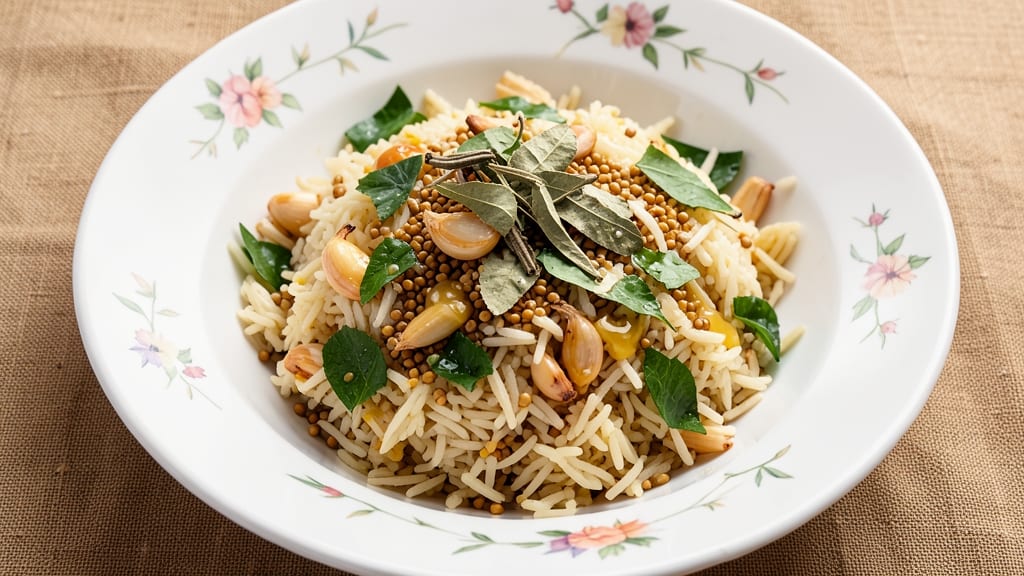
This methi rice recipe transforms simple basmati into a fragrant, aromatic dish where earthy fenugreek leaves meet toasted spices in perfect harmony.
The secret lies in properly preparing the methi—whether blanched or sautéed—to preserve its vibrant green color and delicate bitterness, then layering it with cumin, garlic, and ghee for depth. I’ve perfected this technique over years of testing, balancing traditional tempering methods with modern one-pot efficiency for busy weeknights.
The foundation starts with basmati rice cooked to ideal texture—neither mushy nor underdone—then infused with a tempering of whole spices that releases their aroma directly into the dish. Fenugreek leaves, whether fresh or dried, add a unique, slightly bitter note that pairs beautifully with the rice’s nutty profile.
This method ensures every grain absorbs the flavors evenly, creating a dish that’s as visually appealing as it is delicious.
What you’ll end up with is a fragrant, golden-hued rice dish where each bite delivers a symphony of textures—tender rice, crisp toasted spices, and silky fenugreek leaves—all held together by a light ghee finish.
The aroma alone will have everyone at the table anticipating the first bite, and the flavors grow richer as it sits. This is the kind of side dish that elevates any meal, from simple weeknight dinners to festive gatherings.
Serve it alongside grilled meats, yogurt-based raita, or a simple cucumber salad to balance the dish’s earthy notes. The versatility of methi rice makes it a staple in Indian households, but its adaptability ensures it works just as well in modern American kitchens.
Here’s how to make it perfectly every time.
Ingredients for methi rice
Basmati rice, fenugreek leaves, and toasted spices create this fragrant vegetarian masterpiece—simple ingredients, complex flavor.
| Ingredient | Amount | Notes |
|---|---|---|
| Basmati Rice 🍚 | 1 cup | Uncooked, long-grain preferred |
| Fresh Fenugreek Leaves 🌿 | 1 cup | Packed, stems removed |
| Dried Fenugreek Leaves 🌿 | ¼ cup | Substitute if fresh unavailable |
| Clarified Butter (Ghee) 🧈 | 3 tbsp | Unsalted, for authentic flavor |
| Cumin Seeds 🌿 | 1 tbsp | Whole, toasted for aroma |
| Garlic Cloves 🧄 | 4 cloves | Peeled, minced for tempering |
| Green Chilies 🌶️ | 2 whole | Slit lengthwise, optional heat |
| Onion 🧅 | 1 whole | Medium, finely chopped |
| Salt 🧂 | ¾ tsp | Diamond Crystal preferred |
| Turmeric Powder 🌶️ | ¼ tsp | Freshly ground preferred |
| Black Peppercorns 🌶️ | ½ tsp | Crushed, for finishing |
| Water 💧 | 2 cups | Room temperature preferred |
| Lemon Juice 🍋 | 1 tbsp | Freshly squeezed, for brightness |
| Fresh Cilantro 🌿 | ¼ cup | Chopped, for garnish |
The fenugreek leaves are the heart of this dish. Fresh leaves from an Indian grocery store yield the best texture and vibrant green color, but dried leaves work in a pinch—just rehydrate them in warm water for 10 minutes first. For basmati rice, Tilda or India Gate brands are widely available and deliver consistent quality. The ghee matters too—look for 100% pure, unsalted varieties like Gowardhan or Patanjali to avoid artificial additives. Toasting the cumin seeds until they release their aroma is non-negotiable; professional kitchens use a heavy-bottomed pan to prevent burning.
No fresh fenugreek? Dried leaves at one-fourth the amount work, but they lack the same delicate bitterness. Substituting green chilies? Jalapeños or serrano peppers add heat, but red bell peppers provide sweetness without spice. For the onion, yellow or red varieties work equally well—just ensure they're finely chopped for even distribution. The turmeric and black pepper should be freshly ground if possible; pre-ground spices lose potency quickly. If you're short on time, Diamond Crystal kosher salt is the gold standard for even dissolution in rice dishes.
This dish tastes even better the next day as flavors meld. Store leftovers in an airtight container in the fridge for up to 4 days, or freeze portions for 3 months by spreading rice on a tray to cool first, then transferring to a sealed bag. For optimal texture, reheat with a splash of water in a covered pot over low heat. Garnish with fresh cilantro just before serving to preserve its vibrant color and fresh aroma—this is the finishing touch that elevates the dish from good to exceptional.
Why You'll Love This Recipe
- No-Chop Day Hero: I swear by this when I’m too tired to chop—just tear those fresh fenugreek leaves roughly, and the dried ones? Toss them in whole. The flavor still sings.
- Ghee Magic: That first sizzle of cumin in ghee? It’s like a warm hug for your taste buds. The rice soaks up the earthy, nutty richness, and the fenugreek adds this bittersweet depth that just works.
- Lunchbox Legend: Pack it cold or reheat it—this rice holds up beautifully. My kids take it for school lunches, and honestly? They always ask for seconds before I do.
- Budget Bright Spot: Dried fenugreek leaves last forever, and a little ghee goes a long way. I make this twice a week, and it’s always a hit without breaking the bank.
Step-by-step instructions for methi rice preparation
Mastering this aromatic dish hinges on precise timing and layered flavors.
Prepare the Fenugreek Base
Begin by washing the 1 cup fresh fenugreek leaves thoroughly under cold water to remove any dirt or sand. Pat them completely dry using a clean kitchen towel. In a small bowl, combine the 1 cup fresh fenugreek leaves with the 0.25 cup dried fenugreek leaves. This blend creates the signature methi flavor profile that defines this dish.
Heat 1 tablespoon of the 3 tablespoons clarified butter (ghee) in a heavy-bottomed pan over medium heat. Add the fenugreek mixture and sauté for 2-3 minutes until the leaves wilt and turn vibrant green. Remove from heat and set aside. The leaves should retain their color but become noticeably softer—this is your aromatic base that will infuse the rice with its distinct character.
Toast Spices and Sauté Aromatics
In the same pan, add the remaining 2 tablespoons clarified butter (ghee) over medium heat. Once the butter begins to foam, add the 1 tablespoon cumin seeds. Toast them for 30 seconds until they release their nutty aroma and begin to sizzle gently. Immediately add the 1 whole onion (finely chopped) and cook for 4-5 minutes until translucent.
Add the 4 cloves garlic (minced) and 2 whole green chilies (slit lengthwise) to the pan. Sauté for 1 minute until the garlic turns golden and the chilies soften slightly. Stir in the 0.25 tsp turmeric powder and 0.5 tsp black peppercorns (crushed), cooking for an additional 30 seconds. This step develops the complex spice profile that complements the fenugreek's earthy notes.
Cook the Basmati Rice
Rinse the 1 cup basmati rice under cold water until the water runs clear. This removes excess starch that would otherwise make the rice mushy. In a medium saucepan, combine the rinsed rice with the 2 cups water. Bring to a boil over high heat, then immediately reduce to low heat, cover tightly with a lid, and simmer for 12-15 minutes.
After 10 minutes of cooking, carefully fold in the sautéed fenugreek leaves and spice mixture. Stir gently to distribute the flavors evenly throughout the rice. The rice should absorb the liquid completely, resulting in grains that are tender yet distinct. If the rice appears undercooked after 15 minutes, continue cooking for an additional 2-3 minutes with the lid slightly ajar.
Finish with Tempering and Garnish
Once the rice is fully cooked, remove it from heat and let it sit covered for 5 minutes. This resting period allows the grains to firm up slightly and absorb any remaining moisture. Stir in the 1 tablespoon lemon juice and the reserved fenugreek mixture one final time to ensure even distribution of flavors.
Garnish the methi rice with the 0.25 cup chopped fresh cilantro and adjust the seasoning with the 0.75 tsp salt if needed. Serve immediately while the rice is still warm, allowing the aromatic steam to carry the fenugreek's distinctive flavor throughout each bite. The final dish should present as fragrant, vibrant green rice with a delicate balance of spice and citrus brightness.
Pro Tips For Making Methi Rice
- Bloom the Methi First: Toss fresh fenugreek leaves in a bowl with a pinch of salt and let them sit for 10 minutes before cooking—this softens the tough stems and makes them wilt faster. I used to skip this, and the leaves always ended up rubbery no matter how long I cooked them.
- Use Less Dried Methi: Dried fenugreek leaves are potent—start with ½ teaspoon per cup of rice, not the 1-2 teaspoon most recipes suggest. After burning three batches of rice with overly bitter methi, I learned to taste as you go.
- Toast Cumin on Medium: High heat burns cumin seeds before they release their aroma—cook them over medium heat until they just start to sizzle, then lower the flame. This keeps them fragrant without turning bitter, which is the thing that matters most for methi rice.
- Parboil Rice Separately: Cook the rice in advance and finish it in the methi gravy—this guarantees perfectly cooked grains instead of mushy rice. I was skeptical until I tried it; the texture stays firm even after simmering in the spiced butter.
Serving suggestions for this methi rice
Yogurt Raita Pairing
Cool down the earthy flavors of methi rice with a refreshing mint-cucumber raita on the side. I blend ½ cup plain yogurt with ½ cup grated cucumber, 2 tbsp finely chopped mint, 1 tbsp lemon juice, and a pinch of salt.
The yogurt's tanginess cuts through the fenugreek's bitterness while adding a creamy contrast. For extra richness, drizzle with 1 tsp ghee and sprinkle with crushed roasted cumin. Serve chilled in small bowls alongside the rice. 💛
Spiced Lentil Soup
For a heartier meal, pair methi rice with moong dal soup—a classic Indian combination. Cook ½ cup split moong lentils with 1 tsp cumin seeds, 1 tsp turmeric, 1 green chili, and 2 cups water until tender.
Season with salt and finish with 1 tbsp lemon juice. The soup's mild sweetness complements the rice's nutty, spiced profile beautifully. Garnish with cilantro for freshness.
Grilled Vegetable Medley
Add a smoky element by serving grilled vegetables like eggplant, bell peppers, and zucchini alongside the rice. Toss them in 1 tbsp olive oil, ½ tsp cumin powder, ½ tsp smoked paprika, and salt, then grill until charred.
The smoky char enhances the dish's aromatic complexity while adding texture contrast. Serve with a squeeze of lemon for brightness.
Pickled Onions & Lime
Brighten the plate with quick-pickled red onions—a tangy, crunchy contrast. Thinly slice ½ red onion, soak in ½ cup warm water with 1 tbsp vinegar, 1 tsp sugar, and ½ tsp salt for 20 minutes.
Drain and serve alongside the rice. The acidity balances the dish's richness, and the crunch adds a satisfying bite. 🍋
Warm Flatbreads
No methi rice meal is complete without warm, flaky roti or naan. I love using store-bought Tandoori naan or homemade whole wheat rotis for their soft texture.
Brush with garlic-infused ghee before serving to elevate the dish further. The flatbread soaks up the rice's aromatic flavors while adding a comforting, handheld element.
Sweet Finish: Mango Lassi
End the meal on a refreshing note with a mango lassi—a creamy yogurt drink that balances the dish's savory-spiced profile. Blend 1 cup yogurt, ½ cup ripe mango puree, ½ cup milk, 1 tsp honey, and ice cubes until smooth.
The sweetness of the mango and the coolness of the lassi cleanse the palate perfectly after the rich, spiced rice. 🌿
Nutrition facts
Frequently asked questions
Can I use dried fenugreek leaves instead of fresh?
Yes! Use ¼ cup dried fenugreek leaves for every 1 cup fresh. Rehydrate them in warm water for 10 minutes before using to restore their texture and flavor. Dried leaves work well but lack the delicate bitterness of fresh ones.
Why does my methi rice taste bitter?
Overcooking the fenugreek leaves releases their natural bitterness. Sauté them for only 2-3 minutes until just wilted, not browned. Balance the flavor with lemon juice or a pinch of sugar while cooking. The rice should have an earthy depth, not harsh bitterness.
Can I make this in a rice cooker?
Sauté the fenugreek leaves and spices separately, then add everything to the rice cooker with water. Use the same 1:2 rice-to-water ratio. Stir once during cooking and let the rice cooker's steam work its magic. The result will be just as flavorful!
What's the best rice variety for this dish?
Basmati rice is ideal for its long grains and nutty flavor, but jasmine rice works too. Avoid short-grain varieties like sushi rice—they absorb too much moisture and become mushy. Rinse your rice thoroughly to remove excess starch for perfect texture.
How do I store leftovers?
Let the methi rice cool completely, then transfer to an airtight container. It keeps well in the fridge for 4 days or can be frozen for 3 months. For reheating, add a splash of water and cover with a damp towel to restore moisture.