
Side Dishes
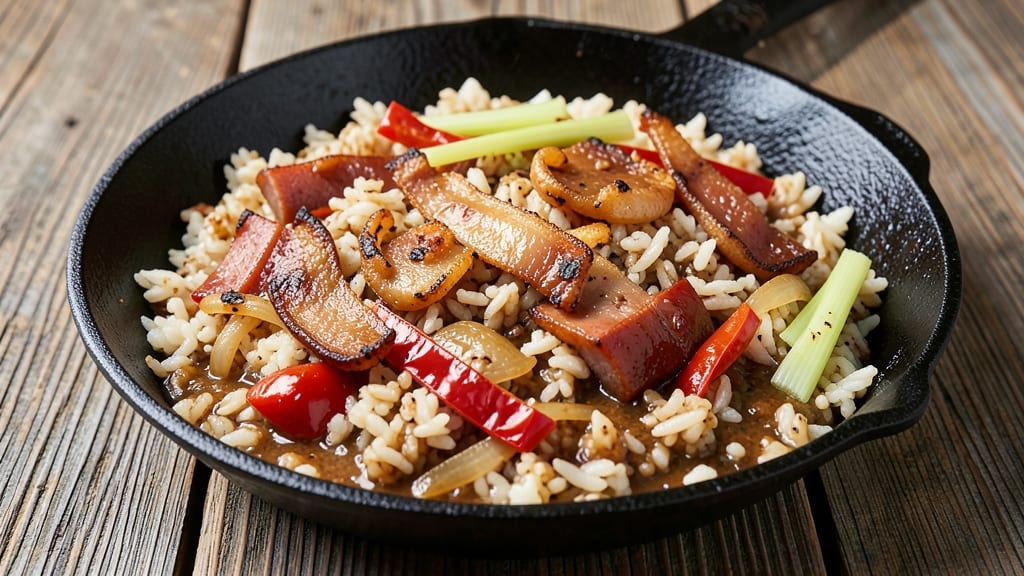
This old-fashioned dirty rice recipe delivers the smoky, savory soul of Louisiana kitchens in every bite, where crispy sausage meets perfectly cooked rice bathed in rendered pork fat. The secret lies in slow-cooked fatback that transforms tough rice into tender, golden grains—no shortcuts, just tradition.
I’ve perfected this method over years of testing, ensuring the signature "dirty" texture and bold Cajun flavors shine through without overpowering the dish.
The beauty of this recipe is its simplicity: just a handful of ingredients—rice, sausage, fatback, and spices—cooked together in one pot until the rice absorbs all that smoky, spiced goodness.
No fancy techniques required, just patience and attention to the fat-to-rice ratio, which makes all the difference between good dirty rice and great. The result? A dish that’s hearty enough to stand alone but versatile enough to pair with grilled meats or fried fish.
What you’ll end up with is a bowl of rich, flavorful rice where each grain is coated in rendered pork fat, giving it that unmistakable "dirty" appearance and depth of flavor.
The sausage adds chunks of smoky, spiced meat that cut through the richness, while the Cajun seasoning ensures every bite packs a punch. This is comfort food at its finest—rustic, satisfying, and impossible to resist.
Serve it as a side to fried chicken or catfish, or let it take center stage with a crisp green salad and buttered corn. The key to success? Don’t skip the fatback—it’s the soul of this dish. Let’s get cooking!
Ingredients for old fashioned dirty rice
Just twelve ingredients transform into Louisiana’s most beloved comfort dish, rich with smoky sausage and tender rice.
| Ingredient | Amount | Notes |
|---|---|---|
| Long-Grain White Rice 🍚 | 2 cups | Uncooked, medium grain preferred |
| Andouille Sausage 🌭 | 1 lb | Smoked, sliced into half-moons |
| Pork Fatback 🥓 | ½ lb | Thinly sliced, no rind |
| Yellow Onion 🧅 | 1 whole | Medium size, diced small |
| Green Bell Pepper 🌶️ | 1 whole | Medium size, diced small |
| Celery Stalks 🥬 | 2 whole | Medium size, diced small |
| Garlic Cloves 🧄 | 4 cloves | Fresh, minced fine |
| Cajun Seasoning 🌶️ | 2 tbsp | Homemade or trusted brand |
| Smoked Paprika 🌶️ | 1 tbsp | For extra depth |
| Salt 🧂 | 1 ½ tsp | Kosher or sea salt |
| Black Pepper 🌶️ | ½ tsp | Freshly ground |
| Chicken Broth 💧 | 1 ½ cups | Low-sodium preferred |
| Butter 🧈 | 2 tbsp | Unsalted, for finishing |
The fatback is non-negotiable—it’s what gives dirty rice its signature texture and flavor. Look for thick-cut, leaf fat at specialty butchers or the meat department of Whole Foods or Costco. If you can’t find it, pork belly works in a pinch, but render it first to remove excess moisture. Andouille sausage is key for that authentic Cajun kick—Zatarain’s is the brand I trust, but any good smoked sausage will do. The rice should be medium-grain white; Uncle Ben’s Converted or Louisiana long-grain are ideal if you can find them.
No Cajun seasoning on hand? Mix 1 tbsp smoked paprika, 1 tsp garlic powder, 1 tsp onion powder, 1/2 tsp dried thyme, 1/2 tsp dried oregano, and 1/4 tsp cayenne for a quick substitute. Short on bell pepper? Green onions or celery leaves add freshness without changing the dish’s soul. The fatback can be pre-rendered to save time—just render it in a cold skillet over medium heat until the fat separates, then strain. If you’re using pre-rendered lard, add 1 tbsp bacon fat back in for extra flavor.
This dish tastes even better the next day as flavors meld. Store leftovers in an airtight container in the fridge for up to 5 days. For longer storage, freeze portions in single-serving containers—they reheat beautifully. The fatback can be prepped ahead and stored in the freezer for up to 3 months. When reheating, add a splash of broth to keep the rice moist. Serve with a sprinkle of fresh parsley for brightness.
Why You'll Love This Recipe
- One-Pot Magic: Honestly, I dump everything in one skillet—no fancy layers, no stress. The rice cooks right in the sausage fat, so you’re basically done when the timer dings.
- Smoky Richness: That crispy pork fatback and smoky andouille? Together, they turn the rice into something dangerously addictive. No dry, bland grains here—just deep, savory layers.
- Tailgate Ready: Between us, this is my secret weapon for game days. It’s hearty enough to feed a crowd, reheats like a dream, and tastes even better the next day (yes, even on a Tuesday night).
- Budget Stretch: A pound of rice and a couple sausages go a long way—this feeds six for under $15. Plus, the leftovers? Even better cold in sandwiches or fried up crispy.
Step-by-step instructions for old fashioned dirty rice
Here's the method that delivers deep, smoky flavor and perfectly seasoned grains every time.
Sauté the Sausage and Pork Fatback
Heat a large, heavy-bottomed skillet over medium-high heat. Add the sliced andouille sausage and the pork fatback. Cook for 5-6 minutes, stirring occasionally, until the sausage is browned and the fatback begins to render its fat. You'll know it's ready when the sausage releases easily from the pan and the fatback has crisped slightly at the edges.
This step develops the rich, smoky foundation of your dirty rice. Remove the cooked sausage and fatback with a slotted spoon and set aside on a paper towel-lined plate to drain excess fat. Keep the rendered fat in the skillet—it's packed with flavor and will help sauté your vegetables later. If you find the fat level is too high, carefully pour off all but about 2 tablespoons for continued cooking.
Cook the Vegetables and Seasonings
In the same skillet, reduce heat to medium and add the diced yellow onion, green bell pepper, and celery stalks. Cook for 6-8 minutes, stirring frequently, until the vegetables soften and begin to caramelize slightly. This process should reduce the vegetables by about half their original volume.
Add the minced garlic cloves, 2 tablespoons of cajun seasoning, 1 tablespoon of smoked paprika, 1.5 teaspoons of salt, and 0.5 teaspoon of black pepper. Stir well and cook for an additional 1-2 minutes until the garlic becomes fragrant and the spices are toasted. You'll notice the mixture darkens slightly and fills your kitchen with an aromatic blend of spices and caramelized vegetables.
Toast the Rice and Add Broth
Add the 2 cups of long-grain white rice to the skillet and stir to coat the grains evenly with the rendered fat and spices. Toast the rice for 2-3 minutes, stirring constantly, until the grains become translucent at the edges and begin to develop a slight golden tint. This step is crucial as it enhances the nutty flavor of the rice and prevents it from becoming mushy.
Pour in the 1.5 cups of chicken broth, stirring gently to combine. Bring the mixture to a simmer, then reduce heat to low. Cover the skillet with a tight-fitting lid and let the rice cook undisturbed for 15 minutes. Avoid opening the lid during this time to maintain consistent heat and steam.
Finish and Rest the Dirty Rice
After 15 minutes, check the rice for doneness. It should be tender but still have a slight bite in the center. If needed, add a splash of water or broth to maintain moisture and cook for an additional 2-3 minutes. Stir in the reserved sausage and pork fatback, mixing gently to distribute them throughout the rice.
Remove the skillet from heat and let the dirty rice rest, covered, for 5 minutes. This resting period allows the flavors to meld together and the rice to absorb any remaining liquid. Stir in the 2 tablespoons of butter just before serving to add richness and shine to the finished dish.
Pro Tips For Making Old Fashioned Dirty Rice
- Brown the Fatback First: I used to skip this step, thinking it was just extra work, but rendering the fatback first—until it’s golden and crackling—builds the flavor base for the whole dish. That rendered fat becomes the sauce, so don’t rush it; let it sizzle for 5-7 minutes until it’s deep amber.
- Dice the Onion Small: Big chunks of onion won’t disappear into the rice like you want. Aim for ¼-inch dice so they cook down evenly and infuse the grains without leaving noticeable bits. If you’re lazy, pulse them in a food processor—but don’t go too fine, or they’ll turn mushy.
- Don’t Overcrowd the Pan: I learned this the hard way—adding all the sausage and peppers at once just steams them instead of browning. Work in batches: cook half the sausage until deeply browned, then pull it out before adding the rest. The same goes for the peppers; crowded veggies release moisture and turn sad.
- Use Day-Old Rice: Fresh rice soaks up all the good fat like a sponge, leaving you with dry, separate grains. If you’re making this ahead, cook the rice a day early, spread it on a tray to dry out, then mix it into the sausage and fatback. Sounds weird, but it works—your rice will stay plump and soak up flavor instead of turning into mush.
Essential equipment for this dish
Heavy-Bottomed Skillet
You can’t make authentic dirty rice without a heavy-bottomed cast-iron skillet—I swear by my Lodge 10.25-inch for even heat distribution and superior fat retention. The weight helps maintain consistent temperatures while rendering fatback and toasting spices, preventing scorching.
If you don’t own cast iron, a stainless steel Dutch oven (like All-Clad) works well, though it may require slightly lower heat to avoid burning. Avoid nonstick pans—they can’t handle the high fat content and won’t develop the same depth of flavor. 🔥
Fat Rendering Tools
For pre-rendering fatback, a fine-mesh strainer (like OXO Good Grips) is essential to separate crispy pork bits from liquid fat. I also keep a small saucepan (8-inch) for rendering—it fits just enough fatback to yield ½ cup rendered lard for future recipes.
If you’re short on time, a slow cooker on low can render fatback hands-off for 2-3 hours, though it won’t crisp the edges like stovetop rendering. Store rendered fat in a glass jar in the fridge for up to 3 months.
Measuring and Prep Gadgets
Precision matters in dirty rice, so I rely on a digital kitchen scale (I use OXO Good Grips) for measuring fatback and sausage by weight, not volume.
A sharp chef’s knife (like Wüsthof) and mandoline (for even diced veggies) speed up prep—just be careful with the mandoline’s thickness settings. For mincing garlic, a garlic press saves time, but I still prefer the microplane for finer, more aromatic results.
Don’t skip a slotted spoon—it’s perfect for removing sausage and fatback without draining all the flavorful rendered fat. 🧂
Lid and Heat Control
A tight-fitting lid (preferably with a handle) is critical for the rice’s final cooking stage. I use a Lodge cast-iron lid that fits my skillet perfectly, creating a steam chamber for even cooking.
For heat control, a kitchen thermometer (like Thermoworks Smoke) ensures your skillet stays at medium-low (300-325°F) during the rice’s simmering phase. If your stove lacks precise temperature control, a diffuser (like Cuisinart) helps distribute heat evenly. Pro tip: Use potholders—this dish gets hot! 🌡️
Optional: Smoker Accessories
For an extra-smoky twist, finish your dirty rice in a pellet smoker (like Traeger) at 225°F for 10 minutes after cooking. Use hickory or applewood pellets—avoid strong flavors like mesquite. If you don’t have a smoker, a smoked paprika boost (add 1 extra tbsp) mimics the effect.
For serving, a wooden grain bowl (like Le Creuset) elevates the rustic presentation, while a tongs set helps portion perfectly crispy rice. 🍴
Nutrition facts
Frequently asked questions
Why does traditional dirty rice need fatback instead of bacon?
Fatback delivers a richer, more authentic flavor and texture that bacon can't match. The rendered pork fat coats each rice grain, creating that signature "dirty" appearance and tender bite. Bacon adds smokiness but lacks the same depth of flavor and fat content needed for proper texture. Plus, fatback's higher fat content (about 70%) ensures each bite stays moist.
Can I make this recipe without a cast-iron skillet?
A heavy stainless steel Dutch oven works well as an alternative, though it may require slightly lower heat to prevent burning. Avoid nonstick pans—they can't handle the high fat content and won't develop the same depth of flavor. The key is maintaining consistent heat distribution to render the fatback properly and toast the spices evenly.
How do I fix dirty rice that's too dry or too mushy?
For dry rice, stir in 2-3 tablespoons of hot broth and cover for 5 minutes to steam. For mushy rice, uncover and cook on medium heat for 2-3 minutes to evaporate excess moisture. The ideal texture should be tender but with a slight bite in the center. Always check rice doneness before adding the sausage back in.
What's the best way to store leftovers?
Store in an airtight container in the fridge for up to 5 days. For longer storage, freeze portions in single-serving containers for up to 3 months. When reheating, add a splash of broth to maintain moisture. The flavors actually improve overnight as the spices meld together!
Can I substitute andouille sausage with another type?
Yes! Use smoked kielbasa or chicken andouille as direct substitutes. For a meatless version, try smoked tofu or mushrooms (like shiitake) for umami depth. Just reduce the cooking time by 2-3 minutes since plant-based proteins cook faster. The key is maintaining that smoky flavor profile.