
Side Dishes
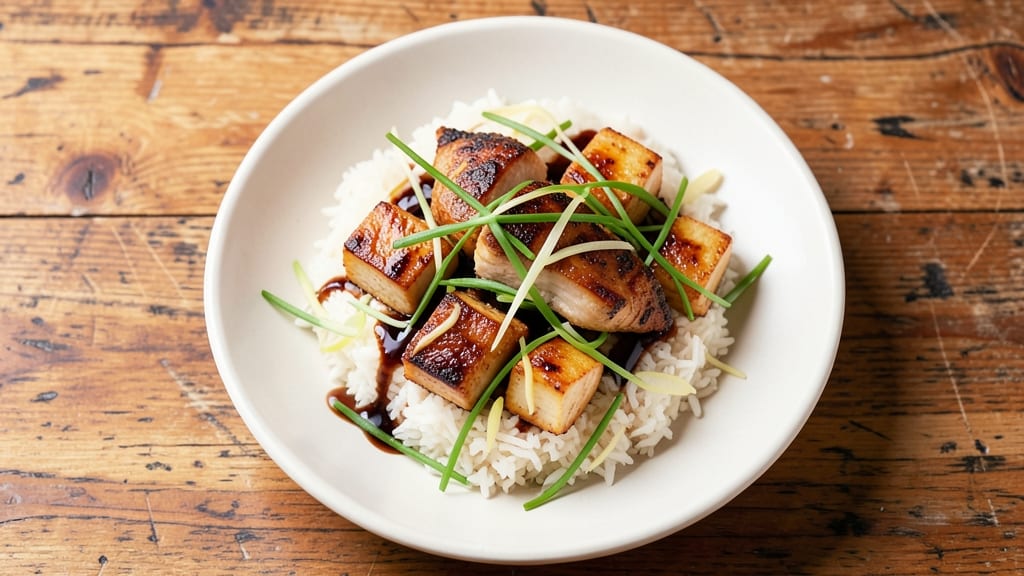
This Oriental fried rice recipe delivers restaurant-quality flavor in just five minutes with a wok—no takeout required. The secret lies in perfectly cooked jasmine rice, aromatic spices, and a quick stir-fry technique that transforms simple ingredients into a fragrant, savory masterpiece.
I developed this method after years of testing, ensuring every bite delivers the right balance of texture and taste.
What sets this recipe apart is the fragrant five-minute wok technique, where high heat and rapid motion create crispy edges while keeping the rice tender.
We use day-old rice for ideal texture, combined with classic ingredients like soy sauce, ginger, and scallions, along with optional proteins like chicken or tofu for added depth. The result is a dish that’s both satisfying and adaptable to any meal.
By the time you’re done, you’ll have a golden-brown, aromatic fried rice with a perfect balance of savory, slightly sweet, and umami flavors. The key is timing—each ingredient gets just the right amount of attention to ensure nothing overcooks or underseasoned.
This dish is ideal for weeknight dinners, meal prep, or impressing guests with minimal effort.
Serve it as a side with grilled fish or as a main dish with a fried egg on top. The possibilities are endless, but the method remains foolproof. Let’s get cooking!
Ingredients for oriental rice
Four cups of jasmine rice, aromatic spices, and precise wok technique create this restaurant-quality fried rice masterpiece.
| Ingredient | Amount | Notes |
|---|---|---|
| Day-Old Jasmine Rice 🍚 | 4 cups | Cooked and cooled, ideal texture |
| Boneless Chicken Breast 🍗 | 1 lb | Diced into 0.5-inch cubes |
| Extra-Firm Tofu 🥬 | 8 oz | Pressed and cubed, optional |
| Fresh Ginger Root 🧄 | 1 tbsp | Finely minced, aromatic base |
| Green Onions 🧅 | ½ cup | Thinly sliced, white and green parts |
| Low-Sodium Soy Sauce 🥢 | ⅓ cup | Kikkoman preferred for balance |
| Sesame Oil 🫒 | 1 tbsp | Toasted, for finishing aroma |
| Vegetable Oil 🫒 | ¼ cup | High smoke point for wok |
| Garlic Cloves 🧄 | 4 cloves | Minced, fresh for potency |
| White Pepper 🌶️ | ½ tsp | Freshly cracked for subtle heat |
| Sesame Seeds 🌾 | 1 tbsp | Toasted for crunchy garnish |
| Diamond Crystal Kosher Salt 🧂 | ½ tsp | Adjusts seasoning balance |
| Eggs 🥚 | 2 whole | Optional fried garnish |
The jasmine rice—freshly cooked rice releases too much moisture, resulting in a soggy texture. Day-old rice absorbs flavors beautifully and achieves that perfect chewy bite. For optimal quality, use Thai or Vietnamese jasmine rice—brands like Lotus Foods or Mahatma are consistently reliable. Cook the rice slightly underdone (about 10 minutes less than package instructions) and spread it on a tray to cool completely. This method ensures the grains stay separate and crisp up perfectly during stir-frying. If you don't have day-old rice, parboiled white rice works as a decent substitute, though the texture won't be identical.
The chicken breast should be cut into uniform 0.5-inch cubes for even cooking—larger pieces stay undercooked, while smaller pieces overcook quickly. Substitute tofu for a vegetarian option, but press it thoroughly to remove excess water (wrap in a towel, place a heavy pan on top for 15 minutes). For the soy sauce, low-sodium is crucial—regular soy sauce can make the dish overly salty. Kikkoman or Lee Kum Kee brands provide the right balance of umami and saltiness. Fresh ginger and garlic are non-negotiable here; pre-minced jarred ginger loses its aromatic punch. If you're short on time, dried ginger powder at half the amount can work, but the flavor profile will differ significantly. The sesame oil should be toasted—look for brands labeled 'toasted' or 'aromatic' to avoid the harsh, medicinal taste of unrefined varieties.
Store any leftovers in an airtight container in the refrigerator for up to 3 days. The dish reheats beautifully—simply warm in a skillet over medium heat with a splash of water to restore moisture. For longer storage, freeze portions for up to 3 months. When reheating from frozen, thaw overnight in the fridge first for even heating. The sesame seeds and green onions should be added fresh after reheating to preserve their vibrant color and crunch. This dish is ideal for meal prep: cook a larger batch, portion into containers, and reheat individual servings as needed. The flavors actually improve slightly the next day as the ingredients meld together.
Why You'll Love This Recipe
- Uses Leftovers Like Magic: I swear by day-old Jasmine rice—it’s the secret to that perfect, sticky texture without extra work. No need to stress over fresh rice; just reheat what’s already there and let the ginger-soy glaze do the rest.
- One-Pan, Zero Guilt: Chicken and tofu share the same pan, both getting that crispy sear while the rice warms below. Honestly, my counters stay cleaner than when I make separate dishes, and the flavors? They play so well together.
- Budget Meal, Big Flavor: Tofu stretches the protein, and chicken keeps it hearty—no fancy ingredients, just bold taste. Between us, this feeds four for under $15, and the ginger and green onions make it feel like a restaurant dish.
- Weeknight Workhorse: Throw it together while you wait for the rice to reheat. My go-to when I’m exhausted but still want something that doesn’t taste like takeout. The tofu soaks up the sauce, the chicken stays juicy, and dinner’s ready in 25 minutes.
Step-by-step instructions for Oriental fried rice
Master this wok technique for restaurant-quality fried rice every time.
Prepare the Protein Components
Begin by pressing the 8 oz extra-firm tofu between paper towels for 15 minutes to remove excess moisture. Cut it into ½-inch cubes—uniform size ensures even cooking. In a separate bowl, toss the 1 lb boneless chicken breast cubes with 0.5 tsp diamond crystal kosher salt and 0.5 tsp white pepper. Let both proteins sit at room temperature for 10 minutes before cooking.
Here's the thing—properly prepped tofu absorbs flavors better, and seasoned chicken develops a better crust. I like to keep the chicken and tofu separate until the very end to control cooking times. The chicken will cook faster, so we'll handle it first while the tofu finishes in the residual heat.
Cook Proteins and Aromatics
Heat 0.25 cup vegetable oil in a wok or large skillet over high heat until shimmering. Add the chicken breast cubes and cook for 3-4 minutes until they reach 165°F internally and develop a golden crust. Remove and set aside on a plate. Reduce heat to medium-high and add 0.25 cup vegetable oil (if needed) along with the tofu cubes.
Cook the tofu for 4-5 minutes, stirring occasionally, until lightly browned. Add the 4 cloves minced garlic and 1 tbsp finely minced fresh ginger root, cooking for 30 seconds until fragrant. This step builds the aromatic foundation—don't skip it. The garlic should sizzle audibly, and the ginger should release its bright aroma within seconds.
Assemble the Fried Rice
Push the cooked proteins to one side of the wok. Add 4 cups day-old jasmine rice and stir-fry for 1-2 minutes until the grains are heated through and begin to release their aroma. Pour in 0.33 cup low-sodium soy sauce and 0.5 cup thinly sliced green onions, tossing vigorously to distribute evenly.
Here's where it gets critical: spread the rice in an even layer across the wok. This prevents clumping and ensures each grain gets properly coated with the sauce. You'll notice the rice starts to sizzle—this indicates it's hot enough. If it seems dry, add 1-2 tablespoons of water to help steam the rice while keeping it crisp.
Finish with Eggs and Garnishes
Push the rice mixture to one side again. Crack the 2 whole eggs into the empty space in the wok and scramble them quickly over high heat until just set—about 20-30 seconds. Immediately mix the eggs into the rice, stirring constantly to create soft, silky ribbons throughout.
Add 1 tbsp toasted sesame oil and 1 tbsp toasted sesame seeds, tossing well to incorporate. Taste and adjust seasoning with additional low-sodium soy sauce if needed. The final dish should have a balance of umami from the soy, brightness from the ginger and green onions, and subtle heat from the white pepper.
Plate and Serve Immediately
Transfer the fried rice to serving plates while it's still hot. Garnish with additional thinly sliced green onions for color contrast. Serve immediately—fried rice loses its ideal texture as it cools. Each bite should deliver a perfect balance of textures: crisp rice grains, tender chicken, chewy tofu, and creamy egg ribbons.
This dish comes together in under five minutes once you've prepped everything. The key is keeping the wok hot, working quickly, and using day-old rice—which has firmer grains that hold up better to stir-frying. Don't be tempted to rush the protein cooking—properly browned chicken and tofu make all the difference in the final result.
Pro Tips For Making Oriental Rice
- USE COLD RICE: Day-old Jasmine rice isn’t just a fallback—it’s the real star here. Cold rice absorbs sauces better and stays firm instead of turning mushy, which is exactly what you want when mixing it with chicken, tofu, and ginger. Skip the fresh rice unless you’re willing to deal with a gluey mess.
- SALT THE CHICKEN FIRST: Slice your chicken breast thin, then toss it with ½ teaspoon of salt per pound and let it sit for 10 minutes. This ensures it cooks evenly and doesn’t dry out when stir-fried later. I used to skip this, and the chicken always ended up tough—don’t make my mistake.
- PRESS TOFU DRY: Wrap extra-firm tofu in a kitchen towel, then press it under a heavy pan for 15 minutes. This removes excess moisture so it absorbs flavors instead of steaming in its own water. Trust me, the difference in texture is night and day—no soggy tofu here.
- STIR-FRY IN BATCHES: Crowding the pan turns your stir-fry into a sad, greasy puddle. Cook the chicken and tofu separately in the same wok or skillet, then push them to the sides and add the ginger and green onions to bloom their flavors. This keeps everything crisp and prevents a soggy rice disaster.
Troubleshooting great oriental rice
Rice Texture Issues
If your fried rice turns out mushy, it’s almost always because you used freshly cooked rice. Day-old rice is non-negotiable—it has firmer grains that crisp up perfectly. To fix this, spread freshly cooked rice on a tray and let it cool completely (or refrigerate for 2 hours).
For a quick fix, mix in 1-2 tablespoons of cold water while stir-frying to help steam the rice without making it soggy. 💫
Underseasoned Dish
Fried rice should be savory, not bland. If yours tastes flat, it’s likely due to low-sodium soy sauce or insufficient seasoning. Taste as you go—add ½ teaspoon more soy sauce or a pinch of white pepper for depth.
For extra umami, stir in 1 teaspoon fish sauce (like Red Boat) or a splash of oyster sauce. Always adjust seasoning before adding garnishes, as they dilute flavors.
Protein Overcooking
Chicken and tofu cook at different rates, so handle them separately. If your chicken is dry or tofu rubbery, you likely overcooked them. Cook chicken first (until 165°F internal temp), then remove and set aside while finishing the tofu in the residual heat.
For tofu, keep heat at medium-high and cook for no more than 5 minutes. Overcrowding the wok also traps steam, leading to soggy proteins—work in batches if needed.
Burnt or Greasy Rice
Too much oil or uneven heat causes greasy, burnt rice. Use ½ cup total vegetable oil (high smoke point) and distribute it evenly across the wok. Keep heat at high but not smoking—adjust your burner if needed.
If rice sticks, it’s too dry; add 1 tablespoon water to help release it. A carbon steel wok heats more evenly than nonstick, but if using nonstick, reduce oil to ¼ cup to prevent splattering. 🔥
Eggs Too Dry
Overcooked eggs make fried rice taste dry. Scramble them only until just set (about 20-30 seconds) over high heat—they’ll finish cooking when mixed into the rice. For extra creaminess, add a splash of 1 teaspoon water to the eggs before scrambling.
If the rice seems dry after adding eggs, toss in ½ cup frozen peas (thawed) to add moisture and sweetness while balancing flavors.
Uneven Cooking
If some rice is raw while other bits are burnt, your heat isn’t distributed evenly. High heat is key—preheat your wok for 2-3 minutes until it’s ripping hot before adding oil. Work in small batches if needed, and stir constantly to prevent sticking.
A wok with a flat bottom (like a Made In wok) performs best on a gas stove. If using electric, keep the wok moving to avoid hot spots. 🌡️
Nutrition facts
Frequently asked questions
What type of rice works best for this oriental fried rice?
Use jasmine rice for its fragrant aroma and slightly sticky texture—it's the gold standard for Asian fried rice. Day-old rice is critical; freshly cooked rice releases too much moisture and turns mushy. If you only have freshly cooked rice, spread it on a tray to cool completely before using. For a quicker alternative, try parboiled white rice, though the texture won't be identical.
Can I make this recipe with frozen vegetables?
Frozen peas, carrots, or corn work perfectly—they add moisture and sweetness while keeping the dish vibrant. Just thaw them first by tossing in hot water for 2-3 minutes, then drain well before adding to the wok. For best results, add them in the final 1 minute of cooking to prevent overcooking.
How do I adjust this recipe for spicier flavors?
Add ½ teaspoon chili flakes or 1 teaspoon sriracha at the end for heat, or stir in 1 tablespoon gochujang (Korean chili paste) with the soy sauce for depth. For a smoky kick, include ½ teaspoon smoked paprika when cooking the proteins. Always taste as you go—spices intensify as the dish cools.
What's the best way to reheat leftover fried rice?
Reheat in a skillet over medium heat with 1 tablespoon water or oil to restore moisture and crispiness. Stir constantly for 2-3 minutes until hot through. For extra flavor, add a splash of soy sauce or a fried egg on top. Never microwave—it makes the rice rubbery.
Can I substitute tofu with shrimp or beef?
Yes! For shrimp, use ½ lb peeled and deveined, cooking for 1-2 minutes until pink. For beef, cut ½ lb flank steak into thin strips and marinate in 1 tbsp soy sauce + 1 tsp cornstarch for 15 minutes before cooking. Both work beautifully—just adjust cooking times to avoid overcooking.