
Side Dishes
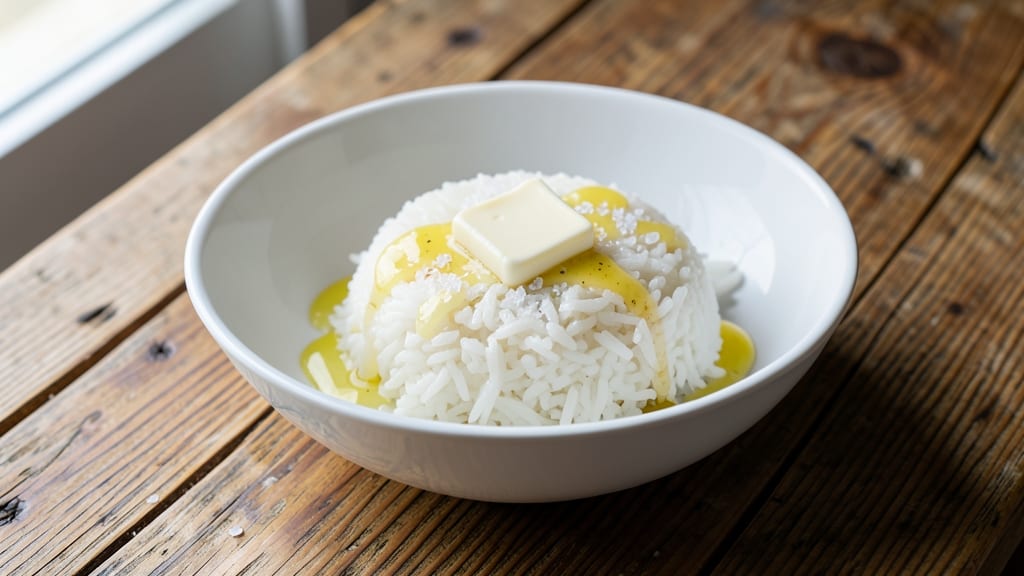
This perfect steamed rice recipe delivers fluffy, individual grains every time—no more clumping or mushy results. The secret lies in precise ratios, proper soaking, and controlled steaming that transforms basic white rice into a restaurant-quality side.
After years of testing different methods, I’ve refined this approach to work with any rice variety while ensuring consistent texture and flavor.
What sets this method apart is the attention to detail that guarantees fluffy grains with every kernel separated. Whether you’re cooking basmati, jasmine, or short-grain rice, the same principles apply: proper water-to-rice ratio, gentle heat, and a brief resting period after cooking.
This isn’t just about following a recipe—it’s about mastering the science behind perfect rice texture.
The result is light, airy rice with a subtle sheen and distinct grains that stay separate even when served. No more dry, undercooked rice or gummy, overcooked messes—just consistently perfect rice that pairs beautifully with any main dish. Ready to elevate your meals? Let’s get started with this foolproof technique.
This method works equally well in rice cookers, stovetop pots, or even Instant Pots, making it versatile for any kitchen setup. Whether you’re preparing for a family dinner or meal prepping for the week, these steps will deliver professional-quality rice every time.
The key is patience and precision—both of which pay off in the final texture.
Ingredients for perfect steamed rice
Nine essential ingredients transform basic rice into restaurant-quality perfection—fluffy, separated grains every time.
| Ingredient | Amount | Notes |
|---|---|---|
| Long-Grain White Rice 🍚 | 1 cup | Uncooked, any variety (jasmine, basmati, or short-grain) |
| Water 💧 | 1 ½ cups | Room temperature preferred |
| Unsalted Butter 🧈 | 2 tbsp | Cold, for steaming |
| Salt 🧂 | ¼ tsp | Diamond Crystal preferred |
| Fresh Lemon Juice 🍋 | 1 tbsp | Brightens flavor subtly |
| Vegetable Oil 🫒 | 1 tsp | Light coating for pot |
| Garlic Cloves 🧄 | 1 whole | Optional, for aroma |
| Fresh Parsley 🌿 | ¼ cup | Chopped, for garnish |
| Heavy Cream 🥛 | ¼ cup | Optional, for richness |
The rice variety matters—jasmine or basmati for long grains, short-grain for stickier texture. Lundberg Family Farms or Tilda brands deliver consistent quality. Soak the rice for 20 minutes before cooking to ensure even hydration. The butter isn't just for flavor—it creates a delicate steam barrier that prevents clumping. European-style unsalted butter works best for its higher fat content. For the garlic, I always use freshly peeled cloves—pre-minced loses its punch fast.
No butter? Olive oil at half the amount works in a pinch, though texture won't be identical. Short on lemon juice? White wine vinegar at the same quantity adds brightness. The heavy cream is truly optional but elevates the dish to gourmet level—think of it as the secret weapon for restaurant-style rice. For the parsley, dried works at one-third the amount, but fresh adds vibrant color and freshness. The vegetable oil coating? Non-stick spray is a perfect substitute if you're lazy about measuring.
Rice reheats beautifully—just add a splash of water and steam for 2-3 minutes. Store cooked rice in an airtight container for 4-5 days in the fridge or 3 months frozen. For meal prep, portion into individual containers so you can grab and reheat exactly what you need. The lemon juice keeps rice fresh longer, so don't skip it even if you're freezing. Pro tip: Let rice rest 5 minutes after cooking before fluffing—this ensures maximum separation.
Why You'll Love This Recipe
- No-Fuss Technique: I swear by this foolproof method—just rice, water, and a tight lid. No fancy gadgets, no guesswork, just fluffy grains every single time. (Yes, even when I burn toast.)
- Bright & Buttery Magic: That splash of lemon juice at the end? It’s the secret weapon—cuts through the richness of the butter for a finish that’s bright, clean, and ridiculously satisfying. My kids fight over the last bite.
- Weeknight & Leftovers Hero: Make a big batch on Sunday, and you’ve got lunch sorted for days. Reheats perfectly, pairs with everything, and—honestly—tastes even better the second time around. My go-to for lazy dinners.
- Budget Breakthrough: Long-grain rice is cheap, lasts forever, and this recipe uses almost no extra ingredients. A little butter and lemon elevate it without breaking the bank. (Between us, it’s my way of feeling fancy on a tight budget.)
Step-by-step instructions for perfect steamed rice
Here's how to achieve restaurant-quality steamed rice with perfectly separated grains every time.
Prepare the Rice and Steaming Equipment
Rinse the 1 cup long-grain white rice under cold water in a fine-mesh strainer until the water runs completely clear. This removes excess starch that would otherwise make the rice gummy. I use a gentle swirling motion with my fingers to agitate the grains while rinsing - don't press down or you'll crush the rice.
While the rice drains, add the 1 teaspoon vegetable oil to a medium saucepan with a tight-fitting lid. Place over medium heat until the oil shimmers - about 30 seconds. This light coating prevents the rice from sticking to the bottom during steaming. The oil should be hot enough to sizzle when you add the rice but not smoking.
Toast the Rice for Maximum Flavor
Add the drained rice to the saucepan and stir continuously for exactly 2 minutes. You'll notice the rice begins to turn opaque and makes a faint popping sound - this is the starch toasting. The goal is to develop a subtle nutty flavor without browning the rice. Here's the thing - don't walk away during this step. Over-toasting will make the rice bitter.
Add the 1 whole garlic clove (peeled) and the 2 tablespoons cold unsalted butter. Stir for another 30 seconds until the butter melts completely and coats the rice evenly. The butter will infuse the rice with rich flavor while preventing dryness. You'll smell the garlic begin to mingle with the rice aroma - that's when you know it's working.
Steam with Precision for Perfect Texture
Pour in the 1.5 cups room temperature water and the 0.25 teaspoon salt. Stir gently once to distribute everything evenly. Bring to a boil over medium-high heat, then immediately reduce to the lowest possible heat setting - just enough to maintain a gentle simmer. Here's the critical part: cover the pan tightly with the lid and don't disturb it for 15 minutes.
After 15 minutes, check the rice. It should be tender but still slightly firm to the bite - you want to avoid overcooking which leads to mushy grains. If you're using the optional 0.25 cup heavy cream, stir it in now along with the 1 tablespoon fresh lemon juice. The acidity brightens the rice while the cream adds luxurious richness. Let it sit covered for another 5 minutes to absorb completely.
Rest and Garnish for Professional Presentation
Remove the pan from heat and let the rice rest covered for 10 minutes. This resting period allows the steam to redistribute and the grains to firm up slightly - crucial for that perfect texture. Don't skip this step! I've found that many home cooks rush this and end up with rice that's either too soft or dry.
Fluff the rice gently with a fork, then transfer to a serving dish. Sprinkle with the 0.25 cup chopped fresh parsley for color and freshness. The parsley adds a subtle herbal note that complements the rice beautifully. Serve immediately while the grains are still perfectly separated and the aromas are at their peak. Each bite should deliver fluffy, individual grains with that perfect balance of buttery richness and bright lemon finish.
Pro Tips For Making Perfect Steamed Rice
- Use a 1:1.25 ratio: Start with 1 cup rice to 1.25 cups water—this accounts for the butter and lemon juice absorbing some moisture. I learned this the hard way after ending up with either mushy or dry rice when eyeballing it.
- Rinse until water runs clear: Swirl the rice in cold water, drain, and repeat 3-4 times. This removes excess starch, which keeps the grains separate and prevents gummy rice. (Yes, it’s tedious, but trust me—it’s worth it.)
- Salt the water first: Add all the salt to the water before cooking, not after. The butter will dilute the flavor if you wait, and you’ll end up guessing how much to add later. Taste the water—it should be noticeably salty.
- Let it steam covered: Turn off the heat once the rice absorbs the water, then let it sit covered for 10 minutes. This lets the residual steam finish cooking the rice evenly—no more undercooked centers or uneven texture. (Your future self will thank you.)
Regional styles of this recipe
Japanese Koshihikari
In Japan, the preferred method for steamed rice uses Koshihikari, a short-grain variety that becomes slightly sticky when cooked. The key difference is the rice-to-water ratio: use 1 cup rice to 1.1 cups water instead of 1.5 cups.
Cook in a heavy-bottomed pot with a tight lid on low heat for 20 minutes, then rest for 15 minutes covered. The result is glossy, cohesive grains that cling together slightly—ideal for sushi or rice bowls. I recommend using a donabe (clay pot) for that authentic smoky flavor.
Indian Basmati
Indian cuisine favors long-grain basmati rice with a distinct nutty aroma. The traditional method involves soaking the rice for 30 minutes in warm water, then draining well.
Use 1 cup rice to 1.75 cups water and cook in a heavy pot with a tight lid on medium heat for 12 minutes after boiling. The grains should separate completely, maintaining their signature length. Garnish with fried onions and ghee for a restaurant-style finish. 🌶️
Thai Jasmine
Thai jasmine rice is prized for its fragrant aroma and slightly sticky texture. The secret here is using 1 cup rice to 1.25 cups water and cooking in a steamer basket over boiling water for 15 minutes. The steam creates a delicate sheen on the grains.
For extra flavor, add a bay leaf and cardamom pod while cooking. Serve with a drizzle of coconut milk and lime juice for a Thai-inspired twist. This method works perfectly in a bamboo steamer for authentic results.
Latin American Arroz Blanco
In Latin America, arroz blanco (white rice) is often cooked with a sofrito base—onions, garlic, and tomatoes sautéed in oil. Use 1 cup rice to 1.5 cups water or broth and cook uncovered for 5 minutes to develop flavors, then cover and simmer for 15 minutes.
The rice should be tender but still firm. A pinch of cumin and bay leaf adds depth, making it perfect for tacos or paella-style dishes. The key is stirring occasionally to prevent burning.
Caribbean Congee Style
For a creamy Caribbean twist, try cooking rice as a congee—a rice porridge. Use 1 cup rice to 6 cups water or broth, simmering for 45-60 minutes until ultra-tender. Stir in coconut milk, ginger, and scallions for a comforting dish.
This method works beautifully with short-grain rice and is often served as a breakfast staple. The slow cooking process breaks down the grains into a creamy consistency, perfect for soaking up sauces or broths.
Middle Eastern Pilaf
Middle Eastern pilafs use a toasted rice technique with aromatic spices. Sauté 1 cup rice in 2 tbsp oil until golden, then add onions, garlic, and spices like cumin and turmeric. Use 1.5 cups water or broth, cover, and simmer for 15 minutes.
The rice should be tender with distinct grains. A splash of lemon juice before serving brightens the flavors. This method works well with jasmine or basmati rice and pairs perfectly with grilled meats or salads.
Nutrition facts
Frequently asked questions
Why does my steamed rice turn out mushy?
The most common causes are overcooking or insufficient resting time. Always use 1.5 cups water per 1 cup rice and reduce heat to the lowest setting after boiling. Let the rice rest covered for 10 minutes after cooking—this redistributes steam and firms up the grains. Stirring too often also breaks them down, so only check once at 15 minutes.
Can I use this method for brown rice or quinoa?
This recipe is designed specifically for white long-grain rice (jasmine, basmati). Brown rice and quinoa require longer cooking times and different water ratios—typically 2 cups water per 1 cup brown rice and 2.5 cups per 1 cup quinoa. For those grains, simmer uncovered for 20-30 minutes after boiling, then rest covered. The toasting step isn't necessary for quinoa.
How do I prevent rice from sticking to the pot?
Start by coating your pot with 1 teaspoon vegetable oil before adding rice. The butter and oil create a natural non-stick barrier. After cooking, let the rice rest in the pot for 5 minutes before fluffing—this helps the grains separate naturally. If using a non-stick pot, you can reduce the oil to ½ teaspoon, but never skip the oil entirely.
What's the best way to reheat leftover rice?
Add 1-2 tablespoons water per cup of rice to a pot, cover, and steam over low heat for 3-5 minutes. Never microwave dry rice—it turns gummy. For extra flavor, stir in a pat of butter or a splash of lemon juice while reheating. If the rice is too dry, add more water and steam longer. The key is gentle heat to restore moisture without overcooking.
Can I make this recipe in a rice cooker?
Use the same 1:1.5 rice-to-water ratio, but skip the initial toasting step. After the rice cooker finishes, let it rest for 10 minutes before opening. For extra flavor, add the garlic and butter after cooking (when the rice cooker switches to "keep warm" mode). Most rice cookers automatically handle the resting phase better than stovetop methods.