
Side Dishes
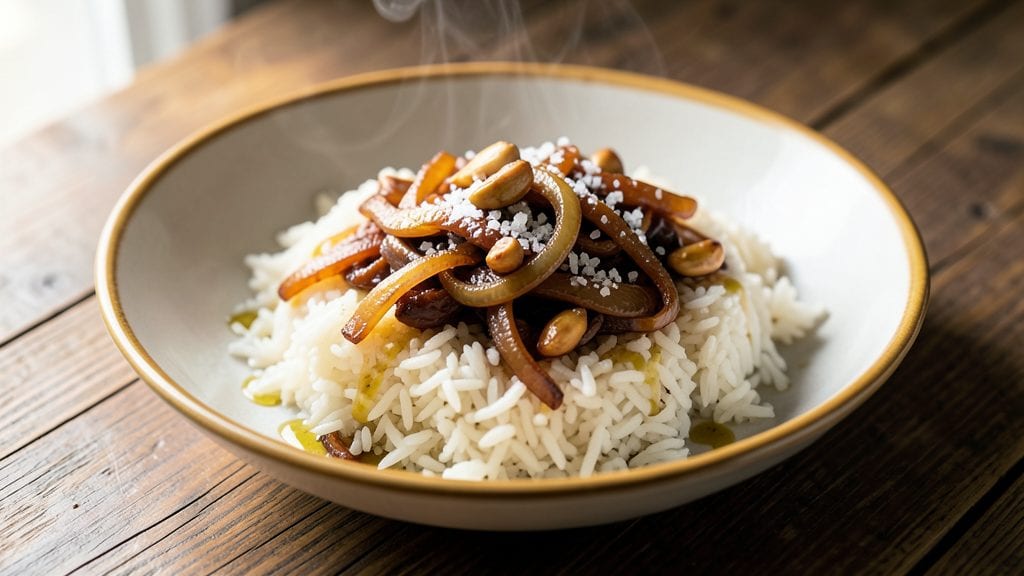
This Philippine rice recipe transforms simple grains into a fragrant, coconut-infused masterpiece that’s the heart of every Filipino meal. The secret lies in coconut milk, which infuses the rice with a delicate sweetness and velvety texture that sets it apart from ordinary white rice.
Growing up, this was the dish that turned ordinary weeknights into celebrations—its aroma alone could fill an entire home.
What makes this recipe special is its versatility and cultural depth. Traditionally served at gatherings, it pairs beautifully with grilled meats, stews, or even as a standalone dish. The process is straightforward but requires patience—layering the coconut milk, rice, and spices just right ensures each grain absorbs flavor evenly.
No special equipment is needed, just a pot, a stove, and about 30 minutes of your time.
By the time you’re done, you’ll have perfectly sticky, golden rice with a subtle coconut aroma that lingers long after the last bite. The grains stay tender yet hold their shape, creating a dish that’s both comforting and impressive.
This is the kind of rice that makes you feel like you’re dining at a Filipino karinderia—full of warmth and tradition.
The best part? This recipe adapts effortlessly to variations—add ube for a purple-hued twist, sprinkle cheese for a modern touch, or keep it classic with just coconut milk and garlic. Whether you’re cooking for family or a special occasion, this dish delivers restaurant-quality results at home.
Ingredients for philippine rice
Simple grains meet coconut magic for fragrant, sticky rice that's the soul of Filipino meals.
| Ingredient | Amount | Notes |
|---|---|---|
| Jasmine Rice 🍚 | 1 ½ cups | Uncooked, long-grain preferred |
| Coconut Milk 🥥 | 13 ½ oz | Full-fat canned variety |
| Water 💧 | 2 cups | Room temperature preferred |
| Yellow Onion 🧅 | 1 whole | Finely chopped |
| Garlic Cloves 🧄 | 4 cloves | Minced for aroma |
| Salt 🧂 | 1 tsp | Kosher or sea salt |
| White Pepper 🌶️ | ¼ tsp | Freshly ground preferred |
| Bay Leaf 🍃 | 1 whole | Dried, for depth |
| Pandan Leaf 🌿 | 1 whole | Optional, for authentic aroma |
| Vegetable Oil 🫒 | 1 tbsp | For sautéing |
| Sugar 🍯 | 1 tbsp | Balances coconut sweetness |
Coconut milk is the star here—full-fat canned is non-negotiable for that rich, velvety texture. Thai Kitchen or Goya are reliable brands, but any canned coconut milk will work if it's not watered down. Look for cans with minimal additives. The pandan leaf? That's the secret Filipino touch—find it at Asian markets or online. If you can't get it, skip it, but your rice will still taste amazing. For the rice itself, jasmine rice
No pandan leaf? Vanilla extract at 1/4 tsp mimics the aroma, though it's not the same. Short on coconut milk? Substitute with half coconut milk and half water, but the texture won't be quite as luxurious. The sugar is optional but balances the coconut sweetness beautifully—skip it if you're using sweet rice. For the onion and garlic, freshly minced makes all the difference. Pre-minced from a jar works in a pinch, but it's not the same. The bay leaf adds depth—don't skip it, but remove it before serving. This rice reheats beautifully—steam it over boiling water for 2 minutes to restore that perfect stickiness. Keeps for 4 days in the fridge, covered tightly. For leftovers, store in an airtight container with a damp paper towel on top to keep it moist. Freezes for 3 months if you want to make a big batch. I always double the recipe—it disappears fast, especially when paired with grilled meats or stews.
Why You'll Love This Recipe
- Five-Minute Prep: I swear, this is the kind of rice where you measure, pour, and walk away. No stirring, no fuss—just slice the onions and garlic, toss them in the pot with coconut milk and water, then let the rice soak up all that creamy goodness while you handle the rest of dinner.
- Coconut-Garlic Magic: That first whiff of sautéed garlic in coconut milk? Pure comfort. The rice ends up tender with just a hint of nutty depth, and the garlic lingers like a warm hug—no heavy spices, just rich, simple flavor that makes everything taste better.
- Leftover Hero: Between us, this rice tastes better the next day. The coconut milk gets even more velvety, and the rice grains soften into that perfect, sticky texture. Pack it for lunch or reheat it for breakfast—it’s my go-to for lazy mornings.
- Budget-Friendly Feast: Honestly, this is rice on a shoestring. Coconut milk adds luxury for pennies, and a single onion and handful of garlic stretch across multiple meals. I’ve fed four people for under $5 with this—plus, it’s the kind of dish that makes you look like a pro without breaking the bank.
Step-by-step instructions for fragrant coconut rice
Here's how to make this aromatic, sticky rice with rich coconut milk and subtle pandan flavor.
Sauté the Aromatics
Heat the 1 tablespoon vegetable oil in a medium saucepan over medium heat. Add the 1 whole yellow onion and cook for 5 minutes until softened and translucent. This step builds the flavor foundation.
Add the 4 cloves garlic cloves and cook for another 1 minute until fragrant. Be careful not to let the garlic brown—it should just release its aroma. The onions should be tender but not colored. This quick cooking preserves their sweetness while developing depth.
Toast the Rice and Add Seasonings
Stir in the 1.5 cups jasmine rice and toast for 2-3 minutes until the grains become slightly translucent at the edges. This toasting step enhances the rice's natural aroma and prevents mushiness.
Add the 1 whole bay leaf, 1 whole pandan leaf (if using), 1 tablespoon sugar, 1 teaspoon salt, and 0.25 teaspoon white pepper. Stir everything together for 30 seconds to distribute the seasonings evenly. The sugar balances the coconut's sweetness while the pepper adds subtle warmth.
Combine Liquids and Simmer
Pour in the 2 cups water and 13.5 ounces coconut milk, stirring gently to combine. The mixture should look creamy but not too thick. Bring to a boil over medium-high heat, then immediately reduce heat to low and cover tightly with a lid.
Let it simmer for 15 minutes without lifting the lid. This initial cooking period allows the rice to absorb the coconut milk and water evenly. You'll notice small bubbles forming around the edges—this is normal and indicates proper steaming.
Steam to Perfection
After 15 minutes, turn off the heat but leave the rice covered. Let it steam for another 15-20 minutes. This resting period allows the rice to finish cooking evenly and develop its signature sticky texture.
Check for doneness by fluffing the rice gently with a fork. The grains should be tender but still hold their shape slightly. If any liquid remains, cover and let it absorb for another 5 minutes. The rice should be moist but not soupy—each grain should cling together just enough to form a fragrant, cohesive mass.
Pro Tips For Making Philippine Rice
- Bloom the Onions First: Slice those onions thin and let them sit in the pot for 2-3 minutes before adding garlic. I learned this the hard way—skipping this step means your rice will taste like it’s playing second fiddle to the coconut milk’s sweetness. The onions soften and release flavor without burning, which is non-negotiable for that rich, layered taste.
- Use Full-Fat Coconut Milk: Light coconut milk? Skip it. The creaminess in full-fat (40% or higher) actually thickens the rice better and gives it that signature stickiness. I was skeptical until I tried it—now I won’t go back, especially when making this for a crowd.
- Simmer, Don’t Boil: Once the rice is absorbed, drop the heat to the lowest setting and let it sit covered for 10 minutes. Boiling after absorption turns your rice into glue. This step is the thing that matters most for getting that perfect, fluffy texture without drying it out.
- Toast the Garlic Lightly: Sauté the garlic in the coconut milk until it’s just golden—about 30 seconds—before adding rice. Burnt garlic ruins everything, and you’ll taste it even through the coconut. Sounds weird, but it works: the aroma locks in, and the rice gets a subtle depth that’s missing otherwise.
Perfect pairings for this philippine rice
Classic Filipino Sides
This coconut rice pairs beautifully with sinigang (sour tamarind stew), where the tangy broth cuts through the richness. I often serve it alongside adobo—the salty-sweet sauce complements the rice's subtle sweetness perfectly.
For a vegetarian option, try ginataang gulay (vegetables in coconut milk), which mirrors the rice's creamy texture. 🍲
Protein Pairings
Grilled lechon kawali (Filipino fried pork belly) and the rice create an unbeatable combo—the crispy pork contrasts the soft, sticky grains. For seafood lovers, sinugbaang tilapia (garlic shrimp or tilapia) adds a garlicky punch that balances the coconut.
I also love serving it with chicken inasal (grilled chicken with calamansi sauce) for a restaurant-style meal at home.
Vegetable Sides
Add sautéed kangkong (water spinach) with garlic and soy sauce for a quick, nutritious side—the spinach's earthiness contrasts the rice's sweetness. Atchara (Filipino pickled papaya) adds a tangy crunch that cleanses the palate.
For a heartier option, lumpia (spring rolls) with sweet chili sauce make a complete meal. The pickled flavors cut through the richness beautifully.
Drink Recommendations
Serve with barako coffee (Filipino brewed coffee) for a bold, slightly bitter contrast to the sweet rice. For something lighter, calamansi juice (Filipino limeade) adds a citrusy zing. Iced tsokolate (Filipino hot chocolate) with condensed milk is a decadent dessert pairing that echoes the coconut flavors. 🍹
Modern Twists
For a fusion approach, pair with spicy kimchi to add Korean heat—it’s unexpected but works perfectly. Avocado salad with lime and chili flakes brings freshness to the meal. Even grilled cheese sandwiches (yes, really!) can be a fun, unexpected match—the cheesy richness complements the coconut beautifully. Think outside the box!
Garnish Ideas
Top with toasted coconut flakes for extra texture and aroma. Fresh cilantro leaves add a bright, herbaceous note. A sprinkle of crushed roasted peanuts gives a nutty crunch that contrasts the soft rice. For a sweet touch, drizzle with condensed milk or ube jam—both elevate the dish instantly. 🌟
Nutrition facts
Frequently asked questions
Why does Filipino coconut rice turn out sticky?
The stickiness comes from the perfect ratio of jasmine rice to coconut milk and water. The coconut milk adds natural fats that coat the grains, while the long cooking time at low heat allows the starches to soften and bond. This creates that signature leche flan-like texture without being mushy.
Can I substitute regular white rice for jasmine?
Yes, but the aroma and texture will differ slightly. Jasmine rice has a natural fragrance that pairs perfectly with coconut milk. If using long-grain white rice, add 1/4 teaspoon vanilla extract to mimic the floral notes. The stickiness will still work, but the flavor profile won't be as authentic.
What if my rice is too dry or too soupy?
Too dry? Add 2 tablespoons coconut milk and 1 tablespoon water, then steam covered for 5 minutes. Too soupy? Uncover and let it sit for 10 minutes to evaporate excess moisture. The key is patience—Filipino rice should be moist but not wet.
Is pandan leaf essential for authentic flavor?
Not essential, but it's the secret to that classic Filipino aroma. If unavailable, use 1/4 teaspoon vanilla extract or 1/8 teaspoon pandan extract. The dish will still taste amazing—just slightly different. For the full experience, track down pandan leaves at Asian markets.
Can I make this rice in a rice cooker?
Follow the same steps until adding liquids—sauté aromatics and toast rice first. Then combine with coconut milk and water, set to cook, and let it steam for 30 minutes on high. The rice cooker maintains even heat, perfect for this delicate balance. Just avoid stirring once cooking begins.