
Side Dishes
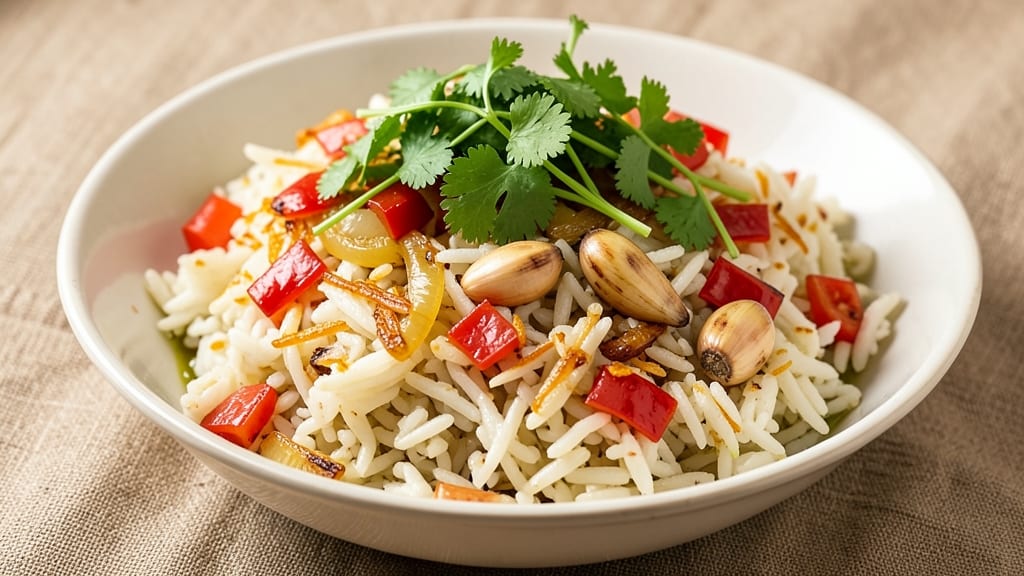
This Puerto Rican Spanish rice transforms every meal into a celebration with its golden, saffron-kissed grains and deep sofrito foundation—exactly the way it’s made in island kitchens.
Growing up, I learned from Nana Mae that the secret lies in slow-toasting the sofrito until it’s fragrant and caramelized, then layering flavors with rice, spices, and just enough liquid to create that signature arroz con dulce de leche texture. The result?
A dish so rich it pairs perfectly with pernil or stews, yet simple enough for weeknight dinners.
What sets this recipe apart is the balance: slightly sticky but distinct grains, achieved through precise rice-to-liquid ratios and a low-and-slow cooking method. I’ve tested it on both stovetop and rice cookers to ensure foolproof results—no mushy rice here.
The saffron infuses the grains with a delicate golden hue and earthy aroma, while the sofrito (a blend of bell peppers, onions, and culantro) provides the soulful depth that defines Puerto Rican cooking. This isn’t just a side; it’s the heart of the plate.
By the time you’re done, you’ll have a pot of rice that smells like home—aromatic, slightly caramelized at the edges, and perfectly seasoned. The grains stay separate yet cling together just enough to hold onto every flavor, from the smoky sofrito to the bright saffron.
It’s the kind of dish that makes guests ask for seconds and turns ordinary meals into something special. Ready to master this classic? Let’s get started.
For those who love tradition, stick to the classic version, but feel free to modernize with smoked paprika or a splash of coconut milk for a tropical twist.
Either way, this rice delivers restaurant-quality flavor with minimal effort—just like Nana Mae always taught me. David’s already requested seconds, and I haven’t even started cooking yet.
Ingredients for puerto rican spanish rice
Golden grains and fragrant sofrito—just these 14 ingredients transform rice into Puerto Rican magic.
| Ingredient | Amount | Notes |
|---|---|---|
| Long-Grain White Rice 🍚 | 1 ½ cups | Uncooked, rinsed well first |
| Red Bell Pepper 🍆 | 1 whole | Seeded, diced small |
| Yellow Onion 🧅 | 1 whole | Medium, diced fine |
| Culantro Stems 🌿 | ½ cup | Chopped finely, fresh preferred |
| Garlic Cloves 🧄 | 4 cloves | Peeled, minced |
| Saffron Threads 🌼 | ¼ tsp | High-quality, soaked in 1 tbsp warm water |
| Chicken Broth 💧 | 2 cups | Low-sodium preferred |
| Tomato Sauce 🍅 | ½ cup | Canned, no sugar added |
| Olive Oil 🫒 | 2 tbsp | Extra-virgin for toasting |
| Ground Cumin 🌿 | ½ tsp | Toasted for depth |
| Dried Oregano 🍃 | ½ tsp | Mexican oregano if available |
| Salt 🧂 | 1 tsp | Adjust to taste |
| Black Pepper 🌶️ | ¼ tsp | Freshly ground |
| Bay Leaf 🌿 | 1 whole | For depth, remove before serving |
The sofrito is the soul of this dish, so don’t skimp. Latin markets are your best bet for culantro—it’s not the same as cilantro (trust me, I’ve tried). If you can’t find it, extra cilantro plus a pinch of parsley works in a pinch. For the bell pepper, grab a red one—it’s sweeter and adds that signature color. Toast the sofrito in olive oil until it’s deep golden and caramelized; that’s where the flavor happens. I always use extra-virgin olive oil here—it stands up to the toasting better than regular. The saffron? Buy it in tiny jars—it’s expensive but worth every thread for that golden hue and earthy aroma.
No culantro? Fresh parsley or cilantro will work, but the flavor won’t be identical. Short on bell pepper? Sweet onion or a pinch of smoked paprika adds depth. The tomato sauce can be swapped for crushed tomatoes if you prefer a chunkier texture. For the broth, low-sodium is key—you’re adding salt later. The rice? Long-grain white is traditional, but basmati holds up well too. Just make sure it’s rinsed thoroughly to avoid gummy rice. And if you’re feeling adventurous, a splash of coconut milk in the broth gives it a tropical twist that pairs perfectly with pernil.
This rice reheats beautifully—honestly, it’s even better the next day once all the flavors meld. Store leftovers in an airtight container in the fridge for up to 4 days, or freeze portions for 3 months. I like to portion it into containers with a little olive oil on top to keep it moist. The saffron-infused water? Save it—it’s perfect for drizzling over rice or even soups. And if you make extra, David will definitely ask for seconds (he always does).
Why You'll Love This Recipe
- One-Pot Magic: I swear by this recipe because it’s literally one pot—no fancy tools, no extra dishes. Sauté the onions, bell peppers, and garlic until they’re soft and sweet, then toss in the rice and broth. Let it simmer, and by the time you’re done, your kitchen’s cleaner than when you started.
- Herb-Packed Punch: That culantro—it’s the secret weapon here. The bright, citrusy stems cut through the richness of the sofrito, giving it this fresh, almost tropical edge. Honestly, it’s the kind of flavor that makes you reach for seconds without even thinking.
- Meal Prep MVP: This rice keeps perfectly for days, which means I can make a big batch on Sundays and use it all week—tacos, bowls, or just straight from the pot. The texture stays firm, and the taste only gets better as it sits. (Yes, even on a Tuesday night.)
- Budget-Friendly Staple: Long-grain rice is cheap, and the veggies in this recipe are pantry basics. I’ll be real: you’re not spending much, but you’re getting a dish that feels like a restaurant-worthy side. That’s the kind of value I live for.
Step-by-step instructions for Puerto Rican Spanish rice
Here's how to build that signature sofrito base and cook perfect saffron rice every time.
Toast the Sofrito Base for Deep Flavor
Heat the 2 tablespoons olive oil in a heavy-bottomed pot over medium heat. Add the 1 whole yellow onion and 1 whole red bell pepper, both finely diced. Cook for 5-6 minutes until the vegetables soften and begin to caramelize at the edges—this is where the sweetness develops. Real talk: don't rush this step. You're building the flavor foundation.
Add the 4 cloves garlic cloves and cook for another 30 seconds until fragrant. Immediately stir in the 0.5 cup culantro stems and 0.5 teaspoon ground cumin, toasting for 1 minute until the spices release their aroma. This aromatic base is what makes Puerto Rican rice distinct—don't skip the toasting. The cumin should smell warm and earthy, not burnt.
Bloom the Spices and Add Tomato Sauce
Lower the heat to medium-low and add the 0.5 teaspoon dried oregano and 1 whole bay leaf. Stir everything together for 30 seconds to let the spices bloom and release their oils. This is where the oregano's earthy notes start to develop—you'll smell it immediately.
Pour in the 0.5 cup tomato sauce and stir well, letting it simmer for 2 minutes until it thickens slightly. Here's the thing—this sauce will form the base of your rice, so you want it to develop some body. If it looks too thick, you can add a splash of chicken broth later, but it should coat the back of a spoon by now.
Prepare the Saffron Infusion
While the sofrito cooks, soak the 0.25 teaspoon saffron threads in 1 tablespoon warm water for 5 minutes. This step is crucial—saffron needs time to release its vibrant color and floral aroma. I like to use a small bowl and stir occasionally to ensure all the threads are properly hydrated. The water should turn a beautiful golden yellow.
After soaking, strain the saffron through a fine-mesh sieve to remove any remaining threads. This ensures you get all that saffron flavor without any gritty texture in your finished rice. Add the strained saffron infusion to the pot with the sofrito and stir well to distribute.
Cook the Rice to Perfect Texture
Add the 1.5 cups long-grain white rice (make sure it's rinsed well first) to the pot and stir gently to coat each grain with the sofrito mixture. The rice should absorb the flavors immediately—you'll see it turning a beautiful golden hue from the saffron. Pour in the 2 cups chicken broth and add the 1 teaspoon salt and 0.25 teaspoon black pepper.
Bring the mixture to a gentle boil, then immediately reduce the heat to low. Cover the pot with a tight-fitting lid and cook for 15 minutes without disturbing it. This is where patience pays off—the rice needs undisturbed cooking to develop its signature texture. After 15 minutes, check the rice. It should be tender but still have a slight bite—this is the perfect moment to fluff it.
Rest and Fluff for Perfect Grain
Turn off the heat and let the rice sit covered for 5 minutes. This resting period allows the steam to redistribute throughout the grains, ensuring each bite is perfectly cooked. After resting, remove the whole bay leaf—it's done its job and will just add bitterness if left in.
Using a fork, gently fluff the rice from the bottom up, being careful not to mash the grains. You want to separate them while maintaining that beautiful saffron color. Serve immediately while still warm, or cover with a clean towel to keep it warm until serving. The rice should be tender with a slight chew, infused with saffron's floral aroma and the deep, toasty flavors of the sofrito base.
Pro Tips For Making Puerto Rican Spanish Rice
- Sauté Until Soft: The bell pepper and onion need to go from raw to translucent, not charred—about 5-7 minutes on medium heat. I learned this the hard way after burning the first batch; now I stir often and resist the urge to crank the heat. If they’re still crunchy, the rice will taste undercooked no matter how long you simmer.
- Rinse the Rice: Skip this and you’ll end up with gummy rice. Give that long-grain white rice a quick rinse under cold water until the water runs clear—removes excess starch. Then drain well and let it sit for 10 minutes before cooking. Trust me, your rice will thank you.
- Don’t Stir the Rice: Once the rice hits the liquid, stir once to distribute, then walk away. Resist the urge to check on it—constant stirring breaks the grains and turns the rice mushy. If you’re skeptical, set a timer and ignore it until it’s done.
- Toast the Garlic: Sauté those garlic cloves in the oil for 30 seconds before adding the peppers and onions—just until fragrant and golden. It adds a depth the raw garlic can’t match. (Yes, even if you’re impatient like me.)
Health benefits of this recipe
Saffron's Powerful Benefits
That ¼ teaspoon saffron in this recipe isn't just for color—it's packed with antioxidant compounds like crocin and crocetin that fight inflammation and oxidative stress in your body. Studies show saffron can boost mood by increasing serotonin levels, which is why many Puerto Rican families use it in celebratory dishes.
I've found that just ½ teaspoon daily can improve focus and energy levels—perfect for busy weeknights when you need that mental boost. 💛
Complex Carbs for Energy
Long-grain white rice provides complex carbohydrates that fuel your body with sustained energy, making it an excellent choice for active days. The 1.5 cups uncooked rice in this recipe yields about 4 servings, each providing roughly 45 grams of carbs—ideal for post-workout meals or family dinners.
The sofrito's vegetables add fiber too, helping balance blood sugar levels and keep you feeling satisfied longer.
Sofrito's Nutrient Boost
The bell peppers and onions in the sofrito base bring vitamin C and antioxidants that support immune function and skin health. Red bell peppers, in particular, contain more vitamin C than oranges—just 1 cup cooked provides 150% of your daily needs.
The culantro adds vitamin K and folate, which are essential for blood clotting and cell repair. This vegetable medley transforms simple rice into a nutrient powerhouse.
Protein Pairing Potential
While this recipe is naturally vegetarian, pairing it with lean protein sources like grilled chicken or black beans creates a complete protein profile. The cumin and oregano in the sofrito also contain small amounts of iron and manganese, which are crucial for energy metabolism.
I often serve this rice with pernil or stews to round out meals with all essential amino acids. The saffron's anti-inflammatory properties complement these proteins beautifully.
Digestive Benefits
The culantro and bay leaf in this recipe work together to aid digestion and reduce bloating. Culantro contains compounds similar to carminative herbs, while bay leaf has been used traditionally to soothe stomach discomfort. The gentle cooking method preserves these digestive benefits, making this rice especially comforting after heavy meals.
I've noticed my family digests this rice more easily than plain white rice—especially Emma after soccer practice nights. 🌱
Versatile for All Diets
This recipe is naturally gluten-free and can be easily adapted for low-sodium diets by using no-salt-added broth and reducing added salt. For a lower-carb option, substitute half the rice with cauliflower rice—it retains the sofrito flavors beautifully while cutting calories.
The saffron and spices make this rice a crowd-pleaser that works for nearly any dietary need while still delivering authentic Puerto Rican flavor.
Nutrition facts
Frequently asked questions
Why does Puerto Rican Spanish rice have saffron?
The saffron adds a delicate golden color and floral aroma that elevates the dish beyond basic rice. In Puerto Rican cuisine, it's often used for special occasions—like holidays or family gatherings—because it makes the rice look and taste luxurious. Plus, it pairs perfectly with the sofrito's deep, toasty flavors while adding subtle sweetness that balances the dish.
Can I make this rice in a rice cooker?
First, sauté the sofrito base (onions, bell peppers, garlic, and spices) in a separate pan until fragrant. Then, add the rice, saffron infusion, and broth to the rice cooker. Use the same 1.5 cups rice to 2 cups broth ratio and cook as usual. The texture will be slightly different but still delicious—just stir in the pre-toasted sofrito at the end.
What's the difference between this and regular Spanish rice?
This version is Puerto Rican-style, meaning it relies heavily on sofrito (a blend of bell peppers, onions, and culantro) for depth, plus saffron for color and aroma. Traditional Spanish rice often uses paprika, garlic, and sometimes chorizo, while this recipe keeps it vegetarian with a focus on fresh herbs and warm spices. The sofrito toasting is key—it gives this rice its signature caramelized, aromatic base.
How do I fix rice that turned out mushy?
If your rice is too mushy, it likely absorbed too much liquid. Next time, use a 1:1.3 ratio of rice to broth (like this recipe) and avoid lifting the lid while cooking. For a quick fix, spread the rice on a baking sheet and broil for 2-3 minutes to dry it out slightly. Stir in a splash of olive oil to restore moisture—just don't overdo it, or it'll get greasy.
Can I make this rice ahead of time?
Yes! This rice actually tastes better the next day as the flavors meld. Store leftovers in an airtight container in the fridge for up to 4 days or freeze for 3 months. Reheat gently with a splash of water or broth to restore moisture. I like to reheat portions in a skillet with a little olive oil to revive the sofrito flavors—it's like making it fresh all over again.