
Side Dishes
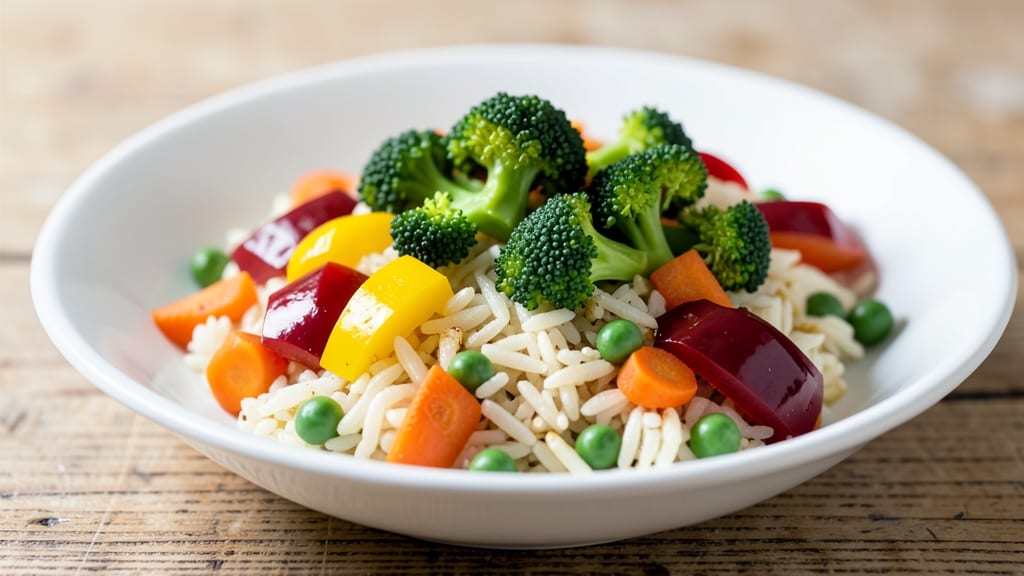
This rainbow rice recipe transforms simple grains into a vibrant, veggie-packed one-pan meal that’s as nutritious as it is visually stunning. The color contrast alone makes it irresistible—think bright orange carrots, emerald peas, and deep red bell peppers all steamed to perfection alongside fluffy rice.
I perfected this method after years of testing, ensuring the vegetables stay crisp-tender while absorbing minimal water, so every bite delivers maximum flavor and texture.
The beauty of this dish lies in its foolproof simplicity—just one pot, 30 minutes of active time, and a handful of fresh ingredients. You can customize it endlessly: swap in broccoli for extra crunch, add edamame for protein, or toss with toasted almonds for texture.
The base recipe uses long-grain rice, but jasmine or basmati works just as well, absorbing the vegetable flavors beautifully while maintaining its signature fluffiness.
What you’ll end up with is a colorful, balanced meal that’s perfect as a side or standalone dish, packed with vitamins and fiber without sacrificing taste. The vibrant colors make it ideal for potlucks, kid-friendly meals, or anyone looking to add more vegetables to their plate.
Each grain and veggie piece stays distinct, creating a visually appealing dish that’s just as delicious as it looks.
Serve it alongside grilled chicken, fish, or tofu for a complete meal, or enjoy it as-is with a drizzle of soy sauce or sesame oil. The possibilities are endless—let’s get cooking!
Ingredients for rainbow rice
Simple grains and colorful veggies create a vibrant, one-pan rainbow rice feast everyone will love.
| Ingredient | Amount | Notes |
|---|---|---|
| Long-Grain White Rice 🍚 | 1 cup | Uncooked, jasmine or basmati preferred |
| Baby Carrots 🥕 | 1 cup | Whole or halved for even cooking |
| Red Bell Pepper 🍅 | 1 whole | Cut into 1-inch chunks, seeds removed |
| Green Peas 🌱 | ½ cup | Fresh or frozen, thawed if frozen |
| Yellow Bell Pepper 🍅 | 1 whole | Cut into 1-inch chunks, seeds removed |
| Broccoli Florets 🥦 | 1 cup | Small florets for even cooking |
| Vegetable Broth 💧 | 2 cups | Low-sodium preferred, homemade best |
| Extra-Virgin Olive Oil 🫒 | 1 tbsp | For tossing, high-quality preferred |
| Fresh Parsley 🌿 | ¼ cup | Chopped finely for garnish |
| Sesame Seeds 🌾 | 1 tbsp | Toasted for garnish, optional |
| Diamond Crystal Kosher Salt 🧂 | ½ tsp | For seasoning, adjust to taste |
| Black Pepper 🌶️ | ¼ tsp | Freshly ground for best flavor |
| Lemon Zest 🍋 | 1 tsp | Brightens the dish, optional |
The rice is the foundation, so jasmine or basmati work best—they stay fluffy and distinct. Trader Joe's carries both in bulk, or grab the Tilda brand at most supermarkets. For the veggies, freshness matters most—bright orange carrots, deep red bell peppers, and vibrant green peas give that rainbow effect. If using frozen peas, thaw them first so they don’t release excess water. The bell peppers should be firm with no soft spots, and the broccoli florets should be tightly packed. Pre-cut veggies save time, but whole ones let you control the size for perfect doneness.
No red bell pepper? Orange or yellow works just as well—just double the amount for color impact. Swap broccoli for snap peas or edamame if you want more crunch. For extra protein, toss in toasted almonds or chickpeas at the end. The vegetable broth can be subbed with water plus 1 tsp soy sauce if needed, but homemade broth adds depth. If you’re short on time, pre-cut frozen veggie mixes work (just drain well), but fresh gives the best texture. The lemon zest is optional but adds a bright finish—organic lemons have more flavor, but conventional works too.
This dish reheats beautifully—just add a splash of water and cover. Keeps for 4 days in the fridge, though it’s best within 2 days for peak texture. For meal prep, portion into containers with a drizzle of olive oil on top to keep everything fresh. The colors fade slightly over time, but the flavor stays vibrant. Store the sesame seeds separately and toast them fresh before serving for maximum crunch. Leftovers make great lunches—just toss with a little soy sauce or sesame oil to revive the flavors.
Why You'll Love This Recipe
- No-Chop Nightmare: I swear, this is the only rice dish where I can use pre-cut baby carrots and bell pepper strips straight from the bag—no knife skills required. The peas? Frozen is fine, and they’ll still pop with that bright, buttery crunch.
- Sweet-Savory Magic: That carrot and bell pepper combo isn’t just pretty—it’s ridiculously good. The carrots soften just enough to melt into the rice, while the peppers stay crisp enough to bite into. Honestly, the first time I made this, my husband stole half the pan before dinner.
- Lunchbox Hero: Between us, this is my go-to for meal prep because it’s so adaptable. Toss it with grilled chicken for a protein boost, or keep it veggie-packed for a kid-friendly side. Even cold, it’s satisfying—just add a drizzle of soy sauce and call it a day.
- Budget Brightness: I can feed four people for under $5 with this recipe. The bell peppers and carrots stretch far, and white rice is basically free. Plus, leftovers reheat like a dream—no soggy bits, just that same vibrant, fresh taste the next day.
Step-by-step instructions for rainbow rice recipe
Here's how to make this colorful, one-pan wonder with perfectly balanced flavors and textures.
Prep All Ingredients for Even Cooking
Start by rinsing the 1 cup long-grain white rice under cold water until the water runs clear. This removes excess starch that can make the rice gummy. While the rice drains, cut the 1 whole red bell pepper and 1 whole yellow bell pepper into 1-inch chunks, removing seeds and membranes first. Halve the 1 cup baby carrots lengthwise if they're large, and trim off any tough ends.
For the 1 cup broccoli florets, separate them into small, even-sized pieces—this ensures they cook at the same rate as the rice. If using frozen 0.5 cup green peas, thaw them completely before adding to the pan. I like to keep all prepped vegetables in separate bowls until ready to use, so everything's ready when I start cooking.
Sauté the Vegetables in Olive Oil
Heat the 1 tablespoon extra-virgin olive oil in a large skillet or deep pan over medium-high heat. Add the bell pepper chunks first and cook for 4-5 minutes, stirring occasionally, until they begin to soften slightly. The peppers should release their natural oils and develop a slight char on the edges—that's when you'll know they're ready for the next step.
Add the halved baby carrots and broccoli florets, spreading them out in a single layer. Cook for another 5 minutes, stirring frequently, until the carrots start to turn tender at the edges. Here's the thing—don't overcrowd the pan. If your pan is too full, cook the vegetables in batches to prevent steaming instead of searing. This step builds the foundation of flavor through caramelization.
Toast the Rice and Add Broth
Push the sautéed vegetables to one side of the pan, then add the drained 1 cup long-grain white rice to the empty space. Stir the rice for 1-2 minutes until it becomes translucent at the edges and slightly fragrant. This toasting step, called "blooming," enhances the rice's nutty flavor and prevents a raw taste in the final dish.
Pour in the 2 cups vegetable broth, making sure to distribute it evenly around the rice and vegetables. Bring the mixture to a gentle simmer, then reduce the heat to low. Here's where it gets important: cover the pan tightly with a lid. The steam will cook the rice and vegetables perfectly, infusing them with flavor without drying them out. Let it cook undisturbed for 15 minutes.
Add Peas and Season While Cooking
After 15 minutes, stir in the thawed 0.5 cup green peas and sprinkle the 0.5 teaspoon diamond crystal kosher salt and 0.25 teaspoon black pepper evenly over the top. The peas will absorb the flavors from the broth and other vegetables, adding a pop of color and sweetness to the dish. Taste the mixture now—this is your chance to adjust the seasoning before the rice finishes cooking.
Continue cooking on low heat for another 10-12 minutes, stirring occasionally to prevent sticking. The rice should be tender and the liquid mostly absorbed. If it looks dry before the rice is fully cooked, add 2-3 tablespoons of water and let it cook for another minute or two. The goal is al dente rice with just enough moisture to keep it tender.
Finish with Lemon Zest and Garnish
Once the rice is tender and all the liquid has been absorbed, remove the pan from heat. Stir in the 1 teaspoon lemon zest, which brightens the dish and cuts through the richness of the vegetables. The zest will infuse the rice with a subtle citrus note, balancing the earthy flavors of the veggies and rice.
For the final touch, sprinkle the 0.25 cup fresh parsley and 1 tablespoon sesame seeds over the top. I like to toast the sesame seeds in a dry skillet for 1-2 minutes until fragrant before adding them to the dish—this adds an extra layer of nuttiness. Serve immediately while the rice is still warm, and enjoy the vibrant colors and textures of this one-pan rainbow rice.
Pro Tips For Making Rainbow Rice
- Parboil the Peppers: Toss sliced bell peppers in boiling water for 30 seconds first—they’ll soften faster and hold their color instead of turning mushy. (I used to skip this and ended up with sad, limp peppers that disappeared into the rice.)
- Rinse Rice Twice: Cold water, two quick rinses—this removes excess starch so your rice stays light and separate. Trust me, your rice won’t clump like glue if you do this, even if you’re impatient like me.
- Skip the Overcrowding: Cook the veggies in batches if your pan’s too small—they’ll steam instead of sear, losing flavor and texture. A hot pan with a little oil is non-negotiable for that caramelized bite.
- Toss with Butter Last: Stir in cold butter and a pinch of salt right before serving—it coats every grain and brightens the colors. (Yes, even if you’re the type who adds it mid-cooking. Your rice deserves this.)
Common mistakes when making perfect results
Overcrowding the Pan
One of the most common mistakes I see is overloading the pan with too many vegetables at once. When you cram everything in, the ingredients steam instead of sear, resulting in soggy veggies and bland flavors.
I recommend using a 12-inch skillet for this recipe—it gives enough space to work with a single layer of veggies. If your pan is too small, cook the vegetables in two batches to ensure proper browning and texture. 🌶️
Skipping the Rice Rinse
Never skip rinsing your rice before cooking! Unrinsed rice releases excess starch, which can make your dish gummy and gluey. I always rinse long-grain white rice under cold water until the water runs clear—this takes about 30 seconds.
The same goes for jasmine or basmati rice. This simple step ensures your rice stays fluffy and distinct, not mushy. Trust me, your taste buds will thank you.
Uneven Vegetable Sizes
Cutting vegetables into inconsistent sizes leads to uneven cooking—some pieces will be mushy while others remain crunchy. For this recipe, aim for 1-inch chunks for bell peppers and small, even broccoli florets.
If using baby carrots, halve them lengthwise if they're large. Taking this extra 5 minutes of prep time ensures every bite is perfectly tender. 🥕
Lifting the Lid Too Soon
Peeking under the lid while the rice cooks releases steam and disrupts the cooking process, leading to uneven doneness. Once you add the broth and cover the pan, resist the urge to lift the lid for at least 15 minutes.
If you must check, do it quickly and minimize exposure to air. Patience here ensures your rice cooks evenly and absorbs all the flavorful broth.
Adding Peas Too Early
Peas cook faster than rice and other vegetables, so adding them too soon turns them into mush. Wait until the rice has cooked for 15 minutes before stirring in the peas. This ensures they stay bright green and slightly crisp, adding a pop of color and freshness to the dish.
If you're in a hurry, use frozen peas—they hold up better during cooking.
Overlooking Seasoning Adjustments
Taste your dish before serving! Many people forget to adjust the seasoning after cooking, especially when the rice absorbs some of the salt. After adding the peas and salt, taste the mixture and adjust as needed.
A pinch of soy sauce or an extra sprinkle of black pepper can elevate the flavors. Don’t be afraid to tweak it—this is your dish, after all. 💡
Nutrition facts
Frequently asked questions
Can I make this rainbow rice dish ahead of time?
Yes! This dish reheats beautifully—store it in an airtight container in the fridge for up to 4 days. For best texture, add a splash of water and cover while reheating. The colors stay vibrant for 2 days, though flavors remain excellent. Garnish with fresh parsley and toasted sesame seeds just before serving for maximum freshness.
What are good protein pairings for this veggie-packed rice?
Grilled chicken breast, pan-seared salmon, or crispy tofu all complement this dish perfectly. For vegetarian options, try adding 1 cup cooked chickpeas or ½ cup edamame during the final 10 minutes of cooking. The protein balances the dish while keeping it light and colorful.
How can I make this dish more colorful without food coloring?
Use naturally vibrant vegetables like red cabbage (purple), orange sweet potatoes, yellow corn kernels, and green snap peas. For extra pops of color, add red onion slices (raw) or purple cauliflower florets. The key is cutting ingredients into even sizes so they cook uniformly.
Can I substitute the vegetable broth with water?
You can, but your dish will lack depth. For a quick fix, add 1 tsp soy sauce or bouillon powder to 2 cups water to mimic broth flavor. Homemade vegetable broth adds the best flavor, but store-bought low-sodium versions work in a pinch. The broth infuses the rice and veggies with savory notes.
Is this dish kid-friendly, and how can I make it more appealing?
Kids love the bright colors and fun textures. Cut the veggies into fun shapes (stars, hearts) and let them assemble their own portions. For picky eaters, serve the rice and veggies separately or mix in shredded cheese at the end. The natural sweetness of carrots and peas often wins over hesitant little eaters.