
Main Courses
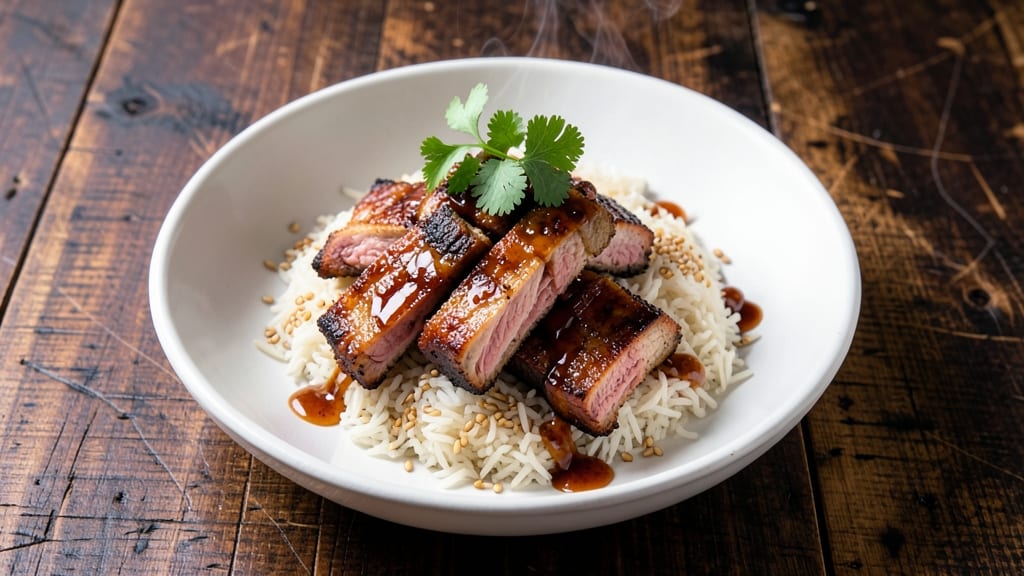
This ribs and rice recipe delivers fall-apart tenderness in every bite, paired with herbed fluffy grains that transform a weeknight into a restaurant-worthy meal. The secret lies in a dry rub that develops deep smoky flavors during slow cooking, while the rice absorbs aromatic herbs and stays perfectly light.
I’ve perfected this combination over years of testing—where the ribs become irresistibly chewy and the rice stays fluffy without turning mushy.
The ribs cook low and slow until they pull apart effortlessly, basted in their own juices, while the rice absorbs a fragrant blend of garlic, thyme, and bay leaves for an herbaceous depth.
This method ensures no dry meat or gummy grains—just perfectly balanced textures and flavors that make clean plates the norm. Ready in under 3 hours with minimal hands-on time, it’s the ideal dish for gatherings or cozy nights in.
Ingredients for ribs and rice
Six core ingredients deliver smoky ribs and fragrant herbed rice for a restaurant-worthy weeknight meal.
| Ingredient | Amount | Notes |
|---|---|---|
| Pork Baby Back Ribs 🥩 | 4 lb | Bone-in, meaty sections preferred |
| Brown Sugar 🍯 | ½ cup | Light or dark variety |
| Smoked Paprika 🌶️ | 2 tbsp | High-quality smoked paprika |
| Kosher Salt 🧂 | 1 ½ tbsp | Diamond Crystal preferred |
| Black Pepper 🌶️ | 1 tbsp | Freshly ground for best flavor |
| Garlic Powder 🧄 | 1 tbsp | Freshly ground preferred |
| Onion Powder 🧅 | 1 tbsp | Not onion salt |
| Apple Cider Vinegar 🍎 | ¼ cup | For tenderizing ribs |
| Long-Grain White Rice 🍚 | 2 cups | Uncooked, like jasmine or basmati |
| Fresh Thyme 🌿 | ¼ cup | Leaves only, chopped |
| Bay Leaves 🍃 | 2 whole | Dried, standard size |
| Garlic Cloves 🧄 | 4 cloves | Peeled, whole or smashed |
| Chicken Broth 💧 | 2 cups | Low-sodium preferred |
| Yellow Onion 🧅 | 1 whole | Medium size, diced |
| Honey 🍯 | ¼ cup | Wildflower preferred |
The ribs are the star, so pork baby backs with good marbling are essential. Costco or local butchers often have the best cuts—look for meaty sections without too much membrane. The dry rub needs high-quality smoked paprika (I recommend Penzeys or bulk bins) for that authentic smoky depth. Fresh thyme and bay leaves elevate the rice—Trader Joe's has great pre-bundled herb mixes if you're short on time. For the vinegar, Bragg is my go-to, but any apple cider vinegar works. The honey should be raw or wildflower for subtle floral notes that balance the smokiness.
No smoked paprika? Substitute with a mix of regular paprika and liquid smoke (½ tsp per tbsp paprika). Fresh thyme unavailable? Dried works at one-third the amount. The chicken broth can be swapped for beef broth or water, but add an extra pinch of salt. For the ribs, if you're short on time, slow cooker ribs use the same rub—just add ½ cup apple juice to the slow cooker. The rice stays fluffy thanks to the bay leaves and thyme—don't skip them, even if you're not a fan of bay flavor. It's subtle but makes a difference.
Rub the ribs and marinate overnight for best results, but 4 hours minimum works too. The rice can be prepped ahead—cook it, then refrigerate covered for up to 2 days. Reheat with a splash of water or broth. The ribs reheat best in a 350°F oven for 15 minutes with foil. Store cooked ribs in the fridge for 4 days or freeze for 3 months. For the rice, keep it in an airtight container with a damp paper towel to maintain moisture. Portion the ribs into serving sizes before freezing for easy reheating.
Why You'll Love This Recipe
- Fewer Messy Steps: I swear by this method—just slather the ribs with brown sugar and smoked paprika, then let the oven do the work while I stir the rice. No basting, no fuss, and the sticky glaze happens almost by magic.
- Sweet-Smoky Magic: That caramelized brown sugar crust on the ribs? It’s like a hug in food form, balanced by the warm, earthy kick of smoked paprika. Honestly, the first bite makes me forget I’m cooking.
- Weeknight or Crowd: This feeds six with ease—perfect for when my in-laws drop by unannounced or when I’m too tired to plan. The rice soaks up all the rib juices, so you’re not left with dry leftovers.
- Budget-Friendly Feast: A full rack of ribs costs less than takeout, and the spices stretch across multiple meals. I’ll be real: my freezer’s always stocked with extra ribs for lazy days, and the rice reheats like a dream.
Step-by-step instructions for smoky-spiced chews with herbed fluffy grains
Here's the method for perfectly tender ribs paired with aromatic rice.
Prepare and Season the Ribs
Remove the pork baby back ribs from the packaging and pat them dry thoroughly with paper towels. This step is crucial for developing that signature bark. In a small bowl, combine the 0.5 cup brown sugar, 2 tablespoons smoked paprika, 1.5 tablespoons kosher salt, 1 tablespoon black pepper, 1 tablespoon garlic powder, and 1 tablespoon onion powder. Mix well to create an even coating.
Generously apply this dry rub all over the ribs, pressing it into the meat so it adheres well. Place the ribs in a large resealable plastic bag and pour in the 0.25 cup apple cider vinegar. Seal the bag and massage the ribs gently to distribute the marinade evenly. Let them marinate in the refrigerator for at least 4 hours, or preferably overnight. This allows the flavors to penetrate deeply and helps tenderize the meat.
Cook the Ribs to Tender Perfection
Preheat your oven to 275°F. Line a large baking dish with heavy-duty aluminum foil and place the ribs bone-side down in the dish. Pour 1 cup of water into the bottom of the pan to create steam, which helps keep the meat moist during the long cook. Cover the dish tightly with another layer of foil and bake for 3 hours.
After 3 hours, remove the foil and increase the oven temperature to 325°F. Continue baking uncovered for another 1 to 1.5 hours, or until the ribs are fork-tender and easily pull apart. The internal temperature should reach 195°F to 203°F. If the ribs begin to dry out during this process, add more water to the pan and cover briefly with foil to restore moisture.
Prepare the Herbed Fluffy Rice
While the ribs are cooking, rinse the 2 cups long-grain white rice under cold water until the water runs clear. In a medium saucepan, combine the rice with the 2 cups chicken broth, 1 whole yellow onion (diced), 4 cloves garlic (smashed), 2 whole bay leaves, and the 0.25 cup chopped fresh thyme. Bring to a boil over medium-high heat, then reduce the heat to low, cover, and simmer for 15 minutes.
After 15 minutes, remove the pan from heat and let it sit covered for 10 minutes. This resting period allows the rice to absorb the liquid evenly and develop a fluffy texture. Once ready, fluff the rice gently with a fork and stir in the 0.25 cup honey. The honey adds a subtle sweetness that complements the smoky ribs beautifully. Taste and adjust seasoning if needed.
Glaze and Serve the Ribs
Once the ribs are tender, remove them from the oven and transfer them to a cutting board. In a small saucepan, combine the remaining 0.25 cup apple cider vinegar and the 0.25 cup honey. Bring to a simmer over medium heat and cook for 2 to 3 minutes, or until the mixture thickens slightly into a glossy glaze. Brush this mixture generously over the ribs, coating them evenly.
Slice the ribs between the bones into individual servings. Serve the ribs alongside the herbed fluffy rice, spooning the rice onto plates and placing the rib portions on top. Garnish with additional fresh thyme if desired. The combination of tender, smoky ribs and fragrant, fluffy rice creates a satisfying and well-balanced meal.
Pro Tips For Making Ribs And Rice
- CRANK THE HEAT FIRST: Baby back ribs need a head start—sear them over high heat for 3-4 minutes per side in a hot pan before any sauce or sugar touches them. I learned this the hard way when my ribs came out sticky instead of caramelized. The crust locks in flavor and keeps them from turning into mushy sugar logs later.
- SALT THE RIBS TWICE: Dry the ribs with paper towels first, then hit them with kosher salt before and after the initial sear. The first layer draws out moisture for better browning, and the second layer (after resting) ensures seasoning penetrates deep. Yes, it’s extra work, but it’s the thing that matters most for tender, well-seasoned ribs.
- SKIP THE CROWDED PAN: Resist the urge to pile ribs in a single layer—cook them in batches if needed. Crowding steams them instead of searing, and you’ll end up with uneven color and flavor. A quick 2-minute rest between batches keeps the pan hot enough for that perfect crust.
- BROWN THE SUGAR FIRST: Before tossing brown sugar into the pan with the ribs, melt it dry over medium heat for 1-2 minutes until it turns amber. This deepens its caramel flavor and prevents clumping when you add liquid later. I was skeptical until I tried it—now I never skip it.
Make-ahead tips for ribs and rice
Rib Prep Ahead
Season the ribs with the dry rub and apple cider vinegar up to 2 days in advance. Store them in a sealed container in the fridge, covered with plastic wrap.
This gives the flavors maximum time to meld while keeping the meat tender. I usually prep mine the night before—it’s a game-changer for flavor development. 💪
Rice Make-Ahead
Cook the herbed rice completely, then spread it on a baking sheet to cool quickly. Transfer to an airtight container with a damp paper towel to retain moisture.
It stays fresh in the fridge for 2 days or freezes beautifully for 1 month. Reheat with a splash of water or broth to restore fluffiness. 🍚
Rib Storage
Cooked ribs keep in the fridge for 4 days if stored in an airtight container. For longer storage, wrap individual rib portions in foil and freeze for up to 3 months. Thaw overnight in the fridge before reheating. I always portion mine before freezing—it makes serving a breeze. ❄️
Reheating Ribs
For the best texture, reheat ribs in a 350°F oven for 15-20 minutes, covered with foil. Add a splash of water to the pan to prevent drying.
Alternatively, use a stovetop method: simmer in a skillet with ¼ cup apple juice for 5-7 minutes. Avoid microwaving—it ruins the texture. 🔥
Freezer-Friendly
Assemble the full meal ahead by freezing cooked ribs and rice separately. When ready to serve, thaw the ribs overnight in the fridge, then reheat as directed.
The rice reheats perfectly in the microwave with a damp paper towel over it for 2-3 minutes. This is my go-to for busy weeknights. 📅
Glaze Prep
Make the honey-vinegar glaze up to 3 days ahead and store it in a small jar in the fridge. Reheat gently before brushing on the ribs to maintain its glossy consistency. I often double the batch—it’s perfect for drizzling over rice or as a quick sauce for other dishes. 🍯
Nutrition facts
Frequently asked questions
Can I use beef ribs instead of pork baby backs?
The technique works for beef ribs too, but adjust the cooking time. Beef ribs need 4-5 hours at 275°F before finishing at 325°F for 1-2 hours. Use the same dry rub, but expect a richer, beefier flavor. The rice pairs perfectly with either protein!
How do I keep the rice from turning mushy?
Rinse the rice thoroughly before cooking to remove excess starch. Use a 1:2 rice-to-liquid ratio (2 cups broth for 2 cups rice) and never stir while cooking. After simmering, let it sit covered for 10 minutes off heat—this resting step is key for fluffiness.
Can I make this recipe in a slow cooker?
Season the ribs with the dry rub and vinegar, then place them in the slow cooker on low for 6-8 hours. Add ½ cup apple juice to the pot for moisture. For the rice, cook it separately on the stovetop as directed. The slow cooker method is perfect for hands-off prep.
What's the best way to serve leftovers?
Reheat ribs in a 350°F oven for 15 minutes with foil, adding a splash of water. For rice, microwave with a damp paper towel over it for 2-3 minutes. Store components separately—ribs last 4 days in the fridge, while rice stays fresh for 2 days. Freeze ribs for 3 months and rice for 1 month.
Why does my dry rub clump together?
Clumping happens when moisture gets trapped in the spices. To fix it: Toast your spices in a dry pan for 1 minute before mixing with sugar and salt. Store the rub in an airtight container away from heat/humidity. If it clumps during use, simply break up the lumps with your fingers before applying to ribs.