
Side Dishes
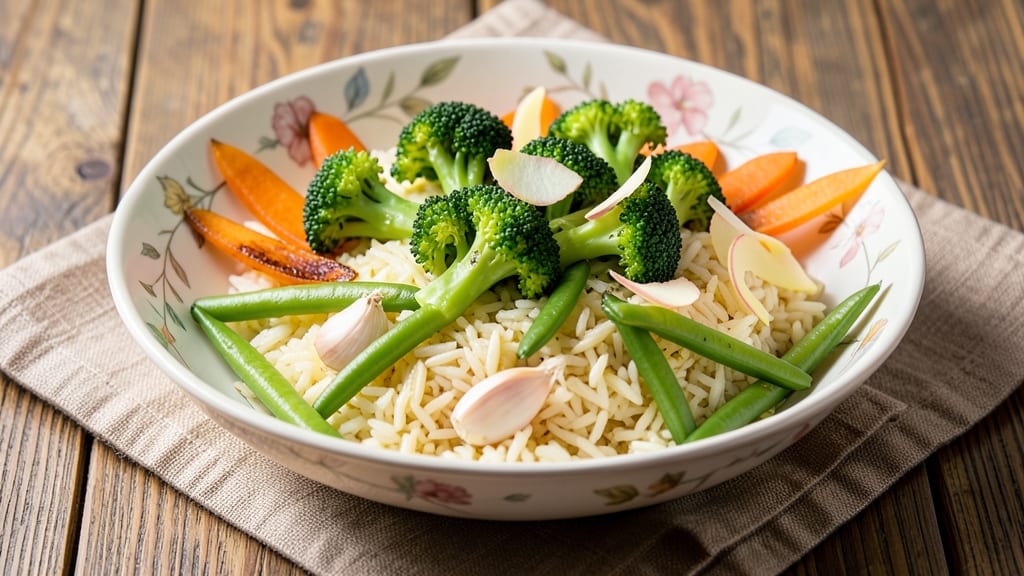
Creating a complete meal with rice and steamed vegetables in a single pot transforms a simple side dish into a balanced, restaurant-quality dinner. The secret lies in layering flavors—aromatic rice simmering with vegetables until tender, while garlic, ginger, and soy sauce infuse every bite with depth.
This method eliminates extra dishes and ensures perfectly cooked grains and vibrant, nutrient-rich greens.
What makes this recipe work is the one-pot approach, where rice and vegetables cook together, absorbing flavors while steaming gently. Brown rice adds hearty texture, while jasmine or white rice offers a lighter option—both pair beautifully with broccoli, carrots, or green beans.
The key is timing: start with vegetables that need slightly longer cooking, then add rice to finish simultaneously.
By the end, you’ll have a fragrant, golden-brown rice base with steamed vegetables that retain their bright color and crisp-tender bite. The aroma alone—garlicky, slightly sweet, and herbaceous—signals a meal that’s both nourishing and satisfying.
This dish is perfect for weeknight dinners, meal prep, or serving alongside proteins like grilled chicken or fish.
Optional seasonings like sesame oil or chili flakes can elevate the dish further, but even without them, the natural sweetness of the vegetables and the savory rice create a harmonious balance. Ready in 30 minutes, this recipe delivers a complete, wholesome meal with minimal effort.
Ingredients for rice and steamed vegetables
Aromatic rice and vibrant vegetables combine in one pot for a restaurant-quality meal.
| Ingredient | Amount | Notes |
|---|---|---|
| Long-Grain White Rice 🍚 | 1 cup | Uncooked, jasmine or basmati preferred |
| Broccoli Florets 🥦 | 4 cups | Fresh, cut into even-sized pieces |
| Carrot Slices 🥕 | 1 ½ cups | Thinly sliced for even cooking |
| Green Beans 🌱 | 1 cup | Trimmed, cut into 1-inch pieces |
| Garlic Cloves 🧄 | 4 cloves | Minced for aromatic depth |
| Fresh Ginger 🌿 | 1 tbsp | Finely grated, aromatic freshness |
| Low-Sodium Soy Sauce 🥢 | 2 tbsp | For umami flavor balance |
| Vegetable Broth 💧 | 1 ½ cups | Low-sodium preferred for flavor control |
| Sesame Oil 🫒 | 1 tsp | Toasted, for finishing aroma |
| Red Chili Flakes 🌶️ | ½ tsp | Optional, for subtle heat |
| Diamond Crystal Kosher Salt 🧂 | 1 tsp | Fine grain for even seasoning |
| Black Peppercorns 🌶️ | ½ tsp | Freshly cracked for brightness |
| Fresh Cilantro Leaves 🌿 | ¼ cup | Chopped, for fresh herb finish |
| Extra-Virgin Olive Oil 🫒 | 1 tbsp | Light, for sautéing vegetables |
The rice selection is foundational—jasmine or basmati grains maintain their texture while absorbing flavors beautifully. For the vegetables, prioritize fresh, firm broccoli and carrots with bright color, as they'll steam in the broth. Whole Foods Market or local farmers' markets often carry organic options with superior flavor. If using brown rice, increase cooking time by 10-15 minutes to ensure proper doneness. The ginger and garlic should be freshly minced—pre-minced varieties lose potency quickly, compromising the dish's aromatic profile.
No jasmine rice? Basmati or even short-grain white rice works equally well, though texture may vary slightly. Substituting frozen vegetables is acceptable (thaw first), but fresh is ideal for optimal texture and flavor retention. For the soy sauce, tamari works for gluten-free needs, though flavor intensity differs. If sesame oil is unavailable, toasted peanut oil provides a similar nutty depth. The chili flakes can be omitted entirely for a milder profile, though they add subtle complexity. For a vegetarian protein boost, consider adding edamame or tofu cubes during the final 5 minutes of cooking.
This dish reheats beautifully—simply add 1-2 tbsp water per serving and cover until warmed through. Store in an airtight container for up to 4 days in the refrigerator, though flavor peaks within the first 2 days. For meal prep, portion into individual containers with a drizzle of sesame oil to maintain freshness. The vegetables retain their vibrant color and crisp-tender texture when reheated gently, making this an ideal make-ahead option for busy weeknights.
Why You'll Love This Recipe
- One-Pot Magic: I swear by this trick—just toss everything in one pot. The rice steams the veggies right alongside it, so you’re not stuck with a million dirty dishes. The broccoli stays bright green, the carrots hold their crunch, and the garlic? Oh, it infuses everything like a whisper.
- Garlic Kiss: Between us, that’s the secret weapon. I minced a whole clove into the rice while it cooked, and now every bite has this warm, savory punch. The green beans get just enough char, the broccoli gets a little nuttiness from the steam, and the rice? It’s not dry or bland—it’s got layers.
- Lunchbox Hero: Honestly, this is my go-to for meal prep. I’ll make a big batch on Sunday, portion it into containers, and boom—balanced lunches all week. The rice stays fluffy, the veggies don’t get soggy, and my kids actually eat their greens. (Yes, even on a Tuesday night.)
- Budget Win: Long-grain rice and seasonal veggies? This is the kind of meal that stretches your dollar without sacrificing taste. I’ve made it for under $3 per serving, and it still feels like a proper dinner. Not the prettiest, but the taste makes up for it—every time.
Step-by-step instructions for one-pot rice and steamed vegetables
This method delivers perfectly balanced flavors and textures in a single pot.
Prepare the Vegetables for Even Cooking
Begin by thoroughly rinsing the 1 cup long-grain white rice under cold water until the water runs clear. This removes excess starch that can make the rice gummy. In a large, heavy-bottomed pot with a tight-fitting lid, heat the 1 tablespoon extra-virgin olive oil over medium-high heat until shimmering but not smoking.
Add the 4 cloves minced garlic cloves and 1 tablespoon finely grated fresh ginger, cooking for 30 seconds until fragrant. Immediately add the 4 cups broccoli florets, 1.5 cups carrot slices, and 1 cup green beans, stirring gently to coat the vegetables in the oil. Sprinkle with 1 teaspoon diamond crystal kosher salt and 0.5 teaspoon cracked black peppercorns, then toss once more. Cook for 2 minutes until the vegetables begin to soften slightly at the edges but remain vibrant in color.
Toast the Rice and Build Flavor
Add the rinsed 1 cup long-grain white rice to the pot, stirring to combine with the vegetables. Cook for 1 minute, allowing the rice to absorb the oil and begin to develop a light golden hue. This step, called "toasting," enhances the nutty flavor of the rice and prevents it from becoming mushy.
Pour in the 1.5 cups vegetable broth and 2 tablespoons low-sodium soy sauce, stirring gently to distribute evenly. The broth should just cover the rice and vegetables. Bring the mixture to a gentle boil, then immediately reduce heat to low, cover the pot with the lid, and seal tightly. This creates a steam chamber for even cooking.
Steam and Simmer to Perfect Texture
Simmer the one-pot mixture for 15 minutes without lifting the lid. The rice and vegetables will cook simultaneously, absorbing the broth and developing tender yet firm textures. After 15 minutes, check the rice—it should be 80% cooked with a slight bite remaining. If the mixture appears dry, add 2 tablespoons water and continue cooking.
Here's the thing—this is where patience pays off. The residual heat will finish cooking the rice and vegetables perfectly. Once the rice is tender with a slight resistance when pressed with a fork, remove the pot from heat. Let it sit, covered, for 5 minutes to allow the steam to redistribute flavors and complete the cooking process.
Finish with Aromatics and Garnish
After resting, gently fluff the rice and vegetables with a fork, being careful not to overmix. Drizzle in the 1 teaspoon toasted sesame oil and sprinkle with 0.5 teaspoon red chili flakes (if using) and the 0.25 cup chopped fresh cilantro leaves. Toss lightly to combine, allowing the sesame oil to infuse its nutty aroma and the chili flakes to add a subtle heat.
The dish should have a harmonious balance of textures—tender rice, crisp-tender vegetables, and a fragrant sauce from the reduced broth. Serve immediately while the vegetables retain their vibrant color and the rice is still warm. This one-pot method ensures minimal cleanup while delivering restaurant-quality results.
Pro Tips For Making Rice And Steamed Vegetables
- STEAM VEGETABLES SEPARATELY: Broccoli and carrots need 3–4 minutes, green beans 2–3—don’t lump them all together or the broccoli turns to mush while the beans stay raw. Use a colander with a lid (or microwave-safe bowl) for even steam circulation, and flip the beans halfway.
- SALT THE RICE WATER LIBERALLY: Skip the "just enough" approach—use 1½ teaspoons salt per 3 cups water. The rice absorbs flavor as it cooks, and underseasoned grains ruin the whole dish. (Yes, even if your rice brand claims it’s "low-sodium.")
- CUT GARLIC SLIGHTLY AFTER MINCING: Mince the garlic first, then let it sit uncovered for 5 minutes. The edges soften and release aroma without burning, so when you toss it with the hot veggies, it adds depth instead of bitterness. (I learned this after one very bitter batch.)
- USE A MIXED VEGETABLE STOCK SPLURGE: Swap half the water for low-sodium vegetable stock—just ½ cup in the rice pot. It’s the lazy upgrade that makes the rice taste richer without extra effort. (Your freezer’s probably got some; use it.)
Storing and reheating this dish
Refrigerator Storage
Store your one-pot rice and vegetables in an airtight glass container (I love Pyrex with snap-on lids) for up to 4 days in the refrigerator. The flavors actually deepen overnight as the garlic, ginger, and soy sauce continue to meld.
Let the dish cool for 2 hours before storing to prevent condensation buildup, which can make the rice soggy. 💡
Freezer-Friendly Prep
Freezing works best for the rice and vegetables separately to maintain texture. Portion the rice into quart-sized freezer bags and the vegetables into another, squeezing out excess air to prevent freezer burn.
Label with the date—this dish keeps well for up to 3 months. Thaw overnight in the fridge before reheating for even cooking. ❄️
Stovetop Reheating
For the best texture, reheat on the stovetop over medium-low heat. Add 1-2 tablespoons water or vegetable broth per serving to prevent drying. Cover and heat for 5-7 minutes, stirring occasionally, until warmed through.
The vegetables should retain their crisp-tender bite, and the rice should be fluffy, not mushy. 🔥
Microwave Revival
If you're short on time, microwave reheating works in a pinch. Transfer to a microwave-safe dish, cover with a damp paper towel, and heat on 50% power for 2-3 minutes.
Stir, then continue in 30-second intervals until reaching 165°F internally. The damp towel prevents drying, and the lower power preserves texture. 💫
Garnish Refresh
Before serving reheated leftovers, brighten them with fresh cilantro, a drizzle of sesame oil, and a pinch of salt. The fresh herbs and oil elevate the dish, making it taste almost as good as fresh.
I also add a squeeze of lime juice for acidity that cuts through the richness. 🌿
Meal Prep Hack
Prep individual portions in glass meal prep containers with a small compartment for sesame oil. Store in the fridge for up to 5 days or freeze for 3 months.
When ready to eat, just add a splash of water and microwave. This keeps your lunches vibrant and flavorful all week. 📅
Nutrition facts
Frequently asked questions
Can I use frozen vegetables instead of fresh?
Yes, but thaw them completely first to ensure even cooking. Frozen veggies work well for broccoli and green beans, but avoid overcooking—frozen pieces may release excess water, making the rice soggy. Drain any excess liquid before adding to the pot.
How do I adjust this for brown rice?
Use 1.5 cups brown rice (uncooked) and increase the vegetable broth to 2 cups. Cook for 45-50 minutes on low heat after bringing to a boil, checking for doneness at 30 minutes. Brown rice needs extra time to absorb moisture and develop a chewy texture.
What if my vegetables get mushy?
This happens when overcooked or when hard veggies (like carrots) cook too long. Start checking after 12 minutes and adjust timing based on your stove. For extra firmness, add vegetables in stages—harder veggies (carrots) first, tender ones (green beans) last.
Can I make this gluten-free?
Replace the soy sauce with tamari or coconut aminos (both gluten-free). Use certified gluten-free vegetable broth and check that your sesame oil is processed in a gluten-free facility. The dish remains just as flavorful.
What’s the best way to make this dish more protein-packed?
Add ½ cup edamame or ½ block firm tofu (cubed) during the last 5 minutes of cooking. For meat, stir in ½ lb shrimp or chicken breast (pre-cooked) with the sesame oil at the end. These additions keep the one-pot method intact while boosting nutrition.