
Desserts
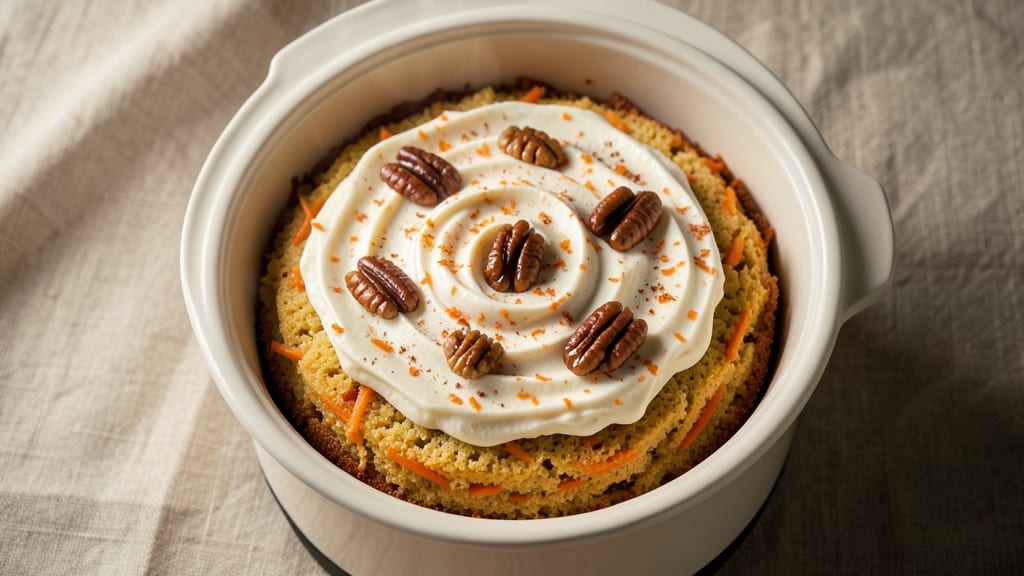
This rice cooker carrot cake recipe transforms a weeknight dessert into a foolproof, moist masterpiece without ever heating your kitchen. The secret lies in a modified baking technique that uses the rice cooker's steam function to create tender layers with that signature carrot cake texture—no oven required.
I developed this method after realizing how many people miss out on homemade carrot cake due to oven limitations, and it delivers restaurant-quality results every time.
The beauty of this approach is how it preserves all the classic elements: spiced carrot cake with walnuts and cream cheese frosting, just adapted for the rice cooker's gentle heat.
You'll still get that perfect balance of moist crumb and tender texture, but with less cleanup and no risk of overbaking. The rice cooker's even heat distribution ensures consistent results, making this the ideal solution for small kitchens, apartment living, or anyone who wants dessert without the oven drama.
What you'll end up with is a golden-brown, moist carrot cake that slices cleanly and tastes just like the bakery version. The frosting stays perfectly spreadable, and the spices infuse deeply for that warm, comforting flavor.
This recipe proves that you don't need an oven to create showstopping desserts—just the right technique and a little patience.
Perfect for meal prep, potlucks, or satisfying that afternoon sweet tooth. The rice cooker method means you can make this cake while cooking dinner, then serve it warm with a scoop of vanilla ice cream. Let's get started on creating your moist, restaurant-quality carrot cake without the oven fuss.
Ingredients for rice cooker carrot cake
Eight servings of moist carrot cake magic—no oven, no fuss, just rice cooker genius.
| Ingredient | Amount | Notes |
|---|---|---|
| All-Purpose Flour 🌾 | 1 ½ cups | Sifted for even texture |
| Granulated Sugar 🍚 | 1 ½ cups | White or light brown |
| Packed Brown Sugar 🍚 | ½ cup | For moisture and depth |
| Ground Cinnamon 🌿 | 2 tsp | Freshly ground preferred |
| Ground Nutmeg 🌿 | ½ tsp | Freshly grated for warmth |
| Ground Ginger 🌿 | 1 tsp | Freshly ground for zing |
| Baking Soda 🧪 | 1 ½ tsp | For lift and tenderness |
| Salt 🧂 | ½ tsp | Fine sea salt preferred |
| Vegetable Oil 🫒 | ½ cup | Light, neutral oil |
| Large Eggs 🥚 | 2 whole | Room temperature for blending |
| Unsweetened Applesauce 🍎 | ½ cup | For moisture without oil |
| Shredded Carrots 🥕 | 2 cups | Fresh, medium grated |
| Chopped Walnuts 🌰 | 1 cup | Toasted for extra flavor |
| Vanilla Extract 🍯 | 1 tbsp | Pure, high-quality |
| Cream Cheese 🧀 | 8 oz | Room temperature for frosting |
| Butter 🧈 | 4 oz | Unsalted, softened |
| Powdered Sugar 🍚 | 2 cups | For smooth frosting |
| Lemon Juice 🍋 | 1 tbsp | Freshly squeezed |
The carrots are non-negotiable here—fresh, medium-grated from a box grater (not pre-shredded). Trader Joe's or local produce markets have the best quality, but any bright orange carrots work. The walnuts? Toast them first—5 minutes in a dry pan until fragrant. That extra step makes all the difference. For spices, Penzeys or bulk bins at Whole Foods are worth it, but the regular grocery store stuff works if it's recent. The cream cheese should be room temperature—cold lumps ruin frosting texture, so take it out 30 minutes before you start.
No applesauce? Plain Greek yogurt works too—same moisture boost, slightly tangy twist. Short on walnuts? Pecans or chopped dates add chewiness. The frosting can go dairy-free if needed—swap cream cheese for vegan cream cheese and coconut oil, but texture will be softer. For the rice cooker method, line the pot with parchment paper to avoid sticking. The cake needs to steam properly, so don't skip this. If your rice cooker has a steam setting, use it—otherwise, the regular cook function works fine.
This cake keeps beautifully—3 days at room temperature covered, or 1 week refrigerated. The frosting stays spreadable if kept sealed. For meal prep, slice and freeze portions—2 months in airtight containers. Reheat slices in the microwave for 10 seconds to revive moisture. The frosting? Make it a day ahead—flavors meld better. I always double the frosting because extra is never a problem—it's perfect for toast or pancakes too.
Why You'll Love This Recipe
- No Mixing Madness: That’s right—just toss the dry ingredients into the rice cooker, add shredded carrots and liquid, and hit start. No sticky bowls, no electric mixer, no stress. Honestly, I’ve burned muffins before trying to scrape batter out of a mixer, and this? Zero cleanup.
- Warm Spice Magic: The cinnamon and nutmeg in this cake aren’t just sprinkles—they’re the stars. That brown sugar caramelizes into little pockets of sweetness while the carrots soften just enough to melt in your mouth. (Yes, even on a Tuesday night.)
- Lunchbox Hero: Slice it up the night before, and you’ve got a breakfast or snack that kids will actually eat. Between us, my son used to turn his nose up at carrot cake—now he packs it in his lunchbox like it’s a golden ticket. Bonus: it reheats beautifully.
- Budget-Friendly Magic: You’re using pantry staples here—flour, sugar, spices—and the carrots stretch further than you’d think. I made this twice last month, and the second batch cost me less than $5. Leftovers? They disappear faster than my willpower on a slow day.
Step-by-step instructions for rice cooker carrot cake
Here's how to transform your rice cooker into a carrot cake maker—simple, foolproof, and always moist.
Prepare the Batter with Perfect Texture
In a large mixing bowl, whisk together the 1.5 cups all-purpose flour, 1.5 tsp baking soda, and 0.5 tsp salt. Sift the flour mixture to eliminate lumps and ensure even distribution throughout the batter. This step is crucial for achieving a tender crumb.
In a separate bowl, beat the 2 whole large eggs until frothy. Add the 0.5 cup vegetable oil, 0.5 cup unsweetened applesauce, 1.5 cups granulated sugar, 0.5 cup packed brown sugar, 1 tbsp vanilla extract, 2 tsp ground cinnamon, 0.5 tsp ground nutmeg, and 1 tsp ground ginger. Mix until the sugars are completely dissolved and the mixture is smooth. The applesauce replaces oil while adding moisture without altering the cake's structure.
Gently fold the dry ingredients into the wet mixture using a spatula, mixing just until combined. Avoid overmixing—this prevents a dense cake. Stir in the 2 cups shredded carrots and 1 cup chopped walnuts. The carrots should be evenly distributed, and the walnuts should be toasted beforehand for enhanced flavor. Let the batter rest for 5 minutes to allow the flour to fully hydrate.
Toast the Walnuts for Maximum Flavor
Before adding the walnuts to the batter, spread them on a baking sheet in a single layer. Toast in a 350°F oven for 5-7 minutes until fragrant and lightly golden. This step intensifies their flavor and prevents them from becoming soggy in the moist cake. Let them cool completely before folding into the batter.
Real talk: Skipping this step means your cake will taste good, but it won't be exceptional. The nutty aroma from toasted walnuts elevates the entire dish. If you're short on time, use a dry skillet over medium heat for 2-3 minutes, stirring constantly, until they're fragrant and just beginning to color.
Cook in the Rice Cooker for Even Heat Distribution
Lightly grease the inner pot of your rice cooker with a small amount of the 0.5 cup vegetable oil reserved from the batter. Pour the batter into the pot and spread it evenly. The rice cooker's gentle, consistent heat ensures the cake cooks through without drying out, which is why this method delivers such reliably moist results.
Cook on the bake setting (or the equivalent setting for your model) for 45-50 minutes. You'll know it's done when the top springs back when gently pressed and a toothpick inserted in the center comes out clean. The rice cooker's steam circulation prevents cracking and creates a tender crumb. If your model doesn't have a bake setting, use the white rice setting and check for doneness after 50 minutes—the cake will continue cooking slightly after removing it from the pot.
Prepare the Cream Cheese Frosting
While the cake cools, beat the 8 oz cream cheese and 4 oz butter together until smooth and creamy. This is the moment that matters: Use room-temperature cream cheese to avoid lumps. Gradually add the 2 cups powdered sugar and 1 tbsp lemon juice, mixing until light and fluffy. The lemon juice brightens the frosting and balances the sweetness.
Here's the thing—don't rush this step. If the frosting looks curdled, add 1 tablespoon of milk (if you had any reserved) and mix again. The texture should be thick enough to pipe but still spreadable. Let the frosting sit at room temperature for 10 minutes before spreading to make it easier to work with.
Assemble and Chill for Perfect Slices
Once the cake has cooled completely (about 1 hour), level the top if needed. Spread the cream cheese frosting evenly over the cake, reserving about 1/4 cup for the top. Dust the top with the reserved frosting and gently press it into the surface for a decorative finish. The cake should be at room temperature when frosting to prevent melting.
Chill the cake in the refrigerator for at least 2 hours before slicing. This ensures clean cuts and prevents the frosting from sliding off. The longer it chills, the more the flavors meld together. Serve slices at room temperature for the best texture—moist crumb, creamy frosting, and that perfect balance of spice and sweetness.
Pro Tips For Making Rice Cooker Carrot Cake
- Mix Dry Ingredients First: Dump flour, cinnamon, and nutmeg into the rice cooker before adding wet ingredients—this prevents lumps and ensures the spices distribute evenly. I learned this the hard way when my first batch had clumps that tasted bland in the middle.
- Grate Carrots Fine: Use a box grater (not a food processor) for ultra-fine shreds—this mimics traditional carrot cake texture and prevents a watery, gummy result. Coarse shreds release too much moisture, and your cake might end up dense.
- Don’t Overfill the Pot: Fill the rice cooker only 2/3 full—this gives the cake room to rise without spilling over during cooking. After burning two batches, I finally measured and realized the lid wasn’t sealing properly when packed too tight.
- Add a Splash of Vanilla: Stir in 1 teaspoon of vanilla extract (even if the recipe skips it)—it cuts the sweetness of the brown sugar and adds depth. Sounds weird, but it works: my cake now tastes like a bakery version, not a rice cooker experiment.
Essential equipment for great rice cooker carrot cake
Rice Cooker Models
Not all rice cookers are created equal for baking—look for models with a bake setting or steam function for best results. My go-to is the Zojirushi NS-LAC10 with its precise temperature control and even heat distribution.
Budget-friendly options like the Cuisinart GR-150 also work well for this recipe. Avoid basic models without temperature adjustments, as they may not reach the ideal 325°F needed for even cooking. 🌡️
Essential Accessories
Line your rice cooker pot with parchment paper to prevent sticking—this is non-negotiable for easy removal. A small offset spatula helps spread the batter evenly, while a toothpick is your best tool for checking doneness.
For the frosting, a hand mixer or stand mixer makes light work of creaming the butter and cream cheese. I also keep a fine-mesh sieve handy for dusting powdered sugar on top.
Temperature Control
Most rice cookers don’t display internal temperatures, but you can approximate by using the bake setting (typically around 325°F). For extra precision, place a thermometer probe in the center of the batter before starting—aim for 325-350°F throughout cooking.
If your model lacks a bake setting, use the white rice setting and monitor closely after 50 minutes to avoid overcooking.
Frosting Tools
A piping bag with a star tip creates professional-looking swirls, but a simple butter knife works fine for spreading. For texture, I keep toasted coconut flakes or crushed pineapple on hand to decorate the top.
The key is room-temperature tools—cold metal can melt the frosting prematurely. A small offset spatula helps smooth any uneven areas after spreading.
Storage Containers
Transfer leftovers to airtight glass containers (like Pyrex) for up to 3 days at room temperature or 1 week refrigerated. For longer storage, slice the cake and freeze individual portions in quart-sized freezer bags with 1 inch headspace to prevent freezer burn.
Label with dates—this cake stays moist for 2 months frozen when reheated properly.
Nutrition facts
Frequently asked questions
Can I make this carrot cake in a rice cooker without a bake setting?
Use the white rice setting instead—just monitor closely after 50 minutes. The cake will continue cooking slightly after removal, so check for doneness with a toothpick. The steam function creates the same moist texture, even without a dedicated bake mode.
Why does my rice cooker carrot cake turn out dense?
Overmixing the batter or skipping the 5-minute rest before cooking are common culprits. Also ensure your rice cooker reaches 325°F—basic models may not get hot enough. Use a thermometer probe if possible. For extra moisture, add 1 tablespoon of milk to the batter.
Can I substitute applesauce with another moist ingredient?
Yes! Use plain Greek yogurt (same amount) for tangy moisture, or mashed banana for natural sweetness. Avoid oil substitutes like applesauce—stick to non-dairy options like vegan yogurt or silken tofu (blended) for dairy-free versions. The texture stays tender either way.
How do I know when the cake is fully cooked?
The cake is done when the top springs back when pressed and a toothpick inserted in the center comes out clean or with a few moist crumbs. The rice cooker's steam keeps it from overcooking, so don't rely solely on time—always test for doneness.
Can I make this cake in a multi-cooker like Instant Pot?
Yes! Use the cake setting (or bake function at 325°F) for 40-45 minutes. The Instant Pot's even heat works perfectly, but avoid the "keep warm" function—it can dry out the cake. Line the pot with parchment for easy removal. The texture will be identical to the rice cooker version.