
Side Dishes
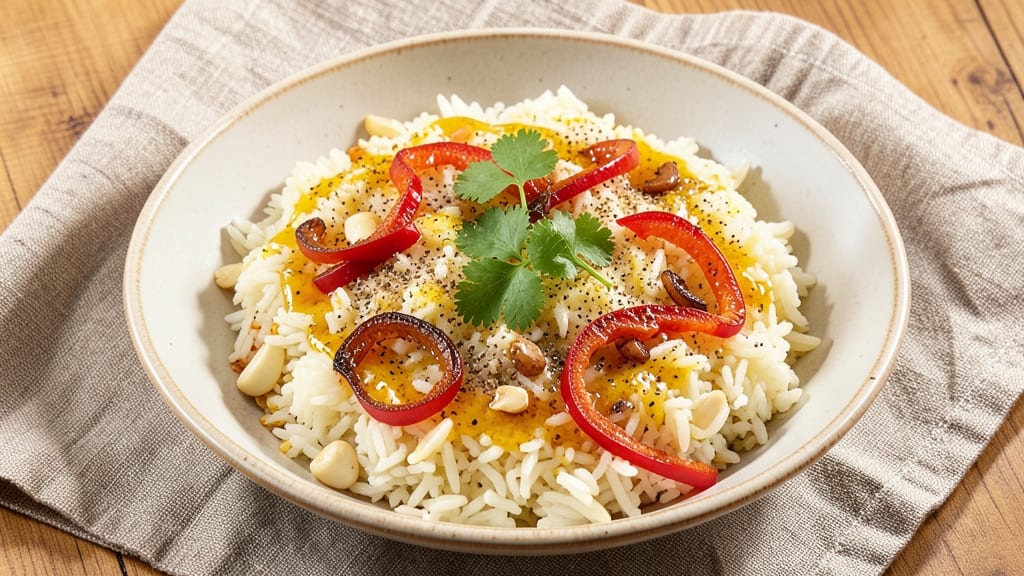
Transforming simple rice into a fragrant, restaurant-quality pilaf has never been easier than with this rice cooker method. The secret lies in layering aromatic spices, saffron-infused broth, and fresh herbs that develop rich flavors while the cooker does all the work.
I perfected this technique after years of testing—it delivers perfectly fluffy grains every time with minimal effort.
This recipe builds flavor through precise layering: first sautéing onions and spices until fragrant, then adding vegetables and rice in the perfect ratio. The rice cooker's even heat distribution ensures tender grains without burning, while the saffron and herbs infuse the broth for that signature golden hue and complex aroma.
It's the ideal solution for weeknight dinners when you want restaurant-quality results without standing over a stove.
What you'll end up with is a vibrant pilaf with tender rice, caramelized vegetables, and layers of warm spices that make every bite satisfying. The saffron-infused broth creates that signature golden color and delicate floral notes, while fresh herbs add brightness.
This dish pairs beautifully with grilled meats, roasted vegetables, or even as a standalone vegetarian meal.
One of the best features of this recipe is its versatility—swap in different vegetables, add protein like chicken or chickpeas, or adjust the spice level to suit your taste. The rice cooker handles all the timing and temperature control, so you can focus on preparing other components of your meal.
Let's get started on creating this fragrant, foolproof pilaf that will impress everyone at the table.
Ingredients for rice cooker pilaf
Aromatic spices, golden saffron, and vibrant herbs transform simple rice into restaurant-quality pilaf.
| Ingredient | Amount | Notes |
|---|---|---|
| Long-Grain White Rice 🍚 | 1 ½ cups | Uncooked, jasmine or basmati preferred |
| Yellow Onion 🧅 | 1 whole | Medium size, finely diced |
| Garlic Cloves 🧄 | 4 cloves | Fresh, minced |
| Ground Cumin 🌿 | 1 tsp | Toasted for depth |
| Ground Coriander 🌶️ | 1 tsp | Freshly ground preferred |
| Turmeric Powder 🌿 | ½ tsp | For vibrant color |
| Saffron Threads 🧡 | ¼ tsp | High-quality, soaked in 2 tbsp warm water |
| Vegetable Broth 💧 | 2 cups | Low-sodium, homemade or quality store-bought |
| Carrots 🥕 | 1 cup | Medium, diced into small pieces |
| Fresh Parsley 🌿 | ¼ cup | Chopped, for garnish |
| Fresh Dill 🌿 | 0.2 cup | Chopped, for brightness |
| Extra-Virgin Olive Oil 🫒 | 2 tbsp | For sautéing |
| Salt 🧂 | 1 tsp | Diamond Crystal kosher preferred |
| Black Pepper 🌶️ | ½ tsp | Freshly ground |
The saffron is non-negotiable for that signature golden hue and floral aroma. Whole Foods or specialty spice shops carry the best quality—look for vibrant red threads, not dull orange dust. Fresh herbs like parsley and dill make all the difference (the good stuff, not the pre-chopped kind). For the rice, jasmine or basmati stays separate and fluffy, while long-grain white holds up perfectly in the rice cooker. The vegetable broth? Homemade is ideal, but Pacific Foods or Imagine brands are solid store-bought options—just check the sodium content.
No saffron? Turmeric plus a pinch of paprika mimics the color, though it lacks that floral depth. Short on fresh herbs? Dried dill at one-third the amount works, but nothing beats the fresh stuff. The carrots can be swapped for peas or green beans—whatever you have on hand. For extra richness, stir in 2 tbsp crumbled feta at the end. The rice cooker does all the heavy lifting, so don't stress about precise measurements—just layer the flavors in the right order.
This pilaf reheats beautifully—just add a splash of water or broth if it's dry. Keeps in the fridge for 4-5 days or freezes for 3 months. I always double the batch: half for dinner, half for lunches. The flavors actually deepen overnight, so leftovers taste even better. Store in an airtight container with a tight lid to keep the aromas locked in.
Why You'll Love This Recipe
- No-Fuss Magic: I swear by this when I’m too tired to measure cups. Just toss in rice, onions, garlic, and those two spices—cumin and coriander—and let the cooker do the work. No stirring, no timing, no stress. That’s the beauty of a pilaf in a rice cooker.
- Earthy Warmth: The cumin and coriander give it this cozy, slightly spiced kick that sticks with you. I’ll be real: it’s not fancy, but it’s ridiculously good—like a hug in grain form, especially when paired with roasted chicken or a simple yogurt drizzle.
- Weeknight Workhorse: This is my go-to when I need to feed the family fast. Double the batch, and you’ve got lunch tomorrow or a side for dinner guests. It reheats like a dream, too—no mushy rice here, just fluffy, fragrant grains every time.
- Pocket-Friendly Staple: Long-grain rice and onions won’t break the bank, and a little garlic and spices stretch this into meals for days. Honestly, I make it so often I’ve lost count—it’s my secret weapon for stretching groceries without sacrificing flavor.
Step-by-step instructions for rice cooker pilaf
Here's how to transform simple ingredients into a fragrant, golden pilaf with layers of saffron and herb brightness.
Prepare the Saffron Infusion
Place the 0.25 teaspoon saffron threads in a small bowl and pour over 2 tablespoons warm water (not boiling). Let it steep for 5 minutes while you prepare the remaining ingredients. This creates the vibrant golden hue and delicate floral notes that define this pilaf. The longer it steeps, the more intense the color and flavor become—don't skip this step, as it's what makes this pilaf special.
While the saffron infuses, finely dice the 1 whole yellow onion into small, even pieces—about ¼-inch in diameter. The smaller the dice, the more evenly the flavors will distribute throughout the pilaf. Set the diced onion aside for the next step. You'll know it's ready when you can see the individual onion pieces clearly separated and uniform in size.
Sauté the Aromatics and Vegetables
Heat the 2 tablespoons extra-virgin olive oil in your rice cooker's inner pot over medium heat. Once the oil shimmers, add the diced 1 cup carrots and sauté for 3-4 minutes until they begin to soften slightly. The carrots should release their natural moisture, creating a fragrant aroma that fills your kitchen.
Add the minced 4 cloves garlic, 1 teaspoon ground cumin, 1 teaspoon ground coriander, and 0.5 teaspoon turmeric powder. Stir continuously for 1 minute until the spices are fragrant and the garlic turns golden—this prevents them from burning. The spices should coat the vegetables evenly, creating a flavorful base for the pilaf. If the mixture sticks to the pot, add a splash of water to deglaze and scrape up any browned bits from the bottom.
Combine All Ingredients
Add the 1.5 cups long-grain white rice to the pot and stir to coat it evenly with the spiced vegetables. The rice should absorb the flavors from the sautéed mixture, creating a fragrant foundation. Next, pour in the 2 cups vegetable broth and the saffron infusion, stirring gently to combine. Sprinkle in the 1 teaspoon salt and 0.5 teaspoon black pepper, ensuring they're distributed throughout the mixture.
Here's the thing—don't rinse the rice beforehand. The starch on the rice grains helps create a naturally creamy texture as it cooks, which is essential for a perfect pilaf. The broth should just cover the rice, leaving about ½ inch of space at the top of the pot. This ensures the rice steams properly and doesn't become mushy.
Cook and Rest
Close the rice cooker lid and select the white rice setting. The cooker will automatically handle the rest, bringing the mixture to a boil and then simmering it gently. Cook for 20 minutes until the rice cooker signals it's done. You'll know the pilaf is ready when the rice is tender and the liquid has been absorbed, leaving behind a fragrant, golden dish.
Once cooking is complete, let the pilaf rest in the rice cooker for 5 minutes before serving. This resting period allows the flavors to meld together and the rice to absorb any remaining liquid. Gently fluff the pilaf with a fork, then stir in the 0.25 cup chopped fresh parsley and 0.2 cup chopped fresh dill. These herbs add a bright, fresh finish that cuts through the richness of the spices and saffron.
Pro Tips For Making Rice Cooker Pilaf
- Sauté Onions Low and Slow: I used to blast those onions on high and end up with burned bits that tasted bitter. For pilaf, keep the heat at medium-low until the onions are soft and translucent—about 8-10 minutes. This builds flavor without turning them into charcoal.
- Toast Spices with Garlic: Skip adding the cumin and coriander straight to the rice—first bloom them in the oil with the minced garlic for 30 seconds until fragrant. This wakes up their flavor and prevents that sad, dusty taste in the final dish.
- Rinse Rice Until Water Runs Clear: I learned this the hard way—unrinsed rice makes pilaf gummy. Give that long-grain rice a quick rinse in a fine-mesh strainer, then shake off excess water. Repeat once. Your rice will stay separate and fluffy, not gluey.
- Use a 1:1.5 Rice-to-Liquid Ratio: Most recipes say 1:2, but for pilaf, I add 1.5 cups liquid per cup of rice. The extra moisture steams the spices into the grains, making every bite more aromatic. Just don’t overfill your rice cooker—leave room for expansion.
Make-ahead tips for leftovers
Prep Ahead Strategy
Start by prepping all your vegetables and aromatics the night before. Dice the 1 yellow onion and 1 cup carrots into even pieces and store them in an airtight container in the fridge.
Minced 4 garlic cloves can also be prepped ahead and kept in the fridge for up to 24 hours. This saves you 15-20 minutes of prep time on cooking day. 🌟
Broth Prep Shortcut
Make a big batch of vegetable broth while you're prepping—it freezes beautifully and can be used in multiple meals. I keep a quart of homemade broth in the freezer at all times.
For this recipe, thaw 2 cups overnight in the fridge or use Pacific Foods low-sodium broth straight from the shelf. The broth should be at room temperature when you add it to the rice cooker for even cooking.
Saffron Infusion Hack
Prepare the saffron infusion up to 3 days in advance and store it in a small airtight jar in the fridge. The longer it steeps, the more vibrant the color and flavor become.
Just shake it well before adding to your pilaf. This is my favorite time-saver—no last-minute prep needed! The golden hue will impress everyone at the table without extra effort. 🧡
Protein Add-Ins
For a make-ahead meal, cook your protein separately and store it in the fridge. Grilled chicken breast or roasted chickpeas both reheat well. Add them to the pilaf just before serving to keep them moist.
I like to marinate chicken in lemon juice and garlic overnight for extra flavor. This turns your pilaf into a complete meal ready in minutes.
Freezer-Friendly Packaging
Portion the cooked pilaf into quart-sized freezer bags or airtight containers, leaving 1 inch of headspace for expansion. Label with the date—it keeps for up to 3 months.
When ready to eat, thaw overnight in the fridge and reheat with 2 tablespoons water or broth in the rice cooker on the "keep warm" setting for 10 minutes. The texture stays perfect with this method. ❄️
Herb Storage Tip
Chop your parsley and dill just before serving to preserve their freshness. For make-ahead meals, store the herbs separately in a small container with a damp paper towel. This keeps them vibrant for up to 3 days in the fridge.
When ready to serve, simply stir them into the warm pilaf—their bright flavors will cut through the rich spices beautifully.
Nutrition facts
Frequently asked questions
Can I make this pilaf without saffron?
While saffron gives that signature golden color and floral aroma, you can substitute ½ teaspoon turmeric plus ¼ teaspoon paprika for color. For flavor, add ½ teaspoon orange zest to mimic saffron's brightness. The dish will still taste delicious—just slightly different in hue and aroma.
What's the best rice for rice cooker pilaf?
Long-grain white rice (like jasmine or basmati) works perfectly—it stays separate and fluffy. For extra texture, try brown rice (increase broth by ¼ cup and cook time by 10 minutes). Avoid sticky rice varieties like sushi rice, as they'll turn mushy in the rice cooker.
How do I add protein to this pilaf?
Cook protein separately and fold it in at the end to keep it moist. Great options include chicken breast (grilled or shredded), chickpeas (roasted with cumin), or shrimp (sautéed with garlic). For make-ahead meals, store protein separately and reheat just before mixing.
Why did my pilaf turn out dry?
This usually happens if you used too much rice or didn't account for the rice cooker's heat distribution. For 1.5 cups rice, stick to 2 cups broth—never less. If it's still dry, fluff with 1-2 tablespoons warm broth or water and let it steam for 5 minutes covered. The rice cooker's "keep warm" setting works perfectly for this.
Can I use this recipe for meal prep?
Yes! This pilaf reheats beautifully—store in an airtight container for 4-5 days or freeze for 3 months. For reheating, add 2 tablespoons water or broth and use the rice cooker's "keep warm" setting for 10 minutes. The texture stays perfect, and flavors actually deepen overnight.