
Snacks
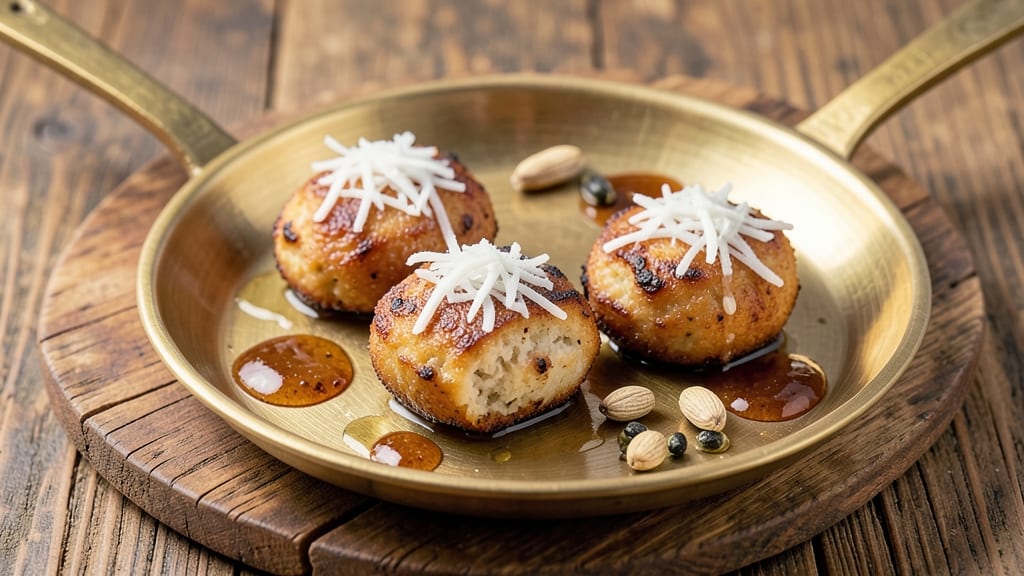
This rice kozhukattai recipe brings the rich flavors of South India to your kitchen with its signature sweet coconut-stuffed dumplings. The delicate rice batter encases a fragrant coconut filling, steamed to perfection and finished with jaggery and ghee for that authentic taste.
I first tried making these during Diwali when my grandmother shared her secret—it’s a dish that feels like a warm hug, especially during festivals.
The process requires patience, but the results are worth every step. You’ll shape the rice batter into small cones, stuff them with sweetened coconut, and steam them until tender. The texture is light yet firm, with a subtle crunch from the ghee coating.
This recipe captures the essence of traditional Indian sweets—simple yet deeply flavorful, perfect for sharing with family or enjoying as a special treat.
What makes this recipe special is how the coconut filling transforms into a creamy, fragrant center while the rice batter stays soft and pillowy. The jaggery adds just the right sweetness, balancing the richness of the ghee.
These dumplings are traditionally served during festivals like Diwali or Pongal, but they’re also a delightful addition to any tea time or celebration.
Once you master the technique, you can experiment with variations like adding cardamom or cashews to the filling. Serve them warm with coconut chutney or a cup of masala chai for the full South Indian experience. Let’s get started on creating these beloved treats!
Ingredients for rice kozhukattai
Twelve simple ingredients transform into fragrant South Indian dumplings perfect for festivals.
| Ingredient | Amount | Notes |
|---|---|---|
| Short-Grain Rice 🍚 | 1 cup | Uncooked, washed thoroughly |
| Fresh Coconut Flesh 🥥 | 2 cups | Shredded, or frozen if unavailable |
| Jaggery 🍯 | ½ cup | Grated, or brown sugar substitute |
| Ghee 🧈 | ¼ cup | Unsalted, for coating |
| Cardamom Pods 🌿 | 4 whole | Lightly crushed, optional |
| Water 💧 | 1 ½ cups | For rice soaking |
| Salt 🧂 | ¼ tsp | Fine sea salt |
| Coconut Milk 🥥 | ¼ cup | For extra creaminess |
| Cashews 🥜 | ¼ cup | Soaked, optional variation |
| Gram Flour 🌾 | 2 tbsp | For binding batter |
| Saffron Strands 🌼 | 0.1 tsp | Soaked in 1 tbsp warm milk |
| Turmeric Powder 🌿 | 0.1 tsp | For color and aroma |
| Lemon Juice 🍋 | 1 tbsp | Freshly squeezed |
The rice is the heart of this dish—short-grain varieties like jeera samba or matta rice work best, giving that perfect soft texture. Indian grocery stores or specialty shops carry these, but if you can't find them, jasmine rice is a decent substitute. For the coconut, fresh is ideal—shred it yourself for maximum flavor, but frozen pre-shredded works in a pinch. Jaggery adds that authentic sweetness; look for raw, unrefined blocks at Indian markets or health food stores. If you can't find jaggery, brown sugar works but lacks the same depth of flavor. The ghee? Never skip this—it’s what gives those dumplings that signature rich finish.
No fresh coconut? Coconut milk powder mixed with water gets you close, though texture will differ slightly. Short on jaggery? Palm sugar or even maple syrup can stand in, but adjust sweetness to taste. Want to skip the cardamom? Vanilla extract or extra saffron adds a nice twist. The gram flour is key for binding—chickpea flour from any grocery store’s baking aisle works perfectly. For the saffron, soak it in warm milk first to release those golden threads. And if you’re feeling adventurous, add those cashews for extra crunch in the filling—just soak them first to soften.
This batter keeps in the fridge for 2 days, covered tightly. The coconut filling? Mix it up last-minute to prevent browning. Steam the dumplings fresh for best texture—they reheat beautifully but lose that pillowy quality if oversteamed. Store leftovers in an airtight container with a paper towel to absorb moisture. Freeze for up to 1 month if you’re prepping ahead, but thaw gently in the fridge. Serve warm with coconut chutney for that full South Indian experience—trust me, it’s worth the effort.
Why You'll Love This Recipe
- No Fuss, No Mess: I swear by this recipe when I’m too tired to fuss—just soak the rice, grate the coconut, mix, and steam. That’s it. No rolling, no shaping, no stress. The dough stays together like magic, even if my hands aren’t perfectly steady.
- Sweet-Savory Magic: The jaggery caramelizes into this deep, molasses-like richness while the cardamom whispers warmth with every bite. Ghee? Oh, it’s the secret—turns each bite into a little pocket of buttery heaven. Honestly, the first time I tasted it, I wondered why I didn’t make it sooner.
- Party or Pantry: This is my go-to for potlucks, lunchboxes, or when I need something that feels special but doesn’t require hours. Wrap it in banana leaves for a festive touch, or just pack it in a box for school lunches—kids love the sweetness, and adults won’t notice the simplicity.
- Leftovers? Better Than New: Between us, this tastes even better the next day. The flavors meld into something deeper, and reheating it in a steamer keeps it moist. Plus, it’s cheap—rice, coconut, and jaggery stretch forever. I make a big batch on Sundays and snack on it all week without guilt.
Step-by-step instructions for rice kozhukattai
This traditional South Indian sweet gets its perfect texture through precise technique—let's make it together.
Prepare the Rice Filling
Soak the 1 cup short-grain rice in the 1.5 cups water for at least 4 hours or overnight. This long soaking ensures the rice breaks down properly for that signature creamy texture. After soaking, drain the rice completely using a fine-mesh strainer and set it aside.
In a large mixing bowl, combine the drained rice with the 2 cups fresh coconut flesh, 0.5 cup jaggery, 0.25 cup cashews, 0.1 tsp turmeric powder, and the 4 lightly crushed cardamom pods. Mix thoroughly until all ingredients are evenly distributed. The jaggery should dissolve slightly, creating a sticky mass that will hold the filling together.
Cook the Filling Mixture
Heat a heavy-bottomed pan over medium heat and add the 0.25 cup ghee. Once the ghee is hot but not smoking, add the rice-coconut mixture. Cook on medium-low heat for 15-20 minutes, stirring constantly with a wooden spoon. You'll notice the mixture will become progressively stickier as the moisture evaporates.
When the mixture starts to leave a coating on the back of your spoon and pulls away from the sides of the pan, it's ready. Remove from heat and let it cool completely. This cooling step is crucial—it prevents the filling from melting when you shape the dumplings later. The cooled mixture should be soft enough to mold but firm enough to hold its shape.
Prepare the Outer Layer
In a separate bowl, mix the 2 tbsp gram flour with the 0.25 cup coconut milk and 1 tbsp lemon juice until you get a smooth, thick batter. The consistency should be like pancake batter—thick enough to coat a spoon but still pourable. If it's too thick, add a splash of water; if too thin, add a bit more gram flour. This batter will form the crispy outer layer of your kozhukattai.
Shape and Steam the Dumplings
Take small portions of the cooled filling—about 1 tablespoon each—and roll them into smooth balls. Dip each ball into the gram flour batter, coating it evenly, then gently roll it in your palms to create a smooth, even layer. Place the coated balls on a plate and let them sit for 5 minutes to set slightly.
Line a steamer with banana leaves or parchment paper (poke holes for steam to escape) and arrange the dumplings in a single layer, leaving space between each. Steam over medium-high heat for 15 minutes. The kozhukattai are done when they're firm to the touch and have a golden-brown hue from the gram flour coating. Don't overcrowd the steamer—this ensures even cooking and prevents soggy bottoms.
Finish with Saffron Infusion
While the dumplings steam, soak the 0.1 tsp saffron strands in 1 tablespoon warm milk for 5 minutes. Once the kozhukattai are steamed, arrange them on a serving platter. Drizzle the saffron milk mixture over the top and let it absorb for 2-3 minutes. This final step adds that signature floral aroma and vibrant color that makes these dumplings special.
Serve warm or at room temperature. The contrast between the crispy gram flour exterior and the soft, sweet coconut-rice filling is what makes this recipe truly special. Store any leftovers in an airtight container in the refrigerator for up to 3 days, though they're best enjoyed fresh.
Pro Tips For Making Rice Kozhukattai
- Soak Rice Overnight: I learned this the hard way—rushing the soak with short-grain rice leaves you with a dense, gluey mess. Twelve hours minimum in warm water (not boiling) breaks down the starches just right for that tender, fluffy texture when steamed. Trust me, your kozhukattai will thank you later.
- Grate Coconut Wet: Dry-grating coconut flesh clogs your grater and makes a powdery mess. Wrap the flesh in a damp towel or grate it directly over a bowl of ice water—keeps the shavings fresh and prevents that bitter, dried-out flavor. Yes, it’s a pain, but it’s worth it.
- Ghee Over Low Heat: After burning three batches of kozhukattai from overheating the ghee, I finally figured out: keep it low and slow. Heat the ghee until it just starts to shimmer (not brown), then remove from heat to mix with the rice-coconut batter. That’s when the real magic happens—no burnt notes, just rich flavor.
- Steam Until Cool: Sounds weird, but it works: steam your kozhukattai until the pot is lukewarm to the touch. Rushing and opening the lid too soon collapses those fluffy layers. Cover with a damp towel for the last 5 minutes—locks in moisture and gives you that perfect, pillowy bite. (Your future self will thank you.)
Perfect pairings for this dish
Coconut Chutney
No rice kozhukattai is complete without its traditional partner—coconut chutney. The cool, creamy texture of this chutney cuts through the richness of the dumplings beautifully.
I blend 1 cup fresh coconut, 2 green chilies, 1 tbsp roasted cumin seeds, 1 tsp salt, and ½ cup water into a smooth paste. Serve it warm alongside the kozhukattai for that authentic South Indian experience. 🥥
Masala Chai
The aromatic spices of masala chai elevate these dumplings to festival-level perfection. Brew a strong cup using 1 cup milk, 1 cup water, 1 tsp black tea leaves, 4 cardamom pods, 2 cinnamon sticks, and 1-inch ginger.
Simmer for 10 minutes and strain. The warmth of the chai complements the sweetness of the kozhukattai, making every bite feel like a celebration. 🍵
Banana Fritters
For a playful contrast, serve these alongside banana fritters—a popular South Indian snack. Mix 2 ripe bananas, 2 tbsp rice flour, 1 tsp turmeric, and 1 tsp sugar, then deep-fry until golden.
The slight sweetness and crunch of the fritters pair wonderfully with the soft, coconutty dumplings. 🍌
Garnish with Toasted Nuts
Add a final touch by sprinkling toasted cashews or peanuts over the kozhukattai just before serving. Toast ¼ cup mixed nuts in a dry pan over medium heat for 3-4 minutes until fragrant. This adds a delightful crunch and nutty depth that enhances the overall flavor profile. 🌰
Sweetened Condensed Milk
For a modern twist, drizzle the steamed kozhukattai with sweetened condensed milk before serving. The extra richness creates a decadent finish that’s especially popular with kids. I recommend using 2 tbsp warm condensed milk per serving, drizzled generously over the top. 🥛
Spiced Yogurt Dip
Cool down the sweetness with a spiced yogurt dip. Mix ½ cup plain yogurt with ½ tsp roasted cumin powder, ¼ tsp black pepper, and 1 tbsp chopped mint. This tangy, creamy dip balances the sweetness of the kozhukattai beautifully, especially during warm weather. 🥛
Nutrition facts
Frequently asked questions
Can I make rice kozhukattai without fresh coconut?
Yes, but texture may vary slightly. Use 2 cups of shredded frozen coconut or substitute with 1.5 cups coconut milk powder mixed with ½ cup water. For extra creaminess, add 1 tbsp ghee to the filling. Fresh coconut gives the best flavor, but these alternatives work in a pinch.
How do I fix if my kozhukattai filling is too sticky?
If the filling is too sticky after cooking, let it cool completely before shaping. For extra firmness, chill it in the fridge for 30 minutes before rolling. If still too soft, add 1 tsp more gram flour to the outer batter to create a stronger barrier. Never skip cooling—it's key for holding shape during steaming!
What's the best way to store leftover kozhukattai?
Store in an airtight container with a paper towel to absorb moisture. Keep at room temperature for 2 days or refrigerate for up to 5 days. For longer storage, freeze for 1 month. Reheat gently in a steamer for 5 minutes to restore texture. Avoid microwaving—it makes them soggy.
Can I make this recipe without jaggery?
Use ½ cup brown sugar or palm sugar as a substitute. For deeper flavor, add ½ tsp vanilla extract or extra cardamom. Note that jaggery gives a unique caramel-like taste—substitutes won't be identical but still delicious. Adjust sweetness to taste after cooking.
Why did my kozhukattai turn out dense instead of soft?
Oversteaming or insufficient cooling of the filling are common causes. Steam for exactly 15 minutes and ensure the filling cools completely before shaping. Also check your rice—short-grain varieties are essential for that signature soft texture. If using substitutes, adjust cooking time accordingly.