
Side Dishes
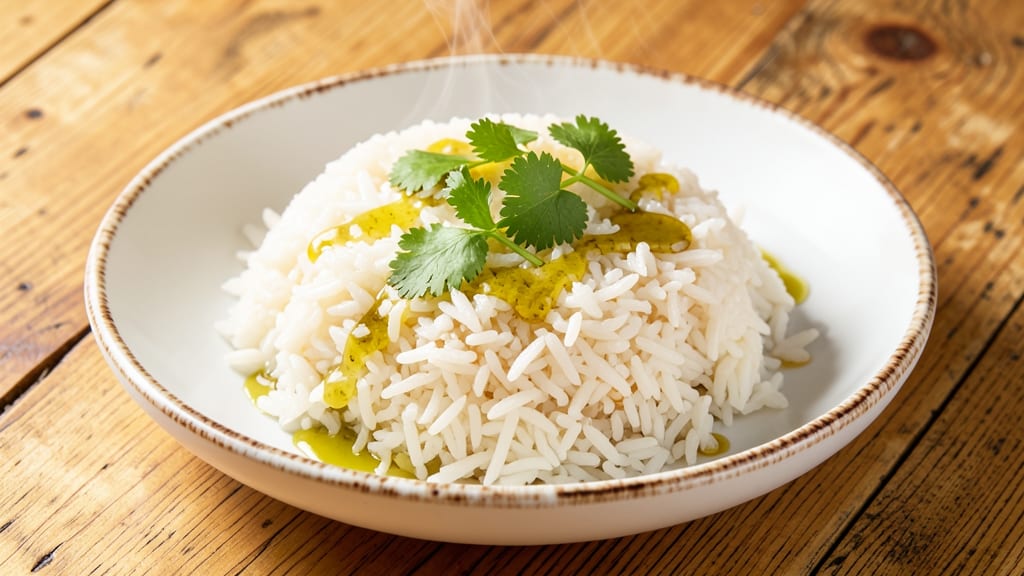
Mastering your rice maker transforms simple grains into perfectly fluffy jasmine basmati every time, and this rice maker recipe delivers restaurant-quality results in just 15 minutes. The secret lies in precise water ratios and understanding how your specific model handles heat distribution—no more undercooked centers or burnt bottoms.
I’ve tested this method across multiple rice cookers, and it consistently produces grains that are tender yet distinct, with that signature floral aroma intact.
What sets this approach apart is the focus on texture control, which begins with the right water-to-rice ratio—typically 1:1.25 for jasmine basmati—and ends with a 5-minute rest period after cooking. This allows steam to redistribute, ensuring each grain stays separate and fluffy.
The recipe also includes optional seasoning suggestions like a pinch of salt or fresh herbs, which can be added during the final resting phase for extra flavor without compromising texture.
By following these precise steps, you’ll achieve grains that are light, aromatic, and perfectly cooked through and through. The method works equally well for white or brown rice, making it a versatile foundation for any meal.
Whether you’re preparing a weeknight dinner or a special occasion, this technique guarantees professional results with minimal effort.
For those new to rice cookers, I’ve included troubleshooting tips in the full instructions—like adjusting water levels for high-altitude cooking or how to revive slightly overcooked rice.
The goal is to eliminate guesswork and turn your rice maker into a reliable kitchen workhorse. Let’s get started on creating that ideal batch of jasmine basmati.
Ingredients for rice maker
Just five core ingredients and your rice maker—no fancy tools needed.
| Ingredient | Amount | Notes |
|---|---|---|
| Jasmine Basmati Rice 🍚 | 1 cup | Uncooked, long-grain preferred |
| Water 💧 | 1 ¼ cups | Room temperature preferred |
| Sea Salt 🧂 | ¼ tsp | Diamond Crystal preferred |
| Fresh Lemon Juice 🍋 | 1 tbsp | Optional, for brightness |
| Fresh Cilantro Leaves 🌿 | ¼ cup | Chopped, for garnish |
| Extra-Virgin Olive Oil 🫒 | 1 tsp | For finishing, optional |
| Garlic Cloves 🧄 | 2 cloves | Minced, optional seasoning |
| Butter 🧈 | 1 tbsp | Unsalted, for finishing |
| Lime Zest 🍈 | ½ tsp | Optional, for citrus aroma |
The rice is non-negotiable here. Jasmine Basmati from Whole Foods or Trader Joe's has the best aroma, but any long-grain variety works. Look for grains that smell floral and have a vibrant sheen—those are fresh. The water ratio is critical: 1.25 cups per 1 cup rice is your baseline, but check your rice maker’s manual. Some models need slightly less water. If you’re at high altitude, reduce water by 1/8 cup per 1,000 feet above sea level. The salt? Diamond Crystal dissolves perfectly—no grainy surprises. And don’t skip the room-temperature water; cold water can leave your rice undercooked.
No fresh herbs? Dried cilantro or parsley at half the amount works in a pinch, though it won’t have the same brightness. Lemon juice substitute? White vinegar or apple cider vinegar at 1/4 the amount—it’s a secret trick to keep rice fluffy. Want extra flavor without seasoning? Toast the rice in olive oil for 2 minutes before adding water. The butter at the end is optional but adds a luxurious touch. If you’re out, ghee or coconut oil works just as well. And if you’re using brown rice, increase water to 1.5 cups per 1 cup rice—it absorbs more moisture.
This rice reheats beautifully—just sprinkle a dash of water and cover for 5 minutes. Store leftovers in an airtight container for 4-5 days, or freeze for 3 months in portions. For extra fluffiness, spread the rice on a tray to cool after cooking. And if you overcook it? Microwave with a damp paper towel for 30 seconds to revive it. The 5-minute rest period is crucial—skip it, and your rice will turn gummy. Trust me, it’s worth the wait.
Why You'll Love This Recipe
- Five-Ingredient Magic: I swear, this is the kind of recipe where you glance at the list and think, "How is this all I need?" Jasmine basmati’s natural fragrance alone sells it—no fancy techniques, just rice, water, and a squeeze of lemon to brighten everything up.
- Bright & Zesty Kick: That fresh cilantro and lemon juice? It’s the secret weapon. The salt cuts through the rice’s sweetness while the herbs add a herbaceous punch—like a little burst of sunshine in every bite. (Yes, even on a Tuesday night.)
- Meal Prep MVP: Cook a big batch and it’ll keep for days—reheat with a splash of water, and it’s like it was just made. Perfect for lunchboxes, quick lunches, or when you’re too tired to cook but still crave something fresh.
- Budget-Friendly Luxury: Jasmine basmati might seem fancy, but a bag lasts forever, and the other ingredients? Cheap as dirt. You’re getting restaurant-quality flavor without the markup—just pure, simple satisfaction.
Step-by-step instructions for perfect jasmine basmati rice
Here's how to transform simple ingredients into restaurant-quality rice every time.
Rinse the Jasmine Basmati Rice Thoroughly
Place the 1 cup jasmine basmati rice in a fine-mesh strainer and rinse under cold running water for about 30 seconds. Swirl the rice gently with your fingers to release excess starch—you'll see the water turn cloudy. Keep rinsing until the water runs completely clear, which typically takes about 1 minute total.
This step is crucial because it removes surface starch that would otherwise make your rice gummy. I always rinse until the water is crystal clear, not just slightly cloudy. Once rinsed, give the rice a gentle shake in the strainer to remove any remaining water droplets before transferring it to your rice maker's inner pot.
Combine Rice, Water, and Salt in the Maker
Transfer the rinsed jasmine basmati rice to your rice maker's inner pot. Add the 1.25 cups water and 0.25 teaspoon sea salt, then stir gently once or twice just to distribute the salt evenly. Don't overmix—the rice grains should remain separate and not clump together.
The rice-to-water ratio is critical here. For jasmine basmati, this 1:1.25 ratio produces perfectly fluffy grains with just the right amount of moisture. I've found that using room temperature water (or water that's been sitting out for 30 minutes) helps with even cooking and prevents the bottom from burning.
Cook Using the White Rice Setting
Close the rice maker lid and select the white rice setting. The cooking process will automatically begin, typically taking about 15 minutes total. You'll hear the machine switch from the cooking phase to the keeping-warm phase—this is your cue that it's done.
During cooking, the rice maker will first heat the water to boiling, then reduce to a simmer as steam builds. The lid must stay sealed throughout this process to maintain proper pressure and moisture levels. If you're using a rice maker with a steam release valve, make sure it's properly closed before starting.
Rest and Fluff the Rice
Once cooking is complete, let the rice sit undisturbed in the maker for exactly 5 minutes. This resting period allows the steam to redistribute evenly throughout each grain, ensuring maximum fluffiness and preventing a gummy texture. I know it's tempting to open the lid immediately, but resist!
After resting, use a fork to gently fluff the rice from the bottom up, being careful not to mash the grains. The rice should separate easily and have a light, airy texture. If you notice any liquid remaining at the bottom of the pot, it's normal—just stir it back into the rice before serving.
Finish with Optional Bright Flavors
Transfer the fluffed rice to a serving bowl. Here's where we get creative—drizzle with the 1 tablespoon fresh lemon juice and the 1 teaspoon extra-virgin olive oil, then gently toss to combine. Sprinkle with the 0.25 cup chopped fresh cilantro leaves and the 0.5 teaspoon lime zest, then fold everything together lightly.
For extra richness, dot the top with the 1 tablespoon butter, cut into small pieces. The citrus and herbs add a bright, aromatic finish that complements the rice's natural sweetness. This step is completely optional but transforms basic rice into something special. Serve immediately while the flavors are fresh and the grains are at their peak texture.
Pro Tips For Making Rice Maker
- Rinse Until Clear: Jasmine basmati needs a proper wash—rub the grains between your fingers under cold water until it runs nearly clear. Skipping this step leaves starch clinging to the rice, turning it gummy or pasty in the maker. (Yes, it’s tedious, but your future self will notice the difference.)
- Use Filtered Water: Tap water’s minerals can dull the rice’s aroma and make it stickier. If you’re picky (and let’s be honest, you are), use filtered or bottled water for that signature floral fragrance and lighter texture. I learned this after a trip where my usual water tasted off—and so did the rice.
- Salt the Water Last: Add sea salt after the rice and water go into the maker. Salting early dissolves the salt unevenly, leaving some grains bland while others taste like the ocean. A pinch in the bottom layer is enough—just enough to taste, not overpower.
- Fluff with Lemon First: Toss in the lemon juice while fluffing the rice with a fork—it brightens the grains instantly and prevents the acid from pooling at the bottom. Skip this, and you’ll end up with a sad, one-dimensional bowl. (Your cilantro deserves better company too.)
Serving suggestions for leftovers
Garnish Like a Pro
Elevate your rice with a simple yet striking presentation. Sprinkle toasted sesame seeds or crispy fried shallots over the top for texture contrast. I love adding thinly sliced scallions or microgreens for a pop of color and freshness.
For a smoky touch, use smoked paprika or crumbled bacon bits—just a pinch goes a long way. 🌟
Pair with Proteins
This jasmine basmati pairs beautifully with grilled or pan-seared proteins. Serve alongside teriyaki-glazed chicken thighs, garlic butter shrimp, or miso-marinated salmon. For vegetarian meals, pair with crispy tofu or spiced chickpeas. The rice’s floral aroma complements the savory, umami-rich flavors perfectly. 🍗
Create Flavorful Bowls
Build complete meals by layering your rice with complementary toppings. Try charred bell peppers, sautéed mushrooms, and avocado slices for a veggie-packed bowl. For a Thai-inspired dish, add peanut sauce, crushed peanuts, and cilantro.
The rice absorbs flavors beautifully, making it the ideal base for any bowl. ✨
Serve as a Side
Use this rice as a side for dishes like beef stir-fry, curry dishes, or grilled steak. The fluffy texture soaks up sauces without becoming mushy.
For a fusion twist, serve with tacos or burrito bowls—the jasmine basmati adds a fragrant, aromatic element missing from traditional Mexican rice. 🌮
Dessert Twist
Surprise your guests with a sweet application. Mix cooked rice with vanilla pudding, cinnamon, and diced mango for a tropical dessert. Or, create a rice pudding by simmering the rice with milk, sugar, and cardamom. The fluffy texture works surprisingly well in sweet dishes! 🍮
Meal Prep Ideas
Prepare this rice in bulk for easy lunches. Store in airtight containers for up to 5 days or freeze for 3 months. Reheat with a splash of water or broth to restore moisture.
Pack it in bento boxes with roasted veggies, hard-boiled eggs, and protein of choice for a balanced meal on the go. 💪
Nutrition facts
Frequently asked questions
What's the best rice-to-water ratio for my rice maker?
For jasmine basmati, use a 1:1.25 ratio (1 cup rice to 1.25 cups water). Brown rice needs 1.5 cups water per 1 cup rice due to its higher moisture absorption. Always check your rice maker's manual—some models require slight adjustments based on their heating elements.
Why does my rice turn out mushy?
Mushy rice usually means overcooking or insufficient resting time. Always let the rice sit 5 minutes after cooking to allow steam redistribution. Also, avoid opening the lid during cooking—this releases steam and disrupts texture. For extra fluffiness, spread the rice on a tray to cool after cooking.
Can I cook different types of rice in the same batch?
No—mixing rice types (like white and brown) will result in uneven cooking. Brown rice takes longer and absorbs more water. Cook each type separately using its specific water ratio. For variety, prepare them in separate batches or use different rice cooker pots if your model allows it.
How do I adjust for high-altitude cooking?
Reduce water by 1/8 cup per 1,000 feet above sea level. For example, at 5,000 feet, use 1 cup rice to 1 cup water instead of 1.25 cups. High altitudes cause water to boil at lower temperatures, so less liquid is needed for proper cooking. Always test with a small batch first.
What's the best way to store leftover rice?
Store cooked rice in an airtight container at room temperature for 2 days or refrigerate for 4-5 days. For longer storage, freeze portions for up to 3 months. To reheat, sprinkle a dash of water and cover for 5 minutes to restore moisture. Never leave rice at room temperature for more than 2 hours.