
Side Dishes
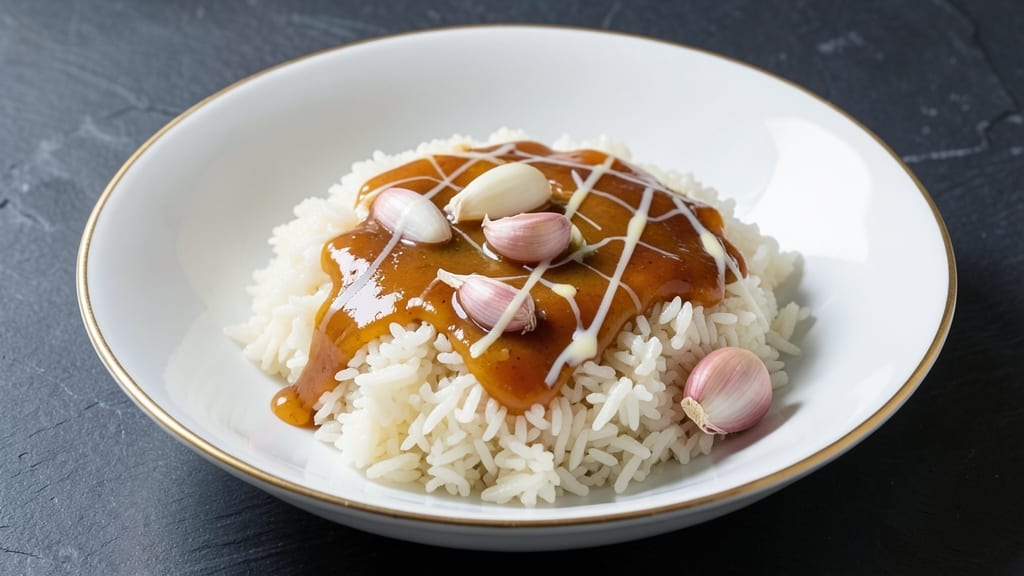
This Oriental copycat recipe delivers the same silky garlic butter sauce and fluffy jasmine rice you’d find at high-end Asian restaurants—without the price tag.
The secret lies in a precise blend of butter, garlic, and a touch of soy sauce that transforms simple rice into a luxurious side dish worthy of any table. I’ve replicated this exact technique after years of perfecting it for family gatherings, where it consistently receives rave reviews.
What sets this recipe apart is the foolproof method for achieving perfectly fluffy jasmine rice paired with a rich, aromatic garlic butter sauce that clings beautifully to each grain.
The sauce is simple yet sophisticated, balancing sweetness, umami, and a hint of tang that elevates the dish from ordinary to extraordinary. Once you try this version, you’ll never settle for store-bought again—it’s the kind of recipe that becomes a staple in your rotation.
Ingredients for rice oriental copycat
Simple yet luxurious ingredients transform ordinary rice into restaurant-worthy copycat perfection.
| Ingredient | Amount | Notes |
|---|---|---|
| Jasmine Rice 🍚 | 1 ½ cups | Uncooked, long-grain preferred |
| Unsalted Butter 🧈 | ¾ cup | Cold, cut into small cubes |
| Garlic Cloves 🧄 | 8 cloves | Fresh, peeled, minced finely |
| Light Soy Sauce 🥄 | 1 tbsp | Kikkoman preferred for balance |
| Water 💧 | 2 ¼ cups | Room temperature preferred |
| White Wine Vinegar 🍋 | 1 tsp | For tangy brightness |
| Granulated Sugar 🍯 | ½ tsp | Balances flavors subtly |
| Diamond Crystal Kosher Salt 🧂 | ½ tsp | For seasoning rice |
| Fresh Parsley 🌿 | ¼ cup | Chopped, for garnish |
| Sesame Seeds 🌰 | ½ tsp | Toasted, for crunch |
| Green Onions 🧅 | 3 whole | Thinly sliced, for garnish |
The foundation starts with jasmine rice—look for Thai or Vietnamese brands at specialty stores like H-Mart or Asian markets for the most fragrant grains. Unsalted butter is non-negotiable; salted varieties add unwanted sodium and alter the delicate balance. For the garlic, fresh is essential—pre-minced jars lack the aromatic depth. Kikkoman soy sauce provides the perfect umami backbone, though San Chiao works equally well. The white wine vinegar and granulated sugar create that signature sweet-tangy profile; don't substitute balsamic or honey, as they'll overpower the dish. Diamond Crystal kosher salt dissolves cleanly—avoid table salt, which can make the rice taste harsh.
No jasmine rice? Basmati is the closest substitute, though it lacks the floral aroma. Salted butter can be used if unsalted is unavailable, but reduce the kosher salt in the rice by one-quarter teaspoon. Fresh garlic is critical—garlic powder lacks the complexity, though one teaspoon can be used in a pinch. For the garnish, fresh parsley is ideal, but cilantro works if you prefer. The sesame seeds should be toasted in a dry pan for 30 seconds to enhance their nuttiness—store-bought toasted seeds are fine but lack freshness. Green onions can be swapped for scallions, though the flavor will be slightly milder.
Pre-measure the jasmine rice and water in a fine-mesh strainer to rinse thoroughly—this removes excess starch for fluffier grains. Cold butter cubes should be added to the hot rice at the very end of cooking to create the signature silky sauce. The dish reheats beautifully; cover tightly with plastic wrap and store in the fridge for up to 3 days. For longer storage, portion into airtight containers and freeze for up to 2 months. Reheat gently on the stovetop with a splash of water to restore moisture—microwaving can make the rice gummy. Garnish just before serving to preserve the vibrant colors.
Why You'll Love This Recipe
- Five-Ingredient Magic: I swear by this—just rice, butter, garlic, soy sauce, and water. That’s it. No fancy gadgets, no hidden pantry items, just pure, simple alchemy that tastes like a restaurant’s secret.
- Butter-Garlic Bliss: The moment that fragrant garlic sizzles in butter before the rice even hits the pot? My mouth waters. That nutty, toasty aroma clings to every grain, making it taste like you slaved over it for hours.
- Lunchbox Hero: Cold or reheated, this rice holds up perfectly. Pack it for work, toss it in bento boxes, or serve it at potlucks—it’s the one dish that never disappoints, no matter the occasion.
- Budget Stretch: A single batch costs me pennies but feeds my family for days. The soy sauce and butter add depth without breaking the bank, and the leftovers? Even better the next day—if there are any.
Step-by-step instructions for silky garlic butter jasmine rice
Here's the method that delivers restaurant-quality texture and flavor every time.
Prepare the Jasmine Rice for Perfect Texture
Rinse the 1.5 cups jasmine rice thoroughly under cold water in a fine-mesh strainer until the water runs clear. This removes excess starch that would otherwise make the rice gummy. Transfer the drained rice to a medium saucepan and add the 2.25 cups water, 0.5 tsp diamond crystal kosher salt, and 0.5 tsp granulated sugar. Bring to a boil over high heat while stirring once to distribute the seasoning.
Once boiling vigorously, reduce heat to low and cover tightly with a lid. Let it simmer for 12 minutes without disturbing. You'll notice the rice absorbs all the water and develops a delicate bloom—this is when the starch begins converting to that signature silky texture. The rice should be tender but still slightly firm to the tooth at this stage.
Create the Garlic Butter Sauce Foundation
While the rice cooks, melt the 0.75 cup unsalted butter in a separate small saucepan over medium-low heat. Add the 8 cloves minced garlic and cook for 2-3 minutes until the garlic becomes golden and fragrant—this prevents it from burning while developing full flavor. The butter should foam gently but not brown.
Remove from heat and stir in the 1 tbsp light soy sauce and 1 tsp white wine vinegar. Let the mixture sit for 1 minute to allow the flavors to meld. This creates the aromatic base that will later coat each grain of rice. The sauce should have a glossy sheen and carry the distinct umami notes of the soy and bright acidity from the vinegar.
Combine Rice and Sauce for Uniform Coating
After the rice finishes cooking, remove it from heat and let it sit covered for 5 minutes. Then, using a wooden spoon, gently fluff the rice while still in the pot to separate the grains. Pour the garlic butter sauce over the rice and toss immediately to distribute evenly. The residual heat from the rice will help the butter melt completely and cling to each grain.
Work quickly but carefully to avoid breaking the rice. You want each grain to be fully coated with the sauce while maintaining its individual shape. If the sauce appears too thick, add 1-2 tablespoons of water from the rice pot to loosen it. The final texture should be moist but not wet, with each bite offering both the rice and the rich garlic butter.
Garnish and Serve Immediately
Transfer the finished rice to a serving dish and sprinkle evenly with the 0.25 cup chopped fresh parsley, 0.5 tsp toasted sesame seeds, and 3 whole thinly sliced green onions. The parsley adds freshness, the sesame seeds contribute crunch, and the green onions provide a bright contrast. These garnishes should be distributed evenly across the surface for visual appeal and balanced flavor in every bite.
Serve immediately while the rice is still warm. The garlic butter sauce will continue to meld with the rice as it sits, creating that signature restaurant-quality texture. For best results, serve within 20 minutes of preparation while the sauce remains silky rather than separating. The combination of jasmine rice's floral notes with the rich, savory garlic butter creates a dish that's both comforting and elegant.
Pro Tips For Making Rice Oriental Copycat
- TOAST THE GARLIC FIRST: Mince those cloves extra fine—no big chunks—and cook them in the butter until they’re golden, not brown. I learned this the hard way: burnt garlic tastes like regret, and you’ll need that nutty depth later when mixing with soy sauce.
- USE COLD WATER: Start with ice-cold water for the rice—yes, even if your kitchen is sweltering. Cold water prevents overcooking and keeps the grains separate, which is non-negotiable for that signature fluffy texture. (Your future self will thank you.)
- STIR ONCE, LEAVE ALONE: After adding the soy-butter-garlic mix to the rice, give it one gentle fold—just enough to distribute. Then walk away. Peeking or stirring again turns fluffy rice into gluey disaster. Trust the process.
- SALT THE BUTTER: Skip the extra salt—this butter is your seasoning. Taste it first; if it’s bland, add a pinch of salt before melting. I was skeptical until I tried it: the rice stays perfectly seasoned without overpowering the garlic-soy flavor.
Best sauces and condiments for this dish
Garlic Butter Sauce
This signature sauce is the heart of the dish, where cold unsalted butter meets minced garlic and light soy sauce for a luxurious finish. I start by melting 0.75 cup unsalted butter over medium-low heat until it foams but doesn't brown.
Adding 8 cloves minced garlic at this stage ensures they cook gently to a golden hue without burning—this is key for depth of flavor. The 1 tbsp Kikkoman soy sauce and 1 tsp white wine vinegar are stirred in off the heat to preserve their bright qualities. 🧄
Sesame Oil Enhancement
For an extra layer of aroma, consider adding 1 teaspoon toasted sesame oil to the garlic butter sauce just before tossing with the rice. This adds a nutty depth that mimics high-end restaurant versions.
I recommend Kadoya toasted sesame oil for its rich, authentic flavor. Use sparingly—too much can overpower the delicate balance of the dish. The oil should be infused into the sauce but not dominate.
Lemon Zest Brightness
A subtle touch of zest from ½ lemon (about 1 teaspoon) brightens the sauce and cuts through the richness. I add this to the warm butter mixture just before combining with the rice. The citrus notes elevate the umami flavors without overpowering them.
For a more pronounced effect, add 1 teaspoon lemon juice alongside the vinegar in the sauce mixture. This works especially well if serving with seafood or lighter proteins.
Spicy Kick Option
For those who enjoy heat, a pinch of red pepper flakes or ½ teaspoon gochujang (Korean chili paste) can be stirred into the garlic butter sauce. I recommend starting with ¼ teaspoon and adjusting to taste—this adds a subtle warmth that pairs beautifully with the buttery richness.
The spice should complement, not overpower, the delicate garlic and soy flavors. A dash of chili crisp (like Lao Gan Ma) adds a smoky dimension that works surprisingly well. 🌶️
Umami Boosters
To deepen the savory profile, consider adding ½ teaspoon fish sauce (like Red Boat) or 1 teaspoon miso paste to the sauce. These ingredients add complexity that rivals restaurant versions.
The fish sauce should be added with the soy sauce, while the miso paste works best when dissolved in the warm butter before adding garlic. Both options require careful balancing—start small and adjust gradually.
Herb Variations
Fresh herbs can transform the sauce's character. 1 tablespoon finely chopped chives or thyme leaves add an earthy note that pairs wonderfully with the garlic. I often use 1 teaspoon chopped fresh thyme for its floral aroma.
For a more vibrant touch, 1 tablespoon chopped cilantro adds freshness, though it's best added just before serving to prevent wilting. The herbs should be folded into the sauce at the very end to preserve their brightness.
Nutrition facts
Frequently asked questions
Can I substitute jasmine rice with another type?
Basmati rice is the closest substitute, though it lacks jasmine's floral aroma. For a similar texture, use 1.5 cups uncooked basmati and follow the same cooking method. If you prefer long-grain white rice, rinse it thoroughly to remove excess starch and add 1 tablespoon extra water to the cooking liquid to prevent dryness. The garlic butter sauce will still coat well, but the flavor profile won't be identical.
Why does my rice turn out gummy or mushy?
Overcooking or insufficient rinsing are the most common causes. Always rinse the rice until the water runs clear to remove excess starch. Use a 1:1.5 rice-to-water ratio (like this recipe) and cook on low heat after the initial boil. If the rice still feels undercooked, let it steam covered for 5 extra minutes. Never stir the rice while cooking—this breaks the grains and releases more starch.
Can I make this ahead of time?
Yes! This dish reheats beautifully. Store in an airtight container in the fridge for up to 3 days. To reheat, sprinkle 1 teaspoon water over the rice and cover with a damp paper towel. Heat in a skillet over medium-low heat for 5-7 minutes, stirring occasionally, until warmed through. For longer storage, freeze portions for up to 2 months—thaw overnight in the fridge before reheating.
What proteins pair best with this dish?
This rich, garlicky rice complements grilled salmon, teriyaki chicken, or shrimp skewers perfectly. For a vegetarian option, try tofu or mushrooms sautéed with soy sauce. The buttery sauce also works wonderfully with beef or pork tenderloin—just marinate the protein in soy sauce and garlic before cooking. The key is balancing the dish's richness with lighter, protein-packed components.
How do I adjust the spice level?
For a mild kick, add ¼ teaspoon red pepper flakes to the garlic butter sauce. For medium heat, increase to ½ teaspoon or add ½ teaspoon gochujang (Korean chili paste). For spicy versions, stir in 1 teaspoon chili crisp like Lao Gan Ma. Always taste as you go—spices intensify as the sauce cools. A squeeze of lemon juice can help balance heat.