
Snacks
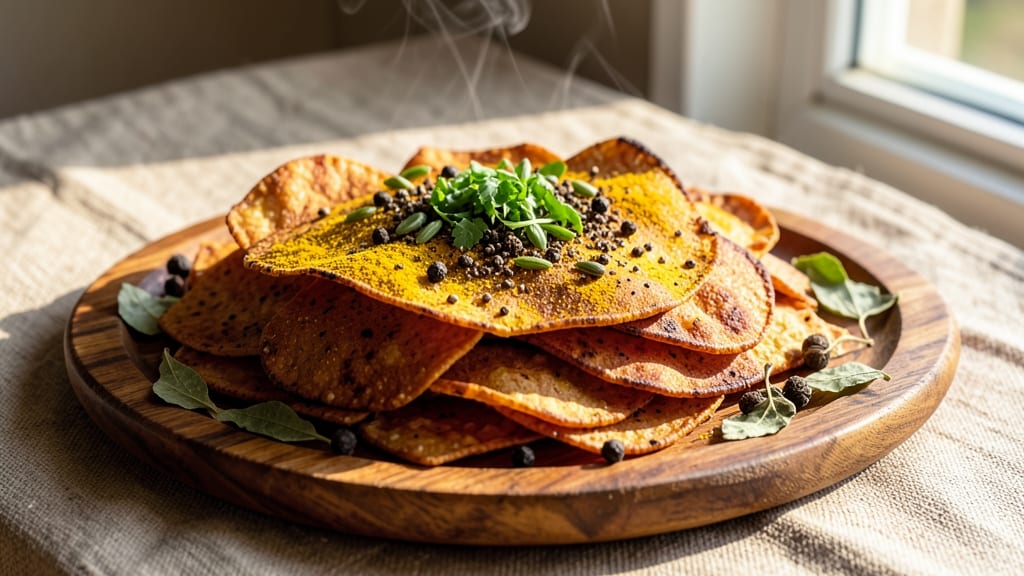
Transforming ordinary snacks into extraordinary bites, this rice papdi recipe delivers a fragrant, crunchy seasoning blend that elevates everything from popcorn to roasted nuts. The key lies in perfectly toasted rice flakes combined with warm spices like cumin and coriander, creating a dry mix that releases aromatic oils when heated.
I developed this blend after years of testing—each ingredient plays a crucial role, from the turmeric for color to the black pepper for depth.
What makes this recipe special is its versatility—just 5 tablespoons of this spice mix, tempered in hot oil, can transform simple snacks into restaurant-quality bites. The rice flakes provide texture while the spices infuse flavor, making it perfect for tempering in dals, seasoning roasted vegetables, or even sprinkling over salads.
Storage is effortless: keep it airtight for up to 3 months, preserving its crispness and aroma.
The result is a crunchy, aromatic seasoning that adds complexity to any dish without overpowering it. The blend’s nutty, slightly sweet notes complement both savory and spicy flavors, making it a pantry staple for snack lovers.
Whether you’re prepping for a party or craving an afternoon treat, this mix delivers professional-quality flavor with minimal effort.
Use it to temper oil for dals, sprinkle over roasted nuts, or mix into popcorn for a gourmet snack experience. The possibilities are endless—let’s get started!
Ingredients for rice papdi
Nine essential ingredients transform snacks into aromatic, crunchy masterpieces with restaurant-quality depth.
| Ingredient | Amount | Notes |
|---|---|---|
| Rice Flakes (Papad) 🍚 | 2 cups | Store-bought or homemade, toasted |
| Ground Cumin Seeds 🌿 | 1 ½ tbsp | Freshly ground for maximum aroma |
| Ground Coriander Seeds 🌿 | 1 ½ tbsp | Toasted for enhanced sweetness |
| Turmeric Powder 🧡 | ½ tsp | Organic for vibrant color |
| Black Peppercorns 🌶️ | 1 tsp | Freshly cracked for bold heat |
| Dried Fenugreek Leaves 🌿 | ½ tsp | Kasuri methi, crushed |
| Asafoetida Powder 🌶️ | ¼ tsp | Hing, optional for depth |
| Garam Masala Powder 🌶️ | ½ tsp | Homemade or store-bought |
| Red Chili Powder 🔥 | ½ tsp | Adjust for heat preference |
| Sea Salt 🧂 | ½ tsp | Diamond Crystal preferred |
The foundation begins with rice flakes—opt for store-bought papad flakes from Indian specialty markets or toast leftover rice in a dry pan until crisp. Whole spices like cumin and coriander must be toasted separately before grinding to unlock their full aromatic potential. Penzeys or bulk bins at Whole Foods offer the freshest options, but any reputable spice merchant will suffice. Fenugreek leaves (kasuri methi) should be crushed between palms to release their earthy essence, while asafoetida (hing) adds a subtle umami depth that elevates the entire blend. For garam masala, homemade blends with cardamom and cinnamon provide superior complexity compared to store-bought versions.
Substitutions should preserve the blend's balanced profile. Ground coriander can replace whole seeds at half the quantity, though texture will differ. Smoked paprika (½ tsp) replaces red chili powder for a milder, sweeter alternative. Dried basil or mint (¼ tsp) adds freshness if fenugreek is unavailable, though the flavor profile shifts noticeably. Pre-ground spices work in a pinch, but freshly toasted and ground spices deliver unmatched aroma and potency. For heat adjustment, cayenne pepper (¼ tsp) intensifies the kick without altering the blend's texture. Salt can be omitted entirely if using unsalted rice flakes, but Diamond Crystal enhances flavor development during tempering.
Store the finished blend in an airtight glass jar away from direct sunlight to preserve its crispness and aroma. When properly sealed, it remains potent for up to 3 months—longer if refrigerated. For extended storage, freeze portions in small batches to maintain texture. Reheat gently in a dry pan for 30 seconds before use to reactivate the spices' aromatic oils. The blend's versatility ensures it's always ready: sprinkle over roasted nuts, temper in hot oil for dals, or mix into popcorn for an instant gourmet upgrade. Portion into single-use servings (5 tbsp) for convenience.
Why You'll Love This Recipe
- Pantry Magic: I swear by this one—no fresh ingredients needed. Just toast those rice flakes until they’re golden and crispy, then toss them with the spices you already have (cumin, coriander, turmeric—boom). It’s the kind of recipe that works even when my fridge is empty.
- Spice Bomb Crunch: That first bite? Chef’s kiss. The rice flakes get this perfect crunch, while the ground spices—especially the peppercorns—add a warm, earthy punch. Honestly, it’s the kind of flavor that makes you want to eat it straight from the pan, no sides needed.
- Leftover Hero: Between us, this stuff tastes better the next day. Store it in a jar, and it’s ready to sprinkle over dal, curries, or even soups. I’ve used the last bits to top yogurt bowls—yes, really—and no one ever questions why I’m eating it plain.
- Budget Crunch: I’m not kidding when I say this costs pennies. Rice flakes are cheap, spices last forever, and you’re not buying fancy ingredients. It’s my go-to when I need to feed the family without breaking the bank—or the will to cook.
Step-by-step instructions for rice papdi recipe
Here's the method to create a perfectly spiced, crispy rice papdi blend that elevates every snack.
Toast the Rice Flakes for Maximum Crispiness
Preheat your oven to 350°F and spread the 2 cups rice flakes (papad) evenly on a baking sheet lined with parchment paper. Toast for 8-10 minutes, stirring every 2-3 minutes, until they turn a light golden color and smell nutty. This step removes excess moisture and enhances their natural crunch—don't skip it, as under-toasted flakes will make your papdi soggy.
Watch closely after 6 minutes—the flakes should be uniformly golden but not dark brown. Remove them immediately once they reach the perfect shade, as they'll continue cooking slightly once off the heat. Let them cool completely before proceeding, about 10 minutes at room temperature. This cooling period prevents condensation when you mix the spices later.
Grind the Spice Blend to a Fine Powder
In a clean, dry spice grinder or mortar and pestle, combine the 1.5 tbsp ground cumin seeds, 1.5 tbsp ground coriander seeds, 1 tsp black peppercorns, 0.5 tsp dried fenugreek leaves, 0.5 tsp garam masala powder, 0.5 tsp red chili powder, and 0.25 tsp asafoetida powder. Grind until you achieve a fine, powdery consistency with no visible specks—this ensures even distribution throughout the rice flakes.
If using a mortar and pestle, crush the peppercorns first before adding the finer powders. The asafoetida powder should dissolve completely into the blend, adding its signature umami depth. Add the 0.5 tsp turmeric powder and 0.5 tsp sea salt last, mixing them in thoroughly by hand to prevent any potential burning from the grinding process.
Combine and Mix Thoroughly for Even Flavor
In a large mixing bowl, combine the cooled toasted rice flakes with the freshly ground spice blend. Use clean hands or a silicone spatula to mix vigorously for 3-4 minutes, pressing the mixture through your fingers to ensure every flake is evenly coated. This step is crucial—uneven distribution will result in bland pockets of rice flakes.
For best results, I like to spread the mixture on a clean surface and gently fold it over itself several times, using the heel of my hand to press down firmly. This technique creates a uniform texture where each bite delivers balanced spice intensity. The final mixture should resemble a golden, aromatic powder with visible flecks of rice flakes throughout.
Store Properly for Maximum Freshness
Transfer the finished rice papdi to an airtight glass container with a tight-sealing lid. Store in a cool, dark place for up to 2 weeks, or refrigerate for up to 1 month to maintain optimal crispness. The first 3 days are when it will be at its peak crunch—after that, the texture will gradually soften but the flavor remains excellent.
When ready to use, simply sprinkle the rice papdi over hot snacks like dal, curries, or samosas. The contrast of warm, spiced food with the cool, crisp papdi creates an irresistible textural experience. For extra crunch, lightly toast the stored papdi in a dry pan over medium heat for 1-2 minutes before serving.
Pro Tips For Making Rice Papdi
- CRANK THE HEAT: Rice flakes need high heat to crisp properly—don’t simmer, sear. I used to cook them on medium and ended up with sad, gummy papdi. Once the oil shimmers, dump in the flakes and let them sizzle like popcorn until edges turn golden. (Yes, even if you’re impatient like me.)
- GRIND FRESHLY, USE LESS: Store-bought ground spices lose punch fast, so if you’re grinding cumin and coriander, do it just before cooking. But here’s the trick: start with half the recipe’s spice amount, taste the oil after toasting, then add more if needed. Overloading masks the rice’s natural flavor.
- DON’T SKIP THE WATER TEST: Before frying, check your rice flakes’ dryness—drop one in a glass of water. If it sinks slowly (like a lazy afternoon), spread them on a tray and bake at 150°F (65°C) for 10 minutes to drive out moisture. Wet flakes steam instead of crisp, and no one wants mushy papdi.
- TOAST SPICES IN OIL FIRST: Heat your oil until it’s just smoking, then add whole cumin and peppercorns for 20 seconds—they’ll sizzle and perfume the air. Drain them, grind, and mix with the powdered spices. This step cuts bitterness and makes the final flavor pop. (I know, it’s an extra step, but it’s worth it.)
Regional styles of these flavors
North Indian Style
In North India, rice papdi often includes mustard seeds and sesame seeds for a distinct nutty crunch. I like to add ½ tsp mustard seeds and ½ tsp sesame seeds to the blend, lightly toasted in ghee before mixing.
This variation is commonly used as a topping for dal makhani or sprinkled over roasted papad for extra texture. The mustard seeds add a sharp, pungent bite that balances the sweetness of the rice flakes. 🌶️
South Indian Crispy Mix
South Indian rice papdi often incorporates curry leaves and peanuts for a unique flavor profile. Add 1 tbsp crushed peanuts and 1 tsp dried curry leaves to the mix for a toasty, aromatic twist.
This version works beautifully as a garnish for sambar or idli and adds a delightful crunch with a hint of earthiness. For extra richness, lightly fry the peanuts in 2 tbsp ghee before mixing. 🥜
Maharashtrian Papdi
The Maharashtrian version of rice papdi is known for its bold, spicy kick and often includes dried kokum and amchur (dry mango powder). Add ½ tsp dried kokum powder and ½ tsp amchur to the spice blend for a tangy, fruity depth.
This mix is traditionally sprinkled over vada pav or bhel puri for a burst of flavor. The kokum adds a citrusy tang that cuts through the richness of fried snacks. 🍋
Gujarati Papdi
Gujarati rice papdi often features dhani dal (split pigeon peas) and green chilies for added texture and heat. Add ½ cup toasted dhani dal and ½ tsp finely chopped green chilies to the blend for a hearty, protein-rich topping.
This version is perfect for daliya (poha) or khandvi and provides a satisfying crunch with a mild spicy warmth. The dhani dal adds a nutty, earthy flavor that complements the rice flakes beautifully. 🌿
Bengali Papdi
In Bengal, rice papdi is often made with poppy seeds (khus khus) and fennel seeds for a sweeter, nuttier profile. Add 1 tbsp poppy seeds and ½ tsp fennel seeds to the mix, lightly toasted for extra aroma.
This blend is commonly used as a garnish for panta bhat (fermented rice) or luchi (deep-fried bread). The poppy seeds add a subtle sweetness that pairs wonderfully with the savory spices. 🌰
Hyderabadi Papdi
Hyderabadi rice papdi incorporates dried mint leaves and coriander seeds for a refreshing twist. Add 1 tsp dried mint leaves and an extra ½ tsp coriander seeds to the blend for a bright, citrusy flavor.
This version is perfect for mirchi ka salan or hyderabadi biryani and adds a fragrant, aromatic touch. The mint leaves bring a cool, refreshing note that balances the warmth of the spices. 🌿
Nutrition facts
Frequently asked questions
What's the best way to use this rice papdi blend?
Temper it in hot oil for 30 seconds to release the spices' aromatic oils, then sprinkle over hot dal, curries, or roasted nuts. For snacks, mix 1 tbsp into popcorn or sprinkle over samosas for instant crunch. The blend works equally well in savory dishes or as a topping for salads.
Can I make this without a spice grinder?
Use a mortar and pestle or even a rolling pin on a plate to crush whole spices like cumin and coriander. For peppercorns, place them in a small plastic bag and use a heavy pan to crush them. The key is to grind spices to a fine powder for even distribution.
Why does my rice papdi lose crunch quickly?
Humidity is the enemy! Store your blend in an airtight glass jar with a silicone desiccant packet or rice grains to absorb moisture. Keep it in a cool, dark place and avoid refrigerating unless necessary. For extra crispiness, toast stored papdi in a dry pan for 1-2 minutes before using.
What's the difference between this and regular papad?
While both use rice flakes, this blend is a spiced seasoning mix designed for tempering in oil, not eating plain like papad. The spices create aromatic oils when heated, while papad is simply crispy rice. Think of it as the Indian equivalent of za'atar—perfect for flavoring rather than standalone snacking.
Can I adjust the spice levels?
Yes! Reduce the red chili powder by half for milder heat or increase it to 1 tsp for extra spice. For a sweeter version, add ½ tsp sugar or ½ tsp amchur (dry mango powder). Always taste the spice blend before mixing with rice flakes to ensure balance.