
Side Dishes
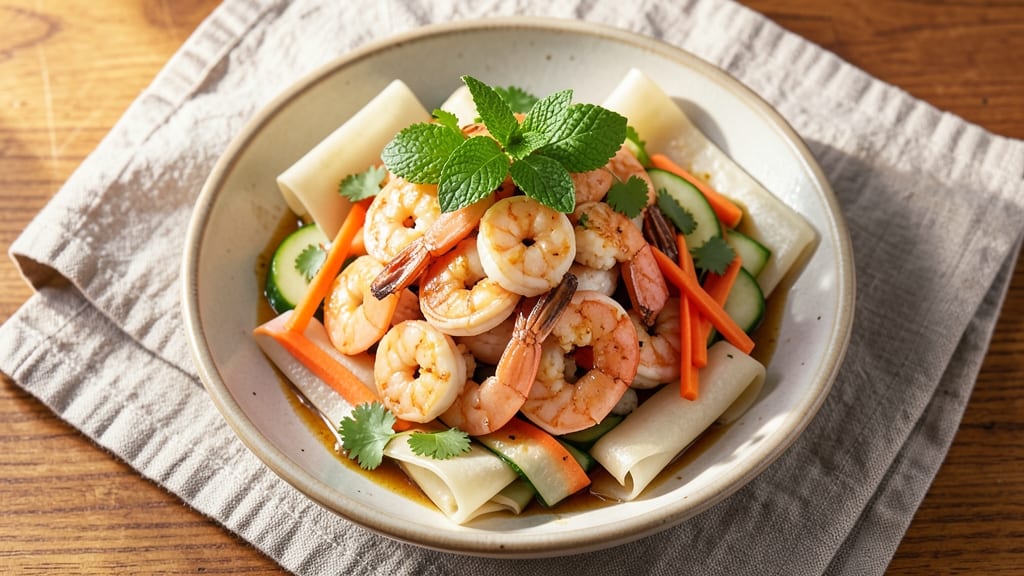
Creating rice wrapper recipe that delivers crispy edges and flavor-packed rolls starts with the right balance of technique and ingredients. The key lies in thin, delicate rice paper wrappers that transform from pliable sheets into golden, shatteringly crisp layers when cooked properly.
I’ve perfected this method over years of testing—whether for Vietnamese summer rolls or crispy spring rolls—ensuring every bite delivers both texture and flavor without compromise.
This recipe transforms simple ingredients into restaurant-quality rolls with minimal effort. The process involves preparing a light, aromatic filling of shrimp, herbs, and vegetables, then wrapping them in the rice paper with precision. Whether you pan-fry for extra crispiness or serve fresh with dipping sauce, the result is consistently impressive.
The beauty of rice wrappers is their versatility—adapt fillings to your taste while maintaining that signature crunch.
What makes these rolls truly special is the contrast between the crispy exterior and tender, flavorful interior. The rice paper absorbs just enough oil during cooking to create that satisfying crunch, while the filling remains juicy and aromatic.
Perfect for appetizers, main courses, or even a light meal, these rolls are as satisfying as they are elegant. Let’s get started on a method that delivers foolproof results every time.
For those with dietary preferences, gluten-free options are easily accommodated by using tamari or coconut aminos instead of soy sauce in the filling. The technique remains the same, proving that crispy, flavorful rolls can be both traditional and adaptable.
Whether you’re making them for a crowd or a simple weeknight dinner, this recipe ensures success with every roll.
Ingredients for rice wrapper
Twelve delicate rice wrappers and a handful of fresh ingredients transform into restaurant-quality rolls.
| Ingredient | Amount | Notes |
|---|---|---|
| Rice Paper Wrappers 🍱 | 12 whole | 6-inch size for standard rolls |
| Large Shrimp 🦐 | 1 lb | Peeled, deveined, tails off |
| Fresh Mint Leaves 🌿 | ½ cup | Finely chopped, stems removed |
| Fresh Cilantro Leaves 🌿 | ¼ cup | Finely chopped, stems removed |
| Medium Carrot 🥕 | 1 whole | Julienned into thin strips |
| Medium Cucumber 🥒 | 1 whole | Julienned into thin strips |
| Red Bell Pepper 🌶️ | ½ whole | Thinly sliced, seeds removed |
| Lime Wedges 🍋 | 2 whole | Juiced, seeds strained out |
| Fish Sauce 🍶 | 2 tbsp | Red Boat brand preferred |
| Soy Sauce 🥢 | 1 ½ tbsp | Gluten-free tamari option |
| Sesame Oil 🫒 | 1 tbsp | Toasted, for aroma |
| Vegetable Oil 🫒 | ¼ cup | For frying, high smoke point |
| Granulated Sugar 🍚 | 1 tbsp | For balancing flavors |
| Diamond Crystal Kosher Salt 🧂 | ½ tsp | Adjust to taste |
| Garlic Cloves 🧄 | 4 cloves | Minced, for filling |
The rice paper wrappers are the foundation—6-inch size from Asian markets delivers the perfect balance of pliability and crispiness. Look for wrappers that are thin but sturdy, with a vibrant white color indicating freshness. Thai Kitchen or Vietnamese brands are reliable choices, but avoid any with yellowing edges or wrinkles. Store unopened wrappers in a cool, dry place; once opened, keep them submerged in water for no more than 30 minutes before use to prevent over-softening. For shrimp, wild-caught from local seafood markets ensures optimal texture, but frozen thawed shrimp works perfectly for weeknight cooking.
Fresh herbs make all the difference—Thai basil or Vietnamese mint elevates the flavor profile, but standard mint and cilantro suffice. Swap cucumber for avocado slices if you prefer richness, or add shredded purple cabbage for extra crunch. For the filling, fish sauce is non-negotiable for authenticity, but coconut aminos work for gluten-free versions. The sesame oil should be toasted—Kadoya brand from World Market has the best aroma. If you can't find julienne peeler, a sharp knife and steady hand work just as well for the carrot and cucumber strips. For crispy rolls, use avocado or peanut oil with a high smoke point.
Prepped ingredients keep best in airtight containers. Store the shrimp filling in the fridge for up to 2 days, while the julienned vegetables stay fresh for 3 days if submerged in cold water. Rice wrappers can be stored dry in the pantry for up to 6 months—just soak them in warm water for 10-15 seconds before using. For make-ahead convenience, assemble rolls without frying and refrigerate on a wire rack; pan-fry just before serving to maintain crispiness. The filling reheats beautifully—simmer gently with a splash of water to restore moisture.
Why You'll Love This Recipe
- I’ll be real: those rice paper wrappers stay crispy when dipped—no soggy mess here. Just dip, fill, roll. My kids can handle it, and honestly? So can you.
- No-Fuss Freshness: I’ll be real: those rice paper wrappers stay crispy when dipped—no soggy mess here. Just dip, fill, roll. My kids can handle it, and honestly? So can you.
- Minty Shrimp Magic: That bright cilantro-mint combo with the shrimp? It’s like a party in your mouth. The carrot adds a satisfying crunch, and the shrimp? Perfectly tender without overpowering.
- Lunchbox Hero: Pack these for work or school—they’re sturdy enough to hold up, and the flavors only get better after sitting. (Yes, even on a Tuesday night.) No reheating needed; just grab and go.
Step-by-step instructions for rice paper rolls with crispy edges
Here's the method that delivers perfectly crisp wrappers while keeping the filling vibrant and flavorful.
Prepare the Shrimp Filling
In a small bowl, combine the peeled and deveined shrimp with the minced garlic cloves, 1 tablespoon soy sauce, 1 tablespoon fish sauce, and 1 teaspoon sesame oil. Gently toss until the shrimp are evenly coated. Let this mixture sit at room temperature for 15 minutes—this ensures even cooking and maximum flavor absorption.
While the shrimp marinates, prepare the vegetable filling by combining the julienned carrot, cucumber, and thinly sliced red bell pepper in a separate bowl. Add the remaining 0.5 tablespoon soy sauce and 1 tablespoon fish sauce to the vegetables. Toss gently to coat, then sprinkle with 0.25 teaspoon diamond crystal kosher salt and 0.5 teaspoon granulated sugar. This balance of salt and sugar enhances the natural sweetness of the vegetables while preventing bitterness.
Assemble the Filling Mixture
In a medium bowl, combine the marinated shrimp with the seasoned vegetable mixture. Add the finely chopped mint leaves and cilantro leaves, then gently fold everything together. The herbs should be evenly distributed throughout the filling. Taste the mixture and adjust seasoning if needed—you want a harmonious balance of umami from the fish sauce, brightness from the herbs, and a touch of sweetness from the sugar.
Real talk: Don't overmix the filling. A few gentle folds are all you need to combine the ingredients without breaking down the shrimp or wilting the herbs. The filling should look vibrant and inviting, with visible pieces of shrimp and vegetables.
Prepare the Rice Paper Wrappers
Fill a shallow dish with warm water—just enough to cover the bottom. Dip one rice paper wrapper at a time into the water for about 5 seconds, then gently lift it out. The wrapper will soften almost immediately. Here's the thing—don't soak it too long or it'll become limp and difficult to work with.
Lay the softened wrapper on a clean, flat surface. Working quickly, place about 2 tablespoons of the shrimp-vegetable filling near the bottom third of the wrapper. Fold the bottom edge over the filling, then fold in each side edge. Finally, roll the wrapper tightly away from you, tucking the filling securely as you go. The goal is to create a neat, compact roll with crisp edges—this is where the magic happens.
Fry for Crispy Edges
Heat the vegetable oil in a deep skillet or wok over medium heat until it reaches 350°F. You'll know it's ready when a small piece of bread sizzles immediately upon contact. Working in batches to avoid overcrowding, carefully place the assembled rice paper rolls into the hot oil. Fry for 1-1.5 minutes per side until golden brown and crisp.
Here's the moment that matters: Watch the color closely. The edges should develop a beautiful golden-brown hue while the interior remains tender. If the oil smokes excessively, reduce the heat slightly to maintain a steady 350°F. Once fried, transfer the rolls to a paper towel-lined plate to drain excess oil. Serve immediately with lime wedges squeezed over the top for a bright, finishing touch.
Pro Tips For Making Rice Wrapper
- Soak Wrappers Just Right: Rice paper wrappers need a quick dip—about 10-15 seconds in warm water—until pliable but not soggy. I learned this the hard way: over-soaking turns them into wet paper towels, while under-soaking makes them brittle. Test one first, then adjust.
- Prep Carrot Like a Pro: Thinly slice the carrot lengthwise (about 1/8-inch thick) and blanch for 30 seconds in boiling water, then ice bath. This keeps it crisp instead of mushy—no one wants a sad, limp veggie in their roll.
- Shrimp Needs a Quick Sear: Cook shrimp in a screaming-hot pan for 30-45 seconds per side until just pink—overcooking turns them rubbery. Toss them with a splash of lime juice right after; the acid stops them from drying out while you assemble.
- Stack Herbs Last: Fold in mint and cilantro after rolling—press them gently into the seam so they stay put. Dumping them in the bowl first just leads to a herb avalanche when you try to wrap. (Yes, I’ve done this.)
Perfect pairings for this recipe
Dipping Sauces
No rice paper roll is complete without its signature dipping sauce. For these shrimp rolls, I recommend a sweet-spicy chili sauce—mix 2 tablespoons hoisin sauce, 1 tablespoon sriracha, 1 tablespoon rice vinegar, and 1 teaspoon honey.
This balances the crispy exterior with a tangy, slightly sweet finish. For a traditional Vietnamese touch, use nuoc cham: blend 3 tablespoons fish sauce, 2 tablespoons lime juice, 1 tablespoon sugar, and 1 cup water.
Adjust to taste—this sauce should be bright and slightly salty. 🍶
Side Dish Pairings
A light, refreshing side dish complements the richness of the rolls. I love serving cucumber-mint salad—toss 1 cup thin cucumber slices, ¼ cup chopped mint, 1 tablespoon lime juice, and ½ teaspoon salt.
For a heartier option, pair with steamed jasmine rice and a quick stir-fried green bean dish with garlic and chili. These sides keep the meal balanced and vibrant. 🥗
Beverage Pairings
For a refreshing contrast, serve these rolls with a sparkling lychee lemonade—mix 1 cup lychee juice, ½ cup sparkling water, and 1 tablespoon lime juice. The effervescence cuts through the richness of the fried rolls beautifully.
Alternatively, a light lager like Asahi Super Dry or a crisp Sauvignon Blanc enhances the shrimp and herb flavors without overpowering them. For a non-alcoholic option, jasmine iced tea with a hint of honey is perfect. 🍺
Garnishes for Freshness
Elevate your rolls with fresh garnishes that add texture and brightness. Squeeze lime wedges over the top right before serving to keep everything fresh. Sprinkle with toasted sesame seeds or crushed peanuts for crunch.
A few thinly sliced scallions or cilantro sprigs add a pop of color and herbaceous freshness. These finishing touches make your rolls look and taste restaurant-quality. 🌿
Sweet Endings
If you're serving these rolls as a dessert-inspired treat, try a mango and coconut filling instead of shrimp. Pair with a light coconut milk sauce drizzled over the top and garnish with toasted coconut flakes.
For a savory-sweet combo, add a drizzle of honey-sriracha glaze—just mix 1 tablespoon honey and ½ tablespoon sriracha—to balance the flavors. This twist works surprisingly well for brunch or special occasions. 🍯
Nutrition facts
Frequently asked questions
Can I use rice paper wrappers for both fried and fresh rolls?
These delicate wrappers work perfectly for both styles. For fried rolls, follow the pan-frying method to achieve crispy edges. For fresh summer rolls, simply assemble with your filling and serve with a dipping sauce. The key difference is the cooking method—frying adds texture while fresh rolls rely on vibrant ingredients.
What's the best way to store leftover rice paper rolls?
Store fried rolls in an airtight container for up to 2 days at room temperature, but reheat in a dry skillet for 30 seconds to restore crispiness. Fresh rolls keep best in the fridge for 1 day when wrapped tightly in plastic. For longer storage, freeze uncooked rolls (wrapped in parchment) for up to 1 month—thaw overnight before serving.
How do I prevent my rice paper rolls from falling apart?
Work quickly when wrapping—rice paper dries fast! Use 2 tablespoons of filling max and roll tightly from the bottom. For extra security, lightly brush the edges with water before frying. If using shrimp, pat it dry first to avoid excess moisture. Practice makes perfect—start with 3-4 rolls to master the technique before making a full batch.
Can I make these rolls vegetarian or vegan?
Easily! Swap shrimp for tofu, mushrooms, or crispy chickpeas. Use coconut aminos instead of fish sauce and vegan mayo in dipping sauces. For umami depth, add miso paste or nutritional yeast to the filling. The same wrapping technique applies—just ensure your filling is dry enough to hold together.
Why did my rice paper wrappers turn soggy instead of crispy?
Over-soaking or frying at too low a temperature (below 350°F) causes sogginess. Dip wrappers for only 5 seconds in warm water and fry in small batches. Use fresh wrappers (check for no yellowing) and ensure your oil is hot enough—test with a bread cube. If oil smells burnt, replace it for best results.