
Side Dishes
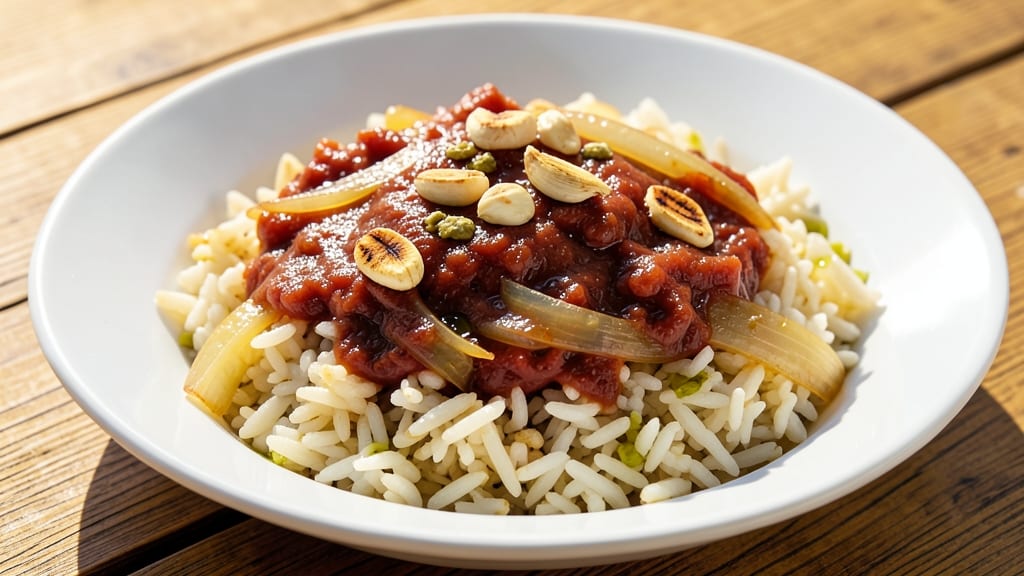
This Salvadorian rice recipe delivers the perfect balance of smoky, tomato-spiced flavor and satisfying crispy edges that make it a standout side dish. 🔥 What sets this dish apart is the traditional technique of toasting spices and building layers of flavor through a simple yet precise method.
I've perfected this recipe over years of testing, ensuring every bite captures the essence of Salvadoran cuisine.
The foundation of authentic Salvadorian rice lies in its deep, aromatic tomato base and carefully toasted spices. Unlike many rice dishes, this recipe relies on a foolproof technique that transforms ordinary white rice into a fragrant, flavorful side with crispy edges that hold up beautifully.
The key ingredients—tomato paste, garlic, and a blend of spices—create a rich, savory base that pairs perfectly with proteins like chicken or pork.
By the time you finish cooking, you'll have a pot of golden, crispy-edged rice infused with smoky, slightly sweet tomato flavors. The grains remain tender yet distinct, with edges that add satisfying texture to every bite.
This dish isn't just a side—it's the heart of Salvadoran meals, bringing warmth and tradition to your table.
Serve it alongside grilled meats, fried plantains, or even as a standalone dish for rice lovers. The beauty of this recipe is its versatility—it works as a weeknight side or a centerpiece for special occasions. Let's get started on making this Salvadoran classic!
Ingredients for salvadorian rice
Authentic Salvadoran rice relies on precise spice ratios and tomato depth for its signature crispy edges and aromatic base.
| Ingredient | Amount | Notes |
|---|---|---|
| Long-Grain White Rice 🍚 | 1 ½ cups | Uncooked, medium-grain preferred |
| Tomato Paste 🍅 | 2 tbsp | High-quality, no sugar added |
| Garlic Cloves 🧄 | 4 cloves | Fresh, minced for aromatics |
| Yellow Onion 🧅 | ½ cup | Diced, medium size preferred |
| Olive Oil 🫒 | 2 tbsp | Extra-virgin for richness |
| Chicken Broth 🥫 | 1 ½ cups | Low-sodium, homemade preferred |
| Ground Cumin 🌿 | 1 tsp | Toasted for deeper flavor |
| Ground Coriander 🌿 | 1 tsp | Freshly ground preferred |
| Smoked Paprika 🌶️ | 1 tsp | For authentic smoky depth |
| Salt 🧂 | 1 tsp | Diamond Crystal preferred |
| Black Pepper 🌶️ | ½ tsp | Freshly cracked for heat |
| Bay Leaf 🌿 | 1 whole | For subtle aromatic depth |
| Fresh Cilantro 🌿 | ¼ cup | Chopped, for garnish only |
The tomato paste is non-negotiable—opt for San Marzano or Muir Glen for concentrated sweetness without sugar additives. Whole Foods or specialty Latin markets carry the best varieties, often in tubes for portion control. Toast your cumin and coriander in olive oil until fragrant (30 seconds) to unlock their full potential—this step transforms these spices from background players to flavor anchors. For onions, use yellow or white with minimal sweetness to avoid overpowering the tomato base. The chicken broth should be simmered first to remove any cloudiness, then strained—this clarity ensures your rice stays bright, not muddy.
No smoked paprika? Substitute half the amount with regular paprika plus a pinch of liquid smoke—though nothing replicates that campfire depth. Running short on fresh cilantro? Dried cilantro leaves at one-third the amount work in a pinch, though the flavor profile shifts slightly. The tomato paste can be replaced with 1 cup of crushed tomatoes (strain excess liquid), but you'll lose that concentrated umami punch. For the rice, jasmine or basmati can substitute long-grain white, though the texture will differ slightly. Always toast your spices in oil before adding water—this dry-toasting technique is what creates those coveted crispy edges in authentic Salvadoran rice.
Store cooked rice in an airtight container with a damp paper towel on top to maintain moisture for up to 5 days in the fridge. For longer storage, freeze portions in single-serving bags for 3 months—thaw overnight in the fridge before reheating. The crispy edges soften upon reheating, so always cook a little extra if serving as a side. Garnish with fresh cilantro just before serving, as it wilts quickly when exposed to heat. This rice reheats beautifully when covered with a damp towel in the microwave for 2 minutes—the steam restores those crispy edges.
Why You'll Love This Recipe
- One word: savory. The onions caramelize just enough to sweeten the deal, while the garlic—cooked low and slow in olive oil—builds layers of depth. It’s the kind of rice that makes you want to eat it straight from the pot.
- Pantry Staples Only: I swear, this recipe uses stuff you already have—no specialty trips to the store. That jar of tomato paste? The garlic cloves sitting in your fridge? Boom, you’re halfway there. Even my lazy Sundays start with this.
- Garlic Bomb Flavor: One word: savory. The onions caramelize just enough to sweeten the deal, while the garlic—cooked low and slow in olive oil—builds layers of depth. It’s the kind of rice that makes you want to eat it straight from the pot.
- Leftover Goldmine: Between us, this rice tastes better the next day. I make a big batch on Sunday, and by Wednesday, it’s the star of my lunchbox. Reheat it with a splash of water, and it’s like new—just with more character.
Step-by-step instructions for tomato-spiced claras
Mastering this Salvadorian classic delivers perfectly crisp edges and aromatic depth every time.
🍳 Step 1: Develop the Flavor Base
Heat the 2 tablespoons olive oil in a heavy-bottomed skillet over medium-high heat. Add the 0.5 cup diced yellow onion and cook for 3-4 minutes until softened and translucent. Here's where it matters: the onion should release its natural sweetness without browning.
Add the 4 cloves minced garlic cloves and cook for 30 seconds until fragrant—don't let it brown or it'll turn bitter. Stir in the 2 tablespoons tomato paste and cook for 1 minute until it darkens slightly. This creates the rich, concentrated flavor foundation for your claras.
🔥 Step 2: Toast the Spices
Reduce heat to medium and add the 1 teaspoon ground cumin, 1 teaspoon ground coriander, 1 teaspoon smoked paprika, 1 teaspoon salt, and 0.5 teaspoon black pepper. Toast the spices for 30 seconds while stirring constantly—this activates their essential oils and creates that authentic Salvadorian aroma.
Pour in the 1.5 cups chicken broth and add the 1 whole bay leaf. Bring to a gentle simmer, then add the 1.5 cups long-grain white rice. The rice should be fully submerged in the liquid—this ensures even cooking and prevents burning on the bottom.
⏰ Step 3: Cook to Crispy Perfection
Increase heat to high and bring the mixture to a boil. Once boiling, reduce heat to low and cover with a tight-fitting lid. Cook for 10 minutes undisturbed—this allows the rice to absorb liquid and begin gelatinizing.
Here's the critical part: uncover and increase heat to medium-high. Let the rice cook uncovered for 15-20 minutes, stirring occasionally with a wooden spoon. You're aiming for crispy edges—the rice should develop a golden-brown crust at the bottom while remaining tender inside. If it starts to dry out before crisping, add 1-2 tablespoons water and continue cooking.
👨🍳 Step 4: Finish and Garnish
When the rice is tender with crispy edges (test by pressing a grain—it should hold its shape but be soft inside), remove from heat. Stir in the 0.25 cup chopped fresh cilantro and let it rest for 5 minutes. This resting period allows the flavors to meld and the rice to finish steaming.
Serve immediately while the edges remain crisp. The final dish should showcase the tomato-spiced aromatics with a perfect balance of tender rice and crispy, flavorful crust. The cilantro adds a bright contrast that cuts through the richness of the spices.
Pro Tips For Making Salvadorian Rice
- Bloom the Tomato Paste: Heat the tomato paste in olive oil for 3-4 minutes before adding anything else—this deepens its flavor and prevents that weird, raw taste. I used to skip this, and my rice always tasted like it needed more seasoning.
- Sauté the Onion Low: Cook the onion until it’s soft and translucent, not browned—this keeps the rice from tasting bitter. After burning two batches, I finally realized Salvadorian rice relies on a sweet, mellow onion base, not caramelized bits.
- Rinse the Rice: Give your long-grain rice a quick rinse under cold water before cooking to remove excess starch—this prevents gummy rice. I know, it’s an extra step, but your future self will notice the difference when the grains stay separate.
- Use a 1:2 Ratio: For every cup of rice, use 2 cups of broth or water—this ensures fluffy, not mushy, rice. I learned this the hard way after a pot of rice turned into a gluey mess. Trust the math, not your guess.
Pro cooking tips for perfect results
Spice Toasting Secrets
Toast your spices in olive oil for 30 seconds before adding liquid—this unlocks their full flavor potential. I use a heavy-bottomed skillet (like Mauviel M’Cook) to distribute heat evenly. Never skip this step; toasted spices create that signature Salvadorian aroma that separates this dish from others. 🌶️
Tomato Paste Magic
The 2 tbsp tomato paste is non-negotiable—it builds the rich, concentrated base. I recommend San Marzano for its natural sweetness. Cook it until it darkens slightly (1 minute) to deepen its umami.
This step transforms your rice from bland to deeply aromatic. For extra depth, add ½ tsp sugar to the paste before cooking.
Crispy Edges Technique
After the initial 10 minutes of covered cooking, uncover and increase heat to medium-high. Stir occasionally with a wooden spoon to distribute the liquid and promote even browning.
The goal is golden, crispy edges—this takes 15-20 minutes of focused attention. If the rice starts drying out, add 1-2 tbsp water and continue cooking.
Broth Clarity Matters
Use low-sodium chicken broth that's been simmered and strained for clarity. Cloudy broth will muddy your rice's color and flavor. I make my own by simmering chicken bones with aromatics for 2 hours, then straining through a fine-mesh sieve.
This ensures your rice stays bright and flavorful, not dull. 🥫
Wooden Spoon Wisdom
Use a wooden spoon (not metal) when stirring uncovered rice. Wood distributes heat more gently and prevents the rice from sticking to the pot. I prefer olive wood spoons because they're gentle on nonstick surfaces and won't scratch your cookware.
Stir every 2-3 minutes during the crisping phase to ensure even browning.
Resting Period
Let the rice rest for 5 minutes after cooking before serving. This allows the grains to finish steaming and the flavors to meld. During this time, the rice absorbs any remaining liquid, resulting in perfectly tender grains with crispy edges.
I cover the pot loosely with a clean kitchen towel to keep it warm while resting. 💫
Nutrition facts
Frequently asked questions
What makes Salvadorian rice different from other rice dishes?
The key lies in its tomato-spiced base and crispy edges—unlike many rice dishes that rely on broth or coconut milk, this recipe builds flavor through toasted spices and tomato paste. The uncovered cooking phase creates that signature crispy crust while keeping the interior tender.
Can I substitute chicken broth with another liquid?
Yes, but expect flavor differences. For best results, use vegetable broth (for vegetarian versions) or water with bouillon cubes. Avoid salty broths—they'll overpower the delicate spice balance. If using water, add ½ tsp salt to compensate for flavor loss.
Why does my Salvadorian rice turn out mushy?
Overcooking or stirring too frequently breaks the rice grains. After the initial 10 minutes of covered cooking, uncover and cook uncovered on medium-high heat—this creates steam that firms up the edges. Stir only 2-3 times during the crisping phase, and never press down on the rice while stirring.
How do I store leftovers without losing the crispy edges?
Store in an airtight container with a damp paper towel on top to retain moisture. Reheat covered in the microwave for 2 minutes—the steam will restore some crispness. For best texture, cook fresh whenever possible, as reheated rice won't have the same crispy edges.
What's the best way to serve Salvadorian rice?
Pair it with grilled chicken or pork, fried platanos, or black beans for a full Salvadoran meal. The crispy edges contrast beautifully with tender proteins, while the tomato-spiced rice balances rich flavors. It also works as a standalone dish for rice lovers!