
Side Dishes
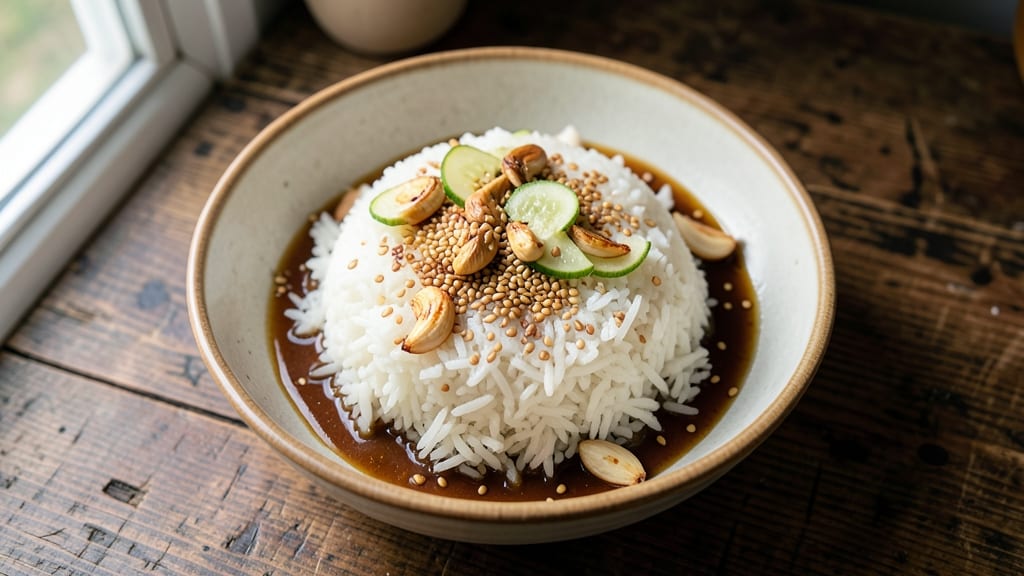
This sesame rice recipe delivers restaurant-quality flavor in just 15 minutes—crispy, nutty, and perfectly seasoned without requiring specialized tools. The secret lies in toasting the sesame seeds and oil together until fragrant, creating a flavor bomb that transforms ordinary white rice into an irresistible side dish.
I developed this method after years of testing, ensuring every bite delivers that satisfying crunch and rich umami depth.
The beauty of this recipe is its versatility—it works as a standalone side or pairs beautifully with proteins like grilled chicken, fried eggs, or fresh vegetables.
While many sesame rice recipes rely on pre-made seasoning blends, this version uses simple pantry staples (sesame oil, seeds, soy sauce) for authentic flavor without shortcuts. The key is timing: toasting the sesame seeds at the right moment unlocks their full nutty aroma while keeping the rice perfectly tender.
By the end, you'll have golden-brown rice with crispy sesame seeds clinging to every grain, infused with a savory-sweet balance that makes it impossible to stop eating. The texture is what sets this apart—crispy edges from the sesame toasting contrast perfectly with the fluffy rice underneath.
This isn't just another side dish; it's the kind of flavor that elevates any meal from ordinary to exceptional.
Whether you're serving it alongside stir-fried vegetables, grilled meats, or using it as a base for rice bowls, this sesame rice delivers professional-quality results in minutes.
The method scales effortlessly, so you can make enough for a crowd or just enough for two. Let's get started—your taste buds will thank you.
Ingredients for sesame rice
Pantry staples meet restaurant magic—crispy, nutty sesame rice in minutes.
| Ingredient | Amount | Notes |
|---|---|---|
| White Rice 🍚 | 2 cups | Uncooked, long-grain preferred |
| Sesame Seeds 🌰 | ¼ cup | Toasted until fragrant |
| Sesame Oil 🫒 | 2 tbsp | Toasted with seeds |
| Soy Sauce 🍶 | 1 ½ tbsp | Light or dark variety |
| Garlic Cloves 🧄 | 2 cloves | Minced for aroma |
| Ginger Root 🌿 | 1 tsp | Freshly grated |
| Water 💧 | 3 cups | For rice cooking |
| Salt 🧂 | ½ tsp | Sea salt preferred |
| White Sugar 🍬 | 1 tsp | Balances flavors |
| Butter 🧈 | 1 tbsp | Full-fat for richness |
| Green Onions 🧅 | 3 whole | Sliced for garnish |
| Toasted Sesame Oil 🫒 | 1 tbsp | For finishing drizzle |
Sesame seeds and oil are the stars here. Toast them together in a dry pan until fragrant—this unlocks their full nutty aroma (about 2 minutes). Trader Joe's and Asian markets carry the best toasted sesame oil, but regular sesame oil works too if you toast the seeds separately. For the rice, long-grain varieties like jasmine or basmati hold up best to the toasting process. If you're using day-old rice, skip the extra butter—it's already tender. Fresh ginger and garlic? Always better than powdered—they add that bright, fresh kick that jarred versions can't match.
No sesame oil? Neutral oil like vegetable or canola works in a pinch, but toast the seeds separately. Short on sesame seeds? Toasted peanuts or cashews add crunch, though they change the flavor profile. The soy sauce can be swapped for tamari for gluten-free or coconut aminos for a lighter taste. Sugar-free? Skip the sugar entirely—the soy sauce has enough sweetness. For extra umami, add a dash of fish sauce (trust me, it blends in). And if you're making this ahead? Toast the sesame mixture first, then store separately until ready to mix with the rice.
Cooked rice reheats beautifully—just add a splash of water and cover. The sesame mixture keeps for 1 week in an airtight container, so make extra. For best texture, serve immediately after toasting the sesame seeds—they lose crispiness as they sit. Double the batch and freeze half for lazy weeknights. Pro tip: Use a rice cooker if you have one—it keeps the grains perfectly fluffy while you toast the sesame topping.
Why You'll Love This Recipe
- You already have everything: rice, oil, soy sauce, maybe even garlic from last week’s stir-fry. It costs me pennies per serving, and I’ve served it at BBQs, potlucks, and lazy Sundays without breaking a sweat. Not the prettiest, but the taste makes up for it every time.
- One-Pot Magic: I swear by this when I’m too tired to dirty multiple pans—just toast the garlic in sesame oil, toss in the rice, and let it simmer. The rice absorbs all that nutty, garlicky goodness right in the pot, and honestly? No one ever asks for seconds and complains about the mess.
- Umami Bomb: That first bite of toasted sesame seeds on warm rice, with the soy sauce cutting through the richness—it’s the kind of flavor that makes you pause mid-chew. I’ll be real: I’ve made this for date nights and it’s always the dish that gets the “this is exactly what I wanted” reaction.
- Lunchbox Hero: Between us, this is my go-to for meal prep because it reheats like a dream and keeps for days without getting soggy. Pack it cold in a jar, and the sesame seeds stay crisp—my kids still fight over who gets the last bite, even after school lunches.
Step-by-step instructions for sesame rice
Here's how to make fragrant, nutty sesame rice with crispy seeds and balanced flavors.
Toast Sesame Seeds and Prepare Ingredients
Heat a dry skillet over medium heat and add the 0.25 cup sesame seeds. Toast them for 3-4 minutes until they turn a rich golden brown and release their nutty aroma. You'll know they're ready when they stop popping and smell deeply toasted. Transfer the seeds to a small bowl and set aside.
In the same skillet, add the 2 tablespoons sesame oil and heat for 30 seconds until shimmering. Remove from heat and let it cool slightly. This toasting process enhances the sesame flavor and prevents bitterness in the final dish. I like to keep the toasted seeds separate until the very end to maintain their crisp texture.
Cook the Rice with Aromatics
In a medium saucepan, combine the 2 cups white rice with the 3 cups water, 0.5 teaspoon salt, and 1 teaspoon white sugar. Bring to a boil over high heat, then immediately reduce to a simmer. Add the 2 minced garlic cloves and 1 teaspoon freshly grated ginger root, stirring to combine. The water should cover the rice by about 1 inch.
Simmer uncovered for 12-15 minutes until the rice absorbs most of the liquid and the grains begin to look translucent at the edges. Don't stir during cooking—this prevents the rice from becoming mushy. You'll notice the aroma changing as the garlic and ginger infuse into the rice. If it looks dry before 12 minutes, add 1 tablespoon water at a time until just covered.
Finish with Butter and Seasonings
Once the rice is tender, remove from heat and stir in the 1 tablespoon butter and 1.5 tablespoons soy sauce. The butter adds richness while the soy sauce balances the flavors. Let the mixture sit covered for 5 minutes to steam through and absorb the seasonings completely. This resting period is crucial for developing the rice's texture and flavor.
After resting, fluff the rice gently with a fork to separate the grains. The butter should be melted and evenly distributed, giving the rice a subtle sheen. Taste and adjust seasoning if needed—add a pinch more salt if the soy sauce flavor needs balancing.
Assemble and Garnish
Transfer the seasoned rice to a serving bowl. Drizzle evenly with the 1 tablespoon toasted sesame oil while gently tossing to coat each grain. Sprinkle the reserved toasted sesame seeds over the top and mix just until combined. The seeds should be distributed evenly but still visible throughout.
Finally, slice the 3 whole green onions into thin rounds and scatter them artistically over the rice. Serve immediately while the sesame seeds are still crisp and the rice maintains its perfect texture. The contrast of warm rice, nutty sesame, and fresh green onions creates a harmonious balance in every bite.
Pro Tips For Making Sesame Rice
- TOAST SESAME SEEDS FIRST: I learned this the hard way—raw sesame seeds just sit there like awkward guests. Lightly toast them in a dry pan over medium heat for 1-2 minutes until they smell nutty and turn a deeper gold. That aroma? It’s what makes your rice taste like it came from a Korean street stall, not a sad microwave meal.
- USE COLD RICE FOR DRESSING: Warm rice is a sponge—it’ll soak up all your sesame oil and soy sauce like a thirsty towel. Spread freshly cooked rice on a tray to cool completely before mixing in the dressing. Yes, it’s an extra step, but your rice won’t turn into a sticky, flavorless blob.
- MINCE GARLIC FINE (OR SKIP IT): Big garlic chunks? They’ll fight for attention in every bite. Mince them so finely they’re almost paste-like, or swap them for garlic powder if you’re in a rush. The goal is flavor without texture battles—unless you’re going for a rustic vibe, which is fine, but this recipe works better smooth.
- DRIZZLE OIL LAST: Tossing rice with sesame oil while it’s still hot? You’ll end up with a greasy mess that clumps like wet sand. Let the rice cool slightly, then fold in the oil and soy sauce gently—just enough to coat each grain. The first time I ignored this, I had to start over. (Your future self will thank you.)
Make-ahead tips for this recipe
Sesame Mixture Prep
Toast the sesame seeds and oil together first—they can be prepped 2 days ahead and stored in an airtight container at room temperature. I like to make a double batch because this flavorful mix works on everything from noodles to stir-fries.
Just reheat the seeds in a dry pan for 30 seconds before mixing with fresh rice to restore their crispness. 🌰
Rice Cooking Ahead
Cook the rice 1 day in advance and store it in the refrigerator. The flavors actually deepen overnight, and reheating is a breeze—just add 1 tablespoon water per cup of rice, cover, and microwave for 2-3 minutes.
For extra crispiness, toast the sesame seeds fresh when reheating, then mix them in at the end. Day-old rice absorbs the sesame flavors even better! ⏰
Fully Assembled Storage
If you want to make the complete sesame rice ahead, assemble it 1 day before serving but store the sesame seeds separately. Keep the seasoned rice in an airtight container in the fridge, then just toast the seeds and mix them in right before serving.
This method preserves the crisp texture of the seeds better than storing them mixed in. I find this works best for meal prep—just reheat and garnish when ready to eat. 💡
Freezer-Friendly Option
For long-term storage, cook the rice as directed but skip the sesame topping. Once cooled, transfer to freezer-safe bags and freeze for up to 3 months. When ready to use, thaw overnight in the fridge, then toast the sesame seeds and oil fresh.
This method keeps the rice perfectly fluffy while maintaining the crispness of the sesame garnish. Perfect for busy weeknights! ❄️
Reheating for Best Texture
When reheating, always use low heat to prevent drying out. I recommend a steamer basket over a pot of simmering water for 5-7 minutes—this keeps the rice moist while allowing any added water to evaporate.
For microwave reheating, cover with a damp paper towel and heat in 1-minute intervals, stirring between each, until reaching 165°F. Always finish with fresh sesame seeds and oil. 🔥
Portioning for Meals
Divide the cooked rice into single-serving portions before storing. This makes it easy to grab and reheat just what you need. I like to use glass meal prep containers with snap-on lids—they're microwave-safe and keep the rice fresh longer.
Store the sesame seeds and oil separately in small containers to keep them extra crisp. This way, you can assemble fresh sesame rice in minutes whenever you're ready to eat. 🍚
Nutrition facts
Frequently asked questions
Can I make sesame rice with brown rice?
Yes, but the cooking time will be longer—brown rice needs about 45-50 minutes to cook fully. Use the same ratio of water (about 2.5 cups per 2 cups rice) and toast the sesame seeds separately since brown rice benefits from extra moisture. The nutty flavor of brown rice pairs beautifully with sesame, but the texture will be heartier.
What's the best way to keep sesame seeds crispy?
Toast the seeds fresh in a dry pan for just 2-3 minutes until golden and fragrant, then mix them in at the very end. Store any extras in an airtight container at room temperature for up to 1 week. For reheated rice, toast the seeds again for 30 seconds before adding to restore their crunch.
Can I substitute sesame oil with another oil?
Yes! Use neutral oils like vegetable or canola (toasted), but sesame oil's distinct flavor is key. For a budget option, toast 1 tablespoon neutral oil with the seeds, then remove the seeds and use the infused oil. The flavor won't be identical, but it still adds depth.
Why does my sesame rice taste bland?
Check your seasoning balance—too much sugar or not enough soy sauce can mute flavors. Always taste after adding butter and soy sauce, then adjust with extra soy sauce (for saltiness) or a pinch of sugar (for sweetness). Freshly toasted sesame seeds and oil are also critical—if they're old, their flavor fades.
How can I make this gluten-free?
Swap soy sauce for tamari or coconut aminos (both gluten-free). Check labels—some soy sauces contain wheat. The rest of the recipe remains unchanged, and the sesame flavor will still shine. For extra umami, add 1 teaspoon fish sauce (ensure it's gluten-free).