
Side Dishes
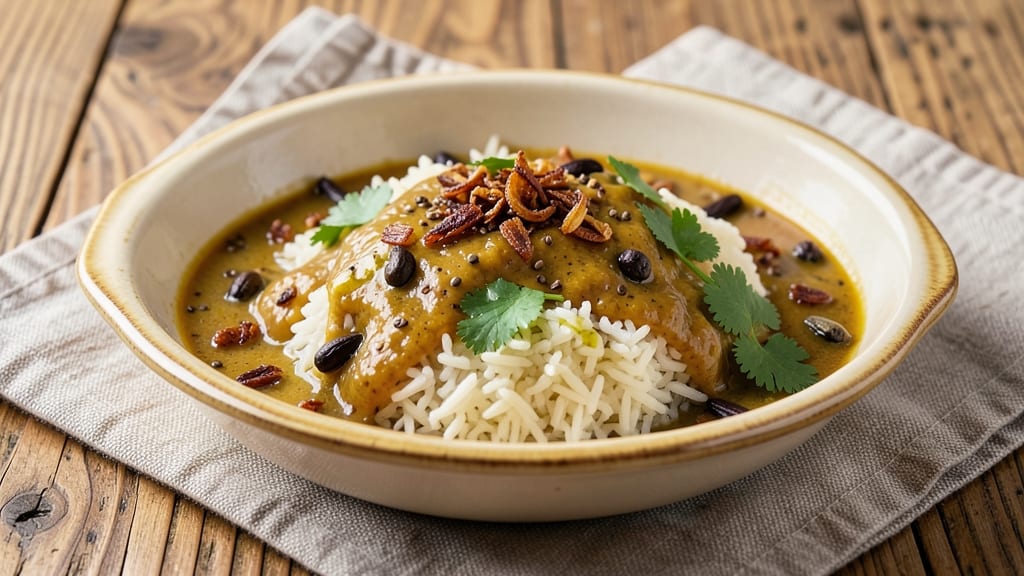
This Somali spiced rice recipe transforms simple basmati into a fragrant, aromatic centerpiece that carries the warmth of East African tradition. The secret lies in the slow-toasted spices—cumin, cardamom, and cloves—that infuse every grain with earthy depth and floral notes.
I first learned this method from a Somali chef who swore by the 30-minute spice blooming step, and it changed how I cook rice forever.
The process begins with whole spices toasted in oil until they release their essential oils, creating a golden, fragrant base. This fragrant cumin and cardamom basmati absorbs the spice essence while maintaining its signature fluffiness, never becoming mushy.
The rice cooks in its own steam, developing a delicate texture that pairs perfectly with grilled meats or stews.
What makes this dish special is how the spices transform an ordinary side into a flavorful main attraction. The cumin adds warmth, cardamom brings floral sweetness, and cloves contribute a subtle complexity that lingers on the palate.
Each bite delivers that perfect balance of texture and aroma that defines Somali cuisine.
Perfect for family gatherings or special occasions, this spiced rice serves as both a comforting staple and an elegant centerpiece. The method scales easily for larger groups, and the aromatic spices make it a sensory experience that will have everyone asking for seconds.
Let's get started on creating this fragrant masterpiece.
Ingredients for somali rice
Twelve ingredients transform ordinary basmati into an aromatic East African masterpiece.
| Ingredient | Amount | Notes |
|---|---|---|
| Basmati Rice 🍚 | 1 ½ cups | Uncooked, long-grain preferred |
| Whole Cumin Seeds 🌿 | 1 ½ tbsp | Toasted until fragrant |
| Green Cardamom Pods 🌱 | 10 whole | Lightly crushed, seeds only |
| Whole Cloves 🌶️ | 6 whole | Lightly crushed |
| Extra-Virgin Olive Oil 🫒 | ¼ cup | For spice blooming |
| Vegetable Broth 💧 | 2 ½ cups | Low-sodium preferred |
| Fresh Ginger Root 🧄 | 1 tbsp | Finely grated, fresh |
| Garlic Cloves 🧄 | 3 cloves | Minced, fresh preferred |
| Ground Turmeric 🌿 | ½ tsp | Freshly ground preferred |
| Salt 🧂 | 1 tsp | Diamond Crystal kosher |
| Fresh Cilantro Leaves 🌿 | ¼ cup | Chopped, for garnish |
| Lemon Zest 🍋 | 1 tsp | From organic lemon |
The spices are non-negotiable for authentic flavor. Penzeys Spices or bulk bins at specialty markets offer the highest quality whole spices—look for vibrant, unblemished pods and seeds. Toasting whole cumin seeds and cardamom pods in olive oil until fragrant (about 3-4 minutes) unlocks their essential oils, creating that signature depth. Organic Indian grocery stores often carry pre-toasted spices, but toasting fresh yields superior results. For cardamom, use only the green pods—avoid black cardamom, which has a distinct, smoky flavor. Cloves should be plump and aromatic; if they smell like dust, they've lost potency.
No whole spices? Ground cumin and cardamom work in a pinch, but toast them in oil for 1 minute first to mimic the blooming process. Substitute 1 tsp ground cardamom for the pods, and 0.5 tsp ground cloves for the whole cloves. Fresh ginger and garlic are ideal, but powdered ginger (0.5 tsp) and garlic powder (0.5 tsp) suffice if needed. For the broth, low-sodium is critical—homemade or high-quality store-bought like Pacific Foods works best. The turmeric adds color and earthiness; if unavailable, saffron threads (0.1 tsp) can elevate the dish but require careful budgeting.
Store whole spices in airtight containers away from light for up to 6 months. Toasted spices retain flavor longer than ground varieties. The cooked rice keeps in the fridge for 4-5 days in an airtight container, though texture degrades after 2 days. For longer storage, freeze portions for up to 3 months. Reheat gently with a splash of water or broth to restore moisture. Garnish with cilantro and lemon zest just before serving—this adds brightness and should be done last to preserve aroma.
Why You'll Love This Recipe
- One-Pot Magic: I swear by this recipe—just rice, whole spices, and olive oil in one pot. No measuring cups, no extra pans, no stress. The cumin and cardamom bloom right in the oil, filling my kitchen with that warm, earthy aroma before I even start cooking.
- Spice Bomb Delight: Between us, these whole spices (cumin, cloves, cardamom) pack a flavor punch that’s ridiculously good. The rice soaks up the oil and toasted spices, giving every grain that nutty, aromatic crunch. Honestly, the first bite makes me forget about takeout menus.
- Weeknight Workhorse: This is my go-to when I need something hearty but low-effort. Serve it with grilled chicken, a simple salad, or even just yogurt and avocado—it’s that versatile. (Yes, even on a Tuesday night when I’m exhausted.)
- Budget-Friendly Staple: Basmati rice and whole spices cost pennies, but they stretch into meals for days. I make a big batch on Sundays, and it’s still delicious by Friday. Plus, the spices last forever, so I’m not buying new ones every month. Smart, simple, and satisfying.
Step-by-step instructions for Somali spiced rice
This aromatic rice builds flavor through precise spice blooming and gentle simmering.
Bloom the Spices in Olive Oil
Heat the 0.25 cup extra-virgin olive oil in a medium saucepan over medium-low heat. Add the 1.5 tablespoons whole cumin seeds, 10 whole green cardamom pods, 6 whole cloves, and 0.5 teaspoon ground turmeric. Stir constantly for 1-2 minutes until the cumin sizzles and releases its deep, earthy aroma.
The oil should shimmer but not smoke—this indicates the spices are properly blooming. If the oil darkens too quickly, reduce the heat immediately. This step extracts maximum flavor from the spices before they burn. Once fragrant, remove the pan from heat and let the spices steep for 2 minutes to infuse the oil completely.
Toast the Ginger and Garlic
Return the pan to medium heat and add the 1 tablespoon finely grated fresh ginger root and 3 minced garlic cloves. Cook for 30-45 seconds until the ginger becomes translucent and the garlic releases its sweet, pungent aroma. Be careful not to let the garlic brown—it should remain pale golden.
Here's the thing—properly toasting these aromatics prevents bitterness in the final dish. If you smell burning, remove the pan immediately. The ginger and garlic should be fragrant but not crispy. Once aromatic, add the 1 teaspoon salt and stir to dissolve completely.
Add Rice and Toast Lightly
Increase heat to medium-high and add the 1.5 cups basmati rice, stirring to coat each grain evenly with the spiced oil. Toast the rice for 1-2 minutes until it becomes translucent at the edges and releases a nutty aroma. This step prevents the rice from becoming mushy by developing a slight crust.
Don't walk away during this step—the rice should never brown. You're looking for a barely perceptible change in texture, not color. If the rice starts to darken, reduce the heat immediately. Once the rice is lightly toasted, pour in the 2.5 cups vegetable broth all at once and stir gently.
Simmer Until Absorption
Bring the mixture to a gentle boil, then immediately reduce heat to low. Cover the pan tightly with a lid and let it simmer for 15 minutes without lifting the lid. This creates steam that cooks the rice evenly from the bottom up.
After 15 minutes, check the rice. If it's still slightly underdone, continue cooking for another 2-3 minutes. The rice should be tender but with a slight bite—it will finish cooking during the resting period. If the broth has completely evaporated before the rice is done, add 1-2 tablespoons water and cover again.
Rest and Finish
Once the rice is tender, remove the pan from heat and let it sit covered for 5 minutes. This resting period allows the steam to redistribute, ensuring each grain absorbs the spiced broth completely. After resting, fluff the rice gently with a fork and stir in the 1 teaspoon lemon zest and 0.25 cup chopped fresh cilantro leaves.
The finished rice should be fragrant with layers of cumin, cardamom, and citrus. Each grain should be separate but still moist, with a subtle crunch from the toasted spices. Serve immediately while warm, as the flavors continue to develop even after cooking. For best results, pair with grilled meats or stews where the rice can soak up additional juices.
Pro Tips For Making Somali Rice
- TOAST THE SPICES LOW: After burning three batches of cumin and cardamom, I learned to toast them on the lowest heat setting—just until they smell like a spice shop. High heat turns them bitter fast, and Somali rice relies on that warm, earthy aroma to shine.
- RINSE RICE UNTIL CLEAR: Skip this, and your basmati will turn mushy. Rinse it in a fine-mesh strainer under cold water until the water runs nearly clear—about 3-4 minutes of swirling. The starch clings to the rice, making it stickier than you want in this dish.
- COVER WITH FOIL FIRST: The first 10 minutes of cooking are the most critical. Cover the pot with foil before adding the lid—this traps steam and keeps the rice from drying out while the spices bloom. I used to ignore this, and the top layer always turned out like sawdust.
- USE OLIVE OIL SPARINGLY: Extra-virgin olive oil adds richness, but too much dulls the spices. Stick to 1-2 tablespoons—just enough to coat the bottom of the pot before adding the rice. Any more, and the bold flavors of cumin and cloves get lost in grease.
Serving suggestions for this dish
Traditional Pairings
This fragrant Somali rice pairs beautifully with classic East African proteins like grilled lamb chops or beef stew. I often serve it alongside Somali saag (collard greens) for a complete meal.
The cumin and cardamom flavors complement the richness of slow-cooked meats perfectly, while the lemon zest adds brightness to balance heavier dishes. 🌟
Modern Fusion Ideas
For a contemporary twist, try pairing this rice with spicy shrimp skewers or chicken tikka masala. The aromatic spices in the rice elevate the dish, while the protein absorbs the remaining flavors.
I've also had great success with miso-glazed salmon—the umami from the miso complements the floral cardamom beautifully.
Vegetarian Options
Vegetarians can enjoy this rice with roasted eggplant and chickpeas or spiced lentils. The earthy notes in the rice harmonize with the heartiness of lentils, while the lemon zest adds freshness.
For a lighter option, serve with a cucumber and mint salad to balance the richness of the spices. 🥗
Presentation Tips
For an elegant presentation, arrange the rice in a wide, shallow dish and garnish with extra cilantro and lemon zest. I like to sprinkle a pinch of ground cumin on top for visual appeal.
Serve with a side of yogurt sauce (mix Greek yogurt with minced garlic and lemon juice) for dipping. The golden color of the rice makes it perfect for special occasions.
Meal Prep Serving
When serving leftovers, reheat gently with a splash of warm broth to restore moisture. I recommend serving in individual bowls with a small side of harissa for those who enjoy heat. For a family-style meal, use a large platter and let everyone serve themselves—it's always a crowd-pleaser. 💫
Cultural Context
In Somali cuisine, this rice is often served at celebrations like Eid or weddings, symbolizing hospitality and abundance. The spices represent the warmth of Somali culture, and the dish is meant to be shared generously.
I've seen it served with flatbread for scooping up every last bit of flavor—don't forget to include some for a complete experience!
Nutrition facts
Frequently asked questions
Can I substitute basmati rice with jasmine or long-grain white rice?
Basmati is ideal for its delicate texture and aromatic qualities, but you can use jasmine rice in a pinch. Avoid short-grain varieties like sushi rice—they'll turn mushy. For long-grain white rice, increase the broth by 0.25 cup to account for its higher starch content. The spice infusion will still work, though the texture may be slightly less fluffy.
How do I adjust this recipe for a larger crowd (8+ servings)?
Double all ingredients, including spices, but use a large, wide pot (like a Dutch oven) to prevent overcrowding. For 8 servings, toast spices in 0.5 cup olive oil and use 3 cups basmati rice with 5 cups broth. Cook in batches if needed, as overfilling can lead to uneven cooking. The key is maintaining the 1:1.5 rice-to-broth ratio and proper spice blooming time.
Why does my Somali rice turn out mushy or undercooked?
Mushy rice usually means either too much liquid or insufficient resting time. Always use the 1:1.5 rice-to-broth ratio and simmer covered on low heat. Undercooked rice happens when the heat is too high—reduce to low after the initial boil and resist peeking! The 5-minute rest is critical for steam redistribution. If your rice still feels firm after resting, add 2 tbsp warm water and cover for 2 more minutes.
Can I make this rice in a rice cooker?
Yes! Bloom the spices in oil as directed, then toast the rice for 1-2 minutes before adding broth. Use the white rice setting and let it cook naturally. After cooking, let it rest 5 minutes before fluffing. The rice cooker's even heat distribution works well, but you may need to add 1-2 tbsp extra broth since rice cookers often undercook slightly. Stir in lemon zest and cilantro at the end.
What's the best way to store and reheat leftovers?
Store in an airtight container for up to 4 days in the fridge. Reheat gently with 1-2 tbsp warm broth or water per cup of rice—microwaving dry rice makes it rubbery. For best texture, reheat covered on low heat in a saucepan for 3-4 minutes, stirring occasionally. Freeze portions for up to 3 months by spreading rice on a tray to freeze first (prevents clumping), then transferring to a bag.