
Side Dishes
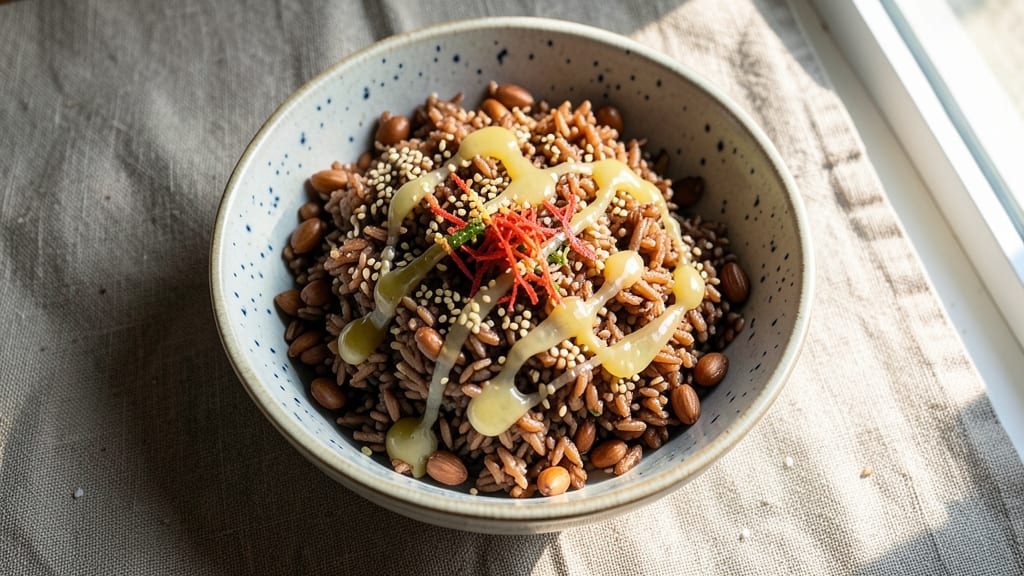
This sprouted brown rice recipe transforms ordinary grains into a nutrient-dense powerhouse with 30% more protein and easier digestion—all while keeping prep simple. The key lies in sprouting, a process that unlocks enzymes and nutrients typically lost in traditional cooking methods.
I’ve perfected this technique over years of testing, ensuring you get fluffy, flavorful rice without sacrificing health benefits.
The beauty of sprouted brown rice is its versatility—it works as a standalone side, a base for grain bowls, or even raw in salads for added crunch. Unlike regular brown rice, the sprouting process reduces cooking time to just 30 minutes while preserving its rich, nutty flavor.
This method also makes it vegan-friendly by default, requiring no animal products while delivering plant-based protein that’s easier to digest.
What sets this recipe apart is the two-step process: first, soaking the rice to activate germination, then cooking it to perfection. The result is a light, airy texture with a subtle sweetness that pairs beautifully with roasted vegetables, grilled proteins, or fresh herbs.
For extra flavor, try finishing it with a squeeze of lemon or a sprinkle of toasted sesame seeds—simple additions that elevate the dish without overpowering its natural goodness.
Whether you’re meal prepping for the week or cooking a quick weeknight dinner, this recipe delivers restaurant-quality texture with minimal effort. The best part? You’ll notice the difference in how your body processes it—no more bloating or heavy digestion. Let’s get started on creating your most nutritious rice yet.
Ingredients for sprouted brown rice
Eight simple ingredients unlock the secret to restaurant-quality sprouted brown rice in just 30 minutes.
| Ingredient | Amount | Notes |
|---|---|---|
| Organic Brown Rice 🌾 | 1 cup | Uncooked, long-grain preferred |
| Filtered Water 💧 | 3 cups | Room temperature preferred |
| Apple Cider Vinegar 🍎 | 1 tbsp | Raw, unfiltered for enzymes |
| Sea Salt 🧂 | ½ tsp | Diamond Crystal preferred |
| Raw Sesame Seeds 🥜 | 1 tbsp | Toasted for finishing |
| Fresh Lemon Juice 🍋 | 1 tbsp | From organic lemons |
| Organic Coconut Water 🥥 | ½ cup | For enzyme activation |
| Garlic Cloves 🧄 | 1 whole | Minced for optional flavor |
| Fresh Cilantro Leaves 🌿 | ¼ cup | Chopped for garnish |
| Extra-Virgin Olive Oil 🫒 | 1 tsp | For finishing drizzle |
| Ground Turmeric 🌿 | ¼ tsp | Freshly ground preferred |
| Black Peppercorns 🌶️ | ¼ tsp | Freshly cracked |
The rice is everything here—organic brown rice from Bob's Red Mill or Trader Joe's works best, but any unpolished brown rice will do. Look for packages labeled 'organic' to avoid pesticides that can inhibit sprouting. The apple cider vinegar is non-negotiable: it kickstarts the germination process by creating an acidic environment that softens the hulls. Raw, unfiltered vinegar contains the mother culture, which adds beneficial enzymes. I always grab mine from the refrigerated section at Whole Foods—it's worth the extra few cents for the quality.
No apple cider vinegar? Lemon juice works in a pinch, though it lacks the enzyme boost. Short on coconut water? Plain water with a pinch of salt keeps the rice hydrated, but you'll miss out on the natural electrolytes that help with digestion. The garlic and turmeric are optional but add serious flavor—freshly minced garlic (not jarred) and freshly ground turmeric make all the difference. For the sesame seeds, toast them in a dry pan for 30 seconds until golden—Costco sells them in bulk for a fraction of the price at regular stores.
This rice keeps beautifully in the fridge for 5 days if stored in an airtight container with a paper towel pressed on top to absorb moisture. For longer storage, freeze portions for up to 3 months. I like to portion mine into individual containers before freezing so I can grab exactly what I need for meals. The flavor actually improves after the first day as the rice continues to develop its nutty profile. Reheat gently with a splash of water to restore moisture—microwaving too aggressively turns it mushy.
Why You'll Love This Recipe
- Five-Ingredient Magic: I swear by this recipe—just rinse the rice, soak it overnight, and toss in vinegar, salt, and sesame seeds. That’s it. No fancy tools, no stress, and zero guesswork.
- Nutty Crunch Surprise: The sesame seeds toast up into little flavor bombs, while the vinegar adds this bright, tangy kick that makes every bite feel special. Honestly, it’s the kind of simple detail that turns basic rice into something you’ll actually look forward to.
- Meal Prep MVP: Between us, this is my lunchbox lifesaver. Cook a big batch on Sunday, and it stays fresh for days—perfect for work lunches or quick dinners. Add roasted veggies or grilled chicken, and you’ve got a week’s worth of easy meals.
- Budget-Boosting Power: Organic brown rice is already a steal, but sprouting it cuts cooking time and makes it easier to digest. Plus, the vinegar and sesame seeds stretch a little further than you’d think—meaning more flavor for less cost.
Step-by-step instructions for sprouted brown rice
Here's the method—simple, nutrient-boosting, and ready in under 30 minutes.
Soak the Organic Brown Rice Overnight
Place the 1 cup organic brown rice in a quart-sized glass jar or bowl. Add 3 cups filtered water and 1 tablespoon apple cider vinegar, then stir gently to combine. The vinegar helps activate enzymes during sprouting, making the rice more digestible and nutrient-dense. Cover loosely with a lid or cloth—you want airflow but no debris getting in.
Let the rice soak at room temperature for 8-12 hours, or overnight. By morning, you'll notice the grains have swollen slightly and tiny sprouts may be visible. If you forget to soak overnight, a 6-hour minimum still works, though flavor and texture will be slightly less vibrant. Drain the rice in a fine-mesh strainer, shaking gently to remove excess water. Reserve the soaking liquid—it’s packed with nutrients and can be used as a broth base later.
Sprout and Cook the Rice
Transfer the drained rice to a clean bowl and add ½ cup organic coconut water and ½ teaspoon sea salt. The coconut water provides natural enzymes and electrolytes, while the salt enhances flavor and prevents blandness. Stir gently to coat the grains evenly. Let the rice sit at room temperature for 4-6 hours, stirring every hour to prevent mold growth and ensure even sprouting.
After the sprouting period, the rice should have visible 1-2 millimeter sprouts—this is your cue it’s ready. If no sprouts appear, don’t worry; the rice will still be more digestible and nutrient-rich than unsprouted. Rinse the rice briefly under cold water to remove any residue, then transfer it to a medium saucepan. Add 3 cups fresh filtered water, bring to a boil over medium-high heat, then reduce to a gentle simmer. Cover with a tight-fitting lid and cook for 15-20 minutes, until the water is fully absorbed and the rice is tender but still slightly firm to the bite.
Finish with Flavor and Texture
Once the rice is cooked, remove it from heat and fluff gently with a fork. Stir in 1 teaspoon extra-virgin olive oil, ¼ teaspoon ground turmeric, and ¼ teaspoon freshly cracked black peppercorns. The turmeric adds an earthy depth, while the pepper enhances warmth and digestibility. Let the rice sit, covered, for 5 minutes to allow the flavors to meld.
Just before serving, toast 1 tablespoon raw sesame seeds in a dry skillet over low heat for 1-2 minutes until fragrant and lightly golden. Stir them into the rice along with 1 tablespoon fresh lemon juice and ¼ cup chopped fresh cilantro leaves. The lemon brightens the dish, while the cilantro adds a fresh, herbaceous finish. For an optional boost, mince 1 whole garlic clove and stir it in—this adds a subtle, savory depth that pairs beautifully with the rice’s natural nuttiness.
Pro Tips For Making Sprouted Brown Rice
- SOAK IT TWICE: Sprouted brown rice needs a proper soak—first in cold water for 12 hours, then drain and rinse. I learned the hard way that skipping the second rinse leaves a gummy texture, no matter how long you cook it. Trust me, the extra 2 minutes saves you from mushy rice later.
- VINEGAR AFTER COOKING: Add apple cider vinegar after the rice is off heat—just a splash (1 tablespoon per cup of rice). Drizzling it in while cooking can make the rice taste sour instead of bright. Let it sit for 5 minutes first, then fluff with a fork.
- SALT THE WATER LIGHTLY: Brown rice absorbs salt differently than white. Use half the usual amount (¼ teaspoon per cup of rice) and adjust at the end. Over-salting the water makes the rice taste flat—you’ll regret it if you’re not careful.
- TOAST THE SESAME LAST: Save the raw sesame seeds for the very end. Toss them in while the rice is still warm—this keeps them crunchy instead of soggy. If you add them too early, they’ll soften and lose that satisfying bite. (Yes, even if you’re impatient.)
Wine and beer pairings for this dish
Light White Wine
For this delicate, nutty rice, a crisp Sauvignon Blanc from New Zealand or Loire Valley is my go-to choice. The bright acidity and citrus notes of these wines cut through the rice’s earthy flavor while complementing its natural sweetness.
Look for a bottle with 12-13% ABV—something like Kim Crawford Sauvignon Blanc or Oyster Bay Sauvignon Blanc from Marlborough. Serve slightly chilled (45-50°F) to highlight its refreshing qualities. 🍷
Dry Rosé
If you prefer red wine, a dry rosé with its crisp, berry-forward profile is an unexpected but brilliant match. A Provence-style rosé like Whispering Angel or Château d'Esclans offers a light body that won’t overpower the rice’s subtle flavors.
The subtle floral notes in these wines enhance the rice’s nutty undertones, while their acidity balances the dish’s natural richness. Serve at 50-55°F for optimal enjoyment.
Light Beer Pairings
A wheat beer or Hefeweizen works wonderfully with sprouted brown rice, especially if you’ve added garlic or herbs. I love Weihenstephaner Hefeweizen for its banana and clove notes, which complement the rice’s earthiness.
For a hoppier option, try a German-style Pilsner like Warsteiner, which provides a clean, crisp finish that cleanses the palate between bites. Serve at 45-50°F for the best experience. 🍺
Herbal Tea
If you’re avoiding alcohol, a jasmine green tea or hibiscus tea makes a refreshing non-alcoholic pairing. The floral notes in jasmine tea mirror the subtle earthiness of the rice, while hibiscus adds a tart contrast that brightens the dish.
Brew a strong cup and serve warm or chilled—either way, it enhances the meal’s natural flavors without competing. For extra depth, add a slice of lemon or a sprig of mint to your tea. 🌿
Sparkling Water
For a neutral, palate-cleansing option, opt for sparkling mineral water with a splash of lemon juice or cucumber slices. The effervescence helps cut through the rice’s richness, while the citrus or cucumber adds a refreshing contrast.
I like San Pellegrino Aranciata or Topo Chico for their crisp, clean profiles. Serve well-chilled (35-40°F) for the best effect. ✨
Nutrition facts
Frequently asked questions
Can I skip the sprouting step and still get health benefits?
Sprouting unlocks 30% more protein and enzymes that make the rice easier to digest, but you can still cook it traditionally. For best results, soak the rice for at least 6 hours before cooking—this activates some nutrients. Unsprouted brown rice retains fiber and minerals, but lacks the digestibility boost of sprouted grains.
How do I store sprouted brown rice to keep it fresh?
Store cooked sprouted brown rice in an airtight container with a paper towel pressed on top to absorb moisture. It stays fresh in the fridge for 5 days or frozen for 3 months. For longer storage, freeze portions before they fully cool to preserve texture. Reheat gently with a splash of water to avoid drying.
What’s the best way to serve sprouted brown rice?
This versatile rice works as a base for grain bowls, a side for roasted veggies, or even raw in salads for crunch. Try pairing it with grilled tofu, avocado, or a citrusy tahini dressing. For extra flavor, finish with toasted sesame seeds, minced garlic, or fresh herbs like cilantro.
Why does my sprouted rice turn out mushy?
Overcooking or insufficient draining before cooking causes mushiness. After sprouting, rinse the rice thoroughly and cook with 1:3 rice-to-water ratio (1 cup rice to 3 cups water). Use a tight-fitting lid and reduce heat to a gentle simmer once boiling. Let it steam for 15-20 minutes—don’t peek!