
Side Dishes
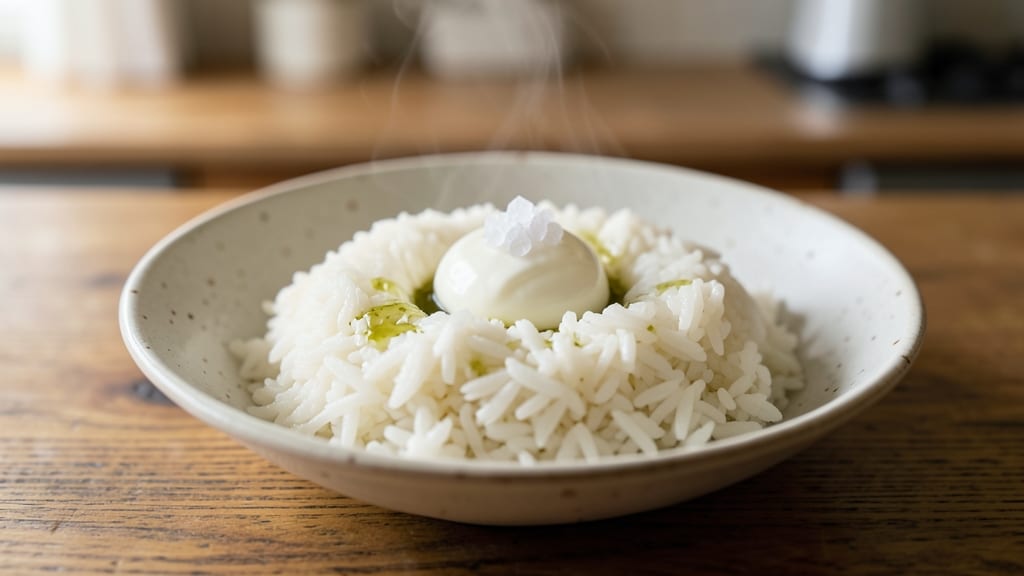
Mastering steamed white rice transforms a basic side dish into a foundational staple for any meal—light, fluffy, and perfectly cooked every time. The secret lies in precise water ratios and controlled steaming, whether you're using a traditional pot or a modern rice cooker.
I’ve refined this method over years of testing, ensuring no more mushy or undercooked rice in your kitchen.
This recipe delivers restaurant-quality results with just two essential ingredients: white rice and water, plus a pinch of salt for depth. The key is maintaining a consistent 1:1.25 rice-to-water ratio, which guarantees even steaming and that signature fluffy texture.
Whether you're serving it alongside stir-fries, curries, or grilled proteins, this method ensures your rice stays tender and separate—never clumpy or dry.
For those who prefer a hands-off approach, a rice cooker simplifies the process while delivering identical results. However, the traditional stovetop method offers more control, especially when adjusting for high-altitude cooking or different rice varieties like jasmine or basmati.
The goal is always the same: light, individual grains that hold their shape without losing moisture.
Once you’ve perfected this technique, you’ll never rely on pre-packaged rice again. The versatility of this recipe makes it ideal for meal prep, family dinners, or even as a base for fried rice. Let’s get started with the foolproof steps to achieve fluffy, steamed white rice that elevates every dish.
Ingredients for steamed white rice
Two core ingredients, one perfect technique—this transforms ordinary rice into restaurant-quality steamed white rice.
| Ingredient | Amount | Notes |
|---|---|---|
| Long-Grain White Rice 🍚 | 1 cup | Uncooked, rinsed thoroughly |
| Water 💧 | 1 ¼ cups | Room temperature preferred |
| Diamond Crystal Kosher Salt 🧂 | ¼ tsp | Fine grain, for seasoning |
| Extra-Virgin Olive Oil 🫒 | 1 tsp | Optional, for non-stick finish |
| Heavy Cream 🥛 | 1 tbsp | Optional, for extra creaminess |
The rice variety matters most here—long-grain white rice (like Uncle Ben's Converted Rice or Lundberg Family Farms) delivers the signature fluffy texture. Avoid pre-packaged microwave rice; its texture is inferior. Rinse the grains thoroughly in a fine-mesh strainer until the water runs clear—this removes excess starch and prevents clumping. For the water, room temperature is ideal (cold water slows cooking, hot water can scald the grains). The 1:1.25 rice-to-water ratio is non-negotiable for consistent results, though you may adjust slightly based on your rice variety or altitude (reduce water by 1 tbsp per 1,000 feet above sea level).
No kosher salt? Diamond Crystal is the gold standard, but Morton coarse kosher salt works at half the amount. The olive oil and heavy cream are optional but elevate the dish—extra-virgin olive oil adds subtle richness, while heavy cream (or even a splash of milk) creates a velvety finish. For high-altitude cooking, reduce water by 2 tbsp per 1,000 feet above 2,000 feet. Swapping rice varieties? Jasmine or basmati require slightly less water (1:1.15 ratio) due to their natural starch content. Always use a heavy-bottomed pot (like All-Clad or Le Creuset) to prevent scorching—lightweight pots distribute heat unevenly.
Rice keeps best in an airtight container in the fridge for 4-5 days, though texture degrades after day 2. For long-term storage, freeze portions in single-serving bags for up to 3 months. Reheat gently with a splash of water in the microwave or steamed over a pot of boiling water. This method doubles as the base for fried rice—simply spread cooled rice on a tray to dry before stir-frying. The key to reheating? Low and slow—high heat turns rice mushy. For meal prep, cook a double batch and portion immediately to maintain texture.
Why You'll Love This Recipe
- Here’s what sold me: the heavy cream at the end turns fluffy white rice into something ridiculously smooth. Not heavy, not greasy—just that perfect, velvety bite. Honestly, I’d eat this plain if I had to.
- Five-Ingredient Magic: I swear by this—just rice, water, salt, olive oil, and a splash of cream. That’s it. No measuring cups, no fancy tools, just dump-and-steam simplicity. Even my college-dorm self could’ve pulled this off.
- Creamy Luxe Surprise: Here’s what sold me: the heavy cream at the end turns fluffy white rice into something ridiculously smooth. Not heavy, not greasy—just that perfect, velvety bite. Honestly, I’d eat this plain if I had to.
- Leftover Hero: This rice reheats like a dream—no drying out, no sad textures. Pack it for work, freeze it for lazy nights, or serve it alongside anything. My go-to? Cold rice with fried eggs on weekends. (Yes, even on a Tuesday night.)
Step-by-step instructions for steamed white rice
Master the perfect balance of texture and flavor with this foolproof method.
Prepare the Rice for Even Cooking
Rinse the 1 cup of long-grain white rice thoroughly under cold water in a fine-mesh strainer until the water runs clear. This removes excess starch that would otherwise make the rice gummy. Gently swirl the rice with your fingers rather than rubbing—this preserves the grains' integrity while ensuring all surface starch is eliminated.
Transfer the rinsed rice to a medium saucepan with the 1.25 cups of room-temperature water. The water-to-rice ratio is critical here: too little water produces dry, undercooked rice, while too much results in mushy grains. Stir once to distribute the rice evenly, then let it sit undisturbed for 10 minutes. This initial soaking period allows the grains to hydrate slightly, ensuring even cooking and preventing clumping during steaming.
Season and Steam to Fluffy Perfection
Add the 0.25 teaspoon of Diamond Crystal kosher salt to the saucepan and stir gently to dissolve. Place the saucepan over medium-high heat and bring the mixture to a full boil. Once boiling vigorously, reduce the heat to low and maintain a gentle simmer. The key here is consistency—too high heat causes uneven cooking, while too low heat results in undercooked rice.
Cover the saucepan tightly with a lid and let the rice steam undisturbed for 15 minutes. Avoid peeking or lifting the lid during this time, as the escaping steam disrupts the cooking process. After 15 minutes, check for doneness by inserting a fork into the center of the rice. The grains should be tender with a slight resistance—like biting into a ripe pear—indicating they've absorbed all the water without becoming mushy.
Finish with Optional Enhancements
Once the rice is perfectly cooked, remove the saucepan from heat and let it sit covered for 5 minutes. This resting period allows the steam to redistribute, ensuring each grain absorbs moisture evenly and develops its characteristic fluffiness. During this time, you can optionally drizzle the 1 teaspoon of extra-virgin olive oil over the rice and gently toss with a fork to create a subtle non-stick finish and add a delicate aroma.
For an extra touch of creaminess, stir in the 1 tablespoon of heavy cream after the rice has rested. The warmth of the rice will gently melt the cream, creating a luxurious texture without altering the rice's fundamental structure. If using, fold the cream in just before serving to maintain its velvety consistency. The finished rice should be light, separate, and fragrant with a delicate hint of salt, oil, or cream depending on your chosen enhancements.
Pro Tips For Making Steamed White Rice
- Rinse Until Clear: Skip the one-rinse-and-done approach—drain the rice in a fine-mesh strainer and swirl it under cold water until the water runs completely clear. I learned this the hard way: leftover starch makes your rice gummy, and no amount of extra water fixes it later.
- Salt the Water Hard: Use 1.5 teaspoons Diamond Crystal kosher salt per 2 cups water (yes, more than you’d think). The rice absorbs flavor like a sponge, and undersalting means bland rice—no amount of olive oil or cream can save it after the fact.
- Don’t Skip the Oil: Toss the drained rice with 1 tablespoon extra-virgin olive oil before steaming—it coats each grain and prevents dryness. Heavy cream later adds richness, but the oil is what keeps the texture light and fluffy.
- Steam Low and Slow: After bringing water to a boil, reduce to the lowest possible heat and cover tightly. I used to rush it, and the rice would turn out uneven—some grains mushy, others still chalky. Let it simmer for 12-15 minutes after the water returns to a boil.
Pro cooking tips for this dish
Steam Control Secrets
The most critical step is maintaining a consistent steam environment during cooking. I use a tight-fitting lid (preferably with a small vent hole or a folded paper towel underneath to prevent pressure buildup) to trap steam inside the pot.
This creates the perfect humidity for even cooking. If your lid doesn't seal perfectly, add a second layer of aluminum foil around the edges to create an airtight barrier. 💫
High-Altitude Adjustments
Cooking above 2,000 feet requires adjustments due to lower atmospheric pressure. Reduce water by 2 tablespoons per 1,000 feet—so at 5,000 feet, use just 1 cup water for 1 cup rice.
Also increase cooking time by 5-8 minutes and check for doneness earlier, as rice tends to cook faster at high altitudes. I always test with a fork at 12 minutes when cooking above 3,000 feet.
Rice Variety Matters
Not all white rice behaves the same! Jasmine rice needs slightly less water (1:1.15 ratio) due to its natural starch content, while basmati benefits from a 1:1.2 ratio for optimal fluffiness.
For arborio rice (common in risotto), use 1:1.5 ratio and cook uncovered for the first 5 minutes to develop its creamy texture. I keep a small bag of each variety on hand for different dishes—jasmine for Thai meals and basmati for Indian curries.
Pot Selection Impact
Your cookware makes a huge difference in texture. Use a heavy-bottomed pot (like All-Clad or Le Creuset) to prevent scorching and ensure even heat distribution. Avoid nonstick pots—they don't conduct heat well, leading to uneven cooking.
For electric stovetops, I recommend stainless steel over aluminum, as it maintains more consistent temperatures. If you're using a rice cooker, follow the manufacturer's water ratios—most suggest 1:1.1 to 1:1.25 for white rice.
Post-Cooking Texture Fix
If your rice turns out too firm, simply add 2 tablespoons of hot water, cover, and steam for 2 more minutes. For mushy rice, spread it on a tray and bake at 300°F for 10 minutes to dry it out.
My secret weapon? A wooden rice paddle—it helps fluff the rice perfectly without breaking the grains. I also avoid pressing down on the rice while serving, as this forces moisture out and makes it dense. 🍚
Rice Cooker Shortcuts
If you're using a rice cooker, most models have a white rice setting that automates the process. For Zojirushi or Cuisinart models, I recommend using 1:1.1 ratio for best results. The key is to rinse the rice thoroughly before cooking—this prevents the "foamy rice" effect many cookers produce.
For brown rice, use the brown rice setting (usually 1:1.5 ratio) and add a pinch of baking soda (1/4 tsp per cup) to reduce cooking time by 15-20 minutes.
Nutrition facts
Frequently asked questions
Can I use any type of white rice for steaming?
Long-grain white rice works best for this method, but avoid pre-packaged microwave rice—it's designed for quick cooking and lacks the fluffy texture. For varieties like jasmine or basmati, adjust the water ratio to 1:1.15 instead of 1:1.25 to prevent mushiness. The key is choosing rice with less natural starch to maintain individual grains.
Why does my steamed rice turn out mushy?
Mushy rice usually happens from overcooking or too much water. Stick to the 1:1.25 rice-to-water ratio and avoid lifting the lid during cooking. If it's already mushy, spread it on a tray and bake at 300°F for 10 minutes to dry it out. A heavy-bottomed pot also prevents uneven cooking that leads to gummy texture.
How do I make this recipe work in a rice cooker?
Rinse the rice thoroughly first, then use a 1:1.1 ratio of rice to water (instead of 1:1.25). Most rice cookers have a white rice setting that automates the process. Avoid adding extra water—modern cookers handle steam distribution better than stovetop methods. For brown rice, use the brown rice setting with 1:1.5 ratio and add ¼ tsp baking soda per cup to reduce cooking time.
Can I make this recipe ahead of time?
Yes, but store it in an airtight container in the fridge for 4-5 days. For best texture, cook only what you need or portion immediately after cooking. Reheat gently with a splash of water in the microwave or steam over boiling water. Avoid reheating directly in the microwave—it makes rice dry and firm. For long-term storage, freeze portions in single-serving bags for up to 3 months.
What's the secret to perfectly fluffy rice every time?
The three keys are:
- rinsing thoroughly (until water runs clear),
- using room-temperature water, and
- letting it rest covered for 5 minutes after cooking. Also, maintain a gentle simmer—not a boil—and never stir the rice while cooking. The resting period redistributes steam for that signature light texture.