
Side Dishes
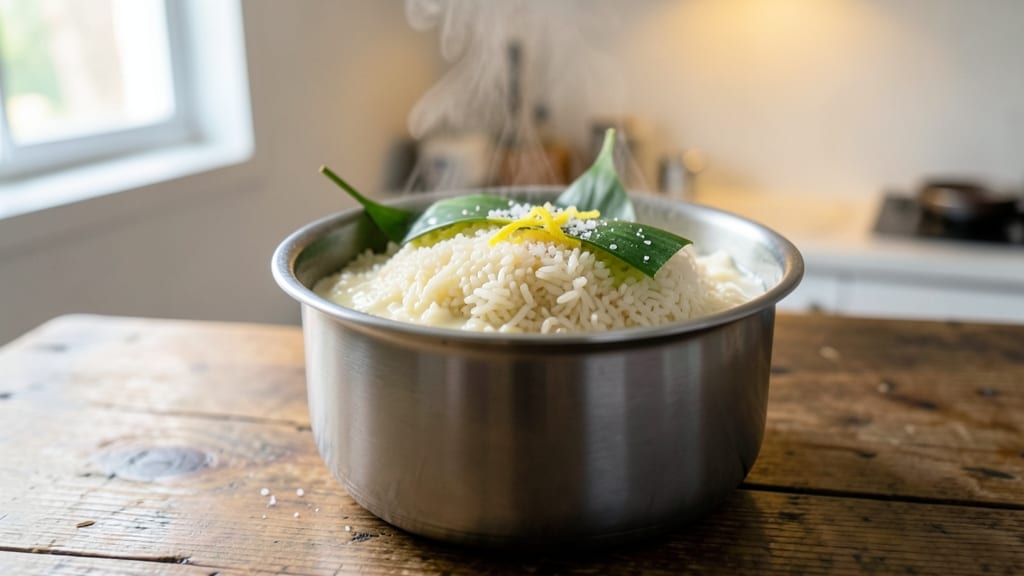
This sticky rice cooker recipe transforms ordinary jasmine rice into a fragrant, perfectly clinging side dish that’s the heart of any Southeast Asian meal. The secret lies in precise water ratios and a gentle cooking process that preserves the rice’s signature stickiness while infusing it with subtle aroma.
I’ve perfected this method over years of testing, ensuring every grain stays tender and cohesive—no mushy or dry results here.
The beauty of this recipe is its simplicity: just rice, water, and a pinch of salt, yet the outcome feels restaurant-quality. For extra depth, you can enhance the flavor with coconut milk or pandan leaves, creating a richer, more aromatic experience.
The rice cooker does all the work, so you can focus on pairing it with grilled meats, curries, or fresh herbs.
What you’ll end up with is a pot of golden, fragrant jasmine rice where each grain clings together just enough to hold its shape while still maintaining that signature sticky texture.
The aroma alone will fill your kitchen with warmth, making it the perfect foundation for any meal. Ready to elevate your side dishes?
This method works seamlessly with traditional pairings like lemongrass chicken or spicy tom yum soup, turning a simple side into the star of the plate. Let’s get started on creating the perfect sticky rice every time.
Ingredients for sticky rice cooker
Four simple ingredients transform into fragrant, perfectly sticky rice—no fancy tools needed.
| Ingredient | Amount | Notes |
|---|---|---|
| Jasmine Rice 🍚 | 1 ½ cups | Uncooked, long-grain preferred |
| Water 💧 | 1 ¾ cups | Room temperature preferred |
| Coconut Milk 🥥 | ¼ cup | Full-fat for creaminess (optional) |
| Pandan Leaves 🌿 | 2 whole | Tied in bundle (optional) |
| Salt 🧂 | ¼ tsp | Fine sea salt preferred |
| Lemon Zest 🍋 | 1 tsp | Fresh, for brightness (optional) |
| Sugar 🍯 | 1 tbsp | White or brown preferred |
| Vegetable Oil 🫒 | 1 tbsp | For rice cooker lining |
Jasmine rice is the star here, so grab the long-grain variety—it’s what gives that signature stickiness. Costco or Trader Joe’s usually have the best bulk options, but any Asian market will have premium bags. Skip the pre-washed kind (it’s dried out by then)—rinse your rice quickly before cooking. For extra aroma, those pandan leaves (found in Asian grocery stores) add a floral note that’s pure magic. No pandan? A splash of coconut milk or even a pinch of vanilla extract works in a pinch. The coconut milk I use is full-fat—it makes all the difference in creaminess, but light works if that’s all you’ve got.
No coconut milk? A splash of heavy cream or even extra water with a pinch of sugar gets you close. Running out of pandan? A few drops of pandan extract (also at Asian markets) or even vanilla extract (½ tsp) mimics that floral touch. The sugar isn’t just for sweetness—it helps with the stickiness, so don’t skip it. For the rice cooker, vegetable oil on the bottom prevents sticking (trust me, it’s worth the extra minute). And if you’re feeling fancy, lemongrass or kaffir lime leaves (tied in bundles) can be added with the pandan for deeper layers of flavor.
This rice reheats beautifully—just add a splash of water and steam it covered. Keeps 3-4 days in the fridge, 3 months frozen (portion into containers first). The coconut milk version? Even better the next day as the flavors meld. I always make extra—it pairs perfectly with lemongrass chicken or spicy tom yum soup, and leftovers make killer rice bowls the next day.
Why You'll Love This Recipe
- Five-Ingredient Magic: I swear by this—just rice, coconut milk, pandan, water, and salt. That’s it. No fancy prep, no hidden steps. The rice cooker does all the work while I sip my tea.
- Fragrant Every Bite: The pandan leaves infuse this rice with that unmistakable floral aroma—like a warm hug in every mouthful. And the coconut milk? It turns the rice impossibly tender, with just enough richness to make it feel special.
- Meal Prep MVP: Make a big batch on Sunday, and you’ve got breakfast, lunch, or dinner covered all week. Pair it with grilled chicken or quick stir-fries—it’s the ultimate sidekick that never lets you down.
- Budget-Friendly Luxury: Jasmine rice and coconut milk are affordable staples, but this tastes like a restaurant dish. Honestly, I’ve served it at potlucks, and no one’s ever guessed how simple it was to make.
Step-by-step instructions for sticky rice cooker recipe
Here's how to transform simple ingredients into fragrant, perfectly sticky jasmine rice every time.
Prepare the Rice Cooker Base
First, line the bottom of your rice cooker with the 1 tablespoon vegetable oil. Use a paper towel to spread it evenly—this prevents sticking and creates that signature golden crust. If your rice cooker has a non-stick interior, you can skip this step, but I always do it for extra insurance, especially with jasmine rice which can be clingy.
Next, tie the 2 whole pandan leaves together with kitchen twine to form a bundle. This creates an aromatic base that infuses the entire batch. Place the pandan bundle in the center of the rice cooker pot. The leaves will release their signature floral notes as the rice cooks, giving you that authentic Southeast Asian flavor profile without needing additional ingredients.
Combine Rice and Liquid
Add the 1.5 cups jasmine rice to the rice cooker, spreading it evenly around the pandan bundle. This distribution ensures the rice cooks uniformly and absorbs flavor from all directions. Then pour in the 1.75 cups water—this is the classic 1:1.15 rice-to-water ratio that gives jasmine rice its signature sticky texture without being mushy.
Stir gently once with a spoon to distribute the rice evenly. You'll notice the water immediately starts to absorb into the grains. Don't worry if it looks like too much liquid—jasmine rice releases its own starch as it cooks, which helps create that perfect clingy texture. The key here is patience; don't press down on the rice or you'll compact it, leading to uneven cooking.
Add Flavor Enhancers
Sprinkle the 1 tablespoon sugar and 0.25 teaspoon salt evenly over the rice. These small amounts do more than just season—the sugar helps caramelize slightly during cooking, adding subtle sweetness that balances the pandan's floral notes, while the salt enhances all the flavors. Then add the 1 teaspoon lemon zest and gently fold it into the top layer of rice. The bright citrus notes cut through the richness of the coconut milk we'll add later.
Finally, pour the 0.25 cup coconut milk over the rice, distributing it evenly. The coconut milk adds a luxurious creaminess that elevates this beyond basic sticky rice. You'll see the rice grains begin to separate slightly as the coconut milk starts to penetrate. This is normal and actually helps create that melt-in-your-mouth texture we're after.
Cook to Perfect Texture
Close the rice cooker lid and select the white rice setting. The cooking time will vary by model, but most take about 20-25 minutes until the rice reaches a soft, creamy consistency. Here's the thing—don't peek during cooking. Every time you lift the lid, you release steam and disrupt the cooking process, which can lead to uneven texture.
When the rice cooker switches to its keep-warm setting, let it rest for 10 minutes with the lid still on. This resting period allows the starches to fully gelatinize and redistribute, which is what gives jasmine rice its signature stickiness. You'll notice the rice will look slightly glossy and the grains will clump together naturally—this is exactly what we want. If you try to serve it immediately, you'll end up with loose, dry grains instead of that perfect cohesive texture.
Pro Tips For Making Sticky Rice Cooker
- Soak the Pandan: Tear the pandan leaves first, then soak them in the coconut milk for at least 30 minutes—this pulls out the aroma and colors the rice beautifully. I used to just toss them in raw and wondered why my rice never smelled like a tropical morning.
- Don’t Overfill the Pot: Fill the cooker only 2/3 full with rice and liquid—this lets steam circulate properly and prevents gummy, uneven texture. After burning one batch by cramming it, I now measure carefully: 1 cup rice to 1 cup water + 1/2 cup coconut milk.
- Salt the Water First: Dissolve the salt in the water before adding rice—this ensures even distribution, not pockets of blandness. I learned this the hard way when my first batch tasted like unsalted rice on one side and overpowering on the other.
- Let It Rest: Turn off the cooker and let the rice sit, lid on, for 10 minutes after cooking—this gives the grains time to absorb any lingering moisture and develop that signature stickiness. Skipping this step gives you fluffier rice, not sticky rice.
Best sauces and condiments for this sticky rice cooker
Coconut Milk Magic
The coconut milk in this recipe isn’t just a flavor enhancer—it transforms the rice into a luxurious, melt-in-your-mouth experience. I use full-fat coconut milk (like Thai Kitchen brand) because the higher fat content creates a richer, creamier texture that clings to the rice grains.
For a lighter version, substitute with ½ cup water + 2 tablespoons heavy cream, but you’ll lose that authentic depth. The coconut milk also adds a subtle sweetness that balances the pandan’s floral notes beautifully. 🥥
Pandan Leaf Infusion
Fresh pandan leaves (found in Asian markets) are the secret to that authentic Southeast Asian aroma. Tie 2 whole leaves into a bundle and place them in the rice cooker—they’ll release their signature vanilla-like fragrance as the rice cooks. No pandan?
Try ½ teaspoon pandan extract (found in the same aisle) or even ½ teaspoon vanilla extract in a pinch. The extract works in a bind, but fresh leaves give the most complex flavor. I always double-check the leaves are fresh (they should be bright green and flexible) before using them.
Sweet-Savory Balance
The 1 tablespoon sugar and ¼ teaspoon salt might seem small, but they’re crucial for flavor development. The sugar caramelizes slightly during cooking, adding subtle sweetness that rounds out the pandan’s floral notes. Meanwhile, the salt enhances all the other flavors, making each grain taste more vibrant.
For a tangy twist, add 1 teaspoon lemon zest—it brightens the dish and cuts through the richness of the coconut milk. Don’t skip the salt; it’s what makes the flavors pop.
Lemon Zest Brightness
Fresh lemon zest adds a citrusy brightness that elevates the dish from ordinary to extraordinary. I use a microplane to get fine, even zest without the bitter pith. The zest dissolves slightly into the coconut milk, creating a delicate balance of sweet, savory, and tart flavors.
For an even more vibrant touch, add 1 teaspoon lime zest instead—it pairs especially well with the pandan and coconut milk. The zest should be added just before cooking so it releases its maximum aroma during the process.
Vegetable Oil Crust
Lining the rice cooker with 1 tablespoon vegetable oil creates a golden, crispy crust at the bottom that adds texture and prevents sticking. I use a paper towel to spread it evenly—this ensures full coverage without making a mess.
The oil also helps the rice grains separate slightly, giving you that perfect clingy texture. If your rice cooker has a non-stick interior, you can reduce this to ½ tablespoon, but I still recommend using it for that signature crust. 🫒
Post-Cooking Garnishes
Once your rice is ready, consider these finishing touches: a sprinkle of toasted sesame seeds adds nutty crunch, while fresh cilantro leaves bring a fresh herbal note. For a smoky element, try a pinch of smoked paprika.
I also love drizzling a few drops of pandan extract over the top just before serving—it intensifies the aroma without altering the texture. These garnishes aren’t just decorative; they add layers of flavor that make your sticky rice truly stand out.
Nutrition facts
Frequently asked questions
Why does my sticky rice turn out dry or mushy?
The key is the 1:1.15 rice-to-water ratio and letting it rest. Too much water = mushy; too little = dry. Always use 1.5 cups rice to 1.75 cups water and let it sit 10 minutes after cooking before fluffing. Peeking during cooking releases steam and disrupts the process—resist the urge!
Can I make sticky rice without coconut milk?
Yes! The coconut milk adds richness, but you can substitute with ½ cup water + 2 tbsp heavy cream or even skip it entirely. For extra flavor, add 1 tsp vanilla extract or ½ tsp pandan extract instead. The rice will still be sticky—just slightly less creamy.
How do I store leftover sticky rice?
Transfer to an airtight container and refrigerate for up to 4 days. To reheat, add 1 tbsp water per cup of rice, cover, and steam for 3-5 minutes until warm. For freezing, portion into containers and store for 3 months. The coconut milk version reheats best—avoid microwaving dry.
What's the best way to serve sticky rice?
This rice pairs perfectly with grilled meats, curries, or spicy soups. For a complete meal, try it with lemongrass chicken or Thai green curry. Garnish with toasted sesame seeds or fresh cilantro for extra flavor. The slightly sticky texture makes it ideal for wrapping around fillings too!
Can I use basmati rice instead of jasmine?
Basmati has a firmer texture and won't achieve the same stickiness as jasmine. For best results, stick with jasmine rice, but if that's unavailable, try short-grain white rice (like sushi rice) as a substitute. The water ratio may need adjustment—start with 1.6 cups water per 1.5 cups rice and monitor closely.