
Side Dishes
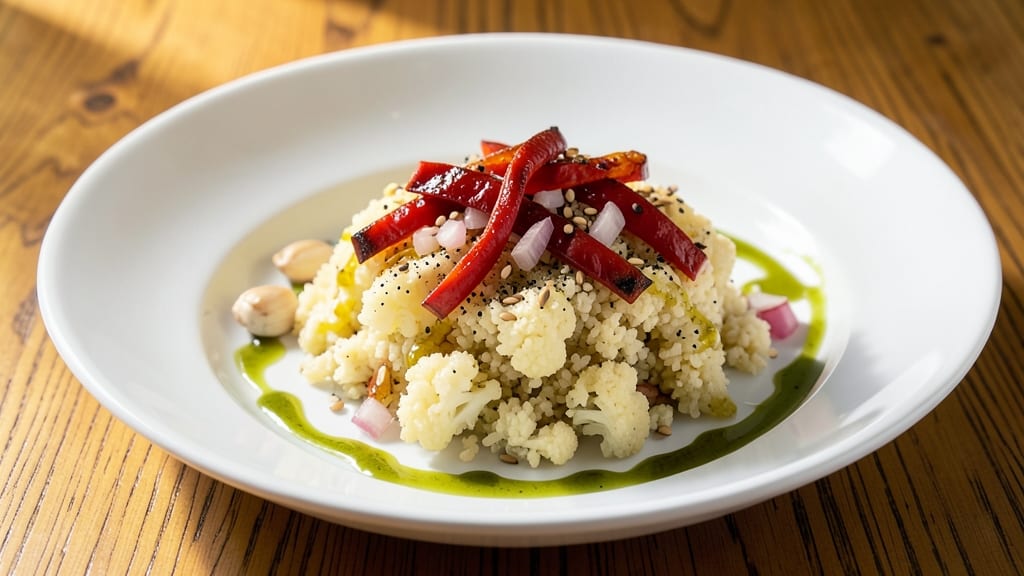
Trader Joe's cauliflower rice transforms from bland to crispy-topped in just 10 minutes when you master this simple technique—no fancy equipment required. I developed this recipe after realizing how versatile this frozen staple could be when properly seasoned and cooked, making it perfect for weeknight dinners or meal prep.
The key lies in high-heat sautéing to achieve that golden, crispy texture while keeping the interior tender. This method works as a standalone side dish or as a base for stir-fries and bowls, adapting easily to vegan diets by omitting butter or cheese.
Ready in minutes, it’s the ideal low-carb solution that still delivers restaurant-quality results.
Ingredients for trader joe's cauliflower rice
Trader Joe's frozen cauliflower rice becomes restaurant-quality in minutes with these precise ingredients.
| Ingredient | Amount | Notes |
|---|---|---|
| Trader Joe's Cauliflower Rice (Frozen) 🥬 | 12 oz | Do not thaw before cooking |
| Extra-Virgin Olive Oil 🫒 | 2 tbsp | High-quality, low-smoke point preferred |
| Garlic Cloves 🧄 | 3 cloves | Minced, fresh preferred |
| Diamond Crystal Kosher Salt 🧂 | 1 ½ tsp | Fine grain for even seasoning |
| Black Peppercorns 🌶️ | ½ tsp | Freshly cracked, coarse grind |
| Sesame Oil 🫒 | 1 tsp | Toasted, for aroma |
| Low-Sodium Soy Sauce 🥢 | 1 tbsp | Kikkoman preferred |
| Toasted Sesame Seeds 🌾 | 1 tsp | For garnish, store-bought okay |
| Fresh Ginger 🌿 | 1 tbsp | Finely grated, peeled |
| Vegetable Broth 💧 | ¼ cup | Low-sodium, homemade or store-bought |
| Red Bell Pepper 🌶️ | ½ cup | Diced, any color |
| Red Onion 🧅 | ¼ cup | Finely diced, white preferred |
| Optional Vegan Butter 🧈 | 1 tbsp | For non-vegan version, omit |
The frozen cauliflower rice from Trader Joe's is the foundation—never thaw it beforehand, as moisture kills the crispy texture. For optimal results, purchase the organic version if available, as it retains better structure during high-heat cooking. The Diamond Crystal kosher salt is essential for even seasoning; its larger crystals dissolve perfectly without over-salting. Fresh garlic and ginger should be vibrant and firm, with no signs of sprouting or discoloration. Store these aromatics in the freezer to preserve their potency. The extra-virgin olive oil must be high-quality—look for bottles labeled 'cold-pressed' and 'low-smoke point' to prevent bitterness during sautéing.
Substitutions require precision to maintain balance. If sesame oil is unavailable, toasted peanut oil at half the amount works, though the flavor profile shifts slightly. For a soy sauce alternative, coconut aminos provide a similar umami depth without the sodium. The red bell pepper and onion can be swapped for shredded cabbage or snap peas, but they won't caramelize the same way. For a non-vegan version, Miyoko's vegan butter or regular butter can be used—simply omit the soy sauce entirely. If your vegetable broth lacks depth, add a splash of fish sauce (vegan-friendly) or miso paste for complexity. Always taste as you go; cauliflower rice absorbs flavors quickly.
This dish reheats beautifully—microwave for 1-2 minutes with a damp paper towel to restore crispiness. Store leftovers in an airtight container for up to 5 days, though texture degrades after day three. For meal prep, portion into glass containers with tight lids to maintain crunch. Freezing isn't recommended, as the cauliflower rice becomes mushy upon thawing. Garnish with toasted sesame seeds immediately before serving to preserve their crunch. The dish pairs exceptionally well with grilled tofu or tempeh, creating a complete protein when combined.
Why You'll Love This Recipe
- Fridge-to-Pan Magic: I swear by this—just pull the frozen rice straight from the bag, toss it in a hot pan with olive oil, and let the garlic sizzle. No thawing, no chopping, no mess. That’s 10 minutes of my life I’ll never get back otherwise.
- Garlic Confidence Boost: Between us, I used to overthink garlic. But here? Two cloves, minced fast, and the whole pan smells like a Mediterranean vacation. The kosher salt and cracked pepper make it taste like you actually cooked something—even if you didn’t.
- Leftover Reinvention: Make a double batch and stash it for stir-fries, omelets, or even as a taco bowl base. My kids ask for it more than pasta, and honestly? So do I. It’s the ultimate blank canvas that won’t let you down.
- Budget Bright Spot: Trader Joe’s frozen rice is my secret weapon—cheaper than fresh veggies, just as nutritious, and it stretches into meals for days. Plus, olive oil and garlic? Pantry staples that always deliver. This is eating well without breaking the bank.
Step-by-step instructions for crispy-topped Trader Joe's cauliflower rice
Mastering this technique transforms frozen cauliflower rice into a restaurant-worthy dish with perfect texture.
Prepare and Sauté the Aromatics
Heat a large nonstick skillet over medium-high heat. Add the 2 tablespoons extra-virgin olive oil and allow it to warm until shimmering. Add the 0.25 cup finely diced red onion and 0.5 cup diced red bell pepper, cooking for 3-4 minutes until softened and slightly caramelized at the edges.
Add the 3 cloves minced garlic and 1 tablespoon finely grated fresh ginger, cooking for an additional 30 seconds until fragrant. This foundational step builds flavor while preventing the cauliflower from steaming instead of crisping. The onions should release their sweetness, and you'll smell the garlic's pungent aroma - this is your cue to proceed to the next step.
Cook the Cauliflower Rice to Crispy Perfection
Spread the 12 ounces frozen Trader Joe's cauliflower rice evenly across the skillet, pressing down gently with a spatula to create an even layer. Cook undisturbed for 3-4 minutes until the bottom develops a golden-brown crust. This initial searing creates the crispy texture promised in the title.
After the first side crisps, gently flip the cauliflower rice using a wide spatula, pressing down again to maintain even contact with the pan. Continue cooking for another 2-3 minutes until the second side achieves the same golden-brown color. The rice should release easily from the pan at this stage - if it sticks, increase the heat slightly and allow an additional 30 seconds.
Season and Finish with Flavor Layers
Remove the skillet from heat and stir in the 1.5 teaspoons Diamond Crystal kosher salt, 0.5 teaspoon freshly cracked black peppercorns, 1 tablespoon low-sodium soy sauce, and 1 teaspoon sesame oil. Toss gently to distribute the seasonings evenly throughout the cauliflower rice. The salt should dissolve slightly, and you'll notice the soy sauce beginning to steam from the residual heat.
Return the skillet to medium-low heat and add the 0.25 cup vegetable broth, stirring to combine. Cook for an additional 1-2 minutes until the broth is mostly absorbed and the cauliflower rice reaches your desired tenderness. The dish should maintain its crispy edges while becoming tender in the center - this balance is what makes this preparation exceptional.
Optional Butter Finish and Garnish
For a richer finish, add the 1 tablespoon optional vegan butter to the skillet and toss until melted and evenly distributed. The butter should create a glossy sheen on the cauliflower rice, enhancing its visual appeal and adding subtle richness. If omitting the butter, proceed directly to the final garnishing step.
Remove the skillet from heat and immediately sprinkle with 1 teaspoon toasted sesame seeds. The seeds should adhere to the surface, adding both texture contrast and visual appeal. Serve immediately while the cauliflower rice maintains its ideal crispy texture and vibrant colors. The dish should be hot throughout, with each bite offering a satisfying combination of crispy edges and tender centers.
Pro Tips For Making Trader Joe'S Cauliflower Rice
- THAW FIRST, DON’T SKIP: Trader Joe’s frozen cauliflower rice is easier to handle—and less likely to steam into a soggy mess—if you spread it on a plate and let it sit for 10 minutes before cooking. I used to just toss it straight from the bag, and half the time it turned out watery. This small step makes all the difference when you’re sautéing.
- MINCE THAT GARLIC: Chop those cloves into tiny, even pieces—no big chunks—so they cook through without burning. I learned this the hard way after biting into a raw garlic surprise in what was supposed to be a simple stir-fry. A quick press with the flat side of your knife works better than a knife cut here.
- SALT THE CAULIFLOWER: Sprinkle a pinch of kosher salt over the frozen rice before cooking—it crisps up faster and tastes better. I was skeptical until I tried it, and now I never skip it. Just a quarter teaspoon does the trick.
- LOW AND SLOW FINISH: Start hot, but once the cauliflower’s golden, drop the heat to medium-low and let it cook for another 2-3 minutes. Rushing it turns it mushy; letting it mellow out keeps it tender-crisp. Yes, even if you’re impatient like me.
Wine and beer pairings for this dish
Crisp White Wine
Trader Joe's cauliflower rice pairs beautifully with a dry Riesling or Sauvignon Blanc—both wines cut through the dish's savory, umami notes while complementing the sesame and ginger flavors. Look for a Washington State Riesling like Chateau Ste.
Michelle or a New Zealand Sauvignon Blanc such as Oyster Bay—their bright acidity and citrus undertones refresh your palate after each bite. 🍷
Light-Bodied Beer
A Japanese lager like Asahi Super Dry or Sapporo enhances the dish's crispy texture and subtle sweetness from the bell peppers. For a craft option, try a Belgian witbier such as Hoegaarden—its coriander and orange peel notes harmonize with the sesame and soy sauce.
Avoid heavy stouts or IPAs, which would overpower the delicate flavors. 🍺
Sparkling Pairing
If you prefer bubbles, a dry Prosecco or Cava adds a festive touch while balancing the dish's savory elements. I recommend La Marca Prosecco for its crisp acidity or Freixenet Cordon Negro for a Spanish twist.
The effervescence cleanses your palate between bites, making it ideal for a light lunch or dinner. ✨
Non-Alcoholic Options
For a refreshing non-alcoholic match, try sparkling water with a splash of lime juice and a pinch of sea salt. The citrus brightens the dish's earthy flavors, while the salt enhances the umami from the soy sauce.
Alternatively, a ginger beer like BrewDog Ginger Beer mirrors the recipe's ginger and sesame notes. 💧
Red Wine for Heartier Add-Ins
If you add protein like grilled chicken or tofu, a light Pinot Noir from Oregon or California works well. The wine's red fruit notes contrast nicely with the dish's savory-sweet profile. Avoid bold Cabernets or Syrahs, which would clash with the delicate cauliflower texture. 🍇
Nutrition facts
Frequently asked questions
Can I use fresh cauliflower instead of Trader Joe's frozen cauliflower rice?
Fresh cauliflower works, but you'll need to rice it yourself using a food processor with the grating blade. For 12 ounces of rice, you'll need about 1 medium head (roughly 3 cups chopped florets). The texture will be slightly less uniform, but the flavor remains excellent. Pro tip: Pulse the florets in batches to avoid over-processing into a paste.
How do I make this recipe vegan?
Simply omit the optional vegan butter entirely and use 1 tablespoon of neutral oil like avocado or grapeseed instead. The dish stays fully plant-based while maintaining the crispy texture. For extra richness, stir in 1 teaspoon of nutritional yeast after cooking. All other ingredients in the recipe are already vegan-friendly.
Why does my cauliflower rice turn mushy instead of crispy?
Mushiness happens when moisture isn't properly managed. Always cook frozen cauliflower rice directly from the freezer—never thaw it. Use a nonstick skillet and medium-high heat to create the golden crust. If your pan isn't hot enough, the rice will steam instead of sear. For extra insurance, press the rice down gently with a spatula during cooking.
Can I make this ahead of time for meal prep?
Yes, but with a few adjustments. Cook the cauliflower rice as directed, then let it cool completely before storing in an airtight container for up to 3 days. Reheat in a skillet over medium heat with a splash of water or broth to restore crispiness. For best texture, reheat only what you plan to eat that day—microwaving tends to make it soggy.
What proteins pair best with this cauliflower rice dish?
Grilled or pan-seared tofu (especially firm or extra-firm) works perfectly, as do shrimp or chicken breast. For a vegetarian option, try tempeh or seitan. Cook proteins separately and combine just before serving to maintain texture contrast. The soy sauce in the cauliflower rice enhances umami flavors in all these pairings.