
Side Dishes
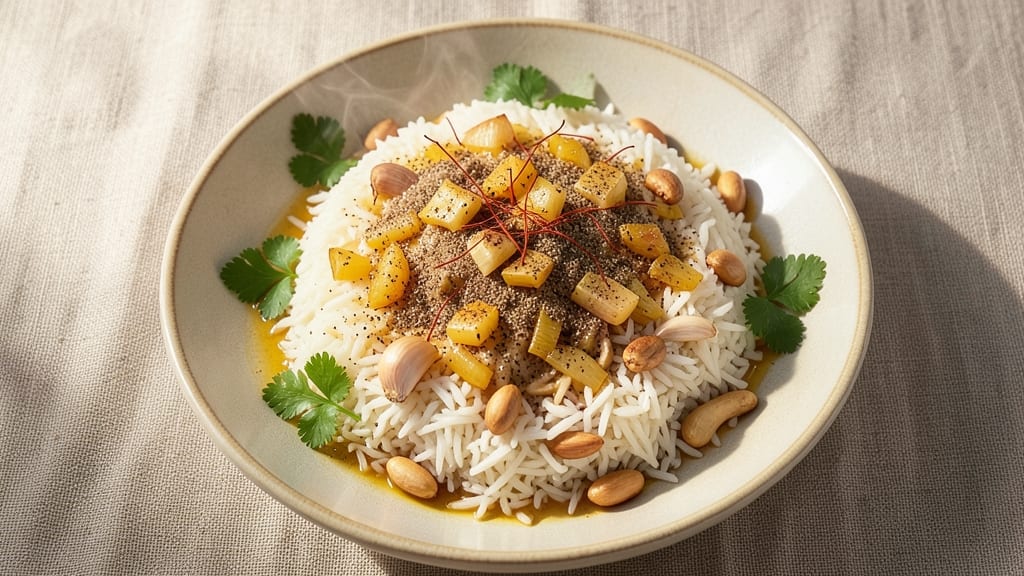
This Arab rice recipe transforms simple grains into a fragrant, golden masterpiece that pairs perfectly with grilled meats or stands alone as a centerpiece dish.
The marriage of saffron and cumin creates an aroma that instantly transports you to bustling Middle Eastern markets, where every bite carries layers of tradition and warmth.
I developed this version after years of testing—balancing rice-to-liquid ratios and spice timing to achieve the ideal texture: tender yet firm, infused with earthy depth and floral brightness.
The foundation of authentic Arab rice lies in its method: toasting whole spices until fragrant, then simmering them with garlic and onions before adding rice and broth. This technique builds flavor gradually, ensuring each grain absorbs the aromatic essence rather than just absorbing liquid.
The saffron, steeped in warm water, dissolves into delicate threads that stain the rice a luminous golden hue—proof that simple ingredients, when treated with care, become extraordinary.
What you’ll achieve is restaurant-quality rice with a crispy bottom layer and tender, separate grains that cling together just enough to hold their shape. The cumin adds warmth, while saffron contributes its signature floral note, creating a dish that’s both comforting and sophisticated.
This recipe works as a side for lamb shawarma or chicken, or as a standalone vegetarian meal with roasted vegetables and yogurt drizzle.
For those who love customization, try adding toasted pine nuts or dried apricots for texture, or swap the chicken broth for vegetable broth for a lighter version.
The key is patience—letting the rice steam undisturbed until fully tender ensures perfect results every time. Let’s bring this aromatic tradition to your kitchen.
Ingredients for arab rice
Simple grains meet aromatic spices—this rice transforms ordinary ingredients into a fragrant centerpiece.
| Ingredient | Amount | Notes |
|---|---|---|
| Long-Grain White Rice 🍚 | 1 ½ cups | Uncooked, rinsed thoroughly |
| Chicken Broth 💧 | 2 ½ cups | Low-sodium preferred, homemade or quality store-bought |
| Saffron Threads 🌼 | ¼ tsp | High-quality, Spanish or Iranian |
| Ground Cumin 🌿 | 1 tbsp | Toasted for deeper aroma |
| Yellow Onion 🧅 | 1 whole | Medium, finely diced |
| Garlic Cloves 🧄 | 4 cloves | Peeled, minced finely |
| Extra-Virgin Olive Oil 🫒 | ¼ cup | High-quality, fruity variety |
| Salt 🧂 | 1 ½ tsp | Fine sea salt or kosher |
| Fresh Lemon Juice 🍋 | 1 tbsp | From 1 small lemon |
| Fresh Parsley 🌿 | ¼ cup | Chopped, for garnish |
| Unsalted Butter 🧈 | 2 tbsp | Cold, cubed for crispy bottom |
Saffron is the star here, so invest in high-quality threads—Spanish or Iranian varieties yield the best flavor. Look for vibrant, deep red stigmas with no stems or debris. Whole Foods or specialty Middle Eastern markets carry premium saffron, though a good grocery store like Trader Joe's often has decent options too. Toast your cumin seeds lightly in a dry pan before grinding to deepen their aroma—this step makes all the difference. For the rice, jasmine or basmati work beautifully, but long-grain white rice is the most accessible choice. Rinse it thoroughly before cooking to remove excess starch, which prevents clumping. The onion and garlic should be finely minced—almost paste-like—for even flavor distribution throughout the rice.
No saffron? Turmeric at one-third the amount adds color, though it lacks the floral depth. Running short on chicken broth? Vegetable broth works equally well—just ensure it's well-seasoned. Fresh lemon juice is ideal, but bottled lemon juice in a squeeze bottle saves time. For the butter, European-style unsalted butter like Plugrá melts more smoothly than American brands. Substituting olive oil for the butter? Use the same amount, but expect a slightly less crispy bottom layer. The parsley is purely decorative, but if you're feeling adventurous, try fresh cilantro or mint for a different herbal note. Just remember: the rice's texture depends on precise measurements—don't eyeball the broth or rice.
This rice keeps beautifully in the fridge for 4-5 days, though it reheats best when fresh. For leftovers, spread it on a tray and cover with foil to prevent drying. The crispy bottom layer? That's intentional—it adds texture and flavor. Store any extra broth in an airtight container for up to 1 week or freeze for 3 months. To reheat, sprinkle a few drops of water and cover tightly—microwave on medium power for even heating. For a restaurant-quality presentation, serve in a shallow dish with a drizzle of olive oil and extra parsley. The saffron-infused water can be strained and saved for soups or sauces—it's packed with flavor!
Why You'll Love This Recipe
- Saffron Magic in Minutes: I swear by this trick—just a pinch of saffron steeped in warm broth while I chop the onion. That golden hue and floral depth? It turns basic rice into something special without extra fuss.
- One-Pot, Zero Stress: D dump the rice, broth, and spices in one pot, stir once, and walk away. The cumin and onion caramelize into this rich, earthy base that needs zero babying. Honestly, my lazy Sundays thank me.
- Leftover Goldmine: This rice actually improves after day two—absorbs flavors better, textures just right. Toss it with grilled chicken for lunch, stuff it in wraps, or reheat with a fried egg. My fridge never complains.
- Budget Bright Spot: White rice, chicken broth, and a tiny vial of saffron stretch to feed four for under $5. Between us, that’s a steal for something this satisfying. Plus, the cumin makes every bite feel like a restaurant meal.
Step-by-step instructions for Arab rice recipe
Transform simple rice into aromatic, golden-hued perfection with this traditional method.
Bloom the Saffron and Toast the Spices
In a small bowl, steep the 0.25 teaspoon saffron threads in 2 tablespoons warm chicken broth for 5 minutes. The threads will release their vibrant color and delicate floral aroma into the liquid. This infusion is the heart of the dish's signature fragrance.
Meanwhile, heat the 0.25 cup extra-virgin olive oil in a heavy-bottomed pot over medium heat. Add the 1 tablespoon ground cumin and toast for 30 seconds until fragrant. The cumin should sizzle gently and fill your kitchen with its warm, earthy scent. Remove from heat immediately to prevent burning—over-toasted cumin turns bitter.
Sauté the Aromatics
Add the finely diced yellow onion to the pot and cook over medium heat for 5-6 minutes until softened and translucent. The onions should caramelize slightly at the edges, adding depth to the rice's flavor profile.
Stir in the 4 minced garlic cloves and cook for 30 seconds until fragrant. You'll know it's ready when the kitchen fills with that unmistakable garlic aroma. Immediately add the saffron infusion back to the pot and stir to combine. The rice will absorb these flavors as it cooks, creating its signature aromatic base.
Layer and Cook the Rice
Add the 1.5 cups long-grain white rice to the pot and stir gently to coat each grain with the aromatic oil. Pour in the remaining 2.25 cups chicken broth (reserving 0.25 cup for later) and bring to a gentle boil. Add the 1.5 teaspoons salt and stir once more.
Reduce heat to low and cover the pot tightly with a lid. Let the rice simmer undisturbed for 15 minutes. This initial cooking phase allows the rice to absorb the initial broth while maintaining its distinct grains. Avoid peeking or stirring—the rice needs this undisturbed time to develop its texture.
Finish with Butter and Lemon
After 15 minutes, uncover the pot and stir in the 2 tablespoons cold unsalted butter and the reserved 0.25 cup chicken broth. The butter will melt into the rice, creating a luxurious finish. Increase heat to medium-low and cook uncovered for 5-7 minutes until the rice is tender and the liquid has been fully absorbed.
Remove from heat and stir in the 1 tablespoon fresh lemon juice. This final touch brightens the dish, balancing the rich, earthy flavors. The rice should be fluffy with a slight sheen from the lemon and butter. If it's too dry, add 1-2 tablespoons water and stir gently.
Rest and Garnish
Let the rice rest covered for 5 minutes. This resting period allows the steam to redistribute, ensuring each grain is perfectly tender. Fluff the rice gently with a fork and transfer to a serving dish.
Garnish with the 0.25 cup chopped fresh parsley just before serving. The parsley adds a fresh contrast to the warm, spiced rice. Serve immediately alongside grilled meats or as a standalone dish with a simple salad. The rice should be golden, fragrant, and each bite should deliver layers of saffron's floral notes and cumin's warmth.
Pro Tips For Making Arab Rice
- Bloom the Saffron: DESCRIPTION: Steep those threads in warm chicken broth (not boiling) for at least 10 minutes—no, don’t skip this. I used to toss it in cold broth and wondered why my rice tasted like perfume instead of saffron. The color and flavor only come out when you give it time to open up properly.
- Toast the Cumin Dry: DESCRIPTION: Heat the ground cumin in a dry pan for 30 seconds until it smells nutty and aromatic—this cuts through the raw, earthy taste. I learned this the hard way after making rice that tasted like cumin-flavored cardboard. Just don’t burn it; walk away and check back.
- Layer the Onion First: DESCRIPTION: Sauté the onions until they’re deep golden brown before adding anything else—this builds the flavor base. My lazy shortcut of throwing them in later meant my rice tasted like broth with rice in it, not a proper Arab dish. Patience here makes all the difference.
- Use Twice the Broth: DESCRIPTION: The rice will absorb more than you think, so start with 2 cups broth per 1 cup rice—even if it seems excessive. I’ve ruined batches by skimping, ending up with dry, gritty rice. Trust me, the extra broth dissolves into the grains as it cooks.
Common mistakes when making great arab rice
Overcooking the Rice
One of the biggest mistakes is letting the rice cook too long, resulting in mushy grains. I’ve ruined countless batches by ignoring the 15-minute initial cook time and peeking under the lid too often.
The rice needs undisturbed steaming—every time you lift the lid, you release steam and disrupt the cooking process. If you’re unsure, set a timer and resist the urge to check.
The rice should be tender but still have a slight bite when you taste it at the 15-minute mark. 🌡️
Skipping the Saffron Bloom
Many home cooks overlook the critical step of blooming the saffron in warm broth. Simply tossing saffron threads directly into the pot means you’ll miss out on their full floral aroma and vibrant color. I learned this the hard way—my first attempt yielded pale, flavorless rice.
Always steep the saffron in warm (not boiling) broth for 5 minutes before adding it to the pot. This ensures maximum extraction of its delicate essence.
Using Low-Quality Saffron
Cheap saffron often contains stems, debris, or even substitutes like turmeric, which will ruin your dish. I recommend investing in Spanish or Iranian saffron from trusted sources like Whole Foods or specialty Middle Eastern markets.
A little goes a long way—just 0.25 teaspoon is enough for this recipe. If you’re on a budget, turmeric at one-third the amount can mimic the color, but it won’t replicate saffron’s unique flavor.
Ignoring the Crispy Bottom Layer
The crispy, caramelized bottom layer is a hallmark of authentic Arab rice, but many cooks accidentally ruin it by using the wrong pot or not finishing with butter. Always use a heavy-bottomed pot (like a stainless steel or enameled cast iron) to prevent burning.
After the initial cook, stir in 2 tablespoons cold butter and the reserved broth to create that coveted crispy crust. If you skip this step, you’ll miss out on the dish’s signature texture and flavor depth.
Overcrowding the Pot
Using too much rice in a small pot leads to uneven cooking and clumping. For this recipe, 1.5 cups of rice needs at least a 2-quart pot to allow proper expansion. I’ve seen home cooks cram the rice into a tiny saucepan, resulting in a dense, gummy mess.
If you’re scaling up, use a 1:1.5 rice-to-liquid ratio and increase your pot size accordingly. The rice should have room to breathe and expand without spilling over.
Adding Salt Too Late
Salt should be added with the broth at the beginning of cooking, not sprinkled on top at the end. Adding salt later can cause the rice to absorb unevenly and may leave some grains underseasoned.
I’ve made this mistake when trying to adjust the flavor mid-cook—always add the 1.5 teaspoons salt when you pour in the broth. Taste the broth before adding the rice to ensure it’s properly seasoned.
If it’s bland, add a pinch more salt or a splash of soy sauce for umami depth.
Nutrition facts
Frequently asked questions
What makes this Arab rice different from regular rice?
The key lies in the flavor infusion and technique. This recipe uses toasted cumin and saffron steeped in warm broth, creating a fragrant base that regular rice lacks. The two-stage cooking method—initial steaming followed by butter finishing—produces a crispy bottom layer and perfectly tender grains, unlike plain white rice which often turns mushy.
Can I substitute chicken broth with vegetable broth?
For a vegetarian version, use vegetable broth instead of chicken broth. Just ensure it's well-seasoned with salt and a pinch of soy sauce or miso paste to enhance umami depth. The rice will still achieve the same aromatic profile, though the color may be slightly less vibrant without the chicken broth's natural richness.
How do I prevent the rice from becoming mushy?
Mushy rice happens when you overcook or disturb it too much. Follow these tips: Don't peek while cooking, use a heavy-bottomed pot, and cook the rice on low heat for the full 15 minutes before finishing with butter. The resting period is crucial—let it sit covered for 5 minutes after cooking.
What's the best way to store leftovers?
Store cooked rice in an airtight container in the fridge for up to 4-5 days. For best texture, reheat by sprinkling 1-2 tablespoons water and covering tightly in the microwave. Avoid reheating dry rice—it becomes rubbery. The crispy bottom layer won't survive reheating, but the rest of the rice remains delicious.
Can I add protein to this rice dish?
This rice works beautifully as a side or main dish! Try adding grilled chicken, lamb, or shrimp cooked separately. For a complete meal, serve with roasted vegetables or a simple cucumber-tomato salad. If adding protein directly to the pot, reduce the broth by 0.5 cup to maintain the rice-to-liquid ratio.