
Side Dishes
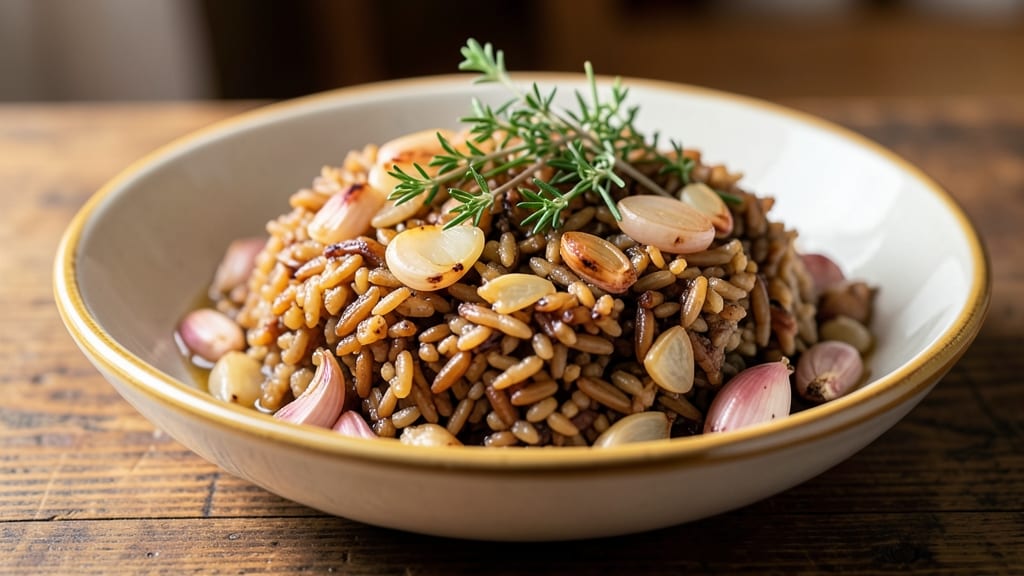
Barefoot Contessa's wild rice pilaf recipe transforms simple grains into a restaurant-worthy side dish that steals every meal. The secret lies in proper toasting and simmering—techniques that develop nutty depth and fluffy texture.
I've adapted her signature herb-infused method to create a dish that's both elegant and foolproof, perfect for weeknight dinners or holiday tables.
This pilaf starts with wild rice cooked in aromatic broth, then finished with butter and fresh herbs for brightness. The key steps—lightly toasting the rice before adding liquid and simmering uncovered—ensure each grain remains distinct and tender.
It's a method that balances tradition with modern flair, using ingredients you likely already have on hand.
What you'll end up with is a golden, herb-scented pilaf with a delicate balance of earthy rice and vibrant aromatics. The texture is perfect—neither mushy nor dry—while the flavor profile shines with toasted notes from the initial cooking and bright freshness from the finishing herbs.
This is the kind of side dish that elevates any main course.
Serve it alongside roasted chicken, grilled fish, or even as a vegetarian centerpiece. The pilaf keeps well for up to four days in the refrigerator, making it ideal for meal prep. Let's get started on creating your own restaurant-quality grain bowl.
Ingredients for barefoot contessa wild rice pilaf
Toasted grains, aromatic herbs, and a touch of wine—this pilaf delivers restaurant-quality flavor with pantry staples.
| Ingredient | Amount | Notes |
|---|---|---|
| Wild Rice Blend 🌾 | 1 cup | Uncooked, long-grain preferred |
| Chicken Broth 💧 | 3 cups | Low-sodium preferred, homemade or quality store-bought |
| Unsalted Butter 🧈 | 4 tbsp | Cold, cut into small pieces |
| Shallots 🧅 | 2 whole | Minced, about 2 tbsp |
| Garlic Cloves 🧄 | 3 cloves | Minced, about 1 tsp |
| Fresh Thyme Leaves 🌿 | 1 tbsp | From 2 sprigs, finely chopped |
| Fresh Parsley Leaves 🌿 | ¼ cup | Finely chopped, stems removed |
| Dried Parsley 🌿 | 1 tsp | Substitute for fresh if needed |
| Salt 🧂 | 1 ½ tsp | Kosher or sea salt, adjust to taste |
| Ground Black Pepper 🌶️ | ½ tsp | Freshly ground preferred |
| White Wine 🍷 | ½ cup | Dry, like Sauvignon Blanc |
| Heavy Cream 🥛 | ¼ cup | Full-fat for best texture |
| Lemon Zest 🍋 | 1 tsp | From 1 small lemon |
Wild rice is the foundation—look for blends with long-grain varieties at specialty stores like Whole Foods or Williams Sonoma for optimal texture. The chicken broth should be rich but not overly salty; homemade or low-sodium store brands work best. For the herbs, fresh thyme and parsley elevate the dish, but dried substitutes (one-third the amount) will suffice in a pinch. Shallots add depth—if unavailable, 1 small yellow onion minced finely does the trick. The white wine should be dry; Sauvignon Blanc or Pinot Grigio are ideal choices, but any dry table wine will work.
No wild rice? Brown rice or a mix of brown and wild rice (50/50) works well, though texture will differ slightly. Substitute vegetable broth for chicken broth if needed, but the flavor will be more neutral. Butter matters here—full-fat, unsalted ensures proper texture and flavor development. For the herbs, fresh is ideal, but dried parsley and thyme (one-third the amount) can be used. Heavy cream can be swapped for half-and-half if preferred, though texture will be slightly lighter. Lemon zest adds brightness—freshly grated is best, but bottled zest works in a bind.
This pilaf reheats beautifully—simmer uncovered for 5-10 minutes to restore texture. Stores for 4-5 days in an airtight container in the fridge, though flavor peaks at day 2. Freezes for 3 months if portioned into containers; thaw overnight in the fridge. Double the batch for holiday meals—it’s perfect for potlucks and leftovers. Serve warm alongside roasted meats or as a vegetarian centerpiece.
Why You'll Love This Recipe
- One-Pot Magic: I swear by this recipe—just toss the rice, broth, and butter in one pot, then let it simmer while you chop veggies or stir-fry proteins. No measuring cups mid-cook, no sticky rice mess, just hands-off perfection.
- Umami Bomb: That wild rice blend soaks up the shallots and garlic like a sponge, then gets a rich, toasty finish from the butter. Honestly, the first time I tasted it, I thought, "Why haven’t I been doing this all along?"
- Weeknight Workhorse: Between us, this pilaf saves my dinners more than I can count. Toss it with roasted chicken for a weeknight feast, or pile it onto a sheet pan with veggies and salmon for a zero-stress dinner. (Yes, even on a Tuesday night.)
- Budget-Friendly Luxury: Wild rice blend feels fancy, but it stretches farther than you’d think—especially with broth and butter. I make double batches, store half for later, and still feel like I’m serving something special. My wallet and my family win.
Step-by-step instructions for herb-infused wild rice pilaf
This method delivers restaurant-quality texture and flavor with minimal effort.
Sauté the Aromatics in Butter
Melt the 4 tablespoons of unsalted butter in a large skillet over medium heat. Add the 2 whole shallots that have been minced and cook for 3-4 minutes until they become translucent and just beginning to soften. This ensures they release their natural sweetness without burning.
Add the 3 cloves of minced garlic and continue cooking for another 30 seconds until fragrant. The garlic should be golden around the edges but not browned—this prevents bitterness. Keep the heat at medium throughout this process to avoid burning the delicate aromatics.
Toast the Wild Rice Blend
Increase the heat to medium-high and add the 1 cup of wild rice blend. Stir continuously for 2-3 minutes until the grains turn a light golden color and become slightly crisp. This toasting step enhances the nutty flavor of the rice and prevents it from becoming mushy during cooking.
Real talk: Don't skip this step. Toasting the rice develops depth of flavor that you won't get otherwise. You'll know it's ready when the grains look dry and slightly shiny from the butter.
Deglaze and Simmer with Broth
Pour in the 0.5 cup of white wine and scrape up any browned bits from the bottom of the pan. This deglazing captures all the flavor you've built. Let the wine simmer for 2 minutes until mostly evaporated.
Add the 3 cups of chicken broth, the 1.5 teaspoons of salt, and the 0.5 teaspoon of ground black pepper. Bring to a gentle boil, then reduce heat to low, cover, and simmer for 45 minutes. You want the liquid to just barely bubble at the edges—this ensures even cooking without scorching.
Finish with Herbs and Cream
After 45 minutes, stir in the 1 tablespoon of fresh thyme leaves, the 0.25 cup of fresh parsley leaves, and the 1 teaspoon of dried parsley. The herbs should be distributed evenly throughout the rice. Simmer uncovered for another 5 minutes to allow the flavors to meld.
Remove from heat and stir in the 0.25 cup of heavy cream and the 1 teaspoon of lemon zest. The cream adds richness while the lemon zest brightens the entire dish. Let the pilaf sit covered for 5 minutes before serving—this resting period allows the flavors to fully develop.
Pro Tips For Making Barefoot Contessa Wild Rice Pilaf
- Sear Shallots First: Toss finely chopped shallots in a cold pan with butter first—no oil needed. Let them sit for 30 seconds before heat, then cook on medium-low until golden brown (not crispy). I learned this the hard way: rushing them turns them bitter, and you’ll end up with a sad, pale base for your pilaf.
- Use Cold Broth: Start with cold chicken broth instead of hot—it keeps the wild rice from releasing starch too fast and turning gluey. Add it gradually as the rice cooks, and you’ll get fluffy, separate grains every time. (Yes, even if you’re impatient like me.)
- Don’t Stir Wild Rice: After the initial toast, stir the rice once to distribute the butter, then leave it alone for 10 minutes. Wild rice needs space to expand; poking it constantly turns it into mush. Cover the pot and let it steam—it’s the only way to get that perfect chewy bite.
- Toast Garlic Last: Add minced garlic to the pan only after the shallots are golden and the rice has absorbed some broth. Cook it for 30 seconds max—any longer and it burns, leaving a bitter aftertaste. (Your nose will thank you.)
Creative variations of this recipe
Herb-Infused Variations
Swap the thyme and parsley for rosemary and chives—this Mediterranean twist pairs beautifully with roasted lamb. Use 1 tbsp fresh rosemary (finely chopped) and 2 tbsp chives (minced) in the final step. The piney rosemary adds depth, while chives bring a delicate oniony brightness. 🌿
Citrus & Nut Twist
Add 2 tbsp toasted pecans (chopped) and 1 tsp orange zest during the final resting phase. The nutty crunch contrasts the creamy texture, while orange zest brightens the dish.
I like toasting the pecans in a dry skillet for 2 minutes until fragrant before folding them in. This variation works especially well with seafood mains.
Spiced & Smoky Version
For a bold flavor profile, stir in ½ tsp smoked paprika and ¼ tsp ground cumin with the shallots. After simmering, add 1 tbsp chopped fresh cilantro instead of parsley.
The smoky spices complement grilled meats perfectly, while cilantro adds a fresh, almost citrusy note. This version pairs wonderfully with BBQ ribs or smoked chicken.
Vegetarian Protein Boost
Fold in ½ cup cooked quinoa and ¼ cup crumbled feta cheese during the final 5 minutes of simmering. The quinoa adds extra texture, while the feta brings salty tang.
I also like adding 2 tbsp chopped sun-dried tomatoes for a Mediterranean-inspired vegetarian main dish. This version is hearty enough to stand alone or alongside roasted vegetables.
Winter Comfort Version
Incorporate ½ cup diced roasted butternut squash and 1 tbsp maple syrup during the final simmer. The sweetness of the squash and maple balances the savory rice, while the squash adds a velvety texture.
Garnish with toasted pumpkin seeds for extra crunch. This variation is perfect for autumn and winter meals.
Global Fusion Adaptations
For an Indian-inspired twist, add ½ tsp ground cumin and ¼ tsp turmeric with the shallots. Stir in 2 tbsp raisins and 1 tbsp chopped pistachios during the final step. The warm spices and sweet raisins create a unique flavor profile that pairs beautifully with curry dishes.
This version is inspired by biryani rice techniques but simplified for home cooking. 🌍
Nutrition facts
Frequently asked questions
Why does Barefoot Contessa's recipe call for toasting the wild rice?
Toasted rice develops a deeper, nutty flavor and prevents mushiness. The 2-3 minute toasting step in butter creates a light crust on each grain, making the final texture distinct and restaurant-quality. Skipping this step results in bland, sticky rice.
Can I substitute regular rice for wild rice in this pilaf?
Wild rice has a unique chewy texture that's essential for this dish. For a similar effect, use a 50/50 blend of brown rice and wild rice. Long-grain white rice won't work—it lacks the earthy depth. If you must substitute, try black rice or barley for a different but equally flavorful result.
How do I prevent my pilaf from getting mushy?
Keep the heat at a gentle simmer (low-medium) and never let it boil vigorously. The 45-minute covered simmer should maintain just a slight bubble at the edges. Also, avoid lifting the lid frequently—steam escapes and can dry out the rice. Let it rest 5 minutes covered after cooking.
What's the best way to reheat leftover pilaf?
Reheat gently in a skillet over low heat with 1-2 tablespoons of broth or water to restore moisture. Cover and simmer for 5-8 minutes, stirring occasionally. Microwaving can make it rubbery—avoid this method. For best results, reheat only what you'll serve immediately.
Can I make this pilaf ahead of time for a holiday meal?
This pilaf tastes even better the next day. Cook it 1-2 days ahead and store in an airtight container in the fridge. Reheat gently before serving. For 3+ days ahead, freeze portions in containers—thaw overnight in the fridge. The flavors meld beautifully over time.