
Main Courses
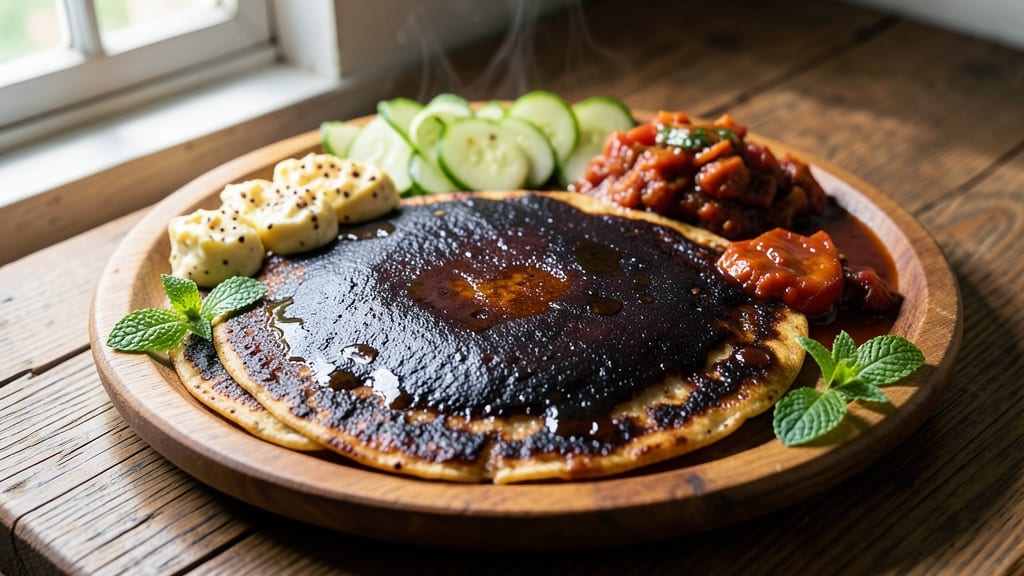
This black rice dosa recipe transforms simple ingredients into a nutty, deep purple crisp that's both traditional and modern. The secret lies in fermenting black rice batter overnight—its earthy flavor and vibrant color make every bite special.
Unlike regular dosas, this version delivers a rich, slightly sweet profile with a satisfying crunch.
Perfect for breakfast or brunch, these dosas pair beautifully with coconut chutney or sambar. The batter requires just black rice, urad dal, and rice flour, all soaked and ground before fermenting.
Once cooked on a hot skillet, the crispy edges and tender centers create a textural masterpiece that's vegan-friendly and packed with nutrition.
Ingredients for black rice dosa
The foundation of this black rice dosa lies in fermenting these nutty, vibrant ingredients overnight.
| Ingredient | Amount | Notes |
|---|---|---|
| Black Rice 🌾 | 1 cup | Rinsed thoroughly before soaking |
| Urad Dal 🌱 | ½ cup | Split, rinsed, and soaked overnight |
| Rice Flour 🍚 | ¾ cup | Fine grind for smooth batter |
| Water 💧 | 1 ¼ cups | Filtered or spring water preferred |
| Salt 🧂 | ½ tsp | Fine sea salt, adjust to taste |
| Asafoetida Powder 🌿 | ¼ tsp | Optional, enhances flavor |
| Coconut Oil 🥥 | ½ cup | For cooking, unrefined preferred |
| Fresh Cilantro Leaves 🌿 | ¼ cup | Chopped, for garnish |
| Green Chilies 🌶️ | 2 whole | Slit lengthwise, optional |
| Lemon Juice 🍋 | 1 tbsp | Freshly squeezed |
| Coconut Chutney 🥥 | ½ cup | Store-bought or homemade |
| Sambar 🍲 | 1 ½ cups | Homemade or jarred, optional |
The black rice is the star here—look for high-quality, organic varieties at Whole Foods or Indian specialty stores like Patel Brothers for the deepest purple hue and richest flavor. The urad dal should be split and rinsed until the water runs clear, removing any bitterness. For the rice flour, Bob's Red Mill brand is consistently fine and yields a smooth batter. Soak both the rice and dal separately for 6-8 hours—this ensures optimal fermentation and a tender texture. If you're short on time, pre-soaked black rice can be found in the international aisle of Sprouts or Trader Joe's, though freshly soaked delivers superior results.
No urad dal? Chana dal works in a pinch, though the texture will be slightly denser. Substituting white rice flour for half the rice flour lightens the batter, but you'll lose that signature nutty depth. For the coconut oil, unrefined virgin adds a subtle sweetness—Nutiva or Bare Necessities brands are excellent choices. Fresh cilantro is ideal, but dried cilantro powder at one-third the amount can stand in. The green chilies can be omitted entirely if you prefer a milder flavor, though they add a delightful heat. For the coconut chutney, homemade elevates the dish, but Goya or Annie's jarred versions save time without sacrificing quality.
Ferment the batter in a warm spot (like a turned-off oven with the light on) for 8-12 hours—this balances fermentation and prevents over-souring. Store any leftover batter in an airtight container in the fridge for up to 2 days, re-fermenting at room temperature before use. The dosas reheat beautifully in a hot skillet with a drizzle of coconut oil for 2-3 minutes per side. Garnish with fresh cilantro and a squeeze of lemon juice just before serving. These keep well in the fridge for 3 days, though they're best enjoyed fresh off the skillet.
Why You'll Love This Recipe
- No-Soaking Needed: I’ll admit, I used to dread the soaking step—but black rice dosa skips it. Just grind the urad dal and black rice together, mix with rice flour, and you’re done. The batter’s ready in 10 minutes, not hours.
- Deep Purple Magic: That rich, almost chocolatey note from the black rice? It’s next level—like a dosa with a secret ingredient. The urad dal keeps it fluffy, but the black rice gives it this earthy, slightly sweet depth that makes it unforgettable.
- Lunchbox Hero: Between us, this is my go-to for packed lunches. The dosas reheat beautifully (yes, even the next day) and hold up in containers. Toss with coconut chutney, and you’ve got a meal that feels fancy but costs pennies.
- Budget Powerhouse: Black rice might sound fancy, but it’s cheaper than white rice where I shop. Urad dal stretches the batter, and you can make a stack of dosas for under $2. That’s a win when you’re feeding a crowd—or just treating yourself.
Step-by-step instructions for black rice dosa
Transforming fermented black rice into crispy, nutty dosas requires precision and patience.
Prepare and Ferment the Black Rice Batter
Begin by rinsing the 1 cup black rice thoroughly under cold water until the water runs clear. Soak it for 8 hours or overnight in plenty of water, then drain. Grind the soaked black rice with the 0.5 cup urad dal and 1.25 cups water until smooth, scraping down the sides as needed. The batter should be slightly thicker than regular dosa batter.
Transfer the batter to a clean bowl, cover with a damp cloth, and let it ferment at room temperature for 12-14 hours. You'll know it's ready when it rises significantly and develops a tangy aroma—similar to yogurt. The black rice will give your dosas their distinctive deep purple hue and nutty flavor profile.
Mix and Rest the Final Batter
After fermentation, add the 0.75 cup rice flour, 0.5 tsp salt, and 0.25 tsp asafoetida powder to the fermented batter. Mix well until fully incorporated, then let it rest for 30 minutes. This resting period allows the rice flour to hydrate completely, creating a smoother batter with better texture.
For the final touch, gently fold in the 0.25 cup chopped fresh cilantro leaves and 2 slit green chilies (if using). The cilantro adds freshness while the chilies introduce a subtle heat. Avoid overmixing—just combine until evenly distributed. The batter should now be smooth, slightly thick, and ready for cooking.
Heat the Coconut Oil and Cook the Dosas
Heat a non-stick skillet over medium heat and add 1 tablespoon of the 0.5 cup coconut oil. Swirl to coat the pan evenly—you want just enough oil to create a thin, even layer. Pour about ¼ cup of batter into the center and immediately spread it into a thin, even circle using a wet spatula, tilting the pan to help distribute the batter.
Cook for 2-3 minutes until the edges turn crispy and the top shows small bubbles. Flip carefully and cook the other side for another 1-2 minutes until golden brown. The black rice dosa should be crisp on the outside with a soft, slightly chewy interior. Work in batches, adding more oil as needed, and keep the cooked dosas warm in a 200°F oven while you finish the batch.
Assemble and Serve
Serve the black rice dosas hot with 0.5 cup coconut chutney and 1.5 cups sambar on the side. The deep purple color of the dosas will contrast beautifully with the vibrant red sambar. For extra freshness, drizzle with 1 tbsp lemon juice just before serving—this brightens the flavors and cuts through the richness of the coconut oil.
The nutty undertones from the black rice pair perfectly with the tangy chutney and spiced sambar, creating a balanced, flavorful meal. Each bite should deliver crispy texture, subtle heat from the chilies, and a satisfying fermented tang from the batter.
Pro Tips For Making Black Rice Dosa
- Soak Black Rice Longer: I learned this the hard way—black rice needs at least 8 hours (overnight is ideal) to soften properly. Rushing it leaves you with a gritty, uneven batter that won’t spread smoothly. Trust me, your dosas will thank you.
- Grind Urad Dal Coarse: Skip the ultra-fine powder—grind your urad dal until it’s roughly the texture of wet sand, not flour. Too smooth, and your dosa will turn out dense and chewy instead of light and crisp. A quick pulse in a food processor works if you’re in a hurry.
- Heat the Tawa Just Right: Medium-high heat is your friend here. Too hot, and the edges burn before the center cooks; too low, and you’ll be flipping soggy pancakes. Test it by sprinkling a drop of water—if it sizzles but doesn’t smoke, you’re golden.
- Rest the Batter 30 Minutes: Mixing the batter is half the battle, but letting it sit covered for 30 minutes makes a real difference. The starches relax, and the batter clings better to the tawa. I know, I know—you’re eager to cook—but this step keeps your dosas from cracking mid-flip.
Wine and beer pairings for this recipe
Fermented Tang Pairings
Black rice dosa's fermented tang pairs beautifully with crisp, dry white wines that cut through the richness. I love a Chenin Blanc from South Africa—its bright acidity and hints of apple and honey complement the dosa's nutty depth.
The 2019 Ken Forrester Chenin Blanc ($18) is a fantastic choice that won't break the bank. 🍷
Spiced Beer Complements
For beer lovers, a Belgian Witbier like Hoegaarden adds a refreshing contrast with its coriander and citrus notes. The effervescence cleanses the palate between bites of crispy dosa. If you prefer something stronger, try a German Hefeweizen—the banana and clove undertones enhance the black rice's earthy flavor.
Coconut Chutney Harmony
The creamy coconut chutney you serve alongside these dosas pairs wonderfully with a light-bodied rosé. A Provence rosé like Whispering Angel ($12) offers subtle berry notes that echo the coconut's sweetness. For a non-alcoholic option, sparkling limeade with a splash of gin adds a sophisticated touch.
Sambar's Spice Balance
When serving with sambar, the dish's tamarind and lentil depth calls for a wine with similar complexity. A dry Riesling from Germany—like Dr. Loosen Blue Slate ($25)—brings tart citrus and mineral notes that harmonize perfectly. The acidity helps balance sambar's rich spices without overpowering the dosa's delicate crispness. 🍇
Nutrition facts
Frequently asked questions
Why does black rice dosa batter need extra rice flour?
The 0.75 cup rice flour lightens the batter slightly while maintaining the black rice's signature nutty flavor. Without it, the batter becomes too dense and difficult to spread thinly for crispy dosas. This blend also helps create that perfect balance between crispy edges and soft centers.
Can I make black rice dosa batter ahead of time?
Yes! Prepare the batter up to 2 days in advance and store it in an airtight container in the fridge. Let it sit at room temperature for 1-2 hours before cooking to re-ferment slightly. The flavors will deepen, and the texture improves with resting. Just give it a quick stir before using.
What's the secret to getting crispy dosas?
Use medium-high heat and just enough coconut oil (about 1 tbsp per batch) to coat the pan thinly. Spread the batter very thinly (about ¼ cup per dosa) and cook until edges are golden and bubbles form on top. Patience is key—don't rush flipping!
How do I fix over-fermented batter?
If your batter smells too sour or has a yeasty aroma, add 1 tbsp rice flour and 1 tsp sugar to balance the acidity. Mix well and let it rest for 30 minutes. This neutralizes the tang while keeping the dosas flavorful. Over-fermented batter just needs a little sweetness to reset!
Can I make these dosas gluten-free?
Replace the rice flour with gluten-free 1:1 baking flour in the same amount. For extra crispiness, add 1 tbsp cornstarch to the batter. The texture will be slightly different but still delicious. Always check labels to ensure your flour is certified gluten-free.