
Main Courses
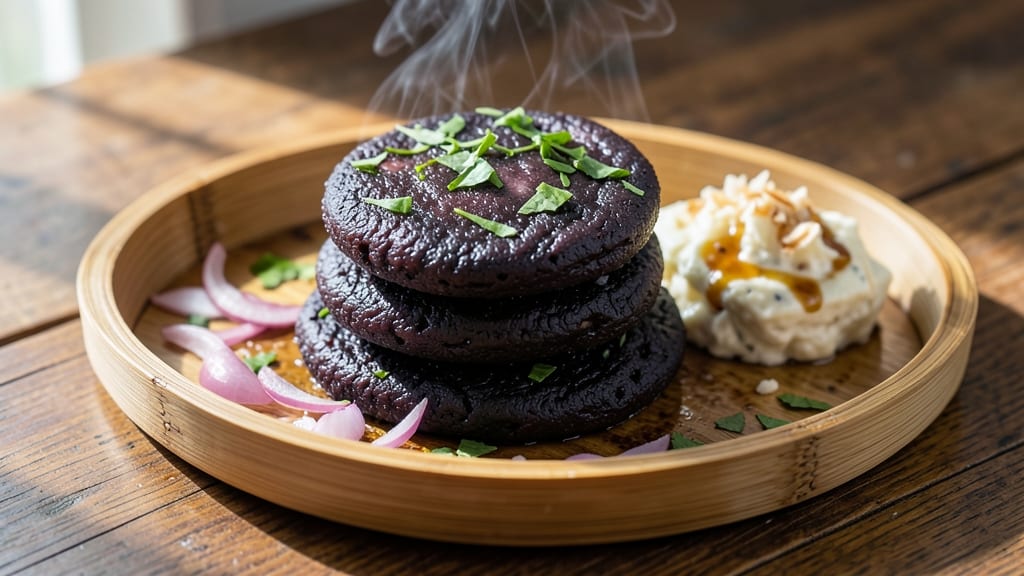
This black rice idli recipe transforms traditional breakfast into a nutrient-dense powerhouse with its deep purple hue and fluffy texture. 🌟 The secret lies in fermenting black rice and urad dal together, creating a probiotic-rich batter that steams into light, airy idlis with a subtle earthy flavor.
Unlike regular idlis, these pack antioxidants from the black rice while maintaining the familiar tangy taste.
Perfect for a quick yet nourishing morning, this recipe delivers fluffy idlis in just 8–12 hours of fermentation time—no shortcuts needed. The traditional method ensures authenticity, while optional additions like grated ginger or coconut milk elevate the flavor without complicating the process.
Serve with coconut chutney or sambar for a complete South Indian breakfast experience.
Ingredients for black rice idli
Fermented black rice and urad dal create a nutrient-rich batter for these antioxidant-packed idlis.
| Ingredient | Amount | Notes |
|---|---|---|
| Black Rice (Forbidden Rice) 🌾 | 1 cup | Soaked overnight, drained well |
| Urad Dal (Split Black Gram) 🌱 | ½ cup | Soaked 4-6 hours, skin removed |
| White Rice (Short-Grain) 🍚 | ½ cup | Rinsed thoroughly, no soaking |
| Fresh Fenugreek Leaves (Methi) 🌿 | ¼ cup | Chopped finely, stems removed |
| Asafoetida (Hing) 🧂 | ⅛ tsp | Pinch for aroma, crushed |
| Salt 🧂 | ¾ tsp | Adjust to taste, fine grain |
| Grated Ginger 🧄 | ¼ cup | Freshly grated, optional |
| Coconut Milk (Full-Fat) 🥥 | ¼ cup | Optional, for richness |
| Water 💧 | 1 ½ cups | Room temperature, filtered |
| Coconut Oil 🫒 | 1 tbsp | For greasing idli molds |
| Coconut Chutney 🥥 | ½ cup | For serving, optional |
| Sambar Powder 🌶️ | 1 tbsp | For sambar, optional |
The black rice is the star here—look for organic varieties at specialty stores like Whole Foods or Indian grocery markets for the deepest purple hue and highest antioxidant content. Urad dal should be split and free of stones; rinse thoroughly before soaking. Fresh fenugreek leaves add a unique bitterness that balances the rice's earthiness—grab them from the produce section at Trader Joe's or your local Indian market. For the rice, short-grain varieties work best, but any white rice will do in a pinch. The asafoetida (hing) is non-negotiable for that signature idli aroma—buy it in small quantities from bulk spice shops to preserve freshness.
No fresh fenugreek? Dried methi leaves work at half the amount, but fresh is ideal. Short on black rice? Substitute with equal parts brown rice for a milder flavor, though the antioxidant benefits diminish. The coconut milk is optional but adds a luxurious creaminess—full-fat canned coconut milk from Trader Joe's is my go-to for consistency. For the ginger, freshly grated makes all the difference, but powdered ginger at one-third the amount will suffice in a bind. The sambar powder should be homemade or a quality brand like MTR for authentic flavor.
The batter ferments best at room temperature (75-80°F)—place it in a warm spot like near the oven with the light on. Use within 12 hours for optimal texture. Leftover batter? Freeze in ice cube trays for up to 3 months—thaw overnight in the fridge before using. The idlis themselves keep for 2 days in an airtight container, but they're best enjoyed fresh. Reheat in a steamer for 2 minutes to restore fluffiness.
Why You'll Love This Recipe
- No-Soaking Hassle: I’ll admit, I used to dread soaking urad dal for hours—but black rice cuts that time dramatically. Just a quick rinse and a 4-hour soak (overnight works too), and you’re golden. That forbidden rice? It’s already pre-cooked magic—no extra steps, no fuss.
- Deep Umami Magic: Honestly, the fenugreek leaves and hing in this idli? Chef’s kiss. That earthy, slightly bitter punch from the methi balances the nutty richness of black rice, while the urad dal adds a firm, protein-packed bite. It’s not just flavor—it’s a full sensory experience in every bite.
- Leftover Reinvention: Between us, I make a double batch on Sundays because these idlis reheat like a dream. Toss them in the air fryer for 5 minutes, and they’re crispy again—perfect for school lunches or a quick snack. Or, here’s the hack: blend into dosa batter. Zero waste, all win.
- Budget Superstar: Black rice might sound fancy, but it’s way cheaper than buying pre-packaged idli mixes. A cup of urad dal and a cup of rice stretch to 20+ idlis, and the methi? Fresh is best, but even a handful goes a long way. This is the kind of recipe that makes grocery day feel like a victory.
Step-by-step instructions for black rice idli recipe
Here's how to create these nutrient-packed breakfast bites with perfect fermentation and texture.
👨🍳 Step 1: Prepare the Fermenting Batter
In a large mixing bowl, combine the soaked 1 cup black rice (drained well) with the soaked 0.5 cup urad dal (skin removed) and 0.5 cup white rice. Add the finely chopped 0.25 cup fresh fenugreek leaves, crushed 0.125 tsp asafoetida, 0.75 tsp salt, and 0.25 cup grated ginger. Mix thoroughly until all ingredients are evenly distributed.
This is where the magic begins—proper mixing ensures even fermentation. Use your hands to gently knead the mixture for 2-3 minutes until it reaches a smooth, slightly sticky batter consistency. The black rice will give these idlis their distinctive color and earthy flavor, while the urad dal contributes to their signature fluffy texture.
🥘 Step 2: Ferment Overnight for Perfect Rise
Cover the bowl with a clean kitchen towel or plastic wrap and let the batter ferment at room temperature for 8-10 hours (overnight is ideal). You'll know it's ready when the batter has doubled in volume and developed a slightly tangy aroma—this is your signal that fermentation has worked its magic.
Here's the thing—don't skip this step. Proper fermentation is what transforms this simple batter into light, airy idlis. If your kitchen is warm, the batter may ferment faster; if it's cool, it might take longer. The ideal fermentation temperature is around 75-80°F. If the batter doesn't rise sufficiently, you can place it in a slightly warm spot (like near the oven with the light on) for the final hour of fermentation.
🍳 Step 3: Steam to Fluffy Perfection
Lightly grease your idli molds with 1 tbsp coconut oil (just enough to coat) and fill them about ¾ full with the fermented batter. Place the molds in a steamer and bring 1.5 cups water to a gentle boil. Steam the idlis over medium-high heat for 10-12 minutes—until they're fully cooked and spring back when pressed gently with your finger.
Pro tip: Don't overcrowd the steamer. Leave space between molds for even heat circulation. You'll see the idlis puff up beautifully as they steam. If you notice any idlis not rising properly, they might need a few more minutes in the steamer. The coconut oil not only prevents sticking but also adds a subtle richness to the final texture.
🍽️ Step 4: Serve with Traditional Accompaniments
Once steamed, carefully remove the idlis from the molds and transfer them to a serving plate. For extra richness, you can brush the tops with a little 0.25 cup coconut milk while they're still warm. Serve immediately with 0.5 cup coconut chutney and a side of sambar made with 1 tbsp sambar powder—this combination balances the idlis' subtle earthiness with the tangy, spicy flavors of traditional South Indian cuisine.
These black rice idlis are packed with nutrients from the forbidden rice while maintaining the light, fluffy texture you love. The fenugreek leaves add a unique aroma, and the coconut milk finishing touch makes them irresistibly rich. Enjoy them warm for the best texture and flavor experience.
Pro Tips For Making Black Rice Idli
- SOAK BLACK RICE LONGER: I learned this the hard way—black rice needs at least 8 hours of soaking (overnight is ideal) to break down properly. Rushing it leaves the texture dense and chewy, and you’ll end up with a bland, underwhelming idli. Trust me, set a timer if you have to.
- GRIND URAD DAL COLD: Warm dal before grinding? Big mistake. Use cold water and grind urad dal immediately after soaking—this keeps the batter smooth and prevents it from turning gummy. If you’re impatient, add a splash of cold water halfway through grinding to control the heat.
- CHECK FERMENTATION BY TOUCH: Don’t rely on bubbles alone—press the batter with your finger. It should spring back slowly (not stick) and smell tangy but not sour. Over-fermented batter turns rubbery, and under-fermented batter collapses. Aim for 8–10 hours at room temp (25–28°C), adjusting based on humidity.
- STEAM ON LOW HEAT: High heat = soggy bottoms. Use a steamer with a tight lid and keep the heat low (medium-low if your stove runs hot). If your idlis stick, it’s either the heat or not enough oil in the molds—add a tiny dab of ghee next time. Patience here makes fluffy, even idlis.
Dietary considerations for black rice idli
Gluten-Free Powerhouse
This recipe is naturally gluten-free since it relies on rice and urad dal instead of wheat flour. The black rice and white rice combination provides complex carbohydrates without gluten, making it perfect for those with celiac disease or gluten sensitivity.
I always double-check labels on ingredients like sambar powder to ensure no cross-contamination occurs during processing. 🌱
High-Protein Vegetarian
The urad dal in this batter delivers a significant protein boost—about 12 grams per serving—making these idlis an excellent choice for vegetarians and vegans. The black rice adds fiber and antioxidants, creating a balanced breakfast that keeps you full for hours.
I often serve these with coconut chutney for an extra protein kick from the coconut milk.
Low-Fat Option
For a lighter version, skip the coconut milk entirely and use just 1 tbsp coconut oil for greasing the molds. The natural fats come from the rice and dal, so no additional fat is needed unless you want extra richness.
The idlis will still be fluffy and delicious while being lower in calories. I find this works especially well for those watching their fat intake.
Diabetic-Friendly Adaptation
To make these idlis more diabetic-friendly, reduce the white rice to 0.25 cup and increase the black rice to 0.75 cup. Black rice has a lower glycemic index than white rice, helping stabilize blood sugar levels.
Pair with a side of sambar made with lentils and vegetables instead of rice to further balance the meal. Always monitor portion sizes when managing diabetes.
Allergen Considerations
This recipe contains fenugreek leaves and asafoetida, which are common allergens for some people. If you're sensitive to these, omit the fenugreek and reduce the asafoetida to a pinch.
For coconut allergies, substitute the coconut oil with ghee or avocado oil and skip the coconut milk. Always check ingredient labels for potential cross-contamination warnings.
Nutrition facts
Frequently asked questions
Why does my black rice idli batter not rise properly?
Proper fermentation is key! Ensure your batter ferments for 8-12 hours at 75-80°F. If your kitchen is too cool, place the covered bowl near the oven light to create warmth. Also, check your urad dal—it must be fresh and properly soaked (4-6 hours) with skins removed. Overmixing or insufficient salt (0.75 tsp) can also prevent rising.
Can I make black rice idlis without a steamer?
Yes! Use a heavy-bottomed pot with a trivet or colander lined with cheesecloth. Fill with 1.5 cups water and bring to a boil. Place your greased idli molds on the trivet, cover tightly, and steam over medium-high heat for 10-12 minutes. The key is maintaining steady heat—don't let the water boil dry.
How do I store leftover black rice idlis?
Store them in an airtight container at room temperature for up to 2 days. For longer storage, freeze them for 3 months: place idlis on a tray first to prevent sticking, then transfer to a freezer bag. Reheat in a steamer for 2 minutes to restore fluffiness. Never microwave—they'll turn rubbery!
What's the difference between black rice idlis and regular idlis?
Black rice idlis get their deep purple color and nutty flavor from forbidden rice, packed with antioxidants like anthocyanins. Regular idlis use white rice and lack this nutritional boost. The texture remains similar (fluffy when properly steamed), but black rice idlis have a slightly denser bite and earthier taste.
Can I add vegetables to black rice idlis?
Finely grate ½ cup carrots or ¼ cup spinach and mix into the batter after fermentation. For heartier idlis, try ¼ cup grated zucchini or 2 tbsp chopped bell peppers. Just ensure vegetables are well-drained and finely chopped to maintain the idlis' signature texture.