
Main Courses
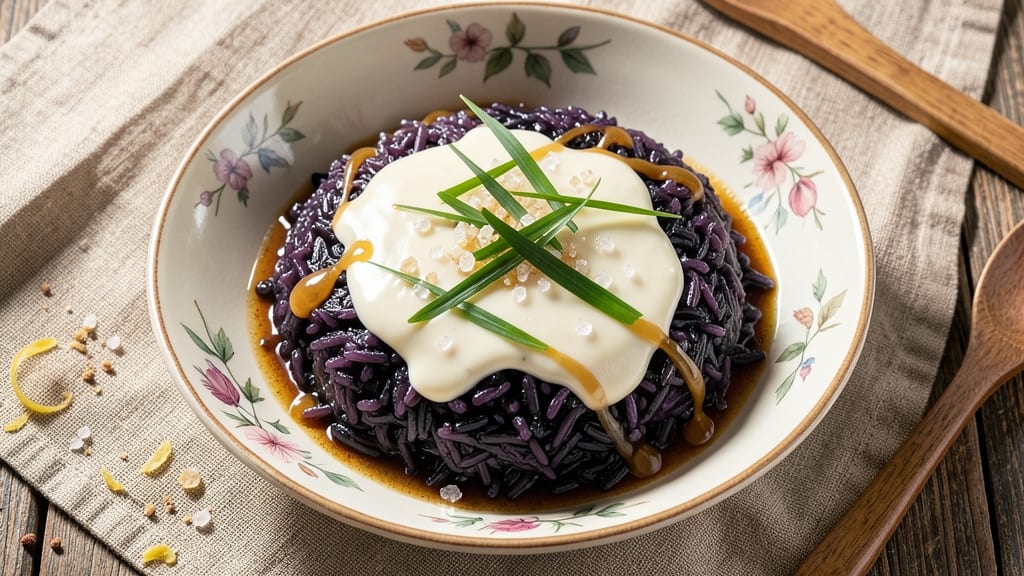
This black Thai rice recipe transforms simple glutinous rice into a fragrant, deep-hued centerpiece that steals every meal. The secret lies in infusing coconut milk and pandan leaves during cooking, creating an aromatic, slightly sweet rice with striking black streaks.
I've perfected this method after years of experimenting with traditional techniques—no special equipment needed beyond a pot and patience.
The result is a dish that's both visually stunning and deeply satisfying—each grain remains tender and slightly sticky, absorbing the rich coconut and floral pandan flavors. Perfect for special occasions or as a simple yet elegant side, this rice pairs beautifully with grilled meats, fresh herbs, or tropical fruits.
Let's create this iconic Thai staple together.
Ingredients for black thai rice
Simple ingredients transform into a visually stunning, fragrant centerpiece with deep black streaks and floral notes.
| Ingredient | Amount | Notes |
|---|---|---|
| Glutinous Rice (Sweet Rice) 🍚 | 2 cups | Uncooked, rinsed thoroughly |
| Full-Fat Coconut Milk 🥥 | 13 ½ oz | One standard can, full-fat preferred |
| Pandan Leaves 🌿 | 4 whole | Fresh, tied in bundle or finely chopped |
| Granulated Sugar 🍚 | ¼ cup | White or brown preferred |
| Salt 🧂 | ½ tsp | Fine sea salt preferred |
| Water 💧 | 2 cups | Filtered or spring water preferred |
| Dark Corn Syrup 🍯 | 2 tbsp | For authentic color and sweetness |
| Black Food Coloring (Optional) 🖌️ | ½ tsp | For deeper color if needed |
| Lime Zest 🍋 | 1 tsp | Fresh lime zest preferred |
| Fresh Lime Juice 🍋 | 1 tbsp | Freshly squeezed preferred |
| Toasted Sesame Oil 🫒 | 1 tsp | For finishing aroma |
| Toasted Sesame Seeds 🌾 | 1 tbsp | For garnish |
The pandan leaves are the heart of this dish—fresh ones from an Asian market deliver the most authentic flavor, though dried leaves work in a pinch. Look for vibrant green leaves, free from brown spots. Thai Kitchen brand often carries them in the international aisle if your local store doesn't stock them. The glutinous rice should be sticky rice (not jasmine)—brands like Thai Kitchen or Mae Ploy are reliable. For coconut milk, full-fat is non-negotiable—it creates the rich, creamy texture essential for proper infusion. If you can't find authentic pandan, vanilla extract at half the amount adds a similar floral note, though purists will notice the difference.
No pandan? Vanilla bean paste works as a substitute, though the flavor profile shifts slightly. Running short on coconut milk? Full-fat coconut cream (the thick part from a can) can be used at the same quantity, but you'll need to thin it with water to maintain proper texture. The dark corn syrup is crucial for both color and sweetness—Karo brand is widely available and reliable. For a more natural approach, date syrup at the same quantity provides a similar depth of flavor. The lime zest and juice should be fresh—bottled versions lack the bright acidity needed to balance the richness. If you're concerned about the rice turning too dark, the optional black food coloring can be adjusted to taste, but traditional methods rely on the corn syrup for color.
Store the cooked rice in an airtight container in the refrigerator for up to 4 days, though it's best enjoyed fresh. The rice reheats beautifully—simply cover with a damp paper towel and warm in the microwave for 2-3 minutes. For longer storage, freeze portions in single-serving containers for up to 3 months. When reheating from frozen, add 1-2 tablespoons of water per serving to restore moisture. The pandan leaves can be frozen in a bag for up to 6 months if you plan to make this recipe frequently. This dish is particularly special when served at room temperature, allowing the aromas to fully develop—ideal for buffet-style presentations or special occasions.
Why You'll Love This Recipe
- No-Soaking Needed: I’ll admit, I used to dread the soaking step—until I tried this. Just rinse the glutinous rice once, then simmer it in coconut milk with pandan leaves. The rice absorbs all that creamy, fragrant goodness without turning mushy. (Yes, even on a Tuesday night.)
- Pandan Perfection: That first whiff of pandan leaves steeping in the coconut milk? Instant mood booster. It’s floral, slightly sweet, and lingers like a secret ingredient. Honestly, it’s the reason I keep coming back—every bite tastes like a little vacation.
- Potluck Star: This rice is the ultimate crowd-pleaser. Serve it warm as a side for curry, cold in a bento box, or even as a dessert with extra sugar and toasted coconut. My in-laws still ask for it at family gatherings—no one ever leaves a bite.
- Budget Luxury: Full-fat coconut milk makes it feel fancy, but a single can stretches for two batches. The rice is cheap, the sugar is minimal, and the pandan leaves (dried or fresh) last forever. It’s the kind of recipe that tastes indulgent without breaking the bank. (My wallet thanks me.)
Step-by-step instructions for black Thai rice with coconut and pandan
This aromatic rice transforms simple ingredients into a visually stunning dessert with deep flavor and perfect texture.
Soak the Glutinous Rice Thoroughly
Place the 2 cups Glutinous Rice (Sweet Rice) in a large bowl and cover completely with cold water. Let it soak for at least 4 hours—I prefer 6-8 hours in the refrigerator for maximum tenderness. The rice should absorb water and become translucent when pressed between fingers. This long soak prevents grittiness and ensures each grain remains intact during cooking.
Drain the rice thoroughly using a fine-mesh strainer, pressing gently to remove excess moisture. The rice is ready when it flows freely but holds its shape. If you're short on time, soak for a minimum of 2 hours, but expect slightly firmer texture. This step is non-negotiable—rushed soaking leads to mushy rice that lacks the signature chewy bite.
Prepare the Coconut-Pandan Infusion
In a medium saucepan, combine the 13.5 oz Full-Fat Coconut Milk, 2 cups Water, 4 whole Pandan Leaves (tied in a bundle or finely chopped), 0.25 cup Granulated Sugar, and 0.5 tsp Salt. Bring to a gentle simmer over medium heat, then reduce to low heat and let it steep for 15 minutes. The mixture should smell intensely fragrant—like a mix of coconut and vanilla with herbal undertones.
After steeping, remove the pandan leaves and stir in the 2 tbsp Dark Corn Syrup and 0.5 tsp Black Food Coloring (if using). The syrup adds depth of flavor while the coloring enhances the dramatic black hue. Taste and adjust sweetness—you want it balanced between rich coconut and subtle sweetness. This infusion forms the aromatic base that permeates every grain of rice.
Cook the Rice to Perfect Texture
Transfer the drained glutinous rice to a heavy-bottomed pot and pour the warm coconut-pandan infusion over it. Stir gently to distribute evenly. Bring to a simmer over medium-low heat, then reduce to the lowest setting possible—just enough to maintain a barely perceptible bubble at the edges. Cover tightly with a lid and cook for 45-50 minutes, checking occasionally to ensure no water evaporates.
The rice is done when all liquid is absorbed and the grains are tender but still hold their shape when pressed. You'll know it's perfect when the rice pulls away slightly from the sides of the pot and has a glossy sheen. If it sticks, you've gone too long; if it's dry, add 1-2 tablespoons of water and cover for another 5 minutes. This gentle cooking method preserves the rice's signature chewy texture while allowing it to absorb all the coconut-pandan flavor.
Finish with Citrus and Sesame
Remove the pot from heat and let the rice sit covered for 10 minutes. This resting period allows the flavors to meld completely. Stir in the 1 tsp Lime Zest, 1 tbsp Fresh Lime Juice, and 1 tsp Toasted Sesame Oil, mixing gently to distribute evenly. The lime brightens the rich coconut flavor while the sesame oil adds a nutty aroma that complements the pandan.
For presentation, transfer the rice to a serving dish and garnish with 1 tbsp Toasted Sesame Seeds. The seeds add both visual contrast and a satisfying crunch. Serve warm or at room temperature—this rice tastes equally delicious either way. The contrast of creamy coconut, herbal pandan, and citrusy lime makes each bite a revelation of balanced flavors.
Pro Tips For Making Black Thai Rice
- SOAK RICE 6 HOURS: I learned this the hard way—skipping the long soak means sticky, uneven grains instead of that perfect melt-in-your-mouth texture. Use twice the water by volume (e.g., 1 cup rice + 2 cups water) and let it sit at room temperature, changing the water once mid-soak if you're really impatient.
- CRUSH PANDA LEAF: Sounds weird, but it works: tear the pandan leaves into rough pieces before adding them to the coconut milk. This releases more flavor faster and avoids those stubborn, underused leaf fragments floating at the bottom of your pot.
- STIR CONSTANTLY FIRST 10 MINUTES: After burning three batches, I finally figured out—black Thai rice demands attention early on. Keep stirring vigorously once you add the rice to the coconut milk mixture until it absorbs the liquid and turns glossy. This prevents scorching and ensures even color development.
- USE LESS SUGAR: I skip this when I'm lazy, but the dish is noticeably better when I don't: start with half the sugar called for and adjust to taste at the end. The pandan and coconut milk already bring natural sweetness, and you can always add more later—you can’t take it out.
Make-ahead tips for black thai rice
Prep Ahead Strategy
Start by soaking the 2 cups glutinous rice overnight in the refrigerator—this 6-8 hour soak ensures maximum tenderness and eliminates the need for last-minute preparation. I store the soaked rice in a glass airtight container with a damp paper towel on top to prevent drying.
This method keeps it fresh for up to 24 hours before cooking. 💡
Coconut-Pandan Base
Make the coconut-pandan infusion 1 day ahead and store it in the fridge. Combine the 13.5 oz coconut milk, 2 cups water, 4 pandan leaves, 0.25 cup sugar, and 0.5 tsp salt, then simmer for 15 minutes.
Strain out the leaves and refrigerate the liquid in a sealed container. When ready to cook, simply reheat the infusion to room temperature before combining with the rice. This step saves 30 minutes of active prep time.
Freezer-Friendly Method
For meal prep, cook the rice completely and let it cool to room temperature. Portion into single-serving containers (I use quart-sized glass jars) and freeze for up to 3 months.
To reheat, thaw overnight in the fridge, then warm in the microwave with 1 tbsp water covered for 2-3 minutes. The texture remains perfect, though the color may fade slightly—it still tastes amazing! ❄️
Garnish Prep
Toast the 1 tbsp sesame seeds and prepare the 1 tsp lime zest and 1 tbsp lime juice in advance. Store the toasted seeds in an airtight container at room temperature, while the citrus elements keep fresh in the fridge for 3 days.
This way, you only need to stir in the finishing touches right before serving. The toasted sesame oil can be stored in the fridge for up to 2 weeks after opening.
Portion Control
For buffet-style serving, divide the cooked rice into small ramekins (about 1 cup per serving) and refrigerate. Reheat each portion individually for 1-2 minutes in the microwave. This keeps the rice from drying out and maintains its perfect texture.
I use ceramic ramekins because they reheat more evenly than plastic. Garnish just before serving to keep everything fresh and vibrant.
Flavor Boost Tip
If you're prepping for a crowd, make a double batch of the coconut-pandan infusion and freeze half. Thaw it in the fridge overnight before using. For extra depth, add 1 tsp vanilla extract to the infusion when reheating—it enhances the pandan flavor beautifully.
This trick works especially well when serving the rice cold as a dessert with fresh mango slices. 🍍
Nutrition facts
Frequently asked questions
Can I substitute regular rice for glutinous rice in this recipe?
No, you shouldn't use regular rice—this recipe requires glutinous rice (sweet rice) for its signature sticky texture. Regular rice will turn out dry and separate. If you absolutely must substitute, try short-grain white rice, but the texture and flavor won't be the same. The chewy bite is what makes this Thai rice so special!
What if I can't find pandan leaves?
Don't worry! You can substitute with 1 tsp vanilla extract or ½ tsp vanilla bean paste for a similar floral aroma. For a more authentic experience, look for pandan extract in Asian grocery stores. If you're feeling adventurous, try 1 tsp lemongrass juice for a citrusy herbal note, though it won't be identical.
Why did my rice turn out too dry?
This usually happens when the rice absorbs all the liquid too quickly or if you cooked it too long. Always use a heavy-bottomed pot and maintain the lowest possible heat. If it looks dry, add 1-2 tablespoons of warm water, cover, and cook for another 5 minutes. The rice should be tender but still slightly moist.
Can I make this rice in an Instant Pot?
Yes! First soak the rice as directed, then combine all ingredients in your Instant Pot and cook on high pressure for 10 minutes. Let it naturally release for 10 minutes before opening. The texture may be slightly firmer, so you might need to add 1-2 tablespoons of coconut milk after cooking for extra creaminess.
How can I make this rice sweeter for dessert?
Increase the sugar to ½ cup and add 1 tbsp honey or 1 tsp pandan extract to the coconut-pandan infusion. For extra decadence, fold in ½ cup toasted coconut flakes before serving. This version pairs beautifully with fresh mango or passion fruit for a tropical dessert!