
Main Courses
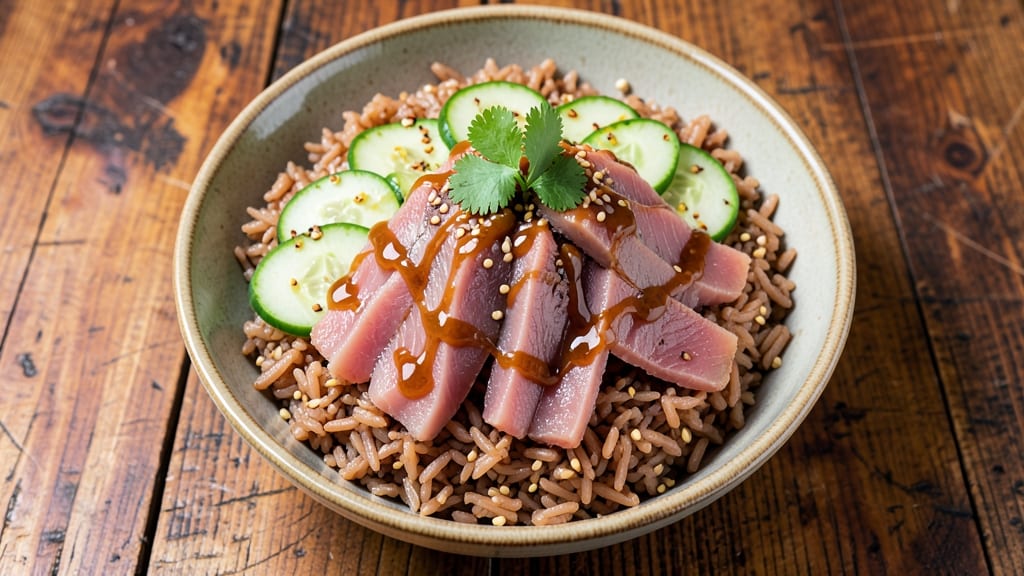
This brown rice poke bowl recipe delivers the perfect balance of chewy rice, fresh toppings, and umami-packed flavors in every bite. The secret lies in perfectly cooked brown rice that stays firm yet tender, paired with marinated raw fish and a medley of crunchy, vibrant toppings.
I’ve refined this recipe over countless bowls to ensure each component shines without overpowering the others.
What sets this bowl apart is the crunchy texture contrast—think toasted sesame seeds, crisp cucumber, and creamy avocado—all anchored by a tangy soy-ginger dressing. The umami comes from a blend of furikake, pickled ginger, and a touch of spicy mayo, elevating the dish from simple to restaurant-worthy.
Ready in under 30 minutes, it’s ideal for a light yet satisfying lunch or dinner.
Ingredients for brown rice poke bowl
Chewy brown rice, marinated ahi tuna, and vibrant toppings create this restaurant-worthy poke bowl.
| Ingredient | Amount | Notes |
|---|---|---|
| Short-Grain Brown Rice 🍚 | 1 cup | Uncooked, rinsed thoroughly |
| Sushi-Grade Ahi Tuna 🐟 | 1 lb | Freshly cut into 1-inch cubes |
| Extra-Virgin Olive Oil 🫒 | 2 tbsp | For marinating fish |
| Soy Sauce 🥫 | ¼ cup | Low-sodium preferred |
| Rice Vinegar 🍶 | 1 tbsp | Seasoned preferred |
| Sesame Oil 🌿 | 1 tsp | Toasted for aroma |
| Fresh Cucumber 🥒 | 1 whole | Seeded, thinly sliced |
| Avocado 🥑 | 1 whole | Ripe, sliced into wedges |
| Edamame 🌱 | ½ cup | Shelled, steamed |
| Pickled Ginger 🍵 | ¼ cup | Thinly sliced |
| Spicy Mayo 🍯 | ¼ cup | Store-bought or homemade |
| Toasted Sesame Seeds 🌰 | 2 tbsp | For garnish |
| Furikake Seasoning 🌶️ | 2 tbsp | For umami depth |
| Fresh Cilantro 🌿 | ¼ cup | Chopped, for garnish |
| Lime Wedges 🍋 | 2 whole | For serving |
The ahi tuna must be sushi-grade for safety and texture—local fish markets or high-end grocery stores like Whole Foods carry the best cuts. Look for bright red, firm flesh with no fishy odor. If you can't find ahi, salmon or yellowtail work well too. For the brown rice, jasmine or short-grain varieties are ideal—they stay chewy and hold up to toppings. Rinse it well before cooking to remove excess starch, which prevents clumping. The furikake seasoning is key for that umami punch; brands like Marukome or Kikkoman are widely available and deliver consistent flavor.
No fresh ginger? Substitute with 1 tsp ground ginger plus 1 tsp sugar to mimic the pickled flavor. Swapping ahi for cooked shrimp? Marinate in soy sauce, rice vinegar, and a dash of sesame oil for 10 minutes before assembling. Avocado too soft? Squeeze lemon juice over slices to prevent browning. The spicy mayo can be made ahead—mix mayonnaise with sriracha or gochujang to taste. For extra crunch, toast the sesame seeds in a dry pan over medium heat for 1-2 minutes until fragrant, then cool before using. If you're short on time, pre-cut veggies from the salad bar section at Trader Joe's save steps without sacrificing freshness.
Assemble bowls just before serving to keep toppings crisp. Store cooked rice in an airtight container in the fridge for up to 4 days, though texture softens slightly after day 2. The marinated tuna should be eaten within 12 hours for peak freshness—keep it chilled until ready to serve. For meal prep, portion toppings separately in small containers and assemble when ready to eat. The dressing (soy-vinegar-sesame mix) keeps for 5 days refrigerated, but the spicy mayo should be used within 3 days for best texture. Freeze furikake in an airtight container for up to 6 months to preserve its flavor.
Why You'll Love This Recipe
- No Chopping Needed: I swear by this when I’m too tired to dice anything. Tuna’s pre-cut into cubes, rice cooks in one pot, and the dressing is just a quick whisk of soy and vinegar—no knife skills required. Honestly, my lazy Sundays thank me.
- Umami Bomb: That first bite of seared ahi with the nutty brown rice? It’s a flavor explosion. The olive oil keeps the tuna rich without overpowering, while the soy-vinegar glaze adds just enough tang to make it dangerously addictive.
- Lunchbox Hero: Between us, this is my go-to for meal prep. The rice stays firm for days, the tuna keeps its texture, and I just pack the toppings separately. Perfect for my 9-to-5—no sad desk lunches here.
- Budget-Friendly Luxe: Sure, sushi-grade tuna’s an investment, but a little goes a long way. Stretch it with extra rice, cucumber, or avocado, and you’ve got a restaurant-worthy bowl without the price tag. (Yes, even on a Tuesday night.)
Step-by-step instructions for brown rice poke bowl assembly
This method delivers perfectly balanced texture and flavor in every bite.
Cook the Short-Grain Brown Rice to Ideal Texture
Rinse the 1 cup short-grain brown rice thoroughly under cold water until the water runs clear. This removes excess starch that would make the rice gummy. Combine the rinsed rice with 2 cups water in a medium saucepan and bring to a boil over high heat. Once boiling, immediately reduce heat to low and cover tightly with a lid.
Simmer for 40-45 minutes until the rice absorbs all the liquid and develops a creamy, slightly chewy texture. You'll know it's done when a knife slides in easily and the grains hold their shape but still have a bit of bite. Avoid lifting the lid during cooking—steam escape causes uneven cooking. Once done, fluff the rice gently with a fork and let it sit covered for 5 minutes to redistribute steam evenly.
Marinate and Prepare the Sushi-Grade Ahi Tuna
Cut the 1 lb sushi-grade ahi tuna into 1-inch cubes using a sharp chef's knife. Transfer the cubes to a medium bowl and add the 2 tbsp extra-virgin olive oil, 0.25 cup soy sauce, 1 tbsp rice vinegar, and 1 tsp sesame oil. Using clean hands, gently toss the tuna cubes until they're evenly coated in the marinade.
Cover the bowl and refrigerate for 15-20 minutes while you prepare the remaining components. This brief marinating time enhances flavor without overpowering the delicate tuna texture. Don't skip this step—it creates that signature umami-packed balance. The tuna should develop a subtle sheen from the marinade but remain firm to the touch.
Prepare All Toppings and Components
Slice the 1 whole fresh cucumber lengthwise, remove seeds with a spoon, then cut into thin half-moons. Arrange on paper towels and sprinkle lightly with salt—let sit for 5 minutes to draw out excess moisture, then pat dry. Slice the 1 whole avocado into wedges and keep them separate until ready to assemble. Steam the 0.5 cup edamame in boiling water for 2-3 minutes until tender, then drain and rinse with cold water to stop cooking.
Thinly slice the 0.25 cup pickled ginger into matchsticks for that signature bright pink color and slight heat. Chop the 0.25 cup fresh cilantro finely and set aside. All toppings should be prepped and ready before assembling bowls to maintain freshness and texture contrast.
Assemble the Poke Bowls with Strategic Layering
Divide the cooked short-grain brown rice evenly among 4 bowls, mounding it slightly in the center to create space for toppings. Add the marinated ahi tuna cubes to each bowl, distributing them evenly. Drizzle each serving with 1 tablespoon of the reserved marinade from the tuna bowl for extra flavor.
Layer the toppings strategically: start with the edamame and cucumber slices to add crunch and freshness, then add the avocado wedges for creamy contrast. Sprinkle each bowl with 1 tablespoon furikake seasoning and 1 tablespoon toasted sesame seeds for umami depth and nutty texture. Finally, add the pickled ginger and cilantro, reserving some for garnish.
Finish with Spicy Mayo and Lime for Brightness
Drizzle each bowl with 1 tablespoon spicy mayo, allowing it to pool slightly in the center. The heat from the mayo should complement the cool avocado and crisp cucumber. Finish with the 2 whole lime wedges on the side—each diner should squeeze fresh lime over their bowl just before eating to awaken all the flavors.
Serve immediately while all components maintain their ideal texture contrast. The bowl should present a visually appealing balance of colors and textures, with each bite delivering the perfect harmony of chewy rice, tender tuna, crisp vegetables, and creamy avocado. The furikake and sesame seeds should add satisfying crunch with every mouthful.
Pro Tips For Making Brown Rice Poke Bowl
- Rinse the Rice Twice: I used to skip this step, thinking extra rinsing would waste time, but brown rice sticks together like glue if you don’t. Swirl it in a fine-mesh strainer under cold water for 30 seconds—repeat until the water runs clear. This removes excess starch so your rice stays fluffy and separate, not gummy.
- Slice Tuna Thinly: If your knife skills are rusty, freeze the tuna for 15 minutes first—it gets firmer and easier to slice. Aim for ¼-inch thick strips; anything thicker will feel chewy, and anything thinner will disappear into the bowl. A sharp chef’s knife (or a sushi knife if you have one) makes this a breeze.
- Marinate Tuna Fast: Skip the long marinating—ahi tuna cooks in seconds. Toss the slices with 1 tablespoon soy sauce, ½ tablespoon rice vinegar, and a drizzle of olive oil right before cooking. Let it sit for just 2-3 minutes while you heat the pan; over-marinating makes the fish mushy.
- Cook Rice 1:1.5 Ratio: Brown rice absorbs way more water than white rice—use 1.5 cups liquid per cup of rice, not the 1:1 ratio you might see elsewhere. If you’re short on time, soak it for 30 minutes first, then simmer uncovered for 40 minutes. The lid goes on after it’s done, or you’ll end up with a steamed brick.
Best sauces and condiments for brown rice poke bowl
Classic Soy-Ginger Dressing
The foundation of any great poke bowl is this simple yet flavorful dressing. Whisk together 3 tbsp soy sauce, 1 tbsp rice vinegar, 1 tsp sesame oil, 1 tsp grated fresh ginger, and ½ tsp honey.
This balance of salty, tangy, and slightly sweet creates the perfect base for your bowl. I like to make a double batch—it keeps in the fridge for 5 days and elevates other dishes like noodles or grilled fish. 🍶
Spicy Mayo Variations
Store-bought spicy mayo works in a pinch, but homemade takes this to the next level. Mix ½ cup mayonnaise with 1 tbsp sriracha and 1 tsp gochujang for depth. For a smoky kick, add ½ tsp smoked paprika.
I also love a mango-habanero twist—blend ¼ cup mango chutney with ¼ cup mayo and 1 tsp habanero paste. Always taste as you go—adjust heat to your preference. 🌶️
Umami Boosters
Furikake is a game-changer, but you can create your own umami blend. Toast 1 tbsp sesame seeds, 1 tsp nori flakes, and ½ tsp bonito flakes in a dry pan for 1 minute until fragrant. Mix with ½ tsp soy sauce and ¼ tsp garlic powder.
Sprinkle generously over your bowl—it adds a savory depth that makes every bite sing. For extra richness, drizzle with 1 tsp fish sauce before serving. 🌟
Pickled Veggie Additions
Pickled ginger is classic, but don’t stop there. Quick-pickle ½ cup shredded carrots in ¼ cup rice vinegar, 1 tbsp sugar, and ½ tsp salt for 15 minutes—the bright crunch contrasts beautifully.
For heat lovers, try pickled jalapeños in apple cider vinegar with 1 tsp chili powder. These add tangy freshness that cuts through the richness of the tuna. 🥒
Creamy Drizzles
Avocado is your creamy base, but why not add a drizzle? Whisk 2 tbsp Greek yogurt with 1 tsp lemon juice and ½ tsp honey for a tangy sauce. Or blend ¼ cup silken tofu with 1 tsp soy sauce and ½ tsp garlic powder for a vegan option.
I love swirling these on top just before serving—they add a luxurious texture without overpowering. 🥑
Sweet and Tangy Finishes
Balance the richness with a sweet-tangy element. Drizzle with 1 tsp sesame glaze (mix 1 tbsp soy sauce with 1 tsp honey and ½ tsp sesame oil, then simmer for 2 minutes) or a yuzu kosho paste (if available).
For a fruity twist, add thinly sliced mango or a sprinkle of toasted coconut flakes. These finishes elevate the bowl from simple to extraordinary. 🍯
Nutrition facts
Frequently asked questions
Can I substitute white rice for brown rice in this recipe?
While you can use white rice, it won't provide the same chewy texture or nutritional benefits. Brown rice stays slightly firmer and has a nuttier flavor that pairs perfectly with the umami-rich toppings. If you must use white rice, cook it for 15 minutes less than the package instructions to keep it slightly undercooked for better texture contrast.
What if I don't have sushi-grade fish? Can I use cooked protein?
Swap the raw ahi tuna for cooked proteins like shrimp, grilled salmon, or tofu. For shrimp, marinate in 1 tbsp soy sauce, 1 tsp sesame oil, and ½ tsp grated ginger for 10 minutes before assembling. For tofu, press and cube it, then pan-fry until crispy. The key is maintaining that protein-to-rice ratio for balance.
How do I prevent the avocado from browning in my poke bowl?
Avocado oxidizes quickly, but you can keep it fresh-looking by brushing slices with lemon or lime juice immediately after cutting. Store prepped avocado in an airtight container with a damp paper towel between layers. For assembly, add avocado last and use a squeeze bottle to apply a thin layer of juice over the top of the bowl. This preserves color and flavor for up to 2 hours before serving.
Can I make this poke bowl ahead of time?
Yes, but assemble it just before serving to maintain crisp textures. Cook the rice and prepare all toppings separately, storing them in airtight containers in the fridge for up to 3 days. Keep the marinated tuna (or cooked protein) separate until ready to eat. Reheat rice gently in a steamer or microwave with a damp towel for 1-2 minutes. The magic happens when everything is fresh and at room temperature.
What's the best way to add extra crunch to my bowl?
For maximum crunch, toast your own toppings! Lightly toast sesame seeds in a dry pan for 1-2 minutes until golden, and crisp edamame in the same way. Add thinly sliced radish or quick-pickled cucumber for refreshing crunch. For a smoky twist, sprinkle with toasted nori flakes or crushed wasabi peas. These additions elevate the texture contrast that makes poke bowls so satisfying.