
Side Dishes
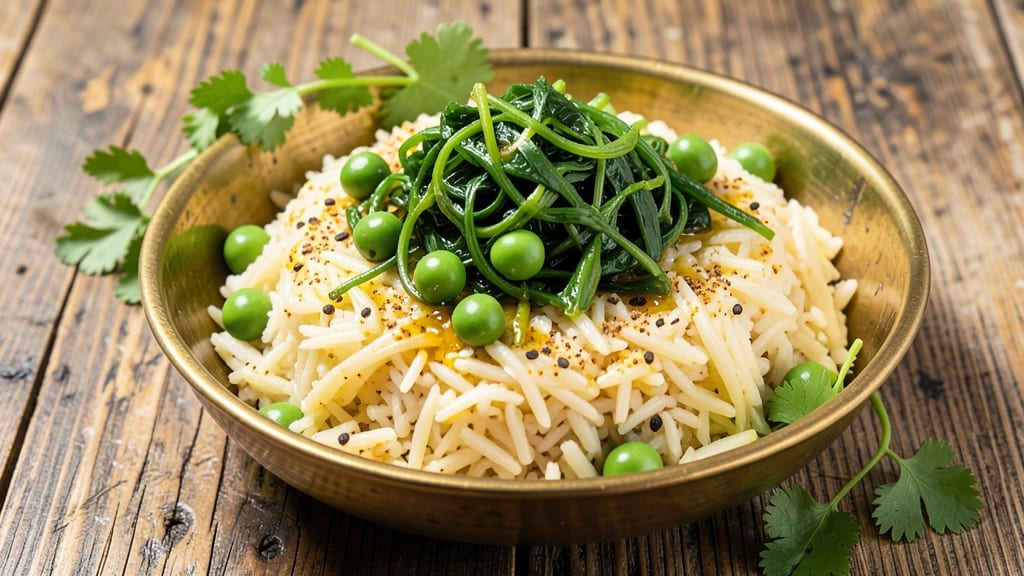
This cabbage rice Indian recipe transforms humble ingredients into a fragrant, one-pan masterpiece—where turmeric-infused basmati rice meets tender cabbage and sweet peas in a symphony of spices. 🌟 Born from South Indian traditions, this dish balances earthy flavors with a touch of sweetness, making it a beloved staple for festivals and family meals alike.
The secret lies in toasting whole spices until they release their aromatic oils, creating depth that elevates every bite.
What sets this recipe apart is its simplicity: just one pot, minimal prep, and a 30-minute cooking time that delivers restaurant-quality results. The cabbage softens into silky strands while absorbing the spiced rice, and the peas add a subtle sweetness that rounds out the dish.
Perfect as a standalone meal or paired with yogurt and raita, this recipe proves Indian comfort food doesn’t require complexity—just intention. Ready to master it?
Ingredients for cabbage rice indian
Turmeric-infused rice, silky cabbage, and sweet peas—this one-pan dish delivers authentic South Indian flavors.
| Ingredient | Amount | Notes |
|---|---|---|
| Basmati Rice 🍚 | 1 cup | Uncooked, long-grain preferred |
| Green Cabbage 🥬 | 4 cups | Shredded, medium-sized head |
| Sweet Peas 🌱 | 1 cup | Fresh or frozen, thawed |
| Yellow Turmeric Powder 🌿 | 1 tsp | Freshly ground preferred |
| Ground Cumin Seeds 🌿 | 1 tsp | Toasted for deeper flavor |
| Black Mustard Seeds 🌶️ | ½ tsp | Whole, toasted until fragrant |
| Dried Fenugreek Leaves 🌿 | ¼ tsp | Kasuri methi, crushed |
| Asafoetida Powder 🌶️ | ⅛ tsp | Pinch for authentic flavor |
| Vegetable Oil 🫒 | 3 tbsp | Refined or coconut oil |
| Onion 🧅 | 1 whole | Medium, finely chopped |
| Garlic Cloves 🧄 | 4 cloves | Peeled, minced |
| Salt 🧂 | ¾ tsp | Adjust to taste |
| Fresh Coriander Leaves 🌿 | ¼ cup | Chopped, for garnish |
| Lemon Juice 🍋 | 1 tbsp | Freshly squeezed |
The spices are where the magic happens. Whole spices like mustard seeds and cumin need toasting until they sizzle and release their aroma—this is non-negotiable for authentic flavor. Penzeys or local Indian grocery stores carry the best quality fenugreek leaves and asafoetida. For the cabbage, look for heads that are crisp and heavy for their size—Trader Joe's or Whole Foods usually have good options. Fresh peas are ideal, but frozen works perfectly if you're short on time. The turmeric should be vibrant yellow, not dull or grayish.
No mustard seeds? Skip them entirely—this dish thrives on the other spices. Fenugreek leaves unavailable? Dried kasuri methi at half the amount works in a pinch, but crush it well for maximum flavor. Want to reduce oil? Use a non-stick pot and cut oil by 1 tbsp. The rice can be any basmati variety, but Patanjali or India Gate brands are widely available and excellent. For extra richness, stir in 1 tbsp of yogurt with the spices—just ensure it's plain, unsweetened yogurt.
This dish reheats beautifully—30 seconds in the microwave with a splash of water restores its moisture. Store leftovers in an airtight container for 3-4 days in the fridge. For longer storage, freeze portions for up to 3 months. The cabbage will soften further when reheated, so it's best enjoyed fresh. Garnish with coriander and lemon juice right before serving to keep the flavors bright.
Why You'll Love This Recipe
- One-Pot Magic: I swear by this recipe when I’m too tired to dirty multiple pans. Toss the rice, cabbage, and peas into one pot with the spices, add water, and let it simmer—no stirring, no stress. The cumin seeds toast right in the pot, filling the whole kitchen with that warm, earthy aroma before the dish even finishes.
- Turmeric Glow-Up: That bright yellow turmeric isn’t just for looks—it’s the secret weapon. The rice soaks up the spice, turning it golden and giving it this subtle, sunny warmth that makes every bite feel like a little celebration. Honestly, I’ll take this over bland rice any day.
- Lunchbox Hero: Between us, this is my go-to for meal prep. The cabbage stays crisp enough to chew, the peas add a satisfying pop, and the rice holds up for days. I pack it in my kids’ lunches, and they actually eat it—no complaints, no swaps. (Yes, even on a Tuesday night.)
- Pantry Staple: I keep a bag of basmati, frozen peas, and a jar of cumin seeds just for this. It’s the kind of dish that turns $5 of ingredients into a full meal—no fancy swaps, no last-minute grocery runs. And leftovers? They reheat like a dream, making it my ultimate budget-friendly win.
Step-by-step instructions for cabbage rice Indian recipe
This fragrant one-pan dish delivers restaurant-quality flavors with minimal effort.
🍳 Step 1: Temper the Spices in Oil
Heat the 3 tablespoons vegetable oil in a heavy-bottomed pot over medium heat. Add the 0.5 teaspoon black mustard seeds and let them sizzle for 30 seconds until they pop audibly—this is your signal they're ready. Immediately add the 1 teaspoon ground cumin seeds and toast for 30 seconds until fragrant.
Next, add the 0.25 teaspoon dried fenugreek leaves and 0.125 teaspoon asafoetida powder, stirring constantly for 10 seconds to release their aromatic oils. The spices should smell deeply toasty and earthy. This tempering process, called "tadka" in Indian cooking, forms the flavor base for your dish.
👨🍳 Step 2: Cook the Aromatics
Add the 1 whole finely chopped onion to the pot and sauté for 4-5 minutes until the onions turn golden brown and translucent. This step develops the sweetness of the onions and prevents them from turning bitter. Stir frequently to ensure even cooking.
Add the 4 minced garlic cloves and cook for another 1 minute until the raw garlic smell disappears and you can detect its sweet aroma. The garlic should be lightly golden but not browned. This is the moment that matters: properly cooked garlic makes all the difference in flavor.
🍳 Step 3: Add Vegetables and Turmeric
Increase heat to medium-high and add the 4 cups shredded green cabbage and 1 cup sweet peas. Stir well to coat the vegetables with the spice oil. Sprinkle the 1 teaspoon yellow turmeric powder and 0.75 teaspoon salt over the vegetables and mix thoroughly.
Cook for 5-6 minutes until the cabbage begins to soften and release its moisture. You'll see the vegetables wilt slightly and the pot will start to steam. This is normal—it's the cabbage releasing its natural juices. The dish should smell earthy and slightly sweet at this point.
🥘 Step 4: Combine with Rice and Cook
Add the 1 cup basmati rice to the pot and stir gently to combine with the vegetables. Pour in 2 cups water (or enough to cover the rice by about ½ inch). Bring the mixture to a boil, then reduce heat to low, cover the pot with a tight-fitting lid, and let it simmer for 15 minutes.
After 15 minutes, check the rice. It should be 80% cooked—still slightly firm but with most of the water absorbed. If it's not cooked enough, add ¼ cup water and continue cooking for another 5 minutes. The rice should be tender but still have a slight bite to it.
⏰ Step 5: Finish and Garnish
Once the rice is tender, remove the pot from heat. Stir in the 1 tablespoon freshly squeezed lemon juice and 0.25 cup chopped fresh coriander leaves. Let the dish sit covered for 5 minutes to allow the flavors to meld together. This resting period is crucial for developing the dish's aromatic profile.
Gently fluff the rice with a fork, being careful not to break the grains. Serve immediately with a dollop of yogurt or a side of raita. Each bite should deliver a perfect balance of earthy spices, tender cabbage, and sweet peas with a bright lemon finish.
Pro Tips For Making Cabbage Rice Indian
- Sear the Cabbage First: Hit the cabbage with a splash of water and high heat until it wilts and releases its juices—about 5 minutes. This softens it faster than slow-cooking and keeps those bright green bits from turning sad and limp. (Yes, even if you're impatient like me, don’t rush this.)
- Rinse Rice Twice: Cold water only, and do it twice—once to remove starch, again to wash away the grit that clings to basmati. Skimpy rinsing means gummy rice, and nobody wants that. (Trust me, the extra 30 seconds saves you from a mushy disaster.)
- Toast Cumin Low: Ground cumin burns faster than you think. Toast it in the oil on low heat until it smells nutty, not bitter—about 2 minutes max. High heat turns it acrid, and that’s a flavor train wreck. (Smell test is your friend.)
- Add Peas Late: Toss the sweet peas in only in the last 3 minutes of cooking. They’re delicate and turn to mush if they simmer too long. (I learned this the hard way—overcooked peas taste like sad, waterlogged golf balls.)
Pro cooking tips for cabbage rice indian
Spice Toasting Mastery
Toast your whole spices—especially mustard seeds and cumin—until they sizzle and pop. This releases their aromatic oils, which are the soul of this dish. Use a heavy-bottomed pot (I love my Lodge cast iron) to prevent burning.
Toast mustard seeds for 30 seconds until they turn golden and crackle like fireworks—this is your cue they're ready. 🔥
Cabbage Prep Secrets
Shred cabbage into ¼-inch thick strips for even cooking. Thicker pieces stay crunchy, while thinner strips soften perfectly. I use a mandoline slicer for precision, but a sharp knife works too.
Rinse shredded cabbage in cold water to remove any dirt trapped in the leaves, then drain well. This keeps your dish fresh-tasting. 🥬
Rice Cooking Precision
Add rice when it's 80% cooked—about 15 minutes into simmering. This ensures the grains absorb flavor without becoming mushy. If your rice needs more time, add just ¼ cup water and cook uncovered for 5 extra minutes.
The key is patience: undercooked rice continues to absorb liquid while resting. 💡
Lemon Juice Timing
Add lemon juice only at the very end—right after removing from heat. This brightens the dish without cooking off its acidity. I squeeze 1 tbsp fresh lemon juice (no bottled!) and stir it in while the pot is still warm.
The citrus cuts through the richness of the spices, balancing the dish perfectly. 🍋
Resting for Flavor
Let your dish rest for 5 minutes covered after cooking. This allows the rice to finish steaming and the flavors to meld. I resist the urge to dig in immediately—trust me, the wait is worth it.
The cabbage will soften further, and the spices will develop deeper complexity. This step is often skipped but makes all the difference. ✨
Pot Selection Matters
Use a heavy-bottomed pot with a tight-fitting lid to maintain even heat. I prefer stainless steel for its durability and heat distribution. Avoid non-stick pots—they don't trap steam as effectively, leading to uneven cooking. A 3-quart pot is ideal for this recipe's volume. 🍳
Nutrition facts
Frequently asked questions
Can I substitute basmati rice with another type?
Yes, but basmati is ideal for its long grains and aromatic quality. Use jasmine rice as a close substitute, though it may be slightly stickier. For a lighter texture, try brown basmati, but increase cooking time by 5 minutes and add ¼ cup extra water. Avoid short-grain rice like sushi rice—it will turn mushy.
What if I don't have mustard seeds?
No problem! Skip them entirely—the dish still shines with cumin, fenugreek, and asafoetida. For extra depth, add ¼ teaspoon black pepper with the other spices. The missing crunch won't affect the flavor, but the spices will still release their aromatic oils when toasted properly.
How do I make this dish less spicy?
Reduce the asafoetida to ⅛ teaspoon and omit black mustard seeds entirely. For milder heat, use ½ teaspoon ground cumin instead of whole seeds (pre-toasted). The dish already has earthy warmth from turmeric and fenugreek, so you won't sacrifice flavor—just intensity.
Can I make this recipe in an Instant Pot?
Sauté the spices and aromatics as directed, then add all ingredients (including 1 cup rice and 1.5 cups water). Seal the lid, cook on high pressure for 3 minutes, then natural release for 10 minutes. Finish with lemon juice and coriander. The pressure cooker cuts prep time to 20 minutes total!
Why does my cabbage turn mushy?
Overcooking or using thick cabbage strips causes mushiness. Shred cabbage into ¼-inch strips and cook for only 5-6 minutes before adding rice. If your pot lacks heat distribution, reduce the water by ¼ cup—less liquid = faster cooking. Always check rice doneness at 15 minutes.