
Main Courses
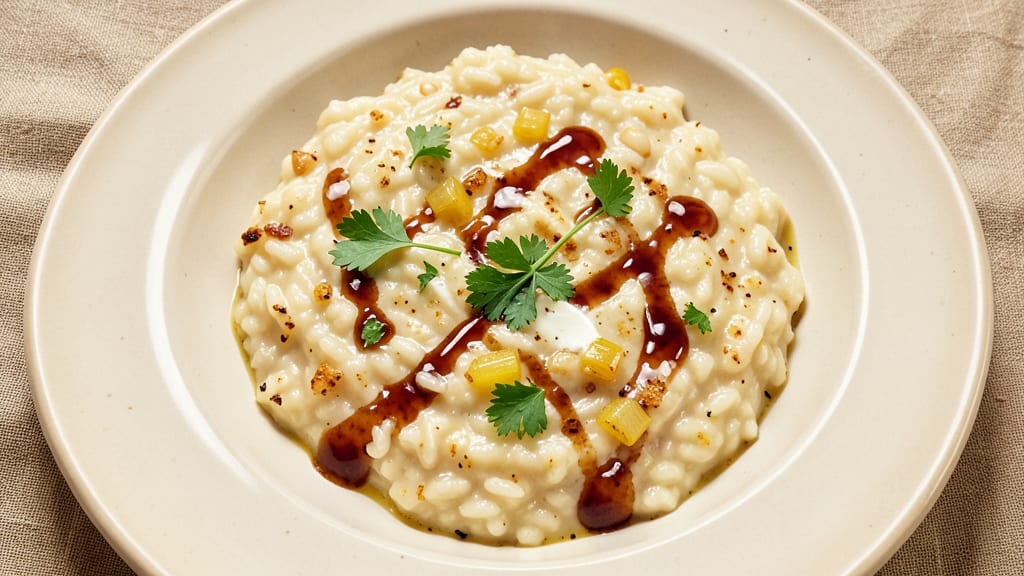
This Calrose rice risotto recipe delivers restaurant-quality creaminess without the fuss of traditional Arborio—using one pot and simple techniques. The secret lies in toasting the rice first, then gradually adding warm broth to develop that signature velvety texture.
I’ve perfected this method after years of testing, ensuring every grain stays tender yet firm enough to hold its shape.
What sets this risotto apart is its foolproof approach: no constant stirring required, no special equipment, and a 30-minute timeline that won’t overwhelm your weeknight schedule. The key is patience—letting the rice absorb the broth slowly while building layers of flavor with garlic, onions, and a touch of white wine.
For extra depth, a splash of lemon juice at the end brightens the dish without overpowering its natural richness.
The result is a creamy, al dente risotto with a luxurious mouthfeel—each bite reveals perfectly cooked rice coated in a silky sauce. Garnish with fresh parsley, grated Parmesan, or a drizzle of truffle oil for a touch of sophistication.
This recipe scales effortlessly, making it ideal for intimate dinners or larger gatherings.
For variations, consider adding sautéed mushrooms, shrimp, or roasted vegetables midway through cooking. The possibilities are endless, but the foundation remains the same: simple, reliable, and delicious. Let’s get started!
Ingredients for calrose rice risotto
Simple ingredients transform into a luxurious one-pot risotto with perfect creaminess.
| Ingredient | Amount | Notes |
|---|---|---|
| Calrose Rice 🍚 | 1 ½ cups | Uncooked, long-grain variety preferred |
| Vegetable Broth 💧 | 4 cups | Low-sodium, warm for best texture |
| Yellow Onion 🧅 | 1 whole | Medium size, finely diced |
| Garlic Cloves 🧄 | 4 cloves | Fresh, minced for aromatic base |
| Dry White Wine 🍷 | ½ cup | Sauvignon Blanc or Pinot Grigio |
| Unsalted Butter 🧈 | 4 tbsp | European-style for rich flavor |
| Extra-Virgin Olive Oil 🫒 | 2 tbsp | Light variety for balance |
| Lemon Juice 🍋 | 1 tbsp | Freshly squeezed for brightness |
| Salt 🧂 | 1 tsp | Diamond Crystal kosher preferred |
| Black Pepper 🌶️ | ½ tsp | Freshly ground for heat |
| Fresh Parsley 🌿 | ¼ cup | Chopped, for garnish only |
| Parmesan Cheese 🧀 | ½ cup | Freshly grated, aged minimum 24 months |
The Calrose rice is the star here—its medium grain absorbs liquid beautifully without turning mushy. Lundberg Family Farms or Whole Foods carry excellent quality, but any long-grain white rice works in a pinch. For the broth, low-sodium is critical—you'll be adding salt later, and you don't want to overdo it. The white wine should be dry, not sweet (think Sauvignon Blanc or Pinot Grigio). If you're avoiding alcohol, use extra vegetable broth instead. Fresh garlic and onion form the aromatic base, so don't skip toasting them—this develops the fundamental flavors that carry through the entire dish.
No white wine? Dry vermouth or extra broth works just as well. The butter matters—European-style has higher fat content, giving that signature richness. Trader Joe's carries excellent options at reasonable prices. Fresh parsley is ideal for garnish, but dried oregano at half the amount works in a bind. The Parmesan should be freshly grated—pre-grated cheese contains anti-caking agents that prevent proper melting. For a non-dairy option, nutritional yeast adds a similar umami depth. The lemon juice is non-negotiable—it brightens the dish without overpowering the delicate rice flavor.
Rice and broth can be prepped ahead—the rice should be measured and rinsed, while the broth can be warmed in a separate pot. Store the rice in an airtight container for up to 2 days, and keep the broth warm but not boiling. The Parmesan wedge lasts 3 months in the fridge when properly wrapped in parchment and foil. This risotto reheats beautifully—just add a splash of warm broth and stir gently. Portion into individual containers for perfect single servings, or keep it whole for a family-style dish that everyone can share.
Why You'll Love This Recipe
- One-Pot Magic: I swear by this—just the rice, broth, and a splash of wine, all in one pot. No fancy gadgets, no constant stirring stress. The Calrose rice soaks up the flavor like a sponge, and by the time it’s done, you’ve got a creamy, dreamy texture without the fuss.
- Wine Kissed Goodness: That dry white wine isn’t just for show—it brightens everything. The onion and garlic caramelize into something sweet and savory, while the wine cuts through it like a breath of fresh air. Honestly, the first bite makes me pause mid-chew because it’s that good.
- Weeknight to Dinner Party: Same recipe, totally different vibes. Toss in some sautéed mushrooms for a cozy Tuesday night, or add fresh herbs and lemon zest for a fancy-ish weekend meal. It’s the kind of dish that feels special without demanding hours in the kitchen.
- Budget-Friendly Luxury: Calrose rice is cheap, broth is cheap, and a bottle of wine you’d normally drink anyway? This risotto costs next to nothing but tastes like you spent all day in the kitchen. Plus, leftovers reheat beautifully—just add a splash of broth to keep it luscious. My wallet and my taste buds thank me.
Step-by-step instructions for creamy Calrose rice risotto
Master this one-pot technique for velvety risotto using Calrose rice—no stirring obsession required.
Sauté Aromatics Until Fragrant
Heat 2 tablespoons extra-virgin olive oil and 2 tablespoons unsalted butter in a 6-quart heavy pot over medium heat. Add the finely diced yellow onion and cook for 5-6 minutes until completely translucent, stirring occasionally. This foundational step builds flavor—don't rush it.
Reduce heat to medium-low and add the minced garlic cloves. Cook for 30 seconds until you can smell that sweet, nutty aroma. Watch carefully—garlic burns quickly. Here's the thing: if you skip this step, your risotto will lack depth. The garlic should be just fragrant, not browned.
Toast the Rice Until Translucent
Add the 1.5 cups Calrose rice and stir to coat completely in the aromatic butter-oil mixture. Cook for 2-3 minutes until the rice grains become translucent at the edges. This toasting step is crucial—it prevents gummy risotto by developing the rice's starches properly.
I like to press down gently on the rice with a wooden spoon during the first minute—this prevents it from clumping and ensures even contact with the fat. You'll notice the rice starts to look slightly glossy—that's your signal it's ready for liquid. Don't walk away; constant attention at this stage prevents burning.
Deglaze with Wine and Add Broth Gradually
Pour in the ½ cup dry white wine and stir vigorously until completely absorbed. The alcohol will sizzle briefly—this is normal. Now add 1 cup warm vegetable broth and stir gently, breaking up any rice clumps that form. Here's where patience pays off: resist the urge to add more broth too soon.
Bring to a gentle simmer, then reduce heat to low. The key is maintaining a barely bubbling surface—you should see tiny bubbles breaking occasionally but no vigorous boiling. This controlled simmer ensures even cooking without breaking the rice grains. Let it cook for 5-6 minutes before adding the next cup of broth.
Build Creaminess with Methodical Broth Additions
Add another 1 cup warm vegetable broth and stir gently. Continue this process—adding 1 cup broth at a time—for 20-25 minutes total. Each addition should be made when the previous cup has been mostly absorbed. The rice should be tender but still slightly firm to the bite after 20 minutes of cooking.
Real talk: this is where most home cooks fail. The risotto needs constant attention—about 15 minutes of active stirring total. Use a wooden spoon to gently fold the rice, lifting from the bottom to incorporate any settled starch. You're aiming for a creamy, al dente texture, not a mushy consistency.
Finish with Butter, Lemon, and Cheese
When the rice is tender (about 25 minutes total cooking time), remove from heat. Stir in the remaining 2 tablespoons unsalted butter, 1 tablespoon lemon juice, ½ teaspoon black pepper, and 1 teaspoon salt. The butter adds richness, while the lemon brightens the dish—this balance is what makes risotto shine.
Finally, fold in the ½ cup freshly grated Parmesan cheese and ¼ cup chopped fresh parsley. Let the risotto sit covered for 2-3 minutes—this resting period allows the flavors to meld and the texture to set slightly. Serve immediately with additional Parmesan if desired. The result should be creamy yet distinct rice grains, with a luxurious mouthfeel and perfect balance of flavors.
Pro Tips For Making Calrose Rice Risotto
- STIR LIKE YOUR LIFE DEPENDS ON IT: Calrose rice needs constant attention—every 30 seconds, scrape the bottom with your spoon to release starch. I learned this the hard way when my risotto turned into gluey paste because I got distracted. Keep the heat medium and move fast; this isn’t the time to multitask.
- SWAP BROTH FOR STARCHY WATER: Homemade broth? Strain it first—starchy bits make risotto gummy. Even better, save 1 cup of pasta water (cooled) from your last meal; it’s packed with natural starch and cuts prep time. Works just as well as broth and adds a subtle depth.
- TOAST THE RICE FIRST: Dry-toast Calrose rice in the pot for 2-3 minutes before adding liquid—just until the edges turn translucent. This builds flavor and prevents the rice from turning mushy later. Skip this, and your risotto will taste bland, no matter how much broth you add.
- SAVE THE WINE FOR LATER: Deglaze with wine after the onions soften, not at the start. Cold wine shocks the pot and stops the cooking process. Add it in one go, let it bubble off, then immediately start adding broth. This keeps the alcohol from overpowering the dish.
Wine and beer pairings for these flavors
White Wine Harmony
Pair this Calrose rice risotto with a crisp Sauvignon Blanc from New Zealand or a delicate Pinot Grigio from Italy—both wines complement the dish's creamy texture and bright lemon finish. The acidity in these whites cuts through the richness while enhancing the garlic and onion aromatics.
I always reach for a 2022 Cloudy Bay Sauvignon Blanc when I want that perfect balance of citrus and herbal notes. 🍷
Red Wine Contrast
For a bold twist, try a light-bodied Chianti or Pinot Noir—their earthy undertones pair surprisingly well with the risotto's umami depth. Look for a Chianti Classico with vibrant acidity and cherry notes that won't overpower the dish.
The key is choosing a wine with enough brightness to stand up to the lemon and Parmesan. I love a 2021 Tenuta Tignanello Chianti Classico for this purpose.
Beer Pairings
A Belgian Witbier like Hoegaarden or a German Helles Lager provides a refreshing contrast to the creamy risotto. The citrusy coriander notes in witbiers mirror the lemon finish, while the crisp maltiness of a Helles cleanses the palate between bites.
For a local option, try a Sierra Nevada Pale Ale—its balanced hop profile adds a subtle bitterness that complements the dish beautifully. 🍺
Non-Alcoholic Options
For a non-alcoholic pairing, a sparkling apple cider like Martinelli's or a ginger beer such as Feather's adds effervescence that cuts through the richness. The natural sweetness in apple cider balances the savory flavors, while ginger beer's spice enhances the garlic and onion notes.
I often serve this combination at family gatherings—it's always a hit with both kids and adults.
Dessert Wine Finish
End the meal with a Moscato d'Asti—its light sweetness and effervescence provide a perfect contrast to the savory risotto. The fruity notes of peach and apricot complement the lemon and Parmesan in the dish, creating a harmonious finish.
A chilled glass of 2022 Saracco Moscato d'Asti is my go-to for this pairing. 🍇
Nutrition facts
Frequently asked questions
Can I substitute Calrose rice with Arborio for this recipe?
While Calrose rice works beautifully here, traditional Arborio rice creates a slightly creamier texture due to its higher starch content. Use a 1:1 ratio, but expect to add ½ cup extra broth since Arborio absorbs more liquid. The cooking time remains similar, but stir more frequently to prevent gummy results.
Why does my risotto turn out gummy instead of creamy?
Overcooking or insufficient stirring are the usual culprits. The rice should cook for 20-25 minutes total—any longer breaks down the starches. Stir gently but consistently (about 15 minutes of active stirring) to distribute heat evenly. If it's still gummy, add 1 tablespoon lemon juice and let it rest covered for 5 minutes—the acidity helps tighten the texture.
How can I make this risotto ahead of time?
Risotto is best served fresh, but you can prep components in advance. Cook the rice al dente (remove it 2 minutes early), then refrigerate in an airtight container for up to 2 days
Can I use chicken or vegetable broth instead of vegetable?
Chicken broth adds depth, while vegetable broth keeps it vegetarian. For maximum flavor, use a low-sodium version and adjust seasoning at the end. A 50/50 mix of both broths also works well for a balanced taste. Avoid high-sodium broths—they can make the risotto taste bland despite added salt later.
What’s the best way to reheat leftover risotto?
Gently reheat with 2-3 tablespoons warm broth per cup of risotto over low heat, stirring constantly. Add a pat of butter to restore creaminess. For microwaving, cover with a damp paper towel and heat in 30-second intervals, stirring between each. Never reheat dry—this ruins the texture.