
Side Dishes
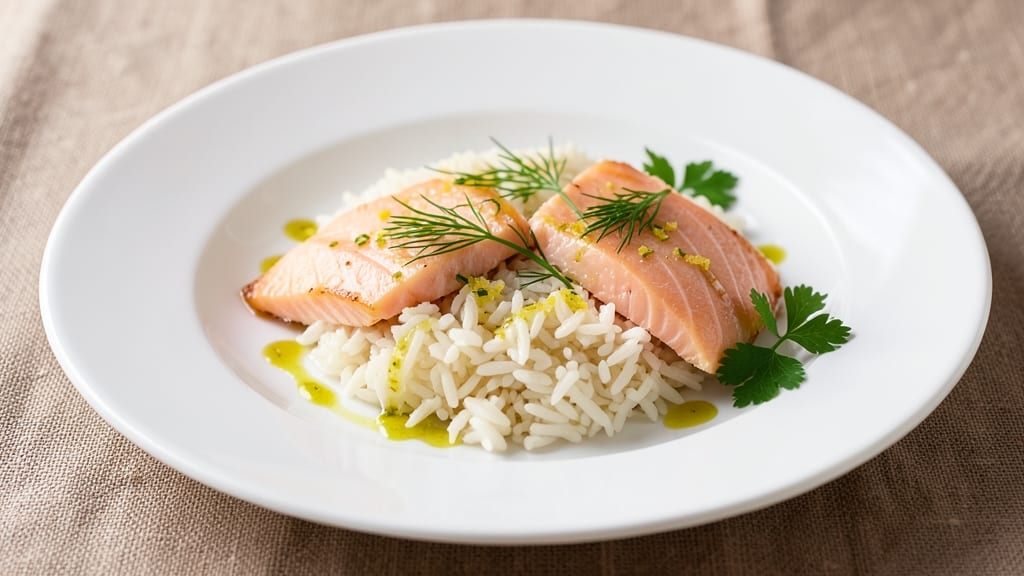
Transforming canned salmon and rice into a restaurant-worthy meal is simpler than you think—this herbed grain bowl delivers flaky, perfectly seasoned salmon paired with aromatic rice in just 20 minutes.
The secret lies in properly heating the salmon to restore its texture while building flavor with fresh herbs and bright citrus.
I developed this recipe after realizing how often canned salmon gets overlooked in home cooking, and it’s become a weeknight staple for its effortless balance of protein, fiber, and bold flavors.
What makes this dish truly special is the way the salmon’s natural richness complements the nutty texture of rice, whether you choose white, brown, or even jasmine varieties.
The herbed grain bowl concept allows for endless customization—swap in quinoa for extra protein, add roasted vegetables for crunch, or top with a tangy yogurt dressing for brightness. This recipe proves that pantry staples can create meals just as impressive as fresh ingredients, without the fuss or expense.
The result is a complete, satisfying dish that’s ready in under 20 minutes with minimal prep—flaky salmon that flakes easily, fragrant rice with every bite, and a harmonious blend of textures that keeps the meal exciting.
The dish holds together beautifully for meal prep, making it perfect for busy schedules while still feeling like a special occasion. Whether you’re feeding a family or packing lunches, this bowl delivers restaurant-quality results at home.
For added depth, consider incorporating optional sides like steamed asparagus or a simple green salad to round out the meal.
The recipe’s versatility means it works equally well as a light lunch or a hearty dinner, proving that canned salmon isn’t just for salads—it’s a complete dish waiting to be elevated. Let’s get cooking with this foolproof, flavor-packed combination.
Ingredients for canned salmon and rice
Pantry staples meet restaurant flair—just 14 ingredients transform canned salmon into a luxurious herbed grain bowl.
| Ingredient | Amount | Notes |
|---|---|---|
| Canned Salmon 🐟 | 2 cans | Wild-caught preferred, drained |
| Long-Grain White Rice 🍚 | 1 ½ cups | Uncooked, jasmine or basmati |
| Fresh Dill 🌿 | ¼ cup | Chopped, stems removed |
| Fresh Parsley 🌿 | ¼ cup | Chopped, flat-leaf preferred |
| Lemon Juice 🍋 | 2 tbsp | Freshly squeezed, strained |
| Extra-Virgin Olive Oil 🫒 | 2 tbsp | Light, fruity variety |
| Garlic Cloves 🧄 | 2 cloves | Minced, fresh preferred |
| Low-Sodium Soy Sauce 🍶 | 1 tbsp | For umami depth |
| Honey 🍯 | 1 tbsp | Wildflower preferred |
| Plain Greek Yogurt 🥛 | ¼ cup | Full-fat for creaminess |
| Salt 🧂 | ½ tsp | Kosher or sea salt |
| Black Pepper 🌶️ | ¼ tsp | Freshly ground |
| Water 💧 | 3 cups | For rice cooking |
| Toasted Almonds 🥜 | ¼ cup | Sliced, optional garnish |
The salmon is the foundation, so wild-caught makes all the difference—it’s richer and flakier than farmed. Most grocery stores carry Wild Planet or Vital Choice brands in the canned seafood aisle, but any high-quality canned salmon works. Look for cans with no added fillers or preservatives. Fresh herbs like dill and parsley elevate the dish, but dried herbs at one-third the amount work in a pinch. The rice? Jasmine or basmati stays fluffy and fragrant—avoid instant rice for this recipe. For extra convenience, Trader Joe's sells pre-washed rice that cooks in 15 minutes.
No fresh dill? Substitute with 1 tbsp dried dill, but add it later in the cooking process. Short on parsley? Cilantro works too, though it has a slightly different flavor profile. The lemon juice can be swapped for lime juice if that’s what you have, but lemon brightens the dish more authentically. For the rice, brown rice takes 45 minutes to cook—plan ahead. The honey in the dressing balances the salmon’s richness, but maple syrup works equally well. If you’re avoiding soy sauce, coconut aminos provide a similar umami punch without the sodium.
This dish reheats beautifully—just add a splash of water and cover to keep the rice from drying out. Store leftovers in an airtight container for up to 4 days in the fridge. For meal prep, portion the salmon and rice separately and assemble when ready to eat. The dressing keeps for 1 week in the fridge, so make extra if you’re batch cooking. The toasted almonds add crunch, but crushed pistachios or walnuts work just as well. Freeze the cooked rice for up to 3 months—just thaw overnight in the fridge before reheating.
Why You'll Love This Recipe
- Fridge-to-Table Speed: The moment I open that can of salmon, I’m already halfway done. Flake it into hot rice with a fork—no fancy tools, no waiting for thawing—just 10 minutes of stirring while the dill and parsley brighten everything up.
- Bright & Tangy Magic: That lemon juice isn’t just garnish—it cuts through the richness of the salmon, making every bite feel fresh. Honestly, the parsley and dill combo gives it a restaurant-worthy finish without the fuss.
- Lunchbox Hero: Pack this cold or reheated—it’s my go-to for work lunches or kids’ school meals. The rice holds up, the salmon stays flaky, and the lemon keeps it from getting bland. (Yes, even on a Tuesday night.)
- Budget-Friendly Powerhouse: One can of salmon feeds my family for two meals, and the rice stretches it further. I’ll be real: it’s cheaper than takeout, but tastes like something special—no one guesses it’s canned.
Step-by-step instructions for flaky salmon and herbed grain bowl
Here's how to transform simple ingredients into a restaurant-quality dish with perfectly flaky salmon and aromatic herbed rice.
Cook the Long-Grain White Rice to Perfect Texture
Rinse the 1.5 cups long-grain white rice under cold water until the water runs clear. This removes excess starch that would make the rice gummy. Combine the rinsed rice with the 3 cups water in a medium saucepan and bring to a boil over high heat.
Once boiling, reduce heat to low, cover tightly with a lid, and simmer for 15 minutes. The rice is done when all the water has been absorbed and the grains are tender but still have a slight bite. Avoid lifting the lid during cooking—this releases steam and can make the rice uneven. Remove from heat and let it sit covered for 5 minutes before fluffing with a fork.
Prepare the Flaky Salmon with Herbed Marinade
Drain the 2 cans canned salmon thoroughly, pressing gently with a paper towel to remove any excess moisture. In a small bowl, whisk together the 2 tbsp lemon juice, 2 tbsp extra-virgin olive oil, 1 tbsp low-sodium soy sauce, 1 tbsp honey, 0.5 tsp salt, and 0.25 tsp black pepper. This marinade will enhance the salmon's natural flavors while keeping it moist.
Gently fold the drained salmon into the marinade, coating each piece evenly. Let it marinate for at least 10 minutes at room temperature. This step ensures the salmon stays flaky when heated and absorbs all those bright, herby flavors. The acidity from the lemon juice is particularly important—it helps break down proteins just enough to maintain that prized texture.
Toast the Garlic and Herbs for Maximum Flavor
Heat a small skillet over medium heat and add the 2 cloves minced garlic. Toast for 30 seconds until fragrant—you'll smell that unmistakable garlic aroma. Immediately transfer the garlic to a bowl and stir in the 0.25 cup chopped fresh dill and 0.25 cup chopped fresh parsley. This quick toasting enhances the garlic's sweetness without burning it.
While the garlic is toasting, warm the 0.25 cup plain Greek yogurt in a separate small bowl. Stir in the herb mixture and set aside. This yogurt-herb blend will become your bowl's creamy dressing, tying all the flavors together. The warmth of the skillet also helps release the essential oils in the herbs, making them more potent in the final dish.
Assemble the Herbed Grain Bowl
Divide the fluffed rice evenly among 4 bowls. The rice should be hot but not steaming when you serve it—this maintains its texture while allowing the other components to shine. Using a slotted spoon, distribute the marinated salmon over the rice, breaking up any large chunks with your fingers to create an even presentation.
Drizzle each bowl with 1 tablespoon of the yogurt-herb dressing and sprinkle with 1 tablespoon of the toasted almonds. The almonds add a satisfying crunch that contrasts beautifully with the tender rice and flaky salmon. Serve immediately while everything is at its peak temperature and texture—this dish tastes best fresh from the bowl.
Pro Tips For Making Canned Salmon And Rice
- DRAIN AND PAT DRY: Canned salmon’s juice is salty and watery—skip mixing it into the rice. Dump the salmon onto a paper towel, break it into flakes, and press out excess liquid. Wet rice turns mushy, and you’ll end up tasting brine instead of salmon.
- COOK RICE IN LEMON WATER: Add a splash of lemon juice (about 2 tablespoons) to the rice while cooking—it brightens the flavor and cuts through the fish’s richness. I used to save it for the end, but the rice absorbs it better early on.
- CHOP HERBS COARSELY: Tiny parsley and dill flecks disappear into the rice. Roughly chop them so you can see and taste them in every bite. Bonus: They stay fresher longer than minced herbs in this dish.
- STIR IN SALMON AT THE END: Fold the flaked salmon into the rice off the heat—it keeps the grains intact and prevents them from turning into glue. Overmixing on high heat is how you get sad, gummy rice.
Dietary considerations for this recipe
Pescatarian Perfection
This dish is a pescatarian dream, delivering high-quality protein without any meat. A single serving provides about 30 grams of protein from the canned salmon alone, making it ideal for plant-based eaters looking to boost their protein intake.
The Greek yogurt adds an extra 5 grams of protein per serving, while the rice contributes 4 grams per cup. 💪
Gluten-Free Friendly
With just rice, canned salmon, and natural ingredients like fresh herbs and yogurt, this recipe is naturally gluten-free. Always double-check your canned salmon label to ensure no cross-contamination occurred during processing.
I recommend Wild Planet or Vital Choice brands, which are certified gluten-free. The soy sauce used in the marinade should be tamari if you're strictly avoiding gluten.
Low-Carb Adaptation
For a lower-carb version, reduce the rice to 1 cup and add ½ cup cooked cauliflower rice for bulk. This keeps the meal satisfying while cutting carbs by nearly half.
The salmon and yogurt dressing remain the same, ensuring you still get that creamy, herby flavor without the extra starch. 🥦
Dairy-Free Option
Skip the Greek yogurt in the dressing and replace it with ½ cup coconut yogurt or a silken tofu base. Blend the tofu with 1 tbsp lemon juice, 1 tbsp olive oil, and the herbs for a creamy, dairy-free alternative.
The texture remains rich, and the flavor stays bright and fresh.
Allergen Awareness
This recipe contains fish (salmon) and dairy (yogurt) as potential allergens. For nut-free versions, omit the toasted almonds and use sunflower seeds instead. Always check labels on canned salmon for additives like MSG or preservatives if you're sensitive to those.
The dish is otherwise free of common allergens like soy (unless using soy sauce) or eggs.
Nutrition facts
Frequently asked questions
Why does canned salmon need marinating for this recipe?
The marinade of lemon juice, olive oil, and herbs helps restore the salmon's natural moisture and flakiness after canning. The acidity in lemon juice gently breaks down proteins, ensuring tender texture while the herbs infuse fresh flavor. Skipping this step can leave the salmon dry or overly fishy.
Can I use brown rice instead of white rice?
Yes, but adjust the cooking time to 45 minutes and use 2.5 cups water for 1.5 cups brown rice. Brown rice has a nuttier flavor that pairs well with salmon, though it'll be slightly chewier. For faster cooking, try pre-cooked brown rice blends that take 20 minutes.
How do I prevent the rice from getting mushy?
Rinse the rice thoroughly before cooking to remove excess starch, and never stir it while cooking. Use a tight-fitting lid and maintain a gentle simmer—boiling hard can make rice gummy. Let it steam off heat for 5 minutes before fluffing. For extra insurance, use jasmine rice, which stays firmer.
What's the best way to reheat leftovers?
Reheat in a skillet over low heat with 1-2 tablespoons of water, covered, for 3-4 minutes. The moisture prevents drying. For microwave reheating, sprinkle 1 tsp water over the rice and cover for 90 seconds on medium power. Add fresh herbs and lemon juice after reheating to revive flavors.
Can I make this recipe ahead of time?
Store components separately in an airtight container for up to 4 days. Keep the salmon and dressing separate until ready to eat to maintain freshness. For meal prep, portion the rice and salmon into containers, then assemble with dressing when serving. The flavors actually improve overnight!