
Side Dishes
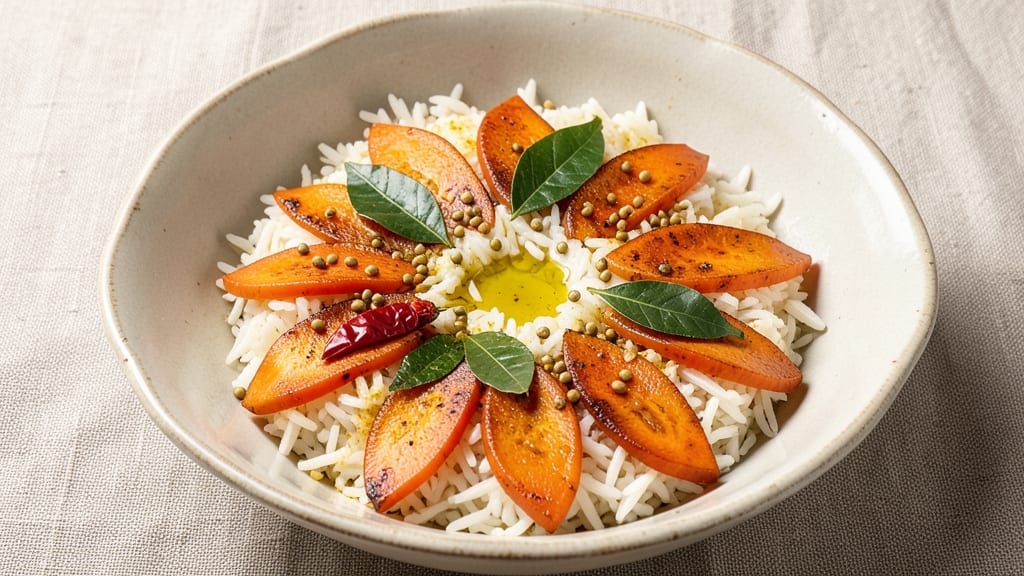
This carrot rice recipe in Tamil brings the comforting flavors of Kadalaar Sadam to your table with minimal effort. The one-pot method combines fragrant basmati rice, tender carrots, and aromatic spices like turmeric and cumin for a dish that’s both hearty and healthy.
Perfect for a quick lunch or dinner, this recipe stays true to traditional Tamil cooking while being simple enough for weeknight meals.
The secret lies in the tempering (tadka) of mustard seeds, curry leaves, and dried red chilies, which infuses the rice with deep, savory notes. Cooked together, the rice and carrots absorb the flavors beautifully, resulting in a dish that’s as visually appealing as it is delicious.
Serve with coconut chutney or sambar for the full Tamil meal experience.
Ingredients for carrot rice recipe in tamil
Fragrant basmati rice, tender carrots, and aromatic spices create this comforting Tamil one-pot dish.
| Ingredient | Amount | Notes |
|---|---|---|
| Basmati Rice 🍚 | 1 cup | Uncooked, long-grain preferred |
| Carrots 🥕 | 2 cups | Medium, thinly sliced or julienned |
| Mustard Seeds 🌿 | 1 tbsp | Whole, for tempering |
| Curry Leaves 🌿 | ¼ cup | Fresh, slightly crushed |
| Dried Red Chilies 🌶️ | 2 whole | Kashmiri or Thai for mild heat |
| Turmeric Powder 🌿 | ½ tsp | Freshly ground preferred |
| Cumin Seeds 🌿 | ½ tsp | Whole, toasted for aroma |
| Asafoetida (Hing) 🌿 | ⅛ tsp | Pinch for authentic flavor |
| Vegetable Oil 🫒 | 3 tbsp | Or ghee for richer taste |
| Salt 🧂 | 1 tsp | Adjust to taste |
| Water 💧 | 2 cups | For rice cooking |
| Fresh Coriander Leaves 🌿 | ¼ cup | Chopped, for garnish |
The star here is the tempering—mustard seeds, curry leaves, and dried red chilies. Indian grocery stores carry excellent curry leaves in jars, but fresh is ideal. For the chilies, Kashmiri gives a mild, vibrant color, while Thai chilies add more heat. Toast the cumin seeds in a dry pan for 30 seconds before adding oil—this brings out their nutty aroma. The asafoetida (hing) is non-negotiable for that authentic Tamil flavor, but use sparingly as it's potent. If you can't find it, garlic powder at half the amount works in a pinch.
No fresh curry leaves? Dried curry leaves at half the amount will work, though the flavor won't be as vibrant. Substituting carrots? Zucchini or sweet potatoes hold up well in this dish. For the rice, basmati is traditional, but jasmine rice works too. If you're short on time, pre-sliced carrots from the salad bar section at Whole Foods or Trader Joe's save chopping time. The key is even cooking—soak the rice for 20 minutes if using older grains for perfect texture.
This dish reheats beautifully—just add a splash of water and cover. Keeps for 4-5 days in the fridge, though the rice texture softens after day 2. For longer storage, freeze portions for up to 3 months. I like to make extra and serve it cold the next day as a refreshing lunch. The leftovers taste even better as flavors meld overnight. Garnish with fresh coriander just before serving to keep it vibrant.
Why You'll Love This Recipe
- One-Pot Magic: I swear by this recipe when I’m too tired to wash extra bowls—just toss everything into one pot with the rice, let it simmer, and boom. The mustard seeds and curry leaves sizzle into the oil first, filling the kitchen with that real Tamil home aroma, while the carrots soften just enough to blend into the rice without turning mushy.
- Sweet Heat Balance: Between us, I’ve tried adding too many spices, but this combo—dried red chilies tempered with mustard seeds—gets it just right. The carrots add a natural sweetness that cuts through the heat, and the basmati’s fluffy texture soaks it all up like a dream. Honestly, my kids ask for seconds before I even finish serving.
- Lunchbox Hero: This is my go-to for packed lunches—keeps for four days in the fridge without getting soggy, and reheats like it’s fresh off the stove. I’ll even sneak in a little extra carrot for my son, who pretends he doesn’t like veggies but devours this. (Yes, even on a Tuesday night.)
- Pocket-Friendly Luxury: Basmati rice and carrots are cheap staples, but the curry leaves and mustard seeds? That’s the secret upgrade. A single packet of curry leaves lasts me months, and the spices cost next to nothing at the local market. It’s basically gourmet without the grocery shock—my wallet and taste buds thank me every time.
Step-by-step instructions for carrot rice in Tamil
This traditional one-pot dish combines vibrant carrots with aromatic basmati rice for a fragrant, balanced meal.
Prepare the Carrots and Rice
Begin by washing the 1 cup basmati rice thoroughly under cold water until the water runs clear. This removes excess starch and prevents the rice from becoming gummy. In a separate bowl, peel and slice the 2 cups carrots into thin rounds or julienne strips—about ¼-inch thick. The thinner the slices, the quicker they'll cook and absorb flavor.
Heat the 3 tablespoons vegetable oil in a heavy-bottomed pot over medium heat. Add the sliced carrots and sauté for 3-4 minutes until they soften slightly but don't brown. This gentle cooking preserves their vibrant color and sweetness. Remove the carrots from the pot and set aside temporarily.
Temper the Spices
In the same pot, reduce heat to medium-low and add the 0.5 teaspoon cumin seeds. Let them sizzle for 20-30 seconds until they release their nutty aroma—this is your signal they're ready. Immediately add the 1 tablespoon mustard seeds and let them pop audibly. The timing here matters: if you wait too long, the seeds will burn and turn bitter.
Add the 2 whole dried red chilies and 0.25 cup curry leaves, stirring for 30 seconds until the chilies darken slightly. Sprinkle in the 0.125 teaspoon asafoetida (hing) and stir for another 10 seconds—its pungent aroma will fill your kitchen. This spice tempering (tadka) forms the flavor base for the entire dish.
Cook the Rice and Carrots Together
Add the washed 1 cup basmati rice to the pot and stir for 1 minute to coat the grains with the spice oil. Pour in the 2 cups water and add the 0.5 teaspoon turmeric powder and 1 teaspoon salt. Stir gently once to distribute the spices evenly.
Bring to a boil over medium-high heat, then reduce to low heat. Cover the pot with a tight-fitting lid and cook for 15 minutes. After 15 minutes, add the previously sautéed carrots to the pot. Stir gently to distribute them evenly among the rice. Return to low heat and cook for another 10 minutes, or until the rice is tender and the liquid has been absorbed.
Rest and Garnish
Once the rice is fully cooked and the carrots are tender, turn off the heat and let the pot sit covered for 5 minutes. This resting period allows the flavors to meld and the rice to steam slightly, resulting in a more cohesive texture. Fluff the rice gently with a fork to separate the grains.
Garnish with the 0.25 cup chopped fresh coriander leaves just before serving. The bright green color contrasts beautifully with the orange carrots and white rice, adding both visual appeal and freshness. Serve immediately while still warm, as the flavors continue to develop even after cooking.
Pro Tips For Making Carrot Rice Recipe In Tamil
- SOFTEN CARROTS FIRST: I learned this the hard way—raw carrots take forever to cook and end up mushy. Dice them into even ¼-inch pieces and boil in salted water for 3-4 minutes until just tender. This guarantees they’ll melt into the rice without turning to pulp.
- CRACK MUSTARD SEEDS LOW: High heat burns mustard seeds before they pop. Start them in a dry pan over medium-low, then add oil—this way, they sizzle gently and release their nutty aroma without turning bitter. (Yes, even if you’re impatient like me.)
- SKIP THE OVERSTIRRING: After adding rice and water, resist the urge to keep checking or stirring. One gentle mix at the start is enough—constant stirring breaks the grains and turns your rice into glue. Cover and let it sit undisturbed.
- USE CURRY LEAVES LAST: Toss the curry leaves in only when the rice is almost done. Their flavor fades fast if cooked too long—add them in the final 2 minutes to keep that bright, fresh aroma. (Your future self will notice the difference.)
Common mistakes when making this dish
Overcooking the Rice
One of the biggest mistakes is letting the rice cook too long after adding the carrots. The rice absorbs liquid quickly, and once it reaches 15 minutes of cooking, it's ready to accept the carrots.
If you let it cook much longer, the rice turns mushy and loses its distinct texture. I've learned to set a timer for the 10-minute final phase—this ensures the carrots soften without turning the rice into a porridge. 🌡️
Skipping the Tempering
The tempering step (or tadka) is non-negotiable for authentic flavor. If you rush this step or skip it entirely, your dish will lack the deep, aromatic base that makes carrot rice special.
Mustard seeds and curry leaves need that 30-second sizzle to release their full potential. I once made this mistake and ended up with bland rice—trust me, the sizzle is worth the wait!
Uneven Carrot Cooking
Thick carrot slices take forever to cook and often end up tough. Always slice them into ¼-inch rounds or julienne strips for even cooking. If your carrots are still crunchy while the rice is done, return the pot to low heat for 2-3 minutes with the lid on.
Pro tip: Soak the carrots in cold water for 10 minutes before cooking to soften them slightly.
Ignoring the Resting Phase
After cooking, letting the rice rest for 5 minutes is crucial for even texture. Without this step, the rice grains stick together and release steam unevenly. I used to skip this and always ended up with clumpy rice.
The resting time also lets the flavors meld—this is when the magic happens! Cover the pot completely with a tight lid to trap the steam.
Using Too Much Water
Measuring water accurately is key. The 2 cups specified in the recipe is perfect for 1 cup of uncooked basmati rice. Using more water risks mushy rice, while using less can leave it undercooked.
If you're unsure, start with 1.75 cups and adjust based on your rice's absorption rate. I keep a measuring cup handy to avoid guesswork.
Burning the Spices
Watch the heat when adding mustard seeds—they burn quickly and turn bitter. Keep the flame at medium-low and stir constantly until they pop. The same goes for cumin seeds; let them sizzle for just 20-30 seconds.
Once they darken, add the other spices immediately. I've had to throw out burnt spices more times than I'd like to admit—don't let that happen to you! 🔥
Nutrition facts
Frequently asked questions
Is this carrot rice recipe suitable for pressure cookers?
Yes! For a pressure cooker, follow the same steps but adjust cooking times. After adding water and rice, cook on high pressure for 2 whistles, then add carrots and cook for 1 more whistle on low heat. The rice will be perfectly fluffy, and the carrots will soften quickly. This method cuts cooking time to about 10 minutes total.
Can I make this dish with less oil?
You can reduce oil to 2 tablespoons if preferred, but the tempering step requires enough fat to properly toast the spices. Mustard seeds and cumin need oil to pop and release their flavors. Use a non-stick pot if reducing oil to prevent sticking. The dish will still taste great, though the aroma might be slightly less intense.
What are good side dishes to serve with Tamil carrot rice?
This dish pairs beautifully with traditional Tamil sides like coconut chutney, sambar, or raita. For a complete meal, add a protein like curried tofu or boiled eggs. The mild sweetness of the carrots balances well with tangy chutneys and spicy sambar. A simple mango pickle adds a sweet-spicy contrast that's very popular in South Indian meals.
Why does my carrot rice turn out mushy?
Mushy rice usually happens from overcooking or using too much water. Stick to the 1:2 rice-to-water ratio and set a timer for the 15-minute cooking phase before adding carrots. After adding carrots, cook only 10 more minutes. Also, avoid lifting the lid while cooking—steam escapes and uneven cooking occurs. If it's still mushy, spread it on a tray and let it cool slightly.
Can I prepare this dish ahead of time?
Yes, but with a few adjustments. Cook the rice and carrots as directed, then spread on a tray to cool completely. Store in an airtight container in the fridge for up to 3 days. Reheat with 2 tablespoons water, covered on low heat, stirring occasionally. For best texture, add fresh coriander just before serving. The flavors actually improve overnight as they meld together!