
Main Courses
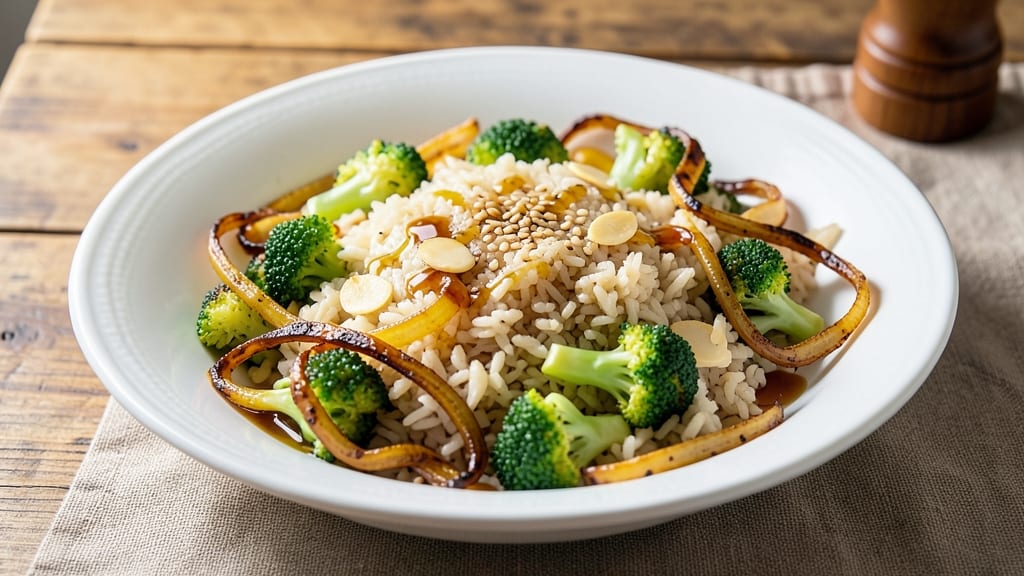
This cauliflower fried rice recipe using frozen cauliflower transforms frozen florets into crispy, restaurant-style fried rice with just 15 minutes of active prep and one pan. This recipe proves you don’t need fresh florets—thawed frozen cauliflower delivers the same satisfying texture and vibrant color while saving time.
The key lies in proper thawing, high-heat stir-frying, and balancing seasonings for maximum flavor in every bite.
What starts as frozen cauliflower becomes a veggie-packed one-pan meal with tender rice, caramelized onions, and a savory soy-ginger sauce. The technique ensures crispy edges on the cauliflower while keeping the centers tender, all while avoiding soggy rice.
This method works perfectly for meal prep or a quick weeknight dinner—no takeout required.
Ingredients for cauliflower fried rice recipe using frozen cauliflower
Transform frozen cauliflower into crispy, restaurant-style fried rice with these 12 essential ingredients.
| Ingredient | Amount | Notes |
|---|---|---|
| Frozen Cauliflower Florets 🥬 | 4 cups | Thawed, patted completely dry |
| Cooked White Rice 🍚 | 3 cups | Day-old or chilled preferred |
| Yellow Onion 🧅 | 1 whole | Thinly sliced, caramelized |
| Garlic Cloves 🧄 | 4 cloves | Minced, fresh preferred |
| Low-Sodium Soy Sauce 🍶 | ½ cup | Kikkoman or San-J preferred |
| Sesame Oil 🫒 | 1 tbsp | Toasted sesame oil preferred |
| Fresh Ginger 🌿 | 1 tbsp | Finely grated, peeled |
| Vegetable Oil 🫒 | 3 tbsp | High smoke point preferred |
| Green Onions 🧅 | ¼ cup | Thinly sliced, white and green parts |
| Black Pepper 🌶️ | ½ tsp | Freshly ground preferred |
| Diamond Crystal Kosher Salt 🧂 | ½ tsp | Adjust to taste |
| Sesame Seeds 🌾 | 1 tbsp | Toasted for garnish |
The frozen cauliflower is the star here—pat it completely dry before cooking to ensure crispy edges. Trader Joe's and Whole Foods carry high-quality frozen florets without additives. For the rice, day-old or chilled works best—it prevents sogginess during stir-frying. Jasmine or basmati rice holds up perfectly. The onions should be caramelized until golden for depth of flavor, so don't rush this step. Yellow onions with a slight sweetness work best here.
No fresh ginger? Substitute with 1 teaspoon of ground ginger—it's less potent, so use sparingly. Running short on sesame oil? Toasted peanut oil adds a similar nutty depth, though the flavor profile shifts slightly. The soy sauce can be swapped for coconut aminos if you're avoiding sodium. For extra protein, add firm tofu or edamame—just cube and pan-fry them separately before mixing in. The green onions can be omitted if you prefer a milder flavor, but they add a fresh finish.
This dish reheats beautifully—store in airtight containers for up to 4 days in the fridge. For meal prep, portion into single servings before refrigerating. Freeze for up to 3 months by spreading in a single layer first, then transferring to bags. The crispiness diminishes slightly after reheating, so undercook the cauliflower by 10% if you plan to refrigerate. Garnish with sesame seeds just before serving to maintain their toasty crunch.
Why You'll Love This Recipe
- No Chopping Nightmare: I keep a bag of frozen cauliflower in the freezer just for this—no thawing, no prepping, no mess. Toss the florets straight from the bag into the pan with the rice, and let the heat work its magic while I slice onions in under two minutes.
- Umami Bomb: That low-sodium soy sauce? It’s the MVP here. A splash of it after everything’s cooked turns the rice into something dangerously addictive—salty enough to satisfy, but not so heavy it ruins the meal. (Pro tip: Add a pinch of white pepper for a little kick.)
- Lunchbox Hero: Between us, this is my secret weapon for packed lunches. The cauliflower stays crispy even after reheating, and the rice? Still fluffy. My kids (and my coworker) swear by it—no sad, soggy leftovers here.
- Budget Meal Magic: Frozen cauliflower and rice are the ultimate pantry staples. I’ve made this for under $1.50 per serving, and it’s always a hit—whether it’s a quick dinner or a side for takeout night. Honestly, it’s the kind of dish that makes grocery shopping feel like a win.
Step-by-step instructions for crispy cauliflower fried rice
Transform frozen cauliflower into a satisfying, one-pan meal with this method—crispy florets and perfectly seasoned rice every time.
Prep and Caramelize the Aromatics
Heat 3 tablespoons vegetable oil in a large skillet or wok over medium-high heat until shimmering. Add the 1 whole yellow onion, sliced into thin strips, and cook for 8-10 minutes until deeply golden and caramelized. Stir occasionally to prevent burning—this step builds rich, sweet depth.
Push the onions to one side of the pan and add 4 cloves garlic cloves, minced, and 1 tablespoon fresh ginger, finely grated. Cook for 30 seconds until fragrant but not browned. Here's the thing—garlic burns fast, so keep an eye on it. Remove the pan from heat briefly if needed, then return it to the stove to finish cooking.
Crisp the Cauliflower
Increase heat to high and add the 4 cups frozen cauliflower florets, patted completely dry. Spread them in a single layer to ensure even browning. Cook undisturbed for 5-6 minutes until the edges turn golden brown and crispy. You’ll hear a satisfying sizzle—this is your cue to flip or stir gently.
Continue cooking for another 3-4 minutes, stirring occasionally, until the cauliflower is evenly crispy and tender. If the pan feels crowded, work in batches to avoid steaming. The goal is that satisfying crunch—don’t rush it. Overcrowding leads to soggy florets, and we’re aiming for crispy perfection.
Build the Flavor Base
Reduce heat to medium and add 3 cups cooked white rice, breaking up any clumps with a spatula. Stir to combine with the cauliflower and aromatics, letting the rice absorb the caramelized flavors for 2 minutes. This step ensures every grain gets coated in that rich, savory goodness.
Pour in the 0.5 cup low-sodium soy sauce and 1 tablespoon sesame oil, stirring well to distribute evenly. Add 0.5 teaspoon diamond crystal kosher salt and 0.5 teaspoon black pepper, then let the mixture cook for 3-4 minutes until the rice is heated through and the sauce reduces slightly. Taste and adjust seasoning—this is where the umami magic happens.
Finish with Fresh Herbs and Garnish
Stir in the 0.25 cup green onions, sliced thin, and cook for 1 minute to wilt the greens slightly. Remove the pan from heat and drizzle with an extra ½ tablespoon sesame oil for added richness. The green onions add a bright contrast to the deep, savory flavors of the dish.
Transfer the fried rice to serving plates, garnishing each portion with 1 tablespoon toasted sesame seeds. The seeds add a nutty crunch and visual appeal. Serve immediately while the cauliflower is still crispy—this dish doesn’t wait. Pair with a side of steamed greens or a simple cucumber salad for balance.
Pro Tips For Making Cauliflower Fried Rice Recipe Using Frozen Cauliflower
- THAW FIRST, DRY WELL: Frozen cauliflower florets are sneaky—if you toss them straight from the freezer into the pan, they’ll steam instead of crisp. Microwave them for 2 minutes to thaw, then spread them on a paper towel and pat really dry with another towel. (Yes, even if they look dry—this is the thing that matters most for texture.)
- USE DAY-OLD RICE: Freshly cooked rice clumps like glue in fried rice, no matter how much you stir. Break up your rice before cooking and let it sit uncovered for at least 30 minutes (or overnight). Cold rice also absorbs flavors better—your future self will notice the difference.
- CHAR THE ONIONS: Skip the soft, translucent onions—you want them deep golden and slightly crispy. Cook them on medium-high heat for 5–6 minutes, stirring often, until edges darken. (This isn’t the prettiest method, but it’s the tastiest.) If they start sticking, lower the heat just enough to keep them moving.
- SALT THE RICE MIDWAY: Tossing soy sauce and rice together at the start can make the dish taste flat. Stir in half the sauce with the rice after 2 minutes of cooking, then add the rest at the end. The extra step lets the flavors meld without overpowering the cauliflower’s natural bite. (I was skeptical until I tried it.)
Pro cooking tips for cauliflower fried rice recipe using frozen cauliflower
High-Heat Mastery
This recipe relies on high heat to achieve that signature crispy texture in the cauliflower.
Use a large skillet or wok—I swear by my 14-inch carbon steel wok from Made In—because it distributes heat evenly and gives you plenty of space to spread the cauliflower in a single layer.
If your pan isn’t wide enough, cook the cauliflower in two batches to avoid steaming, which turns it soggy. Preheat your pan for 3-5 minutes before adding oil to ensure it’s screaming hot when the cauliflower hits it. 🔥
Dry Is Key
Pat those frozen cauliflower florets completely dry with paper towels before cooking—this is non-negotiable for crispy results. Even a little moisture will steam the florets instead of browning them. I like to spread them out on a clean kitchen towel and press gently with another towel to remove excess water.
If you’re short on time, microwave the florets for 1 minute to thaw slightly, then pat dry thoroughly. The drier they are, the crispier they’ll turn out.
Stir-Fry Like a Pro
Resist the urge to stir constantly while the cauliflower cooks. Let it sit undisturbed for 5-6 minutes to develop a golden-brown crust—this is where all the magic happens. Once it starts sizzling and turning crispy, gently flip or stir every 30 seconds to ensure even browning.
Use a spatula with a wide, flat edge (like the OXO Good Grips one) to avoid breaking up the florets. Over-stirring releases moisture and defeats the crispy purpose. Think "set it and forget it" for the first few minutes.
Rice Texture Secrets
Day-old or chilled rice is your best friend here—it’s firmer and less likely to turn mushy during stir-frying. If you’re using freshly cooked rice, spread it on a baking sheet and let it cool completely before adding it to the pan.
For extra insurance, undercook the rice by 5 minutes when boiling it initially. This ensures it’s perfectly tender but not sticky when stir-fried. Break up any clumps with your spatula while cooking to distribute the sauce evenly. 💡
Sauce Balance
The soy sauce to sesame oil ratio is critical for that perfect umami-savory balance. Start with ½ cup soy sauce and 1 tablespoon sesame oil, but taste as you go—you might need an extra ½ teaspoon soy sauce or a splash of water if the rice seems dry.
Freshly toasted sesame oil adds depth, so don’t skip this step. Toast it in a dry pan over low heat for 1 minute until fragrant, then add it to the rice mixture. If you’re using a high-sodium soy sauce, reduce the kosher salt to ¼ teaspoon to avoid over-salting.
Nutrition facts
Frequently asked questions
Can I use other frozen veggies in this recipe?
Swap in frozen peas, carrots, or bell peppers for extra texture and color. Just thaw and pat them dry first—like the cauliflower—to prevent sogginess. Broccoli florets work especially well, but avoid leafy greens (like spinach) since they wilt too quickly in stir-frying.
Why does my cauliflower turn out soggy?
Soggy cauliflower usually means moisture didn't evaporate properly. Always pat frozen florets completely dry before cooking, and avoid overcrowding the pan. Cook in batches if needed, and use high heat to crisp the edges quickly. Freshly cooked rice also adds moisture—use day-old rice instead.
How do I make this gluten-free?
Replace the soy sauce with tamari or coconut aminos (both gluten-free). Check that your sesame oil and other seasonings are also certified gluten-free. The rest of the recipe remains unchanged—this version keeps all the crispy, savory goodness without gluten.
Can I prep this ahead of time?
Yes! Cook the cauliflower and rice separately, then store in airtight containers for up to 4 days. Reheat in a skillet over medium heat with a splash of water to restore crispiness. For best results, add fresh green onions and sesame seeds just before serving.
What's the secret to extra crispy cauliflower?
The three Cs: cold pan, crowd-free, and constant heat. Preheat your pan for 3-5 minutes before adding oil, spread florets in a single layer, and keep heat at high. Let them sit undisturbed for 5-6 minutes to develop that golden crust. Stir only when they start sizzling!