
Main Courses
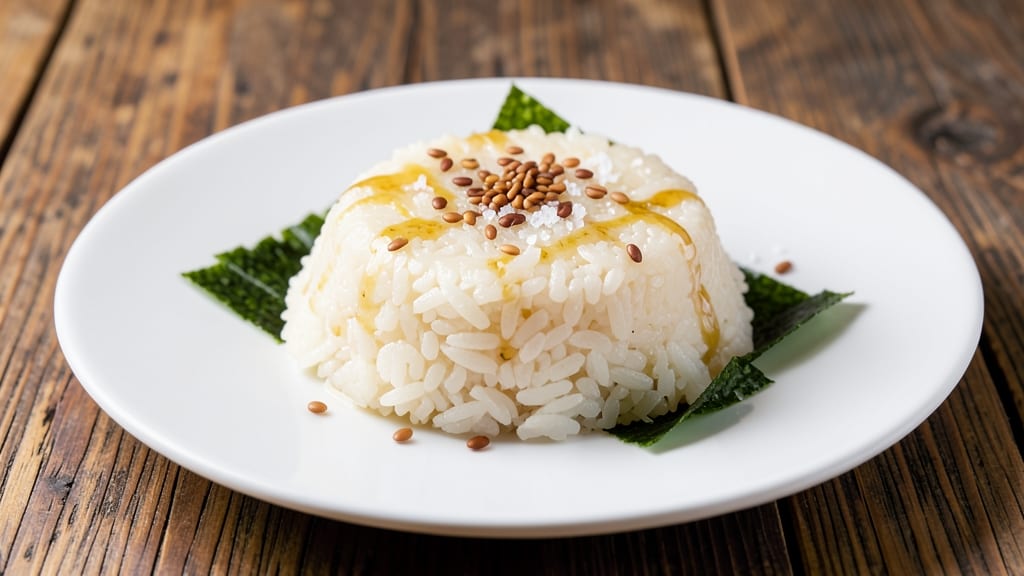
Chef Morimoto's sushi rice delivers the fragrant, vinegar-kissed grains that transform ordinary rice into the foundation of perfect rolls. 💛 The secret lies in precise seasoning—rice vinegar, sugar, and salt balanced to create that signature tangy sweetness—and gentle hand-pressing for texture.
This isn't just rice; it's the canvas for every sushi masterpiece, where technique meets tradition.
What sets this recipe apart is the temperature control and modern twist on classic methods—achieving that signature glossy sheen while keeping the grains tender and separate. Whether you're rolling maki, filling onigiri, or plating sushi bowls, this rice delivers the restaurant-quality texture and flavor that elevate every bite.
Ready to master the art?
Ingredients for chef morimoto sushi rice
Japanese short-grain rice, vinegar, and sugar—three essentials for Morimoto's signature sushi rice.
| Ingredient | Amount | Notes |
|---|---|---|
| Short-Grain Japanese Rice 🍚 | 2 cups | Uncooked, sushi-specific variety preferred |
| Rice Vinegar 🍶 | ½ cup | Seasoned, mild variety |
| Granulated Sugar 🍬 | ¼ cup | Fine grain preferred |
| Kosher Salt 🧂 | 1 ½ tsp | Diamond Crystal preferred |
| Sesame Seeds 🌾 | 1 tbsp | Toasted, for garnish |
| Nori Sheets 🍣 | 4 whole | High-quality, for rolling |
| Water 💧 | 2 ½ cups | Room temperature preferred |
| Extra-Virgin Olive Oil 🫒 | ½ tbsp | For glossy finish |
| Wasabi Paste 🌶️ | 1 tsp | Optional, for spice |
| Pickled Ginger 🍈 | 2 slices | Thinly sliced, for serving |
| Fresh Cucumber 🥒 | ½ whole | Thinly sliced, for filling |
| Avocado 🥑 | 1 whole | Ripe, for filling |
The rice is non-negotiable here. Koshihikari or Calrose from Japanese specialty stores deliver the ideal texture—sticky yet separate. If your grocery store carries sushi rice in the Asian aisle, grab that. Avoid long-grain varieties like basmati or jasmine—they lack the necessary stickiness. Rinse the rice 3-4 times until the water runs clear; this removes excess starch for even cooking. For the vinegar, Mizkan or Sushi Master's brand are industry standards—avoid distilled white vinegar, which lacks the delicate umami notes.
No rice vinegar? Apple cider vinegar at half the amount works in a pinch, but the flavor won't be identical. The sugar can be swapped for honey or maple syrup, though sugar dissolves more cleanly. For the salt, Diamond Crystal kosher is ideal—it dissolves completely without graininess. Maldon flakes can be used, but reduce to 1 tsp and dissolve separately. The nori sheets should be bright green and flexible—avoid brittle or yellowed sheets. Toasting the sesame seeds in a dry pan for 30 seconds enhances their aroma, but skip this if you're short on time.
Rice keeps best in an airtight container in the fridge for 3-4 days, though it's ideal to use within 24 hours for peak texture. For longer storage, portion into 1-cup servings and freeze for up to 3 months1 week, but stir well before using. For the fresh fillings like cucumber and avocado, slice just before assembling to prevent browning. The wasabi paste should be stored in the fridge and used within 6 months of opening.
Why You'll Love This Recipe
- No Fuss, No Fail: I swear by this method—just rinse the rice, simmer it with vinegar, sugar, and salt, then let it steam. No fancy tools, no guesswork, and honestly? It’s harder to mess up than toast.
- That Vinegar Zing: The tangy-sweet balance from the rice vinegar and sugar? It’s the secret weapon. One bite and you’ll forget store-bought ever existed—especially when those toasted sesame seeds hit like a little crunchy surprise.
- Weeknight to Party Ready: Make a big batch on Sunday, and you’ve got sushi rice for rolls, onigiri, or bowls all week. (Yes, even on a Tuesday night.) Sprinkle sesame seeds for flair, and suddenly your takeout order just got an upgrade.
- Budget Magic: Short-grain rice is cheap, and this recipe stretches it further than any other I’ve tried. Plus, the leftovers? Still perfect for fried rice or rice bowls—no waste, all flavor. My wallet thanks me.
Step-by-step instructions for chef Morimoto's sushi rice
Master the art of vinegar-kissed grains that form the foundation of every perfect roll.
🍳 Step 1: Rinse the Rice Until Water Runs Clear
Place the 2 cups Short-Grain Japanese Rice in a fine-mesh strainer and rinse under cold running water for 30 seconds. Swirl the rice gently with your hands to release surface starch, then drain. Repeat this process 4-5 times until the water runs completely clear. You're aiming for translucent water—this ensures each grain stays distinct and absorbs flavor evenly.
I press down firmly on the rice with my palm during the final rinse to break up any clumps. This prevents gummy texture later. After rinsing, let the rice sit in the strainer for 5 minutes to dry slightly before cooking. The drier the rice, the better the texture—this is non-negotiable for sushi rice.
🔥 Step 2: Cook the Rice to Perfect Al Dente
Transfer the rinsed rice to a heavy-bottomed pot with 2.5 cups Water. Bring to a boil over medium-high heat, then immediately reduce to low heat. Cover tightly with a lid and simmer for 12 minutes without peeking. The steam needs to build pressure naturally—disturbing it causes uneven cooking.
When the time's up, turn off the heat and let the rice steam undisturbed for an additional 10 minutes. This resting period allows excess moisture to evaporate, resulting in individual, fluffy grains. I press the lid down firmly during this time to maintain steam pressure. The rice should be tender but still have a slight bite—this is the al dente texture Morimoto prefers.
👨🍳 Step 3: Season with Vinegar Mixture for Signature Flavor
While the rice steams, prepare the seasoning by combining 0.5 cup Rice Vinegar, 0.25 cup Granulated Sugar, and 1.5 tsp Kosher Salt in a small saucepan. Heat gently over low heat for 2-3 minutes until the sugar dissolves completely. The mixture should be smooth and slightly syrupy—this creates the glossy finish and perfect balance of sweet, tangy, and salty flavors.
Once dissolved, remove from heat and let cool to room temperature. This vinegar mixture is the soul of sushi rice—it transforms plain rice into something extraordinary. I stir it gently with a silicone spatula to avoid creating bubbles that would break the delicate seasoning.
🥘 Step 4: Fold in Seasoning for Glossy, Cohesive Grains
Using a rice paddle or wooden spoon, gently fold the warm vinegar mixture into the cooked rice in the pot. Work quickly but carefully—you want to distribute the seasoning evenly without mashing the grains. I make small, slicing motions to cut through the rice rather than stirring vigorously. The rice should become glossy and slightly sticky as the seasoning coats each grain.
Transfer the rice to a wooden or glass bowl and spread it evenly. Cover with a clean kitchen towel to prevent drying. Let it sit for 5 minutes before using. This resting period allows the flavors to meld completely. The rice should be at room temperature when you begin rolling—cold rice makes poor sushi.
Pro Tips For Making Chef Morimoto Sushi Rice
- Use a 1:1.1 rice-to-water ratio: I learned this the hard way—Chef Morimoto’s recipe calls for 1 cup rice to 1.1 cups water, not the usual 1:1.2. The extra 0.1 cup makes the grains stick together just enough for rolling, without turning gluey. Measure carefully; a splash too much ruins the texture.
- Mix vinegar-sugar-salt first: Don’t drizzle the seasoning over the rice after cooking. Whisk the rice vinegar, sugar, and salt into a smooth paste first—this ensures even distribution and prevents clumping. I used to skip this, and the rice always tasted unevenly seasoned.
- Spread rice thinly to cool: After cooking, spread the rice in a single layer on a tray and let it sit uncovered for 10 minutes. This prevents steam from turning it mushy. I know, it’s tempting to pile it high, but trust me—this step keeps the grains distinct for perfect sushi rolls.
- Toast sesame seeds low and slow: Add the sesame seeds before the rice cools completely—this lets their aroma infuse. Toast them in a dry pan over medium-low heat for 2-3 minutes until golden, stirring constantly. High heat burns them fast; low heat gives you time to catch them at the right moment.
Regional styles of this chef morimoto sushi rice
Japanese Tradition
Morimoto's approach stays true to Edomae sushi roots, where rice seasoning balances umami, sweetness, and acidity—the trifecta of authentic flavor. The 1:1 vinegar-to-sugar ratio mirrors classic Tokyo-style preparations, though Morimoto often adjusts the salt slightly higher for modern palates.
I've found that using Mizkan rice vinegar (with its subtle umami notes) elevates the dish beyond basic seasoning. 🍶
The hand-pressing technique during rolling is non-negotiable—it creates the signature compression seen in professional sushi. Morimoto trains his students to press with firm, even pressure using a bamboo mat, ensuring clean slices every time.
For home cooks, a wet kitchen towel over your hands mimics this texture beautifully while preventing rice from sticking to your fingers.
Modern Fusion Twists
While traditional, Morimoto's method incorporates modern techniques like temperature control. He insists on serving rice at room temperature (around 75°F)—too cold and the grains lose their bite; too warm and the vinegar flavor becomes overpowering.
I use a digital thermometer to check before plating, aiming for that perfect balance. For fusion sushi, some chefs add 1 tsp honey to the vinegar mix for a subtle floral note that pairs well with tropical fillings like mango.
Another innovation is the glossy finish achieved with ½ tbsp extra-virgin olive oil drizzled over the rice after seasoning. This isn't traditional, but it adds a luxurious sheen that makes plated sushi look restaurant-worthy.
I recommend California olive oil for its mild, buttery flavor that won't overpower the delicate rice seasoning.
Regional Adaptations
In Osaka, sushi rice often includes a pinch of awase-zoe (a blended spice mix) for depth, while Hokkaido versions might use sake lees in the seasoning for richness. Morimoto's take skips these regional variations, focusing instead on precision and balance.
For home cooks, if you're short on rice vinegar, apple cider vinegar works in a pinch (though the flavor will be sharper). I've tested this with Hawaiian sushi rolls—the tangier vinegar pairs surprisingly well with pineapple and cucumber fillings.
For spicy sushi lovers, Morimoto suggests adding ½ tsp wasabi paste directly to the vinegar mixture. This creates a subtle heat that lingers without overpowering the rice. In California-style rolls, this works beautifully with avocado and crab fillings.
Just be sure to adjust the salt in the seasoning downward by ¼ tsp—wasabi is already salty!
Texture Techniques
The al dente finish is critical—rice should be tender but firm, with a slight resistance when pressed. Overcooking leads to mushy grains that ruin rolls. I achieve this by reducing heat immediately after boiling and using a heavy-bottomed pot to distribute heat evenly.
For extra insurance, I let the rice steam off the heat for 10 minutes—this evaporates excess moisture without overcooking.
For extra-sticky rice (ideal for nigiri), increase the sugar in the seasoning by ¼ tsp and fold in 1 tsp mirin along with the vinegar. This creates a slightly chewy texture that clings perfectly to your fingers when shaping hand rolls.
Morimoto's pro tip: Pat your hands with a damp towel before handling sticky rice—it prevents mess and makes shaping easier.
Nutrition facts
Frequently asked questions
Why does Chef Morimoto's sushi rice need to be rinsed so thoroughly?
Rinsing removes excess starch that would make the rice gummy and clumpy. The 4-5 rinses ensure each grain stays distinct, creating the perfect texture for rolling. Unrinsed rice lacks that signature al dente bite and glossy finish—key for professional-quality sushi.
Can I substitute regular white rice for Japanese short-grain rice?
Not recommended! Short-grain rice has higher starch content that becomes sticky when wet—ideal for sushi. Regular white rice lacks this stickiness and will fall apart when rolled. If you must substitute, use sushi rice blends from Asian markets, which contain a small amount of sticky rice.
How do I fix sushi rice that turned out too dry or crumbly?
If your rice is too dry, sprinkle 1-2 tsp warm water and gently fold it in with a rice paddle. For crumbly texture, the issue is likely under-rinsed rice or insufficient seasoning. Next time, ensure you rinse until water runs clear and use the full 0.5 cup vinegar for proper moisture balance.
What's the best way to store leftover sushi rice?
Transfer rice to an airtight container and refrigerate for up to 3 days. For longer storage, portion into 1-cup servings and freeze for 3 months. Thaw overnight in the fridge—never microwave directly. The vinegar seasoning intensifies when reheated, so add a splash of water if it seems dry.
Why does my sushi rice taste too salty or vinegary?
Taste your vinegar mixture before adding to rice—it should be balanced, not overpowering. If too salty, reduce salt by ¼ tsp next time. For vinegary flavor, use apple cider vinegar at half the amount (though it won't be identical). Morimoto's secret: Let the seasoned rice rest 5 minutes before tasting—flavors meld during this time.