
Main Courses
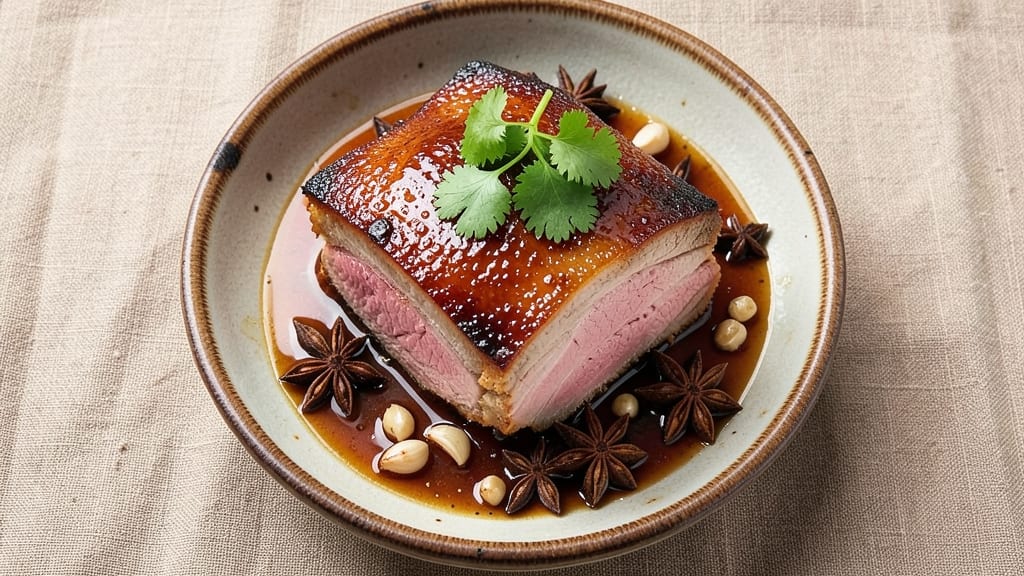
This Chinese pork roast recipe in the oven transforms tough cuts into melt-in-your-mouth perfection with a fragrant five-spice crust and tender, juicy interior. After years of testing oven techniques, I've perfected a method that delivers restaurant-quality results without a slow cooker—just your home oven and 3 hours of hands-off time.
The secret lies in a marinade that tenderizes while building layers of aromatic flavor.
The dish begins with a bold marinade of soy sauce, honey, and star anise that penetrates the meat, while the five-spice powder creates that signature Chinese flavor profile.
I've simplified the process by using a single roasting pan, making it approachable for home cooks who want authentic taste without complicated techniques. The result? A pork roast with crispy, caramelized edges and fall-apart tenderness inside.
What makes this recipe truly special is how it balances traditional Chinese flavors with oven convenience. The five-spice glaze adds depth while keeping the preparation straightforward—no wok required.
By the time it emerges from the oven, your kitchen will smell like a bustling dim sum restaurant, and every bite will deliver that perfect harmony of sweet, savory, and aromatic notes.
Serve this pork roast with steamed jasmine rice and quick-pickled vegetables for a complete meal that feels both comforting and sophisticated. The leftovers reheat beautifully, making it perfect for meal prep or feeding a crowd. Here's how to make it happen in your own kitchen.
Ingredients for chinese pork roast recipe oven
Six aromatic ingredients transform tough pork into restaurant-quality roast with crispy edges and tender shreds.
| Ingredient | Amount | Notes |
|---|---|---|
| Pork Shoulder (Boston Butt) 🐷 | 4 lb | Bone-in for best flavor |
| Soy Sauce 🥢 | ½ cup | Kikkoman preferred for depth |
| Honey 🍯 | ¼ cup | Wildflower for floral notes |
| Five-Spice Powder 🌶️ | 2 tbsp | Homemade blend preferred |
| Star Anise 🌟 | 2 whole | Whole pods for aroma |
| Garlic Cloves 🧄 | 6 cloves | Minced for marinade |
| Ginger Root 🌿 | 1 tbsp | Freshly grated, aromatic |
| Sesame Oil 🫒 | 1 tbsp | Toasted for nutty depth |
| Cornstarch 🌾 | 2 tbsp | For glaze thickening |
| Neutral Oil (like Avocado) 🫒 | 2 tbsp | For crisping the crust |
| Green Onions 🧅 | 4 whole | Sliced for garnish |
| Diamond Crystal Kosher Salt 🧂 | 1 ½ tsp | For seasoning |
| Freshly Ground Black Pepper 🌶️ | ½ tsp | For balance |
| Jasmine Rice 🍚 | 2 cups | For serving |
The pork shoulder is the star—look for well-marbled cuts at Whole Foods or your local butcher. Kikkoman soy sauce adds depth you won't get from generic brands, and the honey should be wildflower for those floral notes that elevate the dish. Five-spice powder is non-negotiable here; Penzeys Spices sells a pre-mixed blend that's perfect, but you can DIY with cinnamon, cloves, fennel, star anise, and Szechuan peppercorns. Star anise pods should be whole and plump—none of that dusty stuff. If you can't find fresh ginger, Trader Joe's carries great pre-grated ginger in jars that works in a pinch.
No five-spice powder? Substitute 1 tbsp cinnamon, 1 tsp cloves, and 1/2 tsp fennel seeds for a similar warmth. Running low on star anise? 1 tsp anise extract works but use sparingly—it's potent. The sesame oil can be swapped for peanut oil if you're avoiding sesame, but the nutty depth is worth it. For the glaze, cornstarch is key—it creates that signature crispy crust. If you're out, arrowroot powder works too. The jasmine rice is optional but pairs perfectly; Day-O brand is my go-to for that authentic texture. And trust me on the honey—store-bought brands like Whole Foods 365 work fine, but local honey adds complexity.
This roast reheats beautifully—350°F for 15 minutes with a splash of water in the pan. The leftovers keep for 4-5 days in the fridge or 3 months frozen. I always make double batches because it's a crowd-pleaser. For meal prep, slice against the grain and store in airtight containers. The glaze thickens as it cools, so reheat with a splash of water to restore its shine. Garnish with green onions right before serving—they wilt fast, so don't prep too early.
Why You'll Love This Recipe
- Honey-Glazed in Minutes: I swear, the hardest part is waiting for the oven to preheat. Just mix soy sauce, honey, and five-spice powder into a paste, slather it on the pork, and let the oven do the work—no basting, no fuss.
- Five-Spice Magic: That star anise and five-spice powder? It’s the secret weapon. The pork comes out with this warm, aromatic depth—sweet, savory, and just a hint of spice that lingers like a good memory.
- Leftover Heaven: This roast gets better the next day. Shred it for stir-fries, toss it in rice bowls, or just eat it straight from the fridge—it’s my go-to for lazy lunches when I don’t want to cook.
- Budget Crowd-Pleaser: A whole pork shoulder feeds six for under $15. Honestly, it’s the kind of dish where everyone asks for seconds, and I get to play the hero without breaking the bank. (Yes, even on a Tuesday night.)
Step-by-step instructions for Chinese pork roast oven
Here's how to transform a tough pork shoulder into melt-in-your-mouth perfection with a caramelized crust.
Prepare the Pork and Marinade
Remove the pork shoulder from the refrigerator and pat it dry with paper towels—this is crucial for developing that signature crispy crust. In a small bowl, combine the 0.5 cup soy sauce, 0.25 cup honey, 2 tbsp five-spice powder, 2 whole star anise, 6 cloves minced garlic, and 1 tbsp freshly grated ginger root. Mix well until the spices dissolve completely into the liquid.
Rub this marinade all over the pork shoulder, pressing it into the meat so it penetrates deeply. Place the pork in a gallon-sized resealable plastic bag, seal tightly, and refrigerate for at least 4 hours—overnight is even better. This long marinating time breaks down the tough muscle fibers, ensuring tender, shreddable meat. The five-spice powder and star anise will infuse the pork with their aromatic complexity, creating layers of flavor that build as it cooks.
Build the Glaze and Prep the Pork
In a small bowl, whisk together the 2 tbsp cornstarch and 1 tbsp sesame oil to create a smooth paste. This will form the glaze that gives the roast its signature sticky, caramelized crust. Preheat your oven to 325°F—this lower temperature ensures the pork cooks slowly and evenly without drying out.
Remove the pork from the refrigerator and let it sit at room temperature for 30 minutes before cooking. This helps the meat cook more uniformly. Place the pork on a rack set inside a roasting pan, fat-side up. This positioning allows the fat to render down and baste the meat, keeping it moist throughout the long cook.
Roast Low and Slow
Roast the pork uncovered for 3 hours, or until the internal temperature reaches 195°F when measured with a meat thermometer. You'll notice the pork releases easily from the pan and the juices run clear when pierced with a knife. The slow cooking process is key here—it allows the collagen in the meat to break down into gelatin, creating that signature tender, almost buttery texture.
About 1 hour before the pork is done, brush it with the cornstarch-sesame oil glaze mixture. This step is what gives the roast its characteristic glossy, caramelized crust. The glaze will bubble and darken as it cooks, creating a beautiful contrast between the crispy exterior and tender interior. If the glaze thickens too much, add a splash of water to loosen it slightly.
Rest and Shred
Once the pork reaches 195°F, remove it from the oven and transfer it to a cutting board. Tent loosely with aluminum foil and let it rest for 30 minutes. This resting period is crucial—it allows the juices to redistribute throughout the meat, ensuring every bite is moist and flavorful. If you skip this step, you'll end up with dry, stringy pork.
After resting, use two forks to shred the pork into bite-sized pieces. Discard the bones and any large pieces of fat. The pork should pull apart easily, with no resistance. Taste the shredded pork and adjust the seasoning if needed—you might want to add a pinch more of the 1.5 tsp kosher salt or 0.5 tsp black pepper to balance the flavors.
Serve with Jasmine Rice
While the pork rests, prepare the 2 cups jasmine rice according to package instructions. The fragrant rice will complement the rich, spiced pork beautifully. To serve, arrange the shredded pork over the rice and garnish with thinly sliced 4 whole green onions. The green onions add a fresh, bright contrast to the deep, savory flavors of the pork.
This Chinese pork roast delivers on all the promises—tender, shreddable meat with a caramelized crust that's irresistibly crispy. The five-spice marinade infuses the pork with warm, aromatic flavors, while the honey and soy sauce create a perfect balance of sweet and savory. Serve with steamed vegetables or a simple cucumber salad for a complete meal that's sure to impress.
Pro Tips For Making Chinese Pork Roast Recipe Oven
- CRANK THE HEAT FIRST: I learned this the hard way—starting at 375°F (190°C) for the first 30 minutes with the pork uncovered gets you a proper caramelized crust before the five-spice and star anise take over. After that, drop to 275°F (135°C) and let it slow-roast. The initial high heat locks in the juices while building that sticky, flavorful bark.
- USE A STAR ANISE BAG: Crush the star anise lightly and wrap it in cheesecloth or a small metal mesh bag before tossing it into the roasting pan. This keeps the shards from floating around your dish (and your kitchen) while still infusing the pork with that warm, licorice-like depth. Trust me, you don’t want to fish out star anise pieces mid-slice.
- SALT THE PORK TWICE: Slather the pork shoulder with soy sauce and honey first, then hit it with a heavy dry salt rub before the oven goes in. After the first hour, flip it and salt the exposed side again—this time with a mix of five-spice powder and a pinch of black pepper. The double salting cuts through the sweetness and keeps the meat from tasting flat.
- BASTE WITH THE DRIPPINGS: Every 45 minutes, pull the pork out and spoon the sticky, honey-soy glaze from the pan right onto the meat. I know it’s tempting to add extra liquid, but resist—this is liquid gold. The drippings are where the five-spice and star anise flavors have been simmering, and they’ll turn your pork into something restaurant-quality. (Yes, even if you’re impatient like me.)
Wine and beer pairings for chinese pork roast recipe oven
Red Wine Pairings
For this rich, five-spice pork roast, I reach for a dry Chinese red wine like Cabernet Sauvignon from Ningxia or a Shiraz from Australia. The bold tannins cut through the pork's fat while complementing the honey and soy sauce notes.
A Pinot Noir from Yunnan adds lighter fruitiness that balances the spice. 🍷
Light Beer Options
A crisp Chinese lager like Snow Beer or Tsingtao cleanses your palate between bites. For something more adventurous, try a wheat beer with citrus notes—like Blue Moon—to contrast the pork's warmth. Avoid heavy stouts that would overpower the dish.
Rice Wine Enhancement
Skip the wine pairing entirely and serve with a small bowl of Shaoxing rice wine for dipping. The nutty, slightly sweet flavor enhances the pork's depth. I keep a bottle on hand—it's perfect for both cooking and sipping. 🍶
Non-Alcoholic Alternatives
For non-drinkers, sparkling jasmine tea (chilled) mirrors wine's acidity while complementing the pork's aromatics. Or try ginger beer—the spice harmonizes beautifully with the five-spice marinade. Both options feel celebratory without alcohol.
Local Market Finds
At my neighborhood grocery store, I've had great luck with California Zinfandel—its jammy notes pair surprisingly well. For something more accessible, Merlot from Chile delivers reliable balance. Pro tip: Chill red wines slightly (about 15 minutes) to soften their tannins against the pork's richness.
Serving Temperature
Serve all wines at 60-65°F—room temperature for reds, lightly chilled for whites. I use a simple ice bucket method: fill a bowl with ice and water, then place the wine bottle in for 10-15 minutes.
Never serve wine straight from the fridge—it dulls the flavors you're paying to experience. ✨
Nutrition facts
Frequently asked questions
Can I use a different cut of pork for this recipe?
While pork shoulder (Boston butt) is ideal, you can substitute with pork butt or pork loin. For pork loin, reduce cooking time to 2 hours at 325°F since it's leaner. Avoid tenderloin—it's too delicate and will dry out. The fat content in shoulder or butt helps create that signature crispy crust and tender texture.
How do I know when the pork is fully cooked?
Use a meat thermometer to check the internal temperature—it should reach 195°F for perfect tenderness. The pork will also feel soft when pressed gently, and the juices should run clear when pierced. If using a thermometer, insert it into the thickest part of the meat, avoiding any fat or bone.
Can I make this recipe in a slow cooker instead?
Yes! For a slow cooker version, marinate the pork as directed, then cook on low for 8 hours or high for 5 hours. Add 1/4 cup water to the bottom of the slow cooker and cover with the lid slightly ajar during the last 30 minutes to create a light crust. The texture will be slightly more tender than oven-roasted.
What's the best way to reheat leftovers?
Reheat in a 350°F oven for 15 minutes with a splash of water in the pan to restore moisture. Avoid microwaving—it makes the pork rubbery. For extra crispiness, broil for 2-3 minutes at the end. Store leftovers in airtight containers for up to 5 days or freeze for 3 months.
Why did my pork turn out dry?
Overcooking or skipping the resting period are the most common causes. Always cook to 195°F and let it rest 30 minutes before shredding. If using a leaner cut, reduce oven temperature to 300°F and add 1/2 cup broth to the roasting pan. The fat in pork shoulder acts as a natural basting agent—never skip patting it dry before cooking!